Know the subtle early symptoms of GI stasis, the red flags that mean “go now,” and the immediate steps that can help save your rabbit or guinea pig’s life.
Rabbit Cove
5-Minute Weekly Health Check for Rabbits and Guinea Pigs
A calm, simple 5-minute weekly routine to check eyes, ears, teeth, weight, and body condition in rabbits and guinea pigs so you can spot problems early.

Chloe Miller
Chloe Miller is a dedicated small-pet enthusiast and experienced foster parent who has spent over a decade caring for rabbits and guinea pigs. Through her hands-on work with local animal rescues, she shares practical, compassionate advice on housing, nutrition, and daily enrichment to help small pets thrive. When she isn't designing custom indoor enclosures, Chloe can be found coaxing shy rescues out of their shells with fresh cilantro.
Published
October 22, 2026
Updated
October 22, 2026
Most rabbit and guinea pig illnesses do not start with a dramatic symptom. They start with tiny changes: a slightly wetter eye corner, a little crust in an ear, a new hesitation to chew, a slow drift in weight. The good news is you do not need a vet clinic setup to catch those early signs. You just need a consistent, gentle routine you can finish in about five minutes.
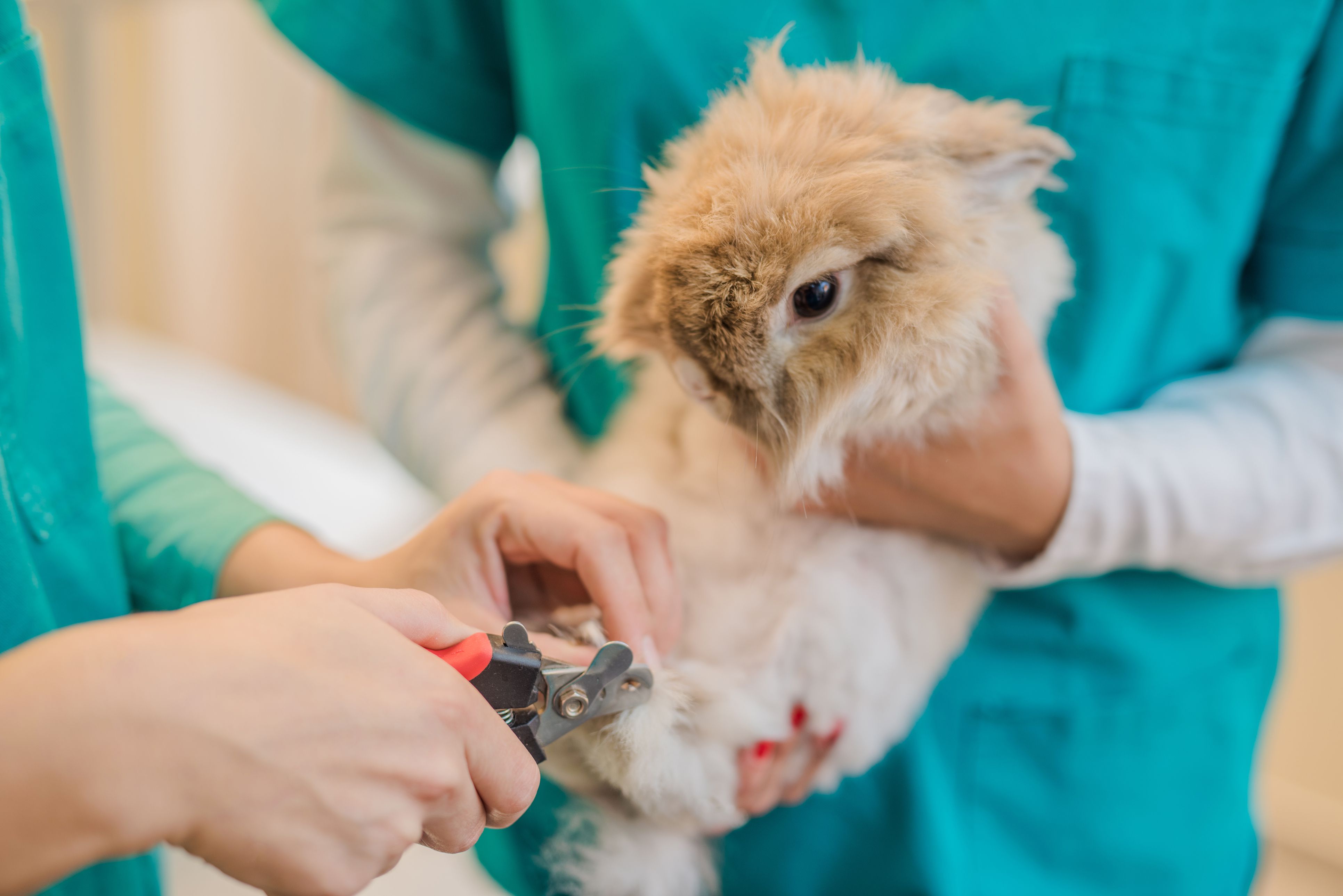
I like to pair this check with something your pet already expects, like a weekly nail trim attempt (even if you only do one paw), fresh fleece laundry day, or the moment you refill hay. Consistency is what makes small changes stand out.
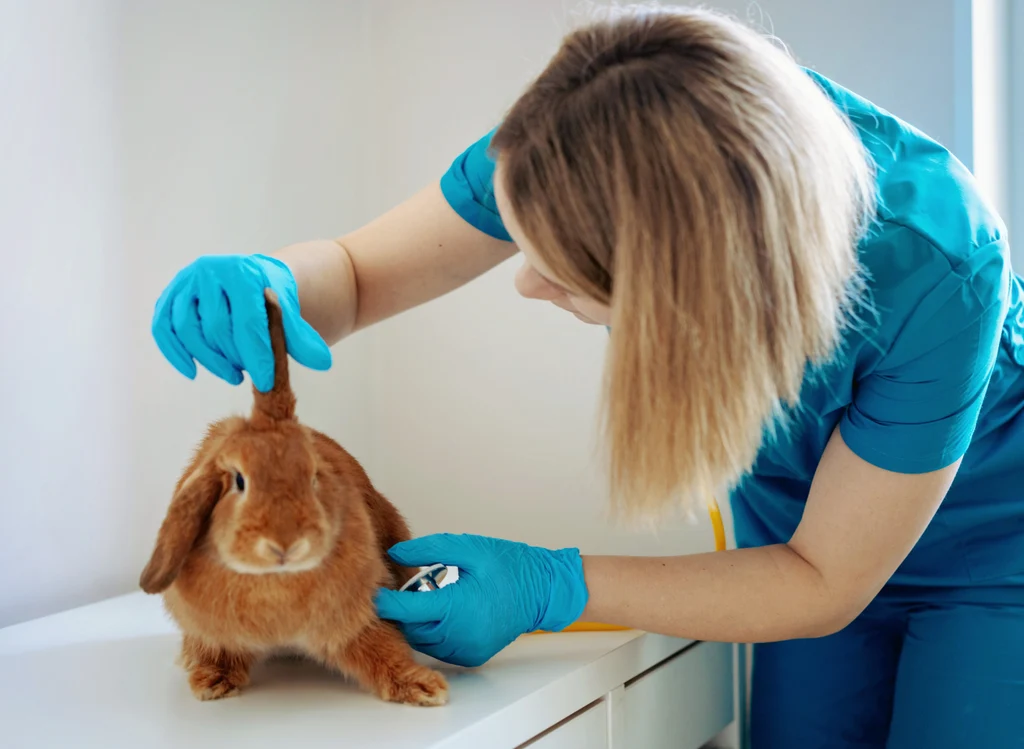
Before you start: set up for zero drama
Your goal is a quick look and light touch, not a wrestling match. If your rabbit or guinea pig gets stressed, keep it even shorter and spread steps over two days. Five calm minutes beats fifteen frantic ones every time.
Safety first: Work on the floor or a low surface so a sudden wiggle does not turn into a fall. For rabbits, always support the hindquarters when lifting. For guinea pigs, hold securely without squeezing the chest.
Grab these supplies
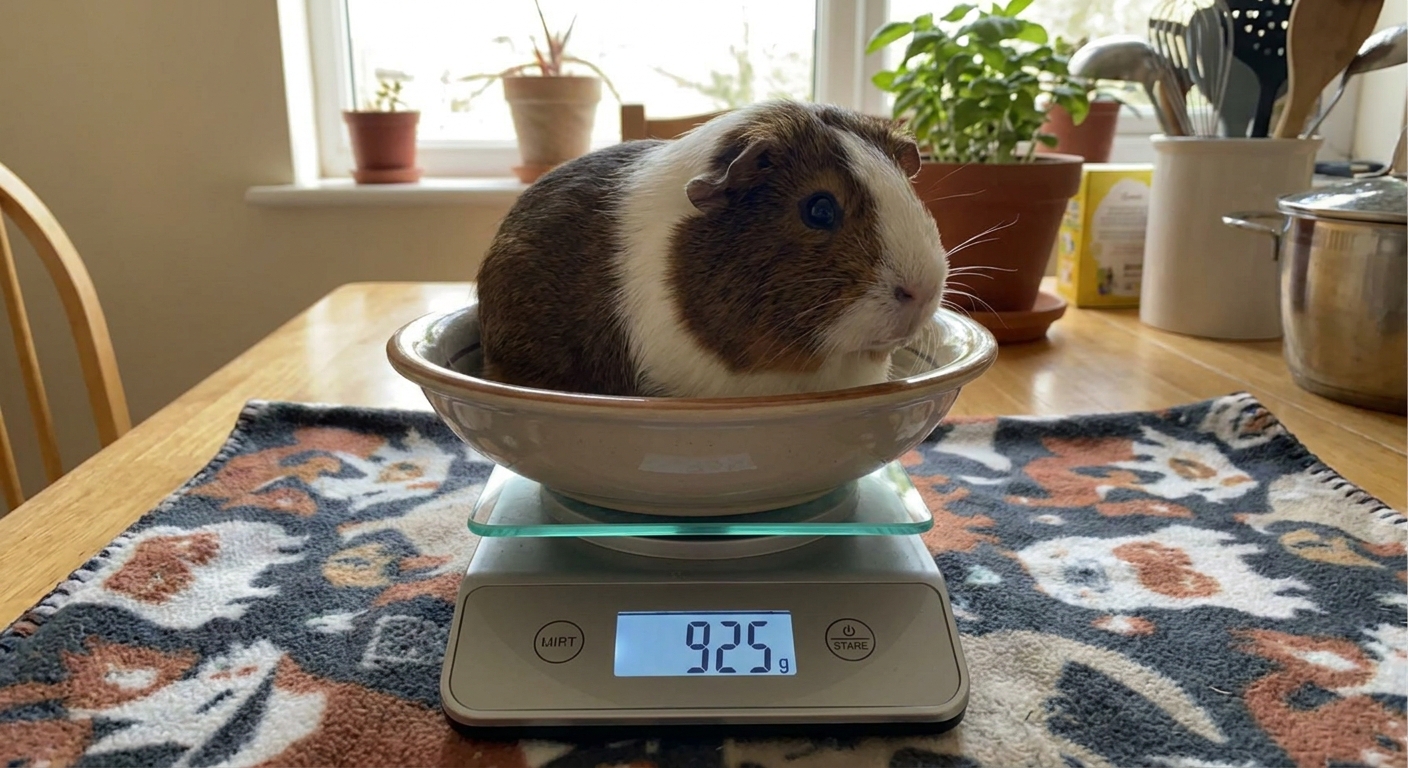
- Kitchen scale (grams are ideal). A baby scale works great for rabbits.
- Small bowl or box for guinea pigs to sit in on the scale.
- Towel or fleece for traction and confidence.
- Good lighting (phone flashlight is fine, pointed at your hands not in their face).
- A tiny treat: one leaf of cilantro, a sliver of bell pepper, or a single pellet to pay them for their effort.
- Notebook or notes app to record weight and anything you notice.
Pick the right location
For guinea pigs, I usually do the check on my lap or a table with a towel. For rabbits, I often stay on the floor next to their pen with them sitting naturally. Many rabbits feel safest when all four feet stay planted.
The 5-minute weekly check
This is the order I use because it moves from least intrusive to most hands-on. If your pet starts to get squirmy, you can stop early and still get the most important info.
Minute 1: Eyes and nose
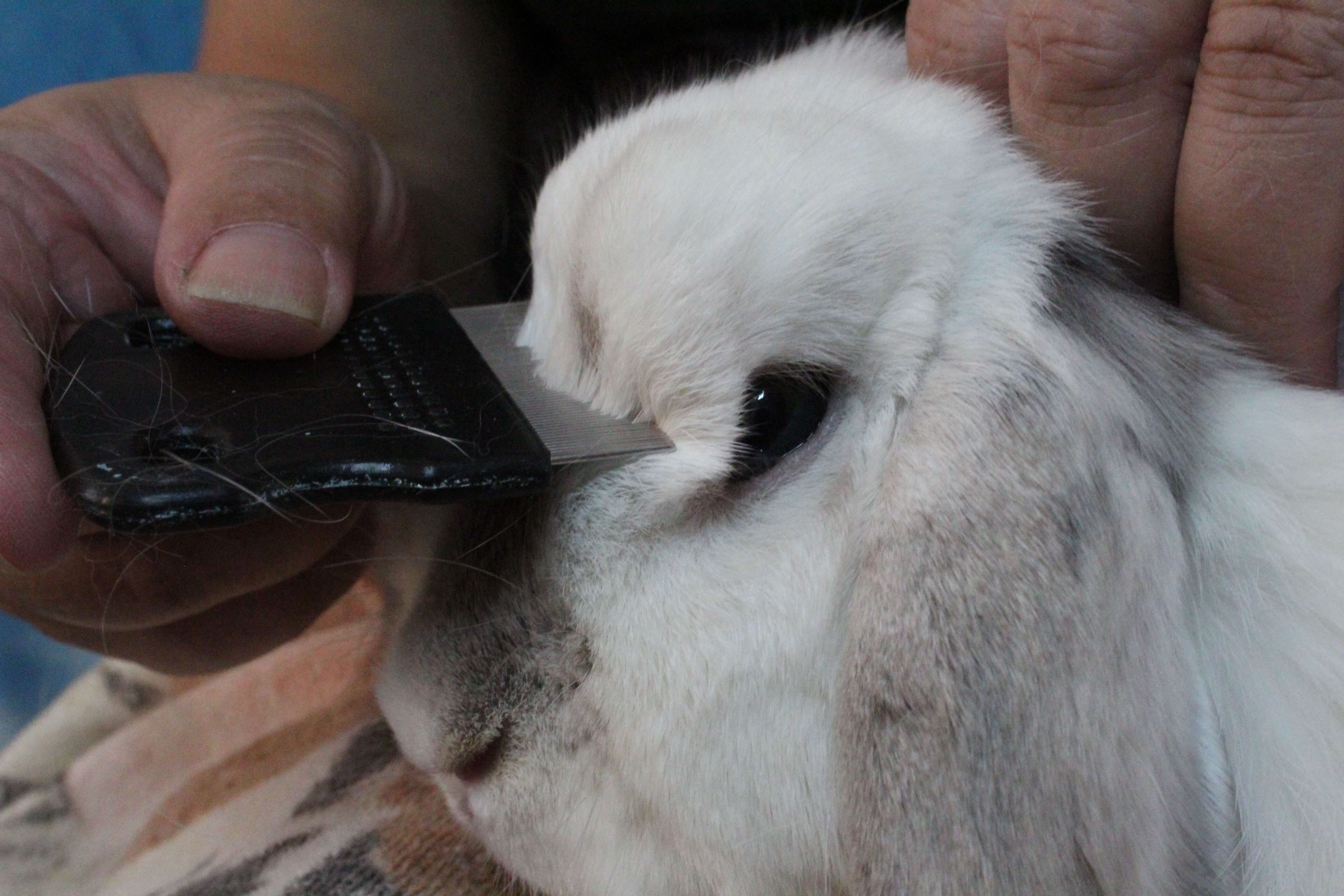
- Eyes: Look for clarity and brightness. A tiny sleepy speck after a nap can be normal, but ongoing discharge, wet fur, redness, or squinting is not.
- Eye corners: Check the inner corner for dampness or crust. Rabbits in particular can get watery eyes from dental issues, not just “something in the eye.”
- Nose: A little natural moisture can be normal. What you do not want is discharge, crusting, persistent wetness, or repeated sneezing, which can signal irritation or an upper respiratory infection.
Minute 2: Ears (and a quick listen)
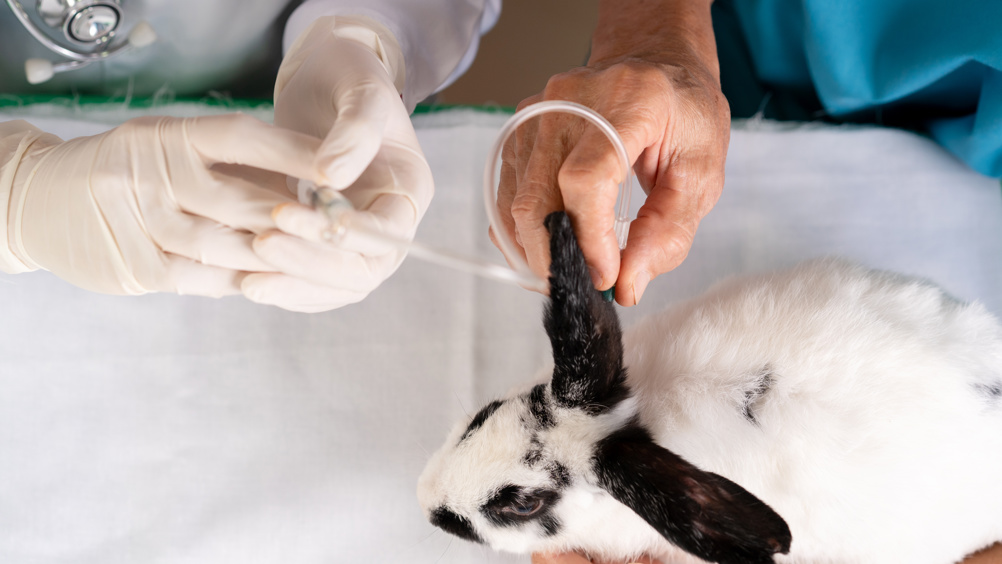
Rabbits: Gently lift each ear and look inside. You are looking for a clean, pale pink ear canal with minimal wax.
Guinea pigs: Their ears can look a little dry and flaky at the edges sometimes, especially in older pigs. That is different from thick debris deeper in the ear.
- Normal: light wax, a little edge flaking, no strong smell.
- Not normal: dark, coffee-ground debris (can suggest mites or infection), significant redness, swelling, head shaking, persistent scratching, or a yeasty odor.
If you notice persistent audible breathing sounds at rest, including repeated clicking, wheezing, or heavy effort, jot it down. Audio clues matter, but patterns matter more than a one-off noise.
Minute 3: Teeth and mouth
Teeth problems are sneaky and common in both species. The key is to catch chewing changes early.
Guinea pigs: You can usually see the front incisors without opening the mouth. They should meet evenly and not look overgrown or broken.
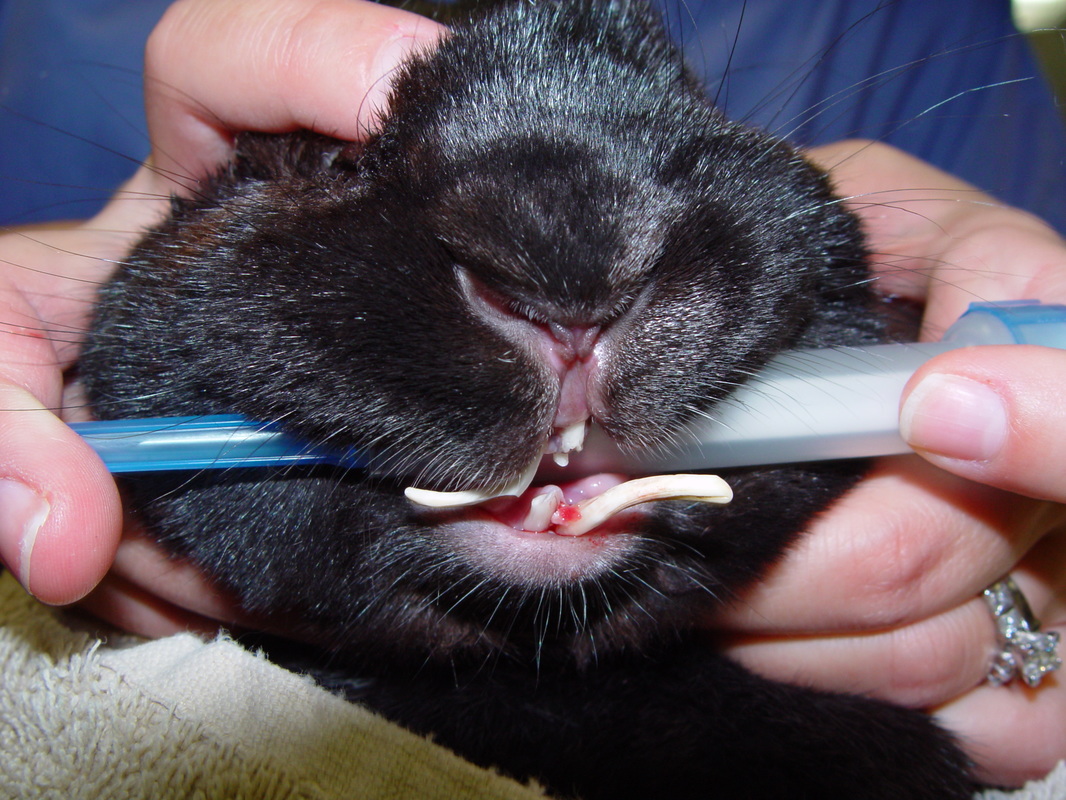
Rabbits: Check the incisors from the front. They should be aligned, with the top slightly overlapping the bottom. You are not expected to see molars at home. That is a vet check job.
- Look for wet chin, drool, or “slobbers.”
- Sniff for a foul mouth odor.
- Note any dropping food while chewing, picky eating, slower chewing, or new messiness with leafy greens.
If your pet fights this step, skip it and focus on appetite, poop, and weight trends. Those often flag dental pain before you can see anything.
Minute 4: Weight and body condition
Weekly weigh-ins are one of the best early-warning tools you can do at home. Weight loss can happen before a rabbit or guinea pig “looks sick.”
How to weigh
- Guinea pigs: Place a bowl or small box on the scale, tare to zero, then set your pig in. Offer a tiny bite of pepper to keep them still.
- Rabbits: A baby scale is easiest. If you only have a kitchen scale, weigh yourself holding your rabbit, then subtract your weight. It is less precise, but trends still help.
What changes matter
- Any steady downward trend week over week is worth investigating, even if appetite seems okay.
- Sudden loss over a short period is urgent.
- Sudden gain can also matter. If the belly looks unusually round, feels tight or distended, or your pet seems uncomfortable, treat that as urgent. Gas, fluid, pregnancy, and other issues can all look similar at home.
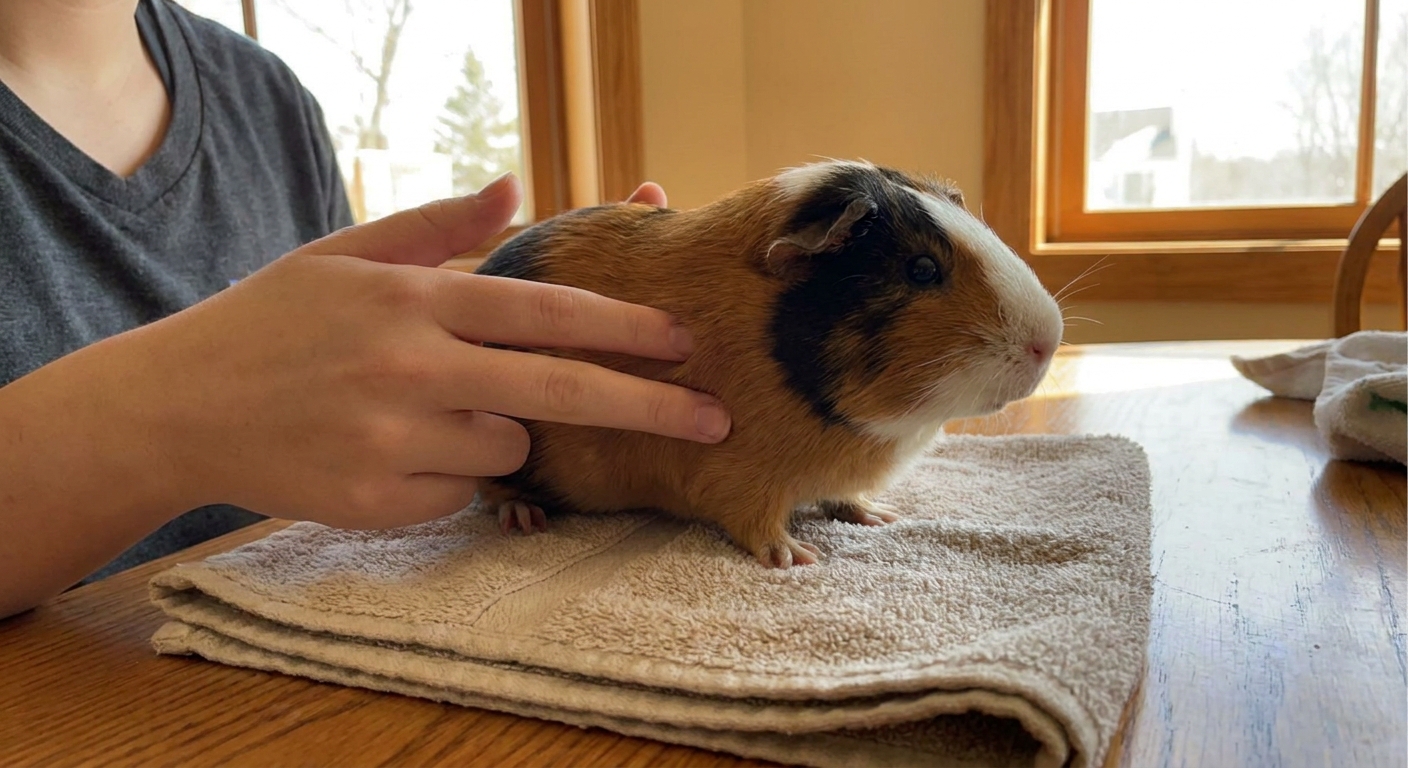
Body feel check: With flat fingers, gently feel along the ribs and spine. You should be able to feel ribs with light pressure but they should not feel sharp and bony. Over the hips, look for a healthy amount of padding, not prominent points.
Minute 5: Coat, skin, feet, and bottom
This is the “catch what everyone forgets” minute. You are looking for parasites, sore spots, urine scald, and anything that signals pain or mobility changes.
Coat and skin
- Run your hand against the fur direction to look for dandruff, flakes, or crawling specks.
- Check for new lumps, scabs, thinning patches, or sensitivity when touched.
- In guinea pigs, pay extra attention behind the ears and along the back for mite irritation (painful, often with flinching).
Feet and nails
- Rabbits: Look at the bottom of the feet for redness, hair loss, or sores (early sore hocks).
- Guinea pigs: Look for swelling, redness, or bumblefoot sores, plus nails that are curling and altering how they walk.
Bottom check
- Rabbits: The rear should be dry and clean. Sticky cecotropes, poop stuck to fur, or urine scald needs attention. A dirty bottom is often a diet, mobility, or dental clue, not “being gross.”
- Guinea pigs: Check for wetness, stuck bedding, or irritation around the genitals. Boars also benefit from a quick look for impaction issues, especially seniors.
Finish with a reward and put them back where they feel safest. The treat is not bribery. It is a wellness budget line item.
What to write down
Memory is unreliable, especially when your pet is acting adorable. Tracking turns “I think this is new?” into “This started ten days ago and is getting worse.”
- Weight (grams if possible)
- Appetite notes (hay intake, favorite foods refused, slower eating)
- Poop notes (smaller, fewer, misshapen, diarrhea, no poop)
- Water intake changes
- Any discharge (eyes, nose)
- New lumps or sore spots
- Mobility (hopping, stiffness, reluctance to move, head tilt)
- Pain clues (hunched posture, tooth grinding, hiding more than usual, flinching when touched)
Poop: what is normal vs not
Because these guys are prey animals, poop tells the truth early.
Rabbits
- Normal: plenty of round, dry pellets. Cecotropes are the softer, shiny clusters rabbits usually eat directly. You might never see them.
- Concerning: fewer pellets, much smaller pellets, misshapen pellets, strings of poop linked by hair during heavy sheds, or true diarrhea. Smushed cecotropes stuck to the rear also counts as a problem worth addressing.
Guinea pigs
- Normal: lots of firm, oval pellets that hold their shape.
- Concerning: soft poop that does not hold shape, watery diarrhea (uncommon and urgent), or a noticeable drop in volume and frequency.
Red flags that should not wait
Trust your gut. Small herbivores are masters of acting fine until they are not.
- Not eating or a major drop in hay intake
- No poop, very tiny poop, or sudden diarrhea
- Labored breathing, open-mouth breathing, or blue-tinged gums (emergency)
- Head tilt, loss of balance, rolling
- Bloated, tight abdomen or obvious pain posture
- Persistent discharge from eyes or nose
- Seizure, collapse, extreme lethargy
- Heat stress signs: weakness, collapse, rapid breathing or panting, drooling, or not responding normally. Warm ears in rabbits can happen with normal cooling, so use ear temperature as a supporting clue, not the whole picture.
If you see any of the above, call an experienced rabbit and guinea pig vet as soon as possible. For rabbits especially, gut slowdown can become dangerous quickly.
Make it tolerable
For rabbits
- Keep feet on the ground whenever possible. Many rabbits panic when lifted.
- Use side sitting support: one hand at the chest, one at the hips, rabbit tucked against your body on the floor.
- Skip flipping (trancing). It is stressful and unnecessary for a weekly check.
- End early if they struggle. Aim for calmer, more frequent micro-checks rather than a single long one.
For guinea pigs
- Lap time is your friend. A towel burrito can help wiggly pigs feel secure.
- Offer a chew distraction (a small lettuce leaf) while you look at ears and eyes.
- Pair it with routine cage care so it feels normal, not like an ambush.
Quick FAQ
How often should I do this health check?
Once a week is a great baseline for most healthy adults. Seniors, special-needs pets, and anyone with a history of dental or respiratory issues often benefit from twice weekly weigh-ins and quicker daily “eyes and appetite” glances.
What is a normal weight for a rabbit or guinea pig?
It varies by breed, age, and body type. Rather than chasing a single number, focus on your pet’s normal and watch for trends. If you are unsure, ask your vet for a target weight range and what “ideal condition” feels like for your specific pet.
My rabbit hates being handled. Can I still do a health check?
Yes. Do most of the check hands-off: watch eating and poop daily, look at eyes and nose while they are relaxed, and weigh using a low-sided box on a scale with a treat. For hands-on steps like feet, do one quick foot per week instead of all four at once.
What if I find something that seems minor?
Take a clear photo in good light, write down when you noticed it, and monitor closely. If it worsens, persists for more than a day or two, or comes with appetite or poop changes, call your vet. Also trust behavior. If you suspect pain, even without an obvious cause, it is worth getting advice sooner rather than later.
The point: small checks, big peace of mind
This routine is not about becoming your own veterinarian. It is about knowing what normal looks like for your rabbit or guinea pig, so when something shifts, you notice early and can get help sooner. Five minutes a week is a tiny habit that can make a huge difference.
If you want, set a recurring reminder called “Cilantro and Checkup.” Your pets will only hear the cilantro part, and honestly, that is perfect.