Home incisor checks, early warning signs of dental trouble, and daily habits that help rabbits and guinea pigs wear teeth naturally.
Rabbit Cove
Upper Respiratory Infections in Rabbits and Guinea Pigs
Upper respiratory infections (URIs) can turn serious fast in rabbits and guinea pigs. Learn the causes, early warning signs, what to do right away, and how to prevent flare-ups at home.

Chloe Miller
Chloe Miller is a dedicated small-pet enthusiast and experienced foster parent who has spent over a decade caring for rabbits and guinea pigs. Through her hands-on work with local animal rescues, she shares practical, compassionate advice on housing, nutrition, and daily enrichment to help small pets thrive. When she isn't designing custom indoor enclosures, Chloe can be found coaxing shy rescues out of their shells with fresh cilantro.
Published
October 22, 2026
Updated
October 22, 2026
If you have ever heard a bunny do a tiny “snick” or watched a guinea pig pause mid-squeak to breathe a little harder, you know the feeling. Respiratory illness in small pets is scary because it can go from “maybe allergies?” to “we need a vet today” in a hurry. Rabbits and guinea pigs have small airways, sensitive noses, and bodies that do not tolerate infection well, especially when appetite drops.
This guide covers what an upper respiratory infection (URI) is, why it happens, what early signs look like (including the subtle ones), and the home setup tweaks that genuinely reduce risk. I am focusing on rabbits and guinea pigs, since their causes and red flags overlap, but their treatments and urgency can differ.
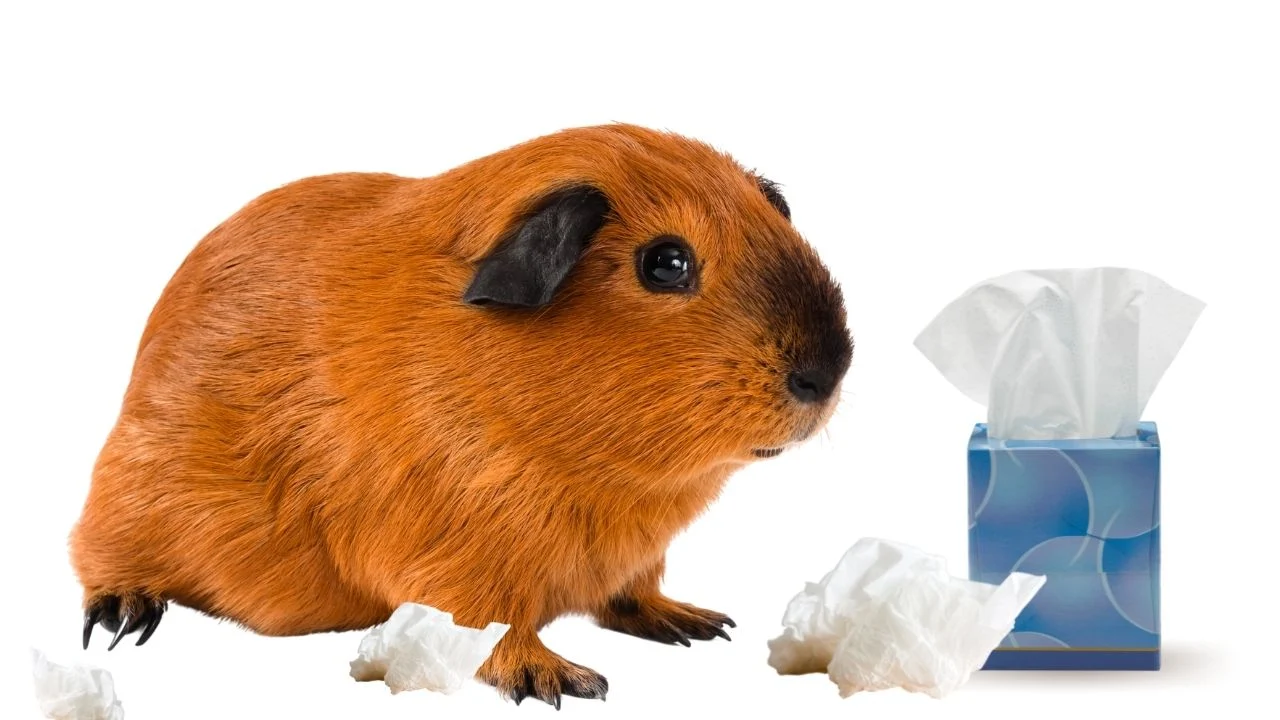
What a URI is (and why it matters)
An upper respiratory infection affects the nose, sinuses, and upper airways. You might see sneezing, nasal discharge, watery eyes, or noisy breathing. The tricky part is that “upper” can become “lower” if infection spreads to the lungs, which is far more dangerous.
Two important reality checks:
- URIs are not something to wait out. Rabbits and guinea pigs can decline quickly, and they often hide illness until they feel truly awful.
- Not every sniffle is an infection. Dust irritation, strong scents, poor ventilation, dental disease (especially in rabbits), heart issues, and even foreign material in the nose can mimic a URI. A good exotic vet sorts this out.
Common causes and risk factors
Most URI situations come down to a mix of exposure (often bacterial, sometimes viral depending on species and circumstance), airway irritation, and lowered defenses from stress or environment. Here are the big contributors I see most often in foster intakes.
1) Drafts and temperature swings
Cold drafts do not “cause” bacteria, but they can irritate airways and stress the body, making it easier for infection to take hold. Indoor pets can still be drafty if their enclosure is near:
- Doors that open frequently
- Windows with leaky seals
- Air conditioning vents or space heaters
- Fans pointed toward the cage
A steady, comfortable room temperature beats a warm day and a chilly night cycle, especially for guinea pigs.
2) Dusty or aromatic bedding
Dust is a huge trigger for sneezing and inflammation. Once the nasal lining is irritated, bacteria get a better foothold. Bedding that commonly causes trouble includes:
- Dusty wood shavings (especially when the bag has lots of fine particles)
- Strongly scented bedding of any kind
- Low-quality paper bedding that crumbles into powder
For many rabbits and guinea pigs, low-dust paper bedding (good quality) or fleece liners with absorbent layers underneath can be gentler. Whatever you use, the goal is simple: clean, dry, low dust.
3) Bacteria and contagious exposure
Rabbits and guinea pigs can carry organisms that become problematic under stress. In rabbits, Pasteurella multocida is a well-known contributor to “snuffles,” but it is not the only one. Other bacteria can be involved too, and guinea pigs commonly deal with bacterial respiratory infections as well.
Risk goes up with:
- New pet introductions without quarantine
- Crowded housing or poor ventilation
- Pet store or shelter exposure (lots of animals, lots of shared air)
- Shared supplies between households or foster groups without disinfection
4) Stress and underlying health issues
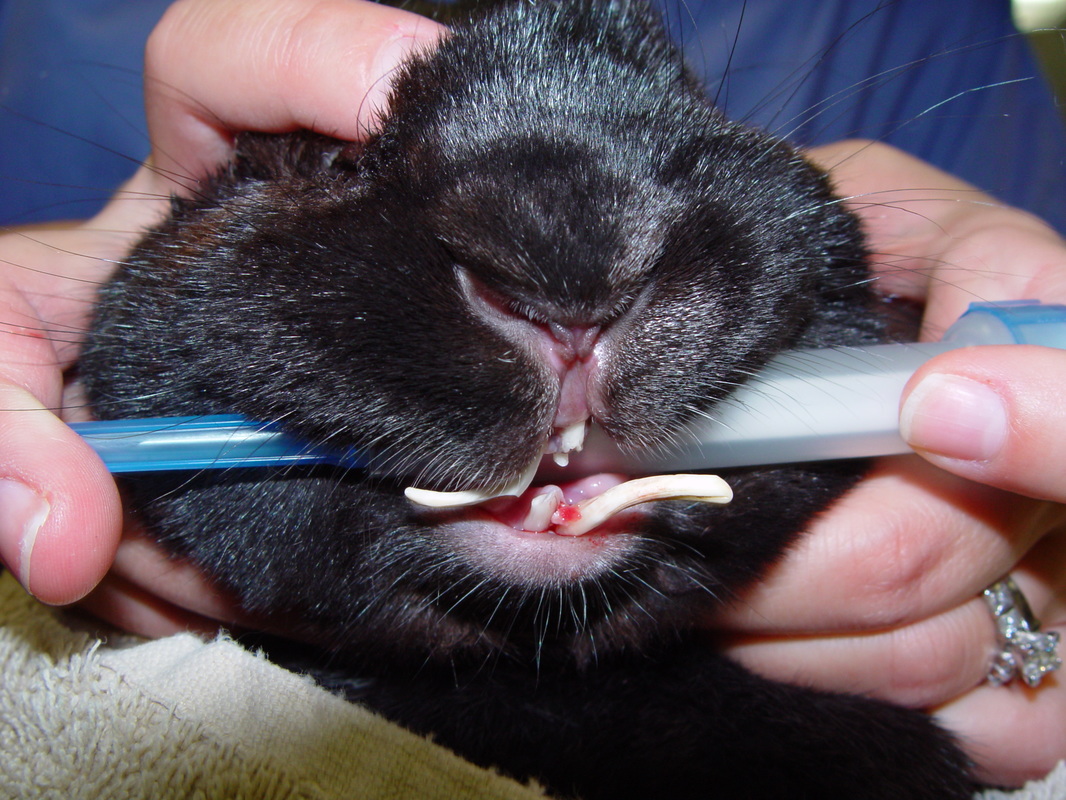
Stress impacts immunity. So do pain and chronic problems. In rabbits especially, dental disease can contribute to chronic “snuffles” because tooth roots sit close to the nasal passages. Other factors include:
- Recent rehoming or travel
- Bonding stress, bullying, or loneliness
- Poor diet (not enough hay, not enough vitamin C for guinea pigs)
- Obesity or poor fitness
- Older age or prior respiratory history
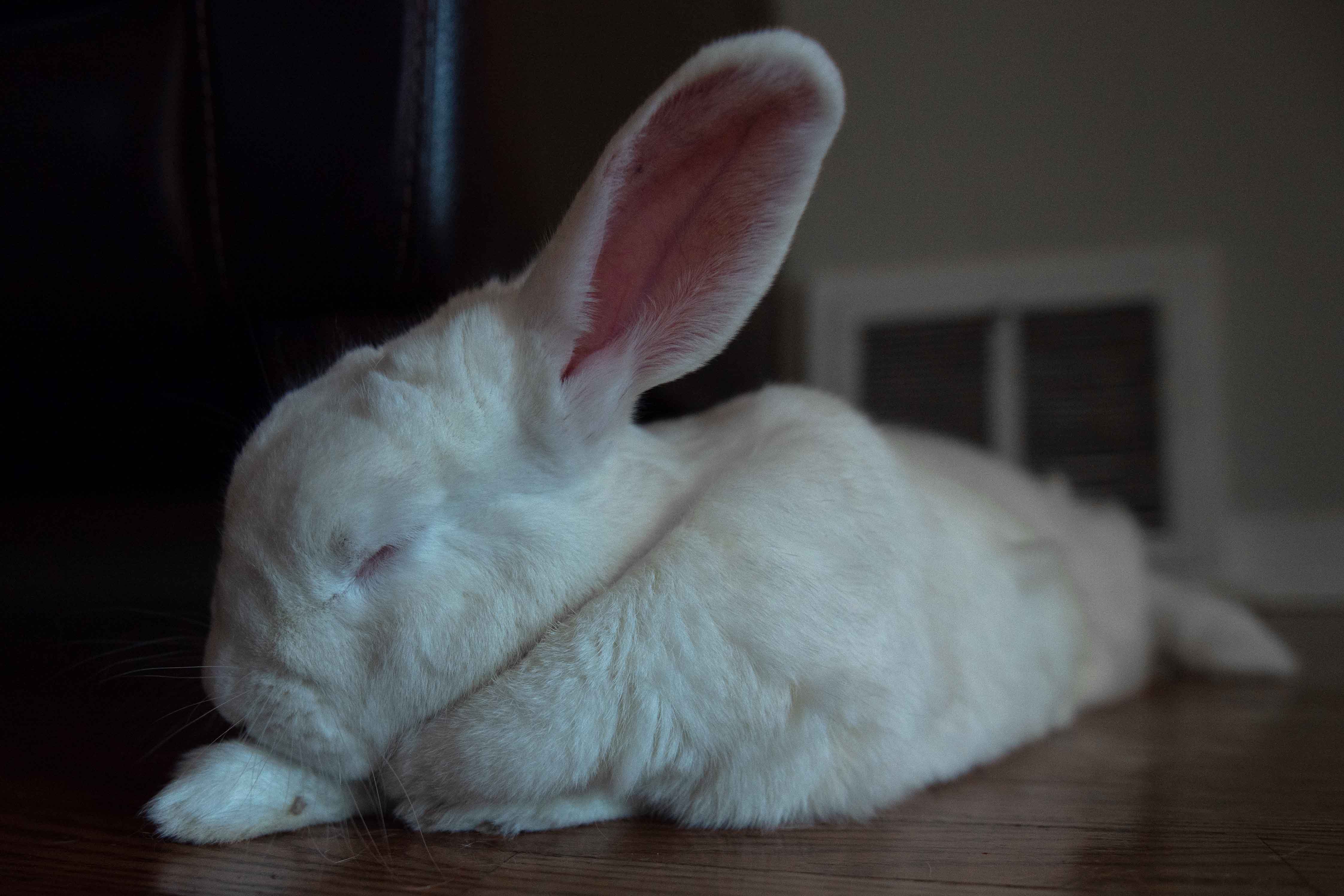
Early signs to watch for
The earlier you catch a URI, the better the outcome tends to be. The challenge is that the first signs are often quiet and easy to blame on “a little dust.”
Subtle early symptoms
- Sneezing more than once in a while
- Wetness around the nostrils or tiny crusts (even clear discharge matters)
- Watery eyes or damp fur under the eyes
- Quieter behavior, hiding more, less curiosity at veggie time
- Reduced appetite or slower eating, especially less hay
- Dropping changes: fewer or smaller droppings (either species), or a noticeable decrease in rabbit poop output
- Weight loss in a week or two, or a “bony” feel along the spine
A simple habit that helps: weigh them. A weekly weight check for healthy pets is great, and daily weights during illness can catch a slide early (a kitchen scale works well for guinea pigs; a baby scale is often easiest for rabbits).
More obvious red flags
- Thick white, yellow, or green nasal discharge
- Noisy breathing (snoring sounds while awake, wheezing, clicking)
- Open-mouth breathing (emergency)
- Head tilt or balance issues (can indicate inner ear involvement in rabbits)
- Refusing food or not drinking
- Lethargy, sitting hunched, eyes half-closed
If you see open-mouth breathing, collapse, or blue or very pale lips, tongue, or gums, treat it as an emergency and go to an exotic-capable vet or emergency clinic immediately.
What to do if you suspect a URI
I know the urge is to deep clean everything, change bedding, and “see if it improves.” Instead, think in two lanes: get veterinary help and stabilize at home without doing anything risky.
Step 1: Call an exotics vet
Tell them:
- Species, age, and weight (or most recent weight)
- How long symptoms have been present
- Type and color of any discharge
- Breathing quality (quiet, noisy, fast, labored)
- Appetite changes and dropping output
- Any recent stressors or new animals in the home
Your vet may recommend an exam, chest imaging, a culture, or a dental evaluation (especially for rabbits with recurring issues).
Step 2: Supportive care at home
- Keep them warm and draft-free, but do not overheat. Aim for a stable room temp.
- Offer high-moisture foods: rinse leafy greens and serve them wet, offer favorite herbs. For guinea pigs, keep vitamin C consistent.
- Encourage eating: unlimited fresh hay, refresh often. Appetite is a vital sign for both species.
- Hydration check: ensure water bottles work and bowls are clean. Some pets drink better from a bowl.
- Reduce irritants: pause dusty bedding immediately and switch to a low-dust option.
- Limit stress: keep handling minimal, keep the room quiet, and avoid big changes.
Isolation and household planning
If you have multiple guinea pigs or rabbits, call your vet about whether separation is appropriate. With a contagious bacterial issue, separating a symptomatic pet can reduce spread. With bonded animals, sudden isolation can also add stress, so it is a balance best made with veterinary guidance. Either way, tighten hygiene right away (wash hands, do not share bottles, bowls, or hideouts until you have a plan).
Important “do nots”
- Do not use essential oils, diffusers, scented sprays, or incense around rabbits or guinea pigs.
- Do not give human cold meds.
- Do not give leftover antibiotics. Some antibiotics are dangerous for rabbits and guinea pigs, and even “safe” ones need the right dose and duration.
- Do not force-feed a pet that is struggling to breathe. If appetite drops, call your vet immediately. They may instruct assisted feeding (for example, a recovery formula) and show you the safest technique. For rabbits, a stop in eating is urgent because of GI stasis risk, so treat it as a same-day problem.
Treatment basics
URI treatment depends on the underlying cause and how far the illness has progressed. Your exotics vet may recommend:
- Antibiotics when bacterial infection is suspected or confirmed
- Anti-inflammatories or pain relief when appropriate
- Nebulization (medicated mist) to help deliver medication to airways in some cases
- Fluids if dehydration is present
- Assisted feeding if appetite is reduced, especially critical for rabbits
- Diagnostics like x-rays, culture and sensitivity, or dental imaging for chronic cases
If your rabbit or guinea pig is put on antibiotics, ask your vet what appetite and stool changes are normal versus concerning, and whether a probiotic is appropriate. Also ask what signs mean you should call back the same day.
Home prevention that works
When I help adopters set up a “respiratory-friendly” environment, it usually comes down to five habits. None are fancy, and they make a measurable difference.
1) Choose low-dust housing materials
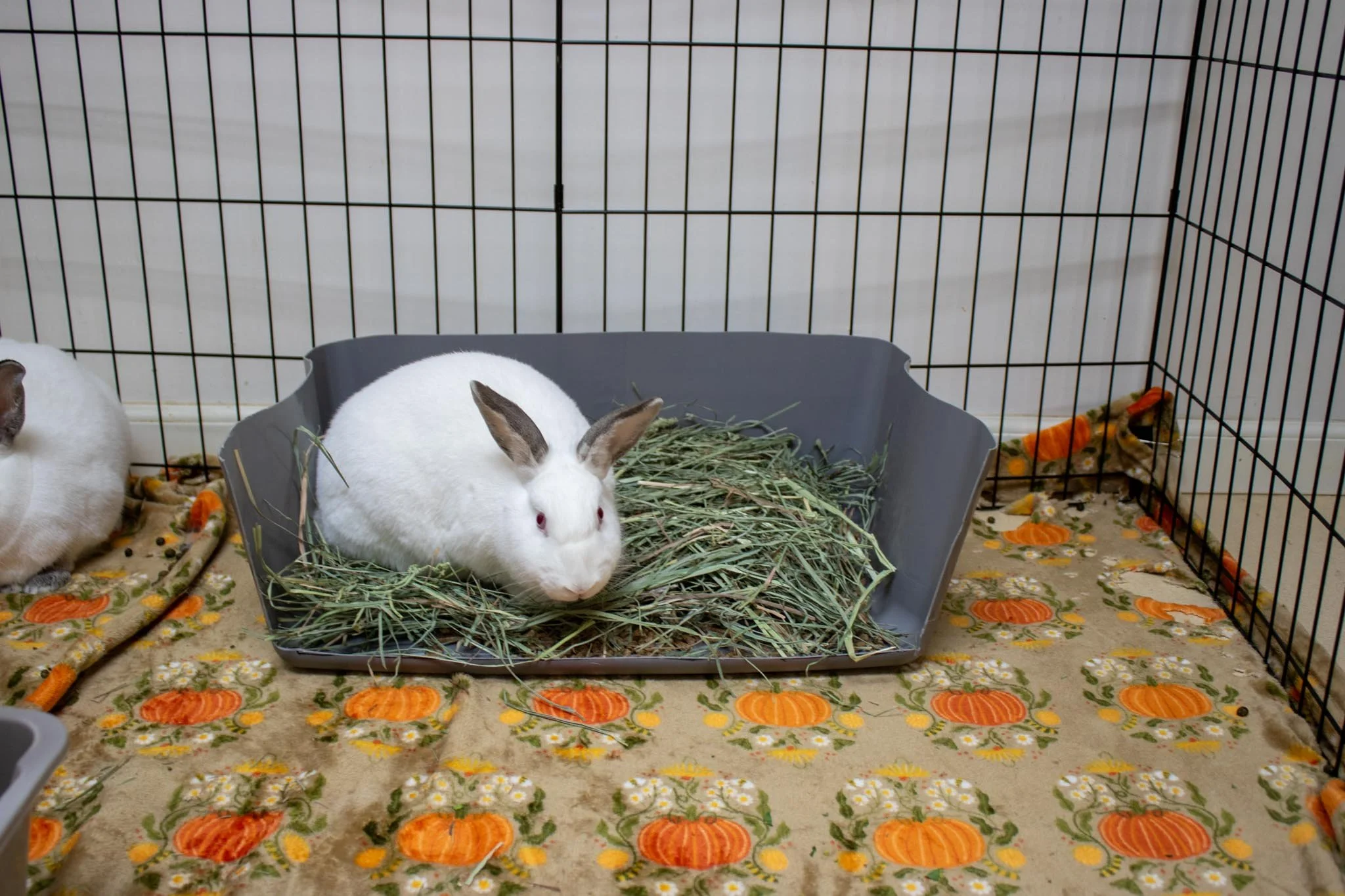
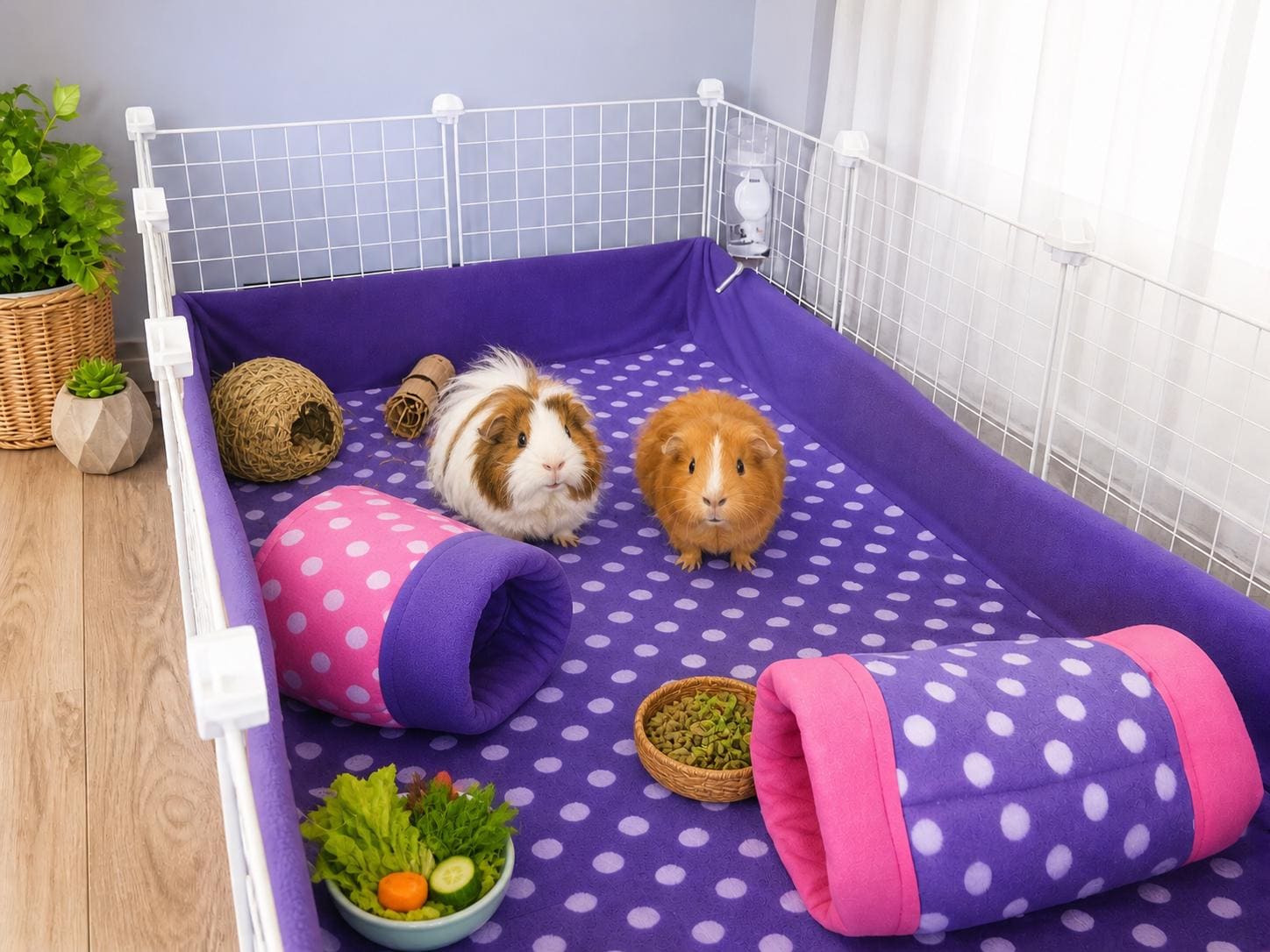
- Rabbits: Many do well with litter boxes filled with paper-based pellet litter plus a layer of hay, paired with washable area rugs or fleece for traction and comfort.
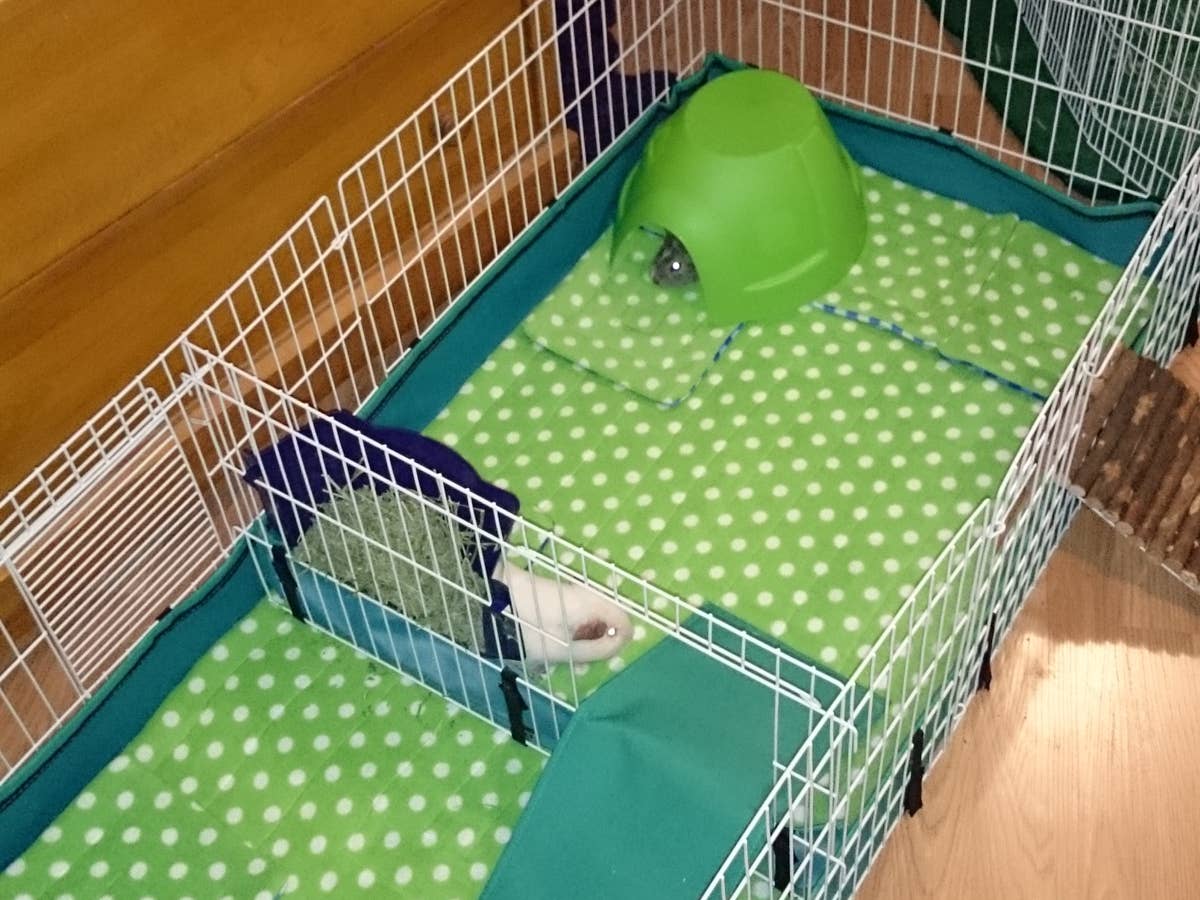
- Guinea pigs: Fleece liners with absorbent pads underneath can be wonderfully low-dust when cleaned on schedule. If using paper bedding, pick a low-dust brand and shake it out gently outdoors if needed.
Avoid cedar shavings and avoid aromatic softwood shavings (including non-kiln-dried pine). If any bedding makes you cough when you pour it, it is not a great choice for sensitive lungs.
2) Clean for ammonia control
That “sharp” smell from urine is ammonia, and it irritates airways. Instead of doing one huge clean occasionally, aim for a rhythm:
- Daily: spot-clean wet areas, refresh hay, wipe down heavily used corners
- Every 2 to 4 days: swap fleece or replace a portion of bedding in high-traffic zones
- Weekly: full clean of the enclosure base, litter boxes, and hideouts
Ventilation matters too. A clean cage in a stuffy corner can still be a respiratory problem.
3) Watch the airflow
Good ventilation is not the same as being in the path of a vent. Place enclosures where air is stable, then improve room air gently:
- Keep cages off the floor if the area is drafty
- Avoid direct fan or vent streams
- Consider a HEPA air purifier across the room, not pointed into the enclosure
4) Quarantine new arrivals
This is hard emotionally, especially when a new pig is calling out for friends. It is still worth it. In many rescues and foster setups, common practice looks like:
- Minimum: about 2 weeks in a separate room
- Better: 3 to 4 weeks, especially for guinea pigs from high-turnover environments
Wash hands between animals, do not share water bottles or hideys, and clean with a pet-safe disinfectant. If you foster, quarantine is one of your most powerful tools.
5) Nutrition supports immunity
- Unlimited grass hay for both rabbits and guinea pigs supports gut health and overall resilience.
- Daily leafy greens add hydration and micronutrients.
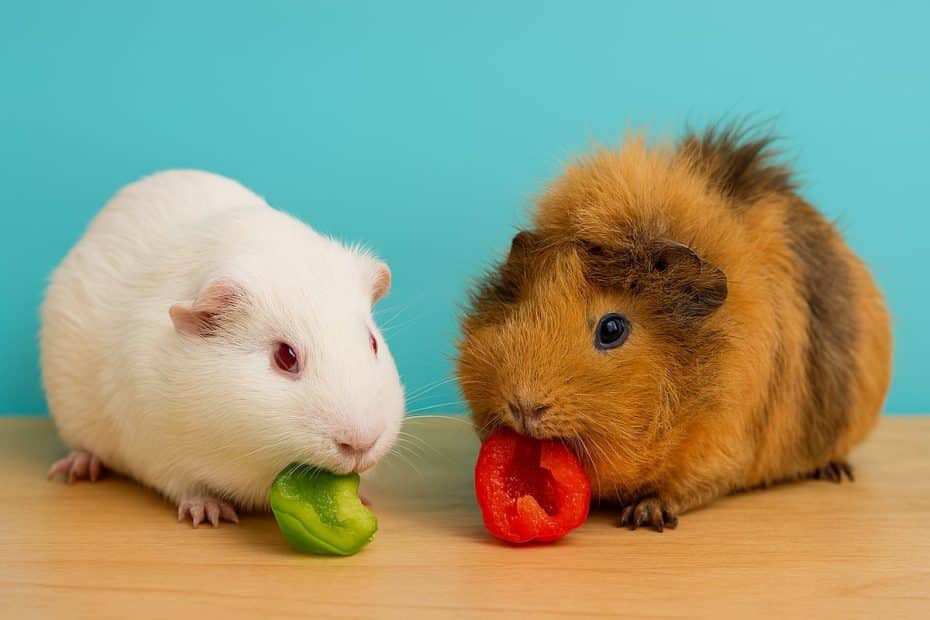
- Vitamin C for guinea pigs is non-negotiable. Choose a quality plain pellet and offer vitamin C rich veggies (like bell pepper). Avoid putting vitamin C in water since it degrades and can reduce drinking.
Quick checklist: when it is urgent
If you are on the fence about whether today is “vet day,” use this as a reality check. Seek same-day veterinary care if you notice:
- Any labored breathing, heaving sides, or open-mouth breathing
- Not eating or a major drop in appetite, especially in rabbits
- Marked decrease in droppings or no droppings
- Thick, colored discharge from nose or eyes
- Noisy breathing while awake
- Lethargy or unwillingness to move
- Head tilt or loss of balance
For mild sneezing with no discharge and normal appetite, you can still call your vet for guidance, but do not assume it is harmless, especially if it persists more than a day or two.
FAQ
Can a draft alone cause a URI?
A draft is more of a risk factor than a direct cause. It can chill and irritate airways and add stress, making it easier for bacteria to take hold. Fixing drafts is part of prevention, but you still want a vet involved when symptoms show up.
Is sneezing always a URI?
No. Sneezing can be caused by dust, hay particles, bedding, strong scents, or even a bit of dried discharge. But repeated sneezing, sneezing plus wetness around the nose, or any change in appetite should be treated seriously.
Can rabbits and guinea pigs catch URIs from each other?
They can share an environment and share irritants, but they are different species with different common pathogens. Still, if one pet is sick, tighten hygiene, reduce shared air if possible, and talk to your vet about the safest plan for your household.
What bedding is best for preventing respiratory issues?
Low-dust is the goal. Many families do well with fleece systems (cleaned frequently) or high-quality low-dust paper bedding. If any bedding makes your pet sneeze more or makes the room smell dusty, it is worth switching.
My rabbit has chronic snuffles. Why does it keep coming back?
Chronic symptoms can mean persistent bacteria, incomplete antibiotic match, reinfection, environmental irritation, or an underlying issue like dental disease. A rabbit-savvy vet may suggest culture and sensitivity testing and a dental workup to find the true driver.
A calm next step
If there is one takeaway I want you to hold onto, it is this: trust small changes. A little nose wetness, a little less hay eating, a little extra hiding can be the earliest whisper of a problem. Catching it early, cleaning up dust and drafts, and getting prompt vet care is how you keep a “sniffly day” from becoming a full-blown crisis.
And yes, you can still bribe them with cilantro along the way. Just keep it washed, wet, and served with a side of good judgment.