From fleece to foam mats to grass mats, here are the flooring choices that protect delicate feet and reduce the risk of sore hocks and bumblefoot.
Rabbit Cove
How to Trim Rabbit and Guinea Pig Nails Safely
Learn how to clip rabbit and guinea pig nails at home with less stress, the right tools, and a calm step-by-step routine. Plus, exactly what to do if you nick the quick.

Chloe Miller
Chloe Miller is a dedicated small-pet enthusiast and experienced foster parent who has spent over a decade caring for rabbits and guinea pigs. Through her hands-on work with local animal rescues, she shares practical, compassionate advice on housing, nutrition, and daily enrichment to help small pets thrive. When she isn't designing custom indoor enclosures, Chloe can be found coaxing shy rescues out of their shells with fresh cilantro.
Published
October 22, 2026
Updated
October 22, 2026
Nail trims are one of those little “grown-up pet care” tasks that feel intimidating until you do them a few times. Rabbits and guinea pigs have tiny feet, big feelings, and a talent for yanking a paw away at the exact moment you line up the clippers.
The good news: you can absolutely learn to trim nails safely at home. The goal is not perfection. It is a calm routine, small trims, and knowing how to handle a slip so everyone walks away okay.
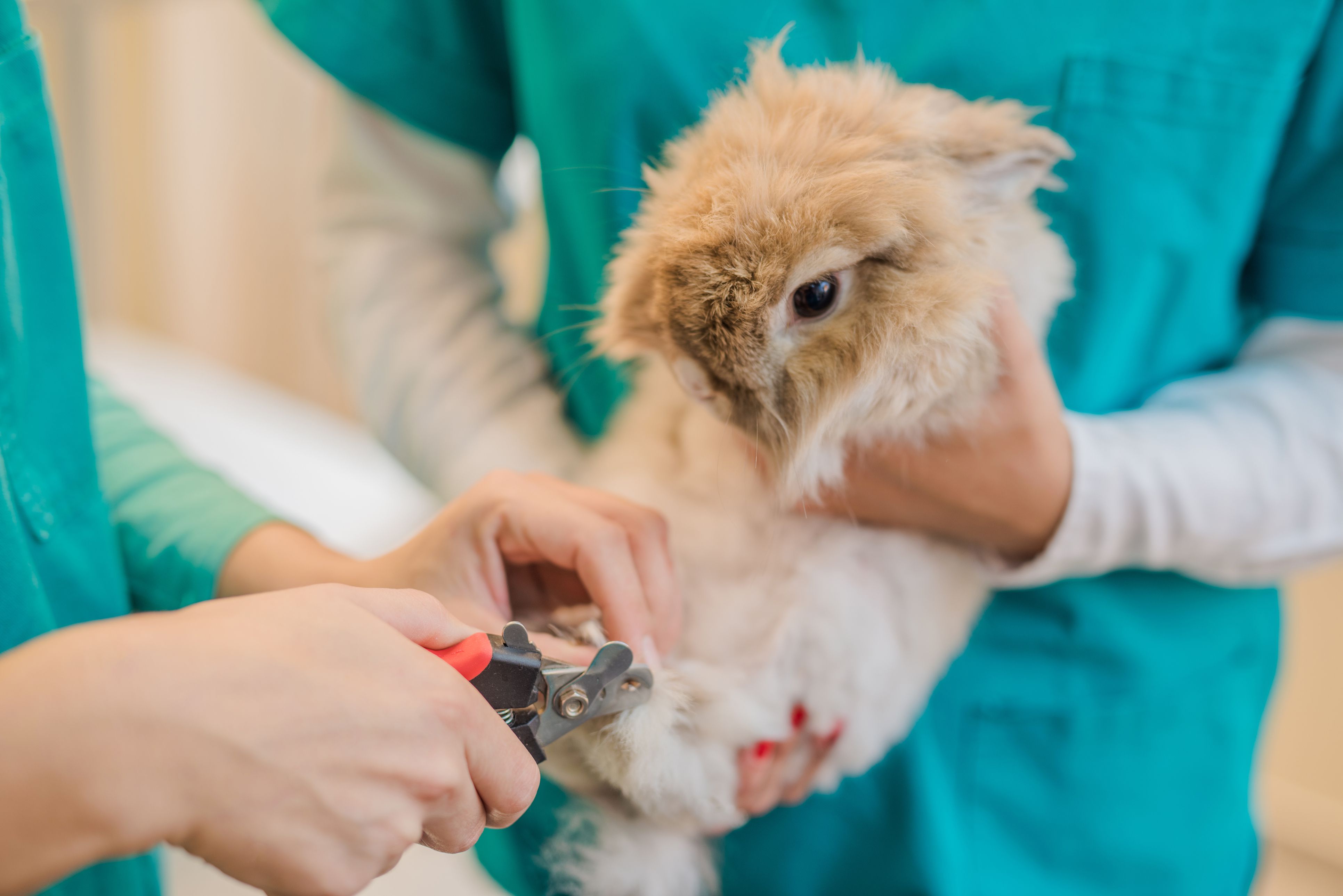
Why nail trims matter (and when it is urgent)
Overgrown nails can snag on carpet, tear, or twist toes into awkward positions. That is painful, and it can make your pet move differently, which puts strain on joints over time.
- Rabbits: Long nails are especially risky during kicks. If a rabbit panics and scrambles, a snagged nail can rip.
- Guinea pigs: Long nails often curl, trapping gunk underneath and changing the way they place their feet, which can contribute to sore feet.
Trim sooner rather than later if you notice nails catching on fabric, curving sideways, a toe held oddly, or your pet acting tender on one foot.
If you see sudden nail overgrowth, persistent limping, or sore, swollen feet (including bumblefoot), it is worth a vet check. Nail problems sometimes tag along with arthritis, pain, or foot infections.
Tools you will actually use
You do not need a grooming salon setup. You need the right cutter, good light, and a way to stop bleeding just in case.
Choose the right clippers
- Small scissor-style pet nail clippers: My top pick for most guinea pigs and rabbits. They give you control and a clear view.
- Cat nail clippers: Also great for rabbits and pigs, especially for smaller nails.
- Guillotine-style clippers: Some people love them, but they can obscure your view of the quick. If you are nervous, skip these.
- Human nail clippers: Not ideal. They can crush or split small pet nails. In a pinch they can work for a very small guinea pig nail, but I would not make it your plan.
Have these on hand
- Pet-safe styptic powder (preferred) for bleeding
- Cornstarch as a backup if you have no styptic (not as effective, but better than nothing)
- Good lighting (a bright lamp you can aim at the paw)
- A towel or fleece for traction and gentle wrapping
- Treats: a sprig of cilantro, a few pellets, or a thin slice of bell pepper
A note on styptic products: Choose a pet-safe styptic powder and use it sparingly. Some styptic products can sting, and styptic pencils may include additives that can be irritating. If you are unsure what is safe for your rabbit or guinea pig, ask your exotics vet what they recommend keeping in your first-aid kit.
If your rabbit or guinea pig has dark nails, a small flashlight can help you see the inner structure better by shining from behind the nail, but do not fight them for it. Calm matters more.
Bonus safety habit: clean your clippers between pets, and if your pet is ill or unusually painful that day, postpone the trim and call your vet if you are concerned.
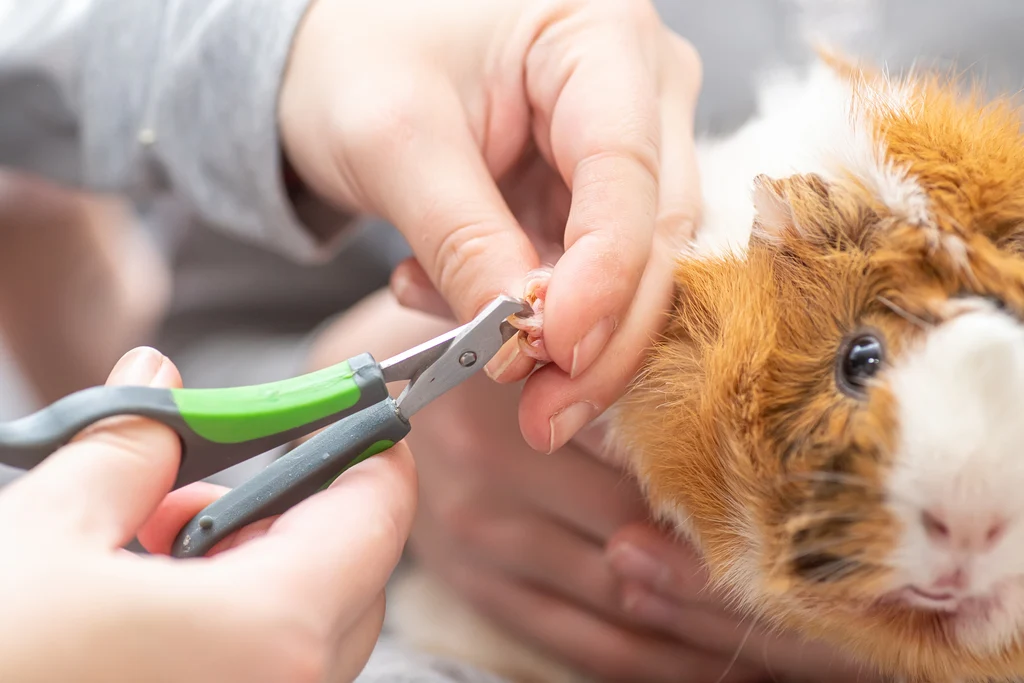
Know the quick: what you are avoiding
The quick is the living part of the nail that contains blood vessels and nerves. Cut into it and you will get bleeding and a startled pet.
- Light nails: The quick usually looks like a pink triangle inside the nail. You trim the clear or white tip in front of that.
- Dark nails: You often cannot see the quick. You will trim in tiny slices and stop when you see a slightly lighter, moist-looking center or a small dark dot that signals you are getting close.
For visual learners: aim for the very tip and follow the nail’s natural curve. Do not clip straight across the thickest part of the nail.
When in doubt: trim less. You can always do another tiny snip next week. You cannot un-snip.
Set up for success
Pick the right moment
Trim when your pet is naturally calm. After a meal or a cozy flop is perfect. Right after zoomies is… ambitious.
Also skip nail trims right after a bath. Wet nails can be softer and harder to judge, and a damp, grumpy pet is not anyone’s idea of fun.
Create a non-slip trim station
- Place a towel or fleece on a table, counter, or your lap.
- Set up your light so it shines directly on the foot.
- Put styptic powder within arm’s reach with the lid already loosened.
Use a two-person plan if possible
One calm holder, one calm trimmer is the easiest and safest option, especially for rabbits. If you are solo, go slower and keep sessions short.
If this is your very first trim, it can help to have an exotics vet or experienced rescue volunteer show you once in person. Five minutes of hands-on coaching can save a lot of stress.
How to trim rabbit nails safely
Rabbits are fragile when they panic. The biggest risks are struggling, twisting, and forceful restraint. Your job is to keep your rabbit feeling supported, not trapped.
Safe positioning options
- Lap trim on the floor: Sit on the floor with your rabbit between your legs, facing sideways. Support the chest with one hand and bring one foot forward at a time.
- Tabletop with towel: Great for confident rabbits. Keep one arm gently across the body so they feel anchored.
- Bunny burrito towel wrap: Useful for wriggly rabbits. Wrap snugly enough to prevent scrambling, but not tight around the chest. Leave one paw out at a time.
A note about trance positioning: Putting a rabbit on their back (tonic immobility) can be very stressful and is not a default home technique. In some situations, a trained veterinary team may use brief, controlled positioning when necessary. For routine home nail trims, stick with gentler holds.
Step-by-step: rabbit nail trim
- Count the nails first. Rabbits have five toes on each front foot (including a dewclaw) and four on each back foot. Dewclaws are easy to miss.
- Start with an easy paw. Usually a front paw is less dramatic than a back paw.
- Support the whole foot. Hold the toe gently but securely so the nail does not wobble.
- Angle the cut. Clip the tip at a slight angle, following the natural slope of the nail.
- Trim tiny amounts. Especially on dark nails. Think “thin slice,” not “big chop.”
- Release between nails. Let your rabbit relax for a second, then go again.
- Do back feet last. Back feet are stronger, and rabbits are more likely to kick. Keep the leg supported close to the body, not extended out.
If your rabbit starts breathing fast, goes very stiff, shows wide eyes, thumps, or struggles hard, stop. Rabbits can injure themselves if they twist or launch. Take a break and finish later. One safe nail trim split into two sessions beats one stressful wrestling match every time.
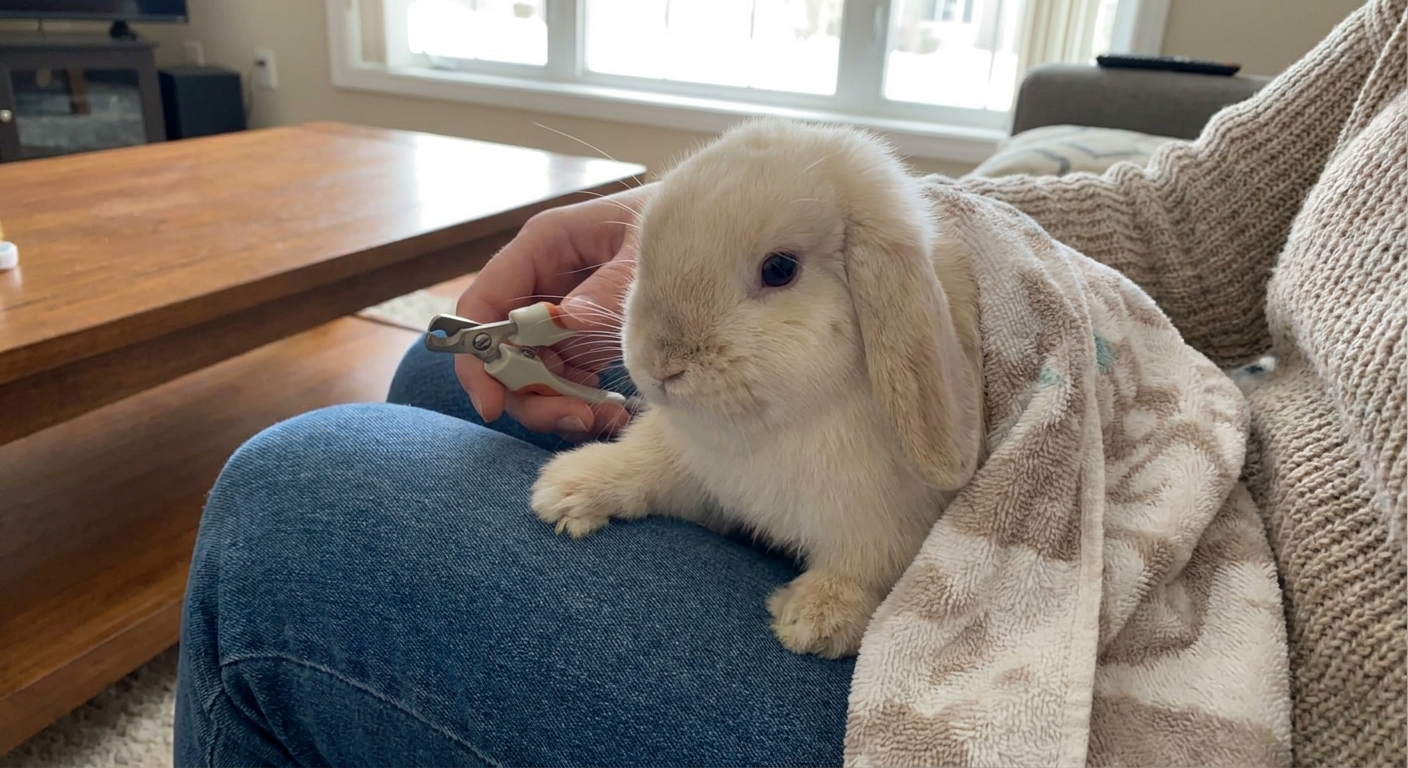
How to trim guinea pig nails safely
Guinea pigs tend to be squirmy rather than explosive, but they can still jerk a foot at the worst moment. The trick is steady support and quick, confident snips.
Best holds for guinea pigs
- On a towel on your lap: Sit with your guinea pig facing away from you. Use your non-trimming hand to support the chest and gently “hug” them against your body.
- On a table with a hidey: Some pigs do better if they can tuck their head into a small cuddle cup or drape of fleece while you work on feet.
Step-by-step: guinea pig nail trim
- Offer a distraction snack. A leaf of romaine or a strip of bell pepper can keep many pigs busy.
- Lift one foot gently. Support the ankle area so the foot is stable.
- Find the quick. On light nails, look for the pink center. On dark nails, take tiny snips.
- Clip just the tip. You are shaping and shortening, not trying to make it “as short as possible.”
- Check for curls. Older guinea pigs often have nails that curl sideways. You may need multiple trims over a few weeks to bring the quick back gradually.
How short should you cut?
A good home trim usually removes the sharp hook and brings the nail to a blunt, tidy tip.
If nails are currently very long, aim for a gradual reset. When nails go a long time between trims, the quick can extend farther toward the tip, which makes it harder to cut them short safely. Regular, conservative trims often encourage the quick to recede over time.
- Trim a little today.
- Trim again in 1 to 2 weeks.
- Repeat until nails are a healthy length.
If you cut the quick: exactly what to do
First, breathe. A nicked quick looks dramatic because it bleeds, but most small quick cuts are manageable at home if your pet is otherwise acting normal.
Step-by-step quick first aid
- Apply gentle pressure. Use a clean tissue or gauze and hold for 30 to 60 seconds.
- Use styptic powder. Press a pinch onto the end of the nail or gently dip the tip into the powder. Hold steady pressure for another 30 to 60 seconds.
- Keep them still. Movement restarts bleeding. Hold your pet calmly against your body for a minute.
- Check again. If it is still bleeding, reapply styptic and pressure.
If you do not have styptic
Cornstarch can help slow bleeding. Press it firmly to the nail and hold pressure. If cornstarch is not available, flour is a last-resort option, but it can cake and is not ideal.
When to call a vet
- Bleeding does not stop after 10 to 15 minutes of pressure and styptic
- The nail was torn, split, or partially ripped off
- Your rabbit or guinea pig becomes very lethargic, cold, or unusually quiet afterward
- You see swelling, heat, discharge, or limping over the next day
Aftercare: Keep flooring clean and dry for the rest of the day. For guinea pigs, fresh bedding helps keep the nail tip clean. For rabbits, avoid rough play and check the toe once more later for any renewed bleeding.
How often to trim nails
- Most rabbits: about every 3 to 8 weeks
- Most guinea pigs: about every 2 to 6 weeks
Age, activity level, and surfaces matter. Pets who move around on firm flooring and use scratchy surfaces may wear nails a bit more, but most indoor rabbits and guinea pigs still need routine trims.
Troubleshooting common problems
My rabbit freaks out when I touch a foot
Practice “fake trims” on non-trim days: touch a paw, give a treat, stop. Build the idea that foot handling predicts snacks, not stress. Also consider doing one paw per day for a week instead of all four at once.
My guinea pig’s nails are thick and yellow
That is common in older pigs. Use sharp clippers and take smaller snips. Thick nails can crack if you rush.
The nails are so long I cannot see where to cut
Trim very small amounts weekly. If you are unsure, ask an experienced exotics vet or rescue volunteer to show you in person once. A single hands-on lesson can boost confidence enormously.
My pet will not stop wiggling
Shorter sessions help. Do 2 to 4 nails, break for a snack, then continue. For rabbits, a towel wrap often reduces scrambling. For guinea pigs, offering a steady chew snack can keep the head busy.
Safety notes
- Never pull a leg straight out. Keep joints in a natural position and support the limb.
- Do not chase a perfect trim. Tiny trims done consistently are safer than one big risky session.
- Stop before fear escalates. A calm ending makes the next trim easier.
- When in doubt, get help. A groomer or vet familiar with rabbits and guinea pigs can demonstrate technique and identify foot issues like sore hocks, bumblefoot, or pain that makes handling harder.
Quick FAQ
Can I use a nail grinder instead of clippers?
Some owners do, but many rabbits and guinea pigs hate the vibration and noise. Clippers are usually faster and less stressful. If you try a grinder, go very slowly and keep fur away from the spinning tip.
Should nails bleed a little after trimming?
No. Even a small bleed means the quick was nicked. It happens, but it is not the goal. Use styptic and aim for smaller trims next time.
What if my rabbit or guinea pig has black nails?
Use bright light, trim in tiny slices, and stop early. Over time, with frequent small trims, you will get a feel for what is safe.
Is it okay to have a vet do it?
Absolutely. If nail trims are becoming a battle, there is no shame in outsourcing. Many clinics can do quick nail trims with minimal stress, and you can keep practicing gentle paw handling at home.