A practical, rescue-tested guide to choosing hay for rabbits and guinea pigs by age, weight, and health, plus shopping tips and common mistakes to avoid.
Rabbit Cove
Dental Care for Rabbits and Guinea Pigs
Learn how to check incisors at home, spot subtle signs of dental disease, and support natural tooth wear in rabbits and guinea pigs with hay, chew-safe enrichment, and simple routines.

Chloe Miller
Chloe Miller is a dedicated small-pet enthusiast and experienced foster parent who has spent over a decade caring for rabbits and guinea pigs. Through her hands-on work with local animal rescues, she shares practical, compassionate advice on housing, nutrition, and daily enrichment to help small pets thrive. When she isn't designing custom indoor enclosures, Chloe can be found coaxing shy rescues out of their shells with fresh cilantro.
Published
October 22, 2026
Updated
October 22, 2026
Teeth are the quiet make-or-break issue for rabbits and guinea pigs. Their incisors and cheek teeth are continuously growing, and they are very good at hiding discomfort until they are truly miserable. The good news is you do not need special tools or a veterinary degree to catch many problems early. A simple weekly glance at the front teeth, plus knowing the sneaky behavior changes that hint at back-tooth pain, can save your pet from a spiral of appetite loss, gut slowdown, and expensive emergencies.
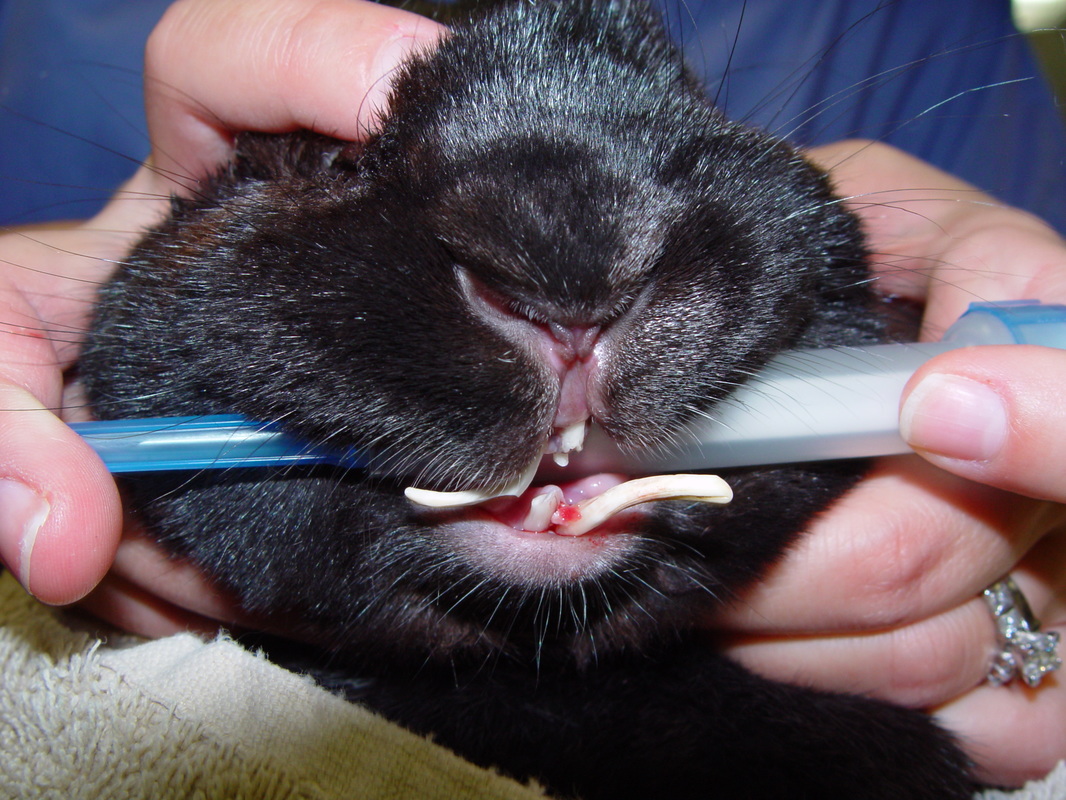
How their teeth work (and why hay matters so much)
Rabbits and guinea pigs are small herbivores with teeth that grow throughout life (you may hear them described as open-rooted or elodont). That includes both the incisors in front and the cheek teeth in back (premolars and molars). In the wild, constant grazing and grinding wears teeth down evenly. In our homes, we have to recreate that wear pattern with the right diet and setup.
- Incisors: the visible front teeth used to grab and cut food.
- Cheek teeth: the back teeth used for side-to-side grinding. Many clinically significant dental problems involve the cheek teeth, and you cannot see them well without a vet exam.
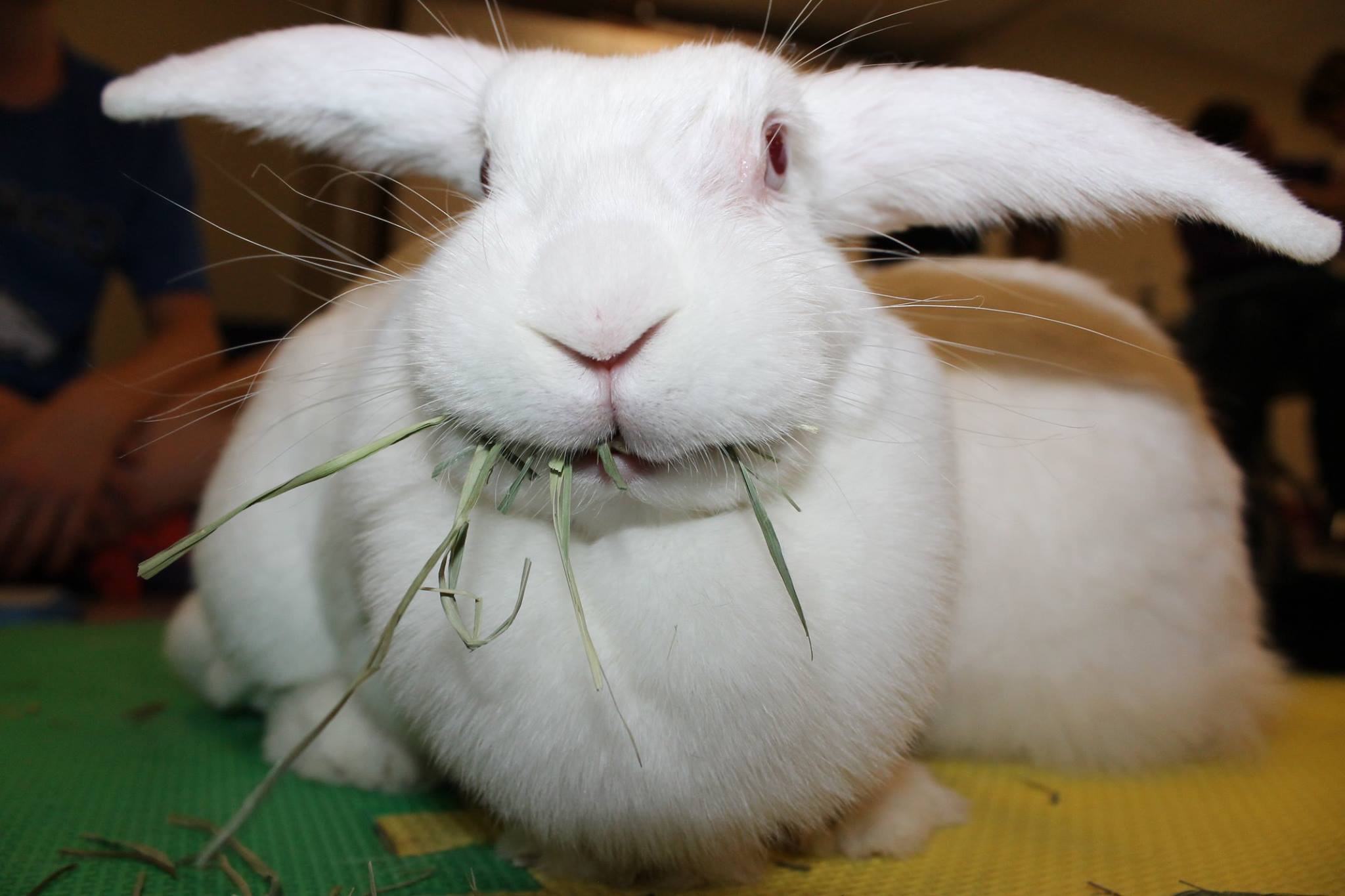
Unlimited grass hay is the cornerstone because it forces that long, repetitive chewing motion that helps wear cheek teeth properly. Pellets and most treats are still chewed, but they typically do not require the same long, abrasive grinding time as hay. Even a rabbit or guinea pig who “eats fine” can be skipping the chewing their teeth and gut depend on if hay intake is low.
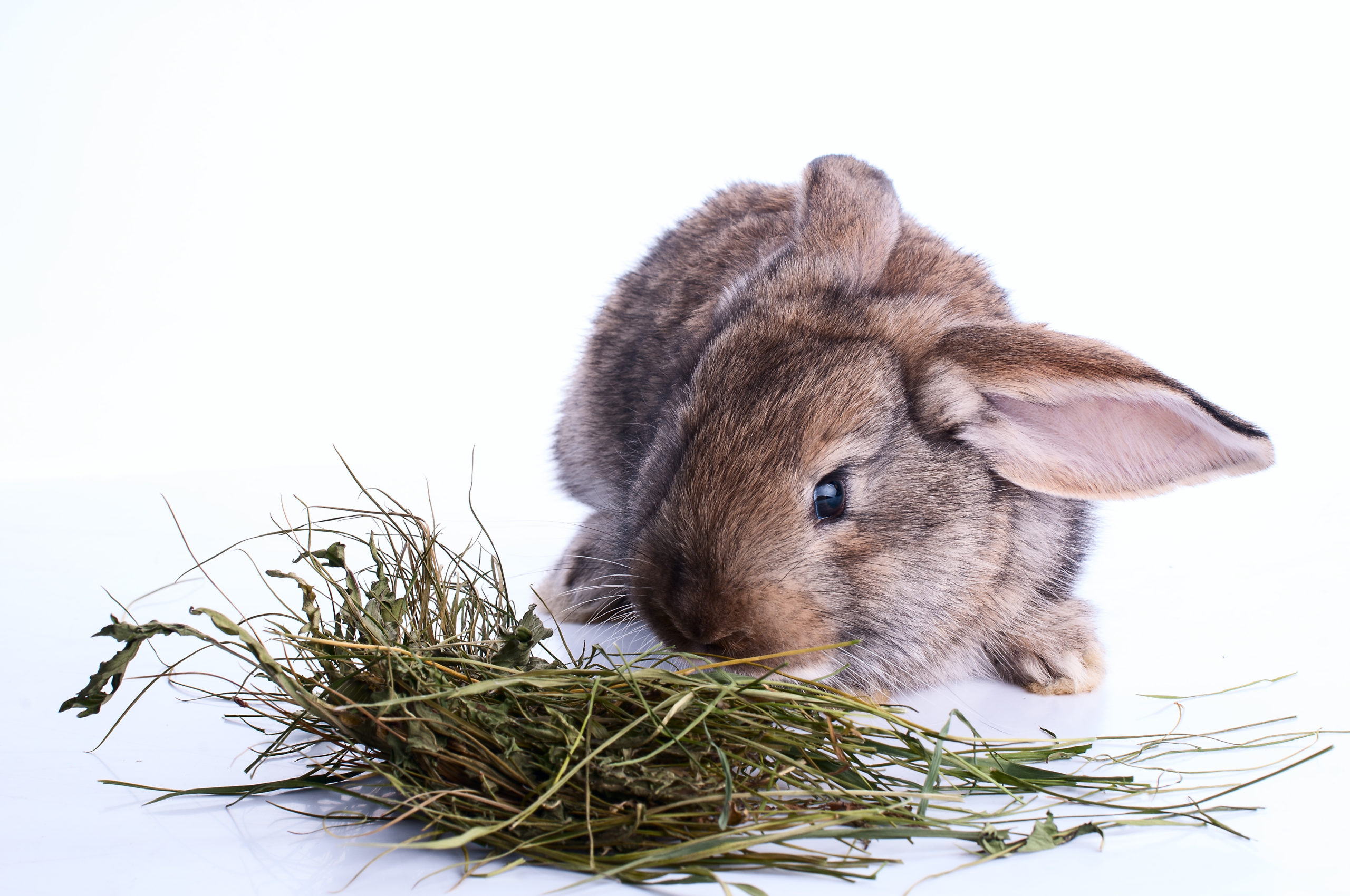
Weekly incisor checks you can do at home
I like to pair a quick tooth check with something you already do weekly, like nail trims, weighing, or refreshing the enclosure. Keep it calm, keep it short, and end with a favorite leafy green.
What you need
- Bright light (window light or a flashlight)
- A towel for lap support if your pet feels wiggly
- Your phone camera (optional, but helpful for comparing over time)
Handling tips (keep it safe and low-stress)
- Use gentle, full-body support. Do not hold by the scruff or restrain tightly.
- If they struggle, stop and try again later. A stressed rabbit or guinea pig can twist suddenly and injure themselves.
- For rabbits, avoid placing them on their back. Many rabbits panic in that position.
Rabbit: quick incisor check
- Support the body fully. Sit your rabbit on your lap facing sideways, feet tucked under.
- Lift the lips, not the head. Use your thumb and forefinger to gently lift the upper lip and lower lip.
- Look for alignment. Upper incisors should meet lower incisors evenly. Rabbits have small “peg teeth” behind the top incisors that you may glimpse.
- Check length and texture. Incisors should look smooth, not cracked or jagged, and not excessively long.
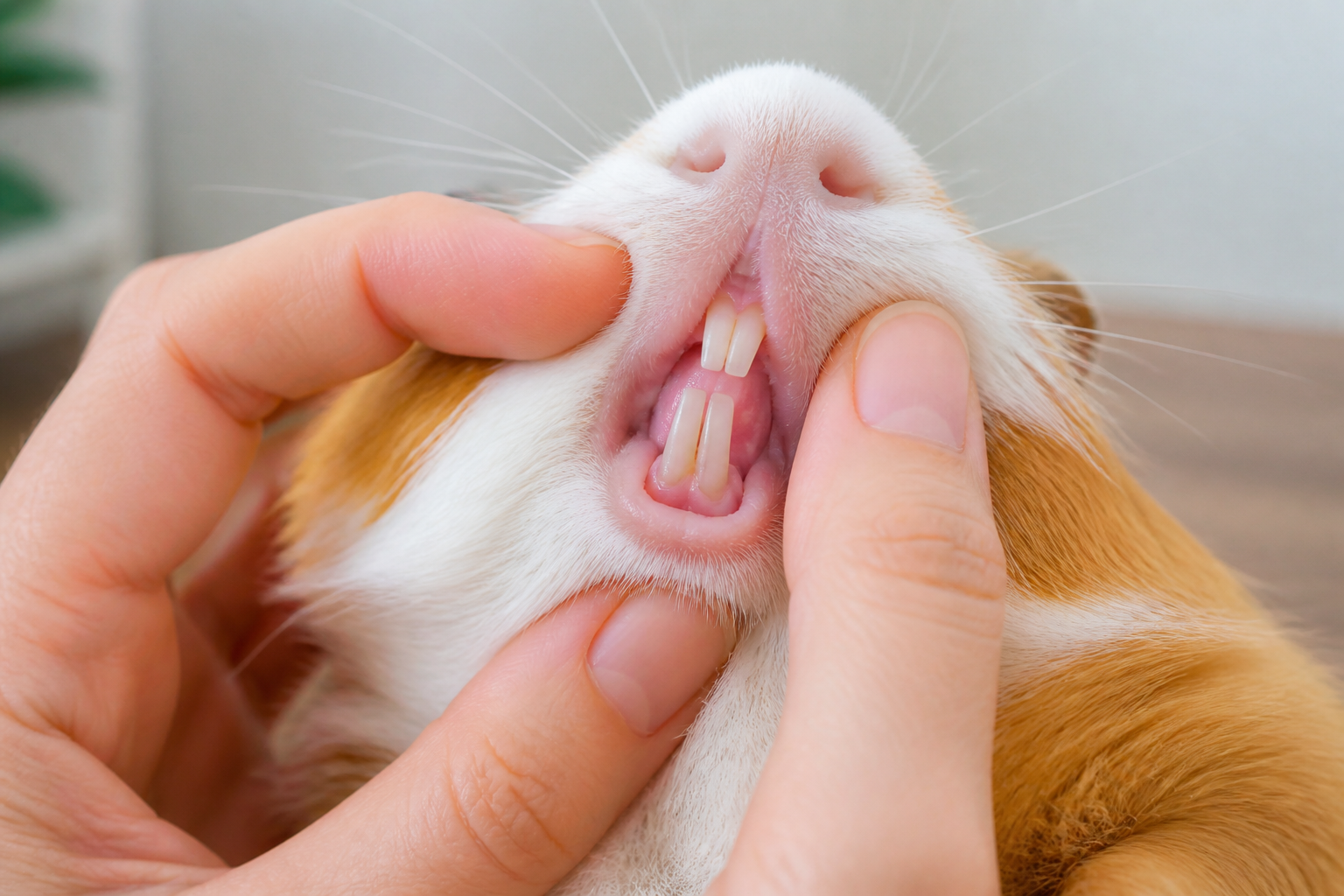
Guinea pig: quick incisor check
- Hold securely against your chest or on your lap with one hand supporting the chest and front legs.
- Gently part the lips. Guinea pig incisors are more visible than you might expect.
- Look for even wear. The top and bottom incisors should meet cleanly, with no twisting or crossing.
What “normal” usually looks like
- Even bite with no obvious overhang
- Smooth edges rather than sharp points
- Similar length left to right
- No blood, swelling, or discharge around the mouth
If you are unsure, take a clear photo from the front and compare week to week. Subtle changes are much easier to spot when you have a baseline.
One important limitation: a normal incisor check does not rule out painful cheek-tooth problems. Home checks are about noticing change, not confirming a clean bill of dental health.
Subtle signs of dental disease
Front teeth can look fine while the back teeth are overgrown, forming sharp points that cut the tongue or cheeks. That pain changes how a pet eats long before they stop eating completely.
Eating and drinking clues
- Taking a long time to finish salads or pellets
- Dropping food, chewing slowly, or chewing “funny” on one side
- Choosing soft foods and ignoring hay
- Picking up food then letting it fall repeatedly
- Changes in water intake either direction
Messy mouth and grooming changes
- Wet chin or chest (drooling, sometimes called “slobbers”)
- Food stuck to lips, chin, or front paws
- Less self-grooming, coat looks unkempt
- Facial sensitivity, flinching when touched near cheeks
Poop and weight changes (huge red flags)
- Smaller poops, fewer poops, or misshapen poops
- Sticky cecotropes in rabbits because normal eating patterns are disrupted
- Gradual weight loss, or sudden drop on the scale
Behavior changes
- Hiding more, sitting “puffed up,” seeming grumpy or withdrawn
- Loud, persistent teeth grinding, especially in rabbits (different from quiet, content tooth purring)
- Reduced interest in toys, chewing, or exploring
If you see a combination of these, it is vet time, even if your pet still runs over for treats. Especially for rabbits, appetite changes can quickly turn into a GI stasis emergency.
Encouraging tooth wear
The goal is steady, daily grinding. Think of dental care as a lifestyle, not a chew toy purchase.
1) Hay first, always
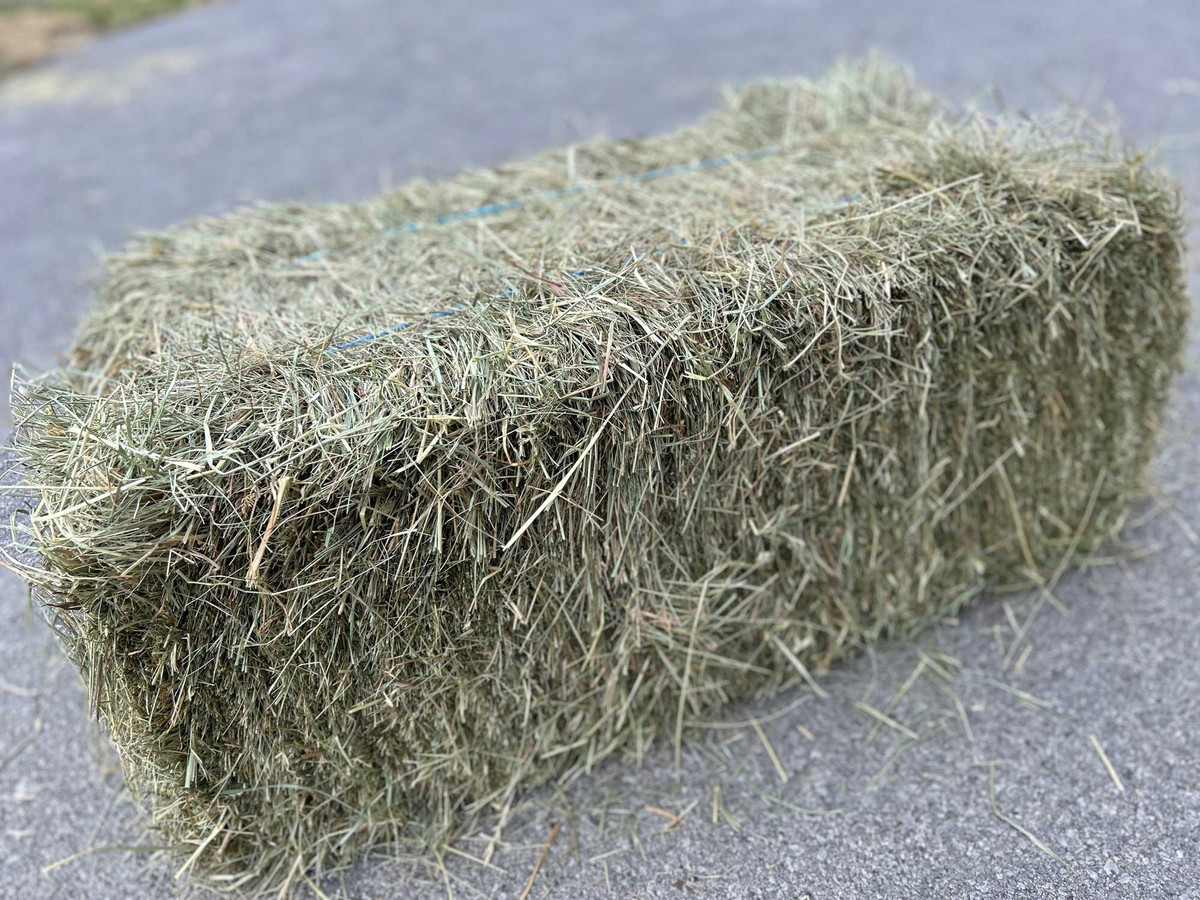
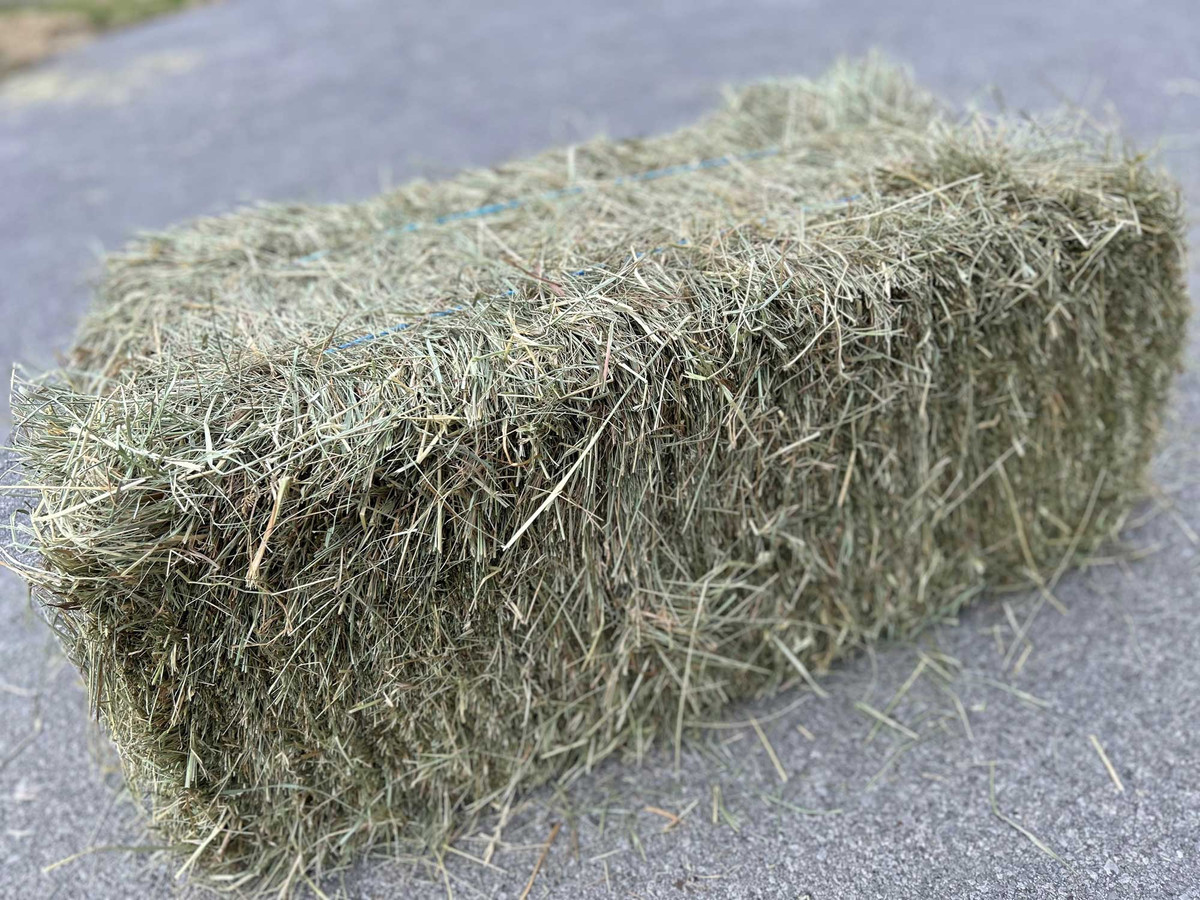
- Rabbits: offer unlimited grass hay (timothy, orchard, meadow). Alfalfa is for young, growing rabbits or specific medical cases under vet guidance.
- Guinea pigs: unlimited grass hay, plus daily vitamin C support through appropriate veggies and a quality guinea pig pellet.
If hay consumption is low, experiment with variety. Some pets go wild for orchard grass, meadow hay, or a softer second cut, while others prefer a coarser stemmy option. Offer hay in multiple spots: a big open pile, a rack, and a “foraging corner.”
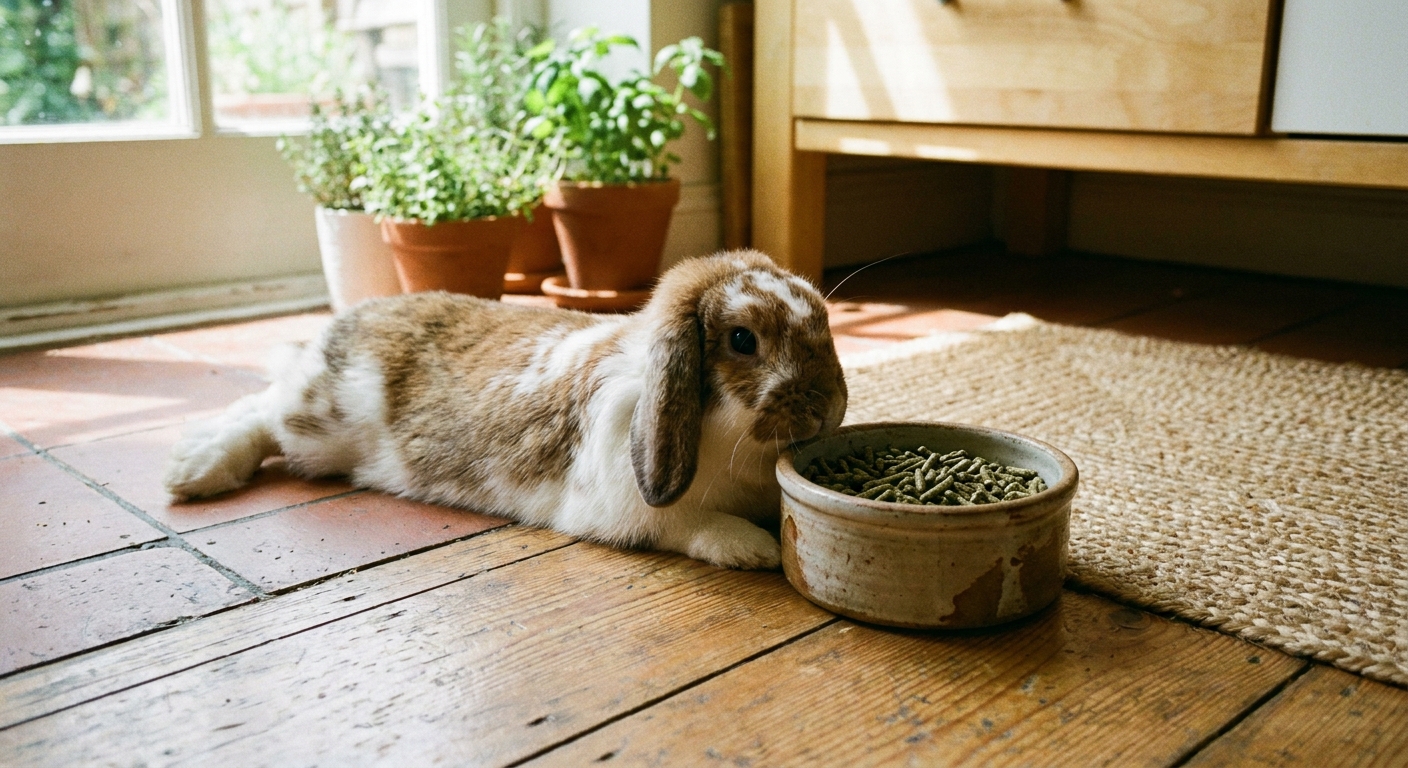
2) Use pellets strategically
Pellets are not the enemy, but too many can crowd out hay. Measure daily portions based on your vet’s guidance, your pet’s age, and body condition. If your rabbit or guinea pig is filling up on pellets, they are not getting enough long-grind chewing time.
3) Add chew-safe enrichment
- Untreated apple branches, willow, or other species sold specifically for rabbits and guinea pigs
- Compressed hay cubes or hay-based gnaw toys (no seeds or sugary binders)
- Paper bags stuffed with hay for supervised shredding and foraging
- Cardboard tunnels and boxes for ripping (remove tape and glossy inks)
A quick safety note from years of fostering: skip mineral licks and “salt wheels.” They are unnecessary for most rabbits and guinea pigs, and depending on the product and the pet, they can contribute to excessive sodium intake and related health issues. If you are ever unsure, your exotics vet can tell you what is appropriate for your animal’s specific diet and medical history.
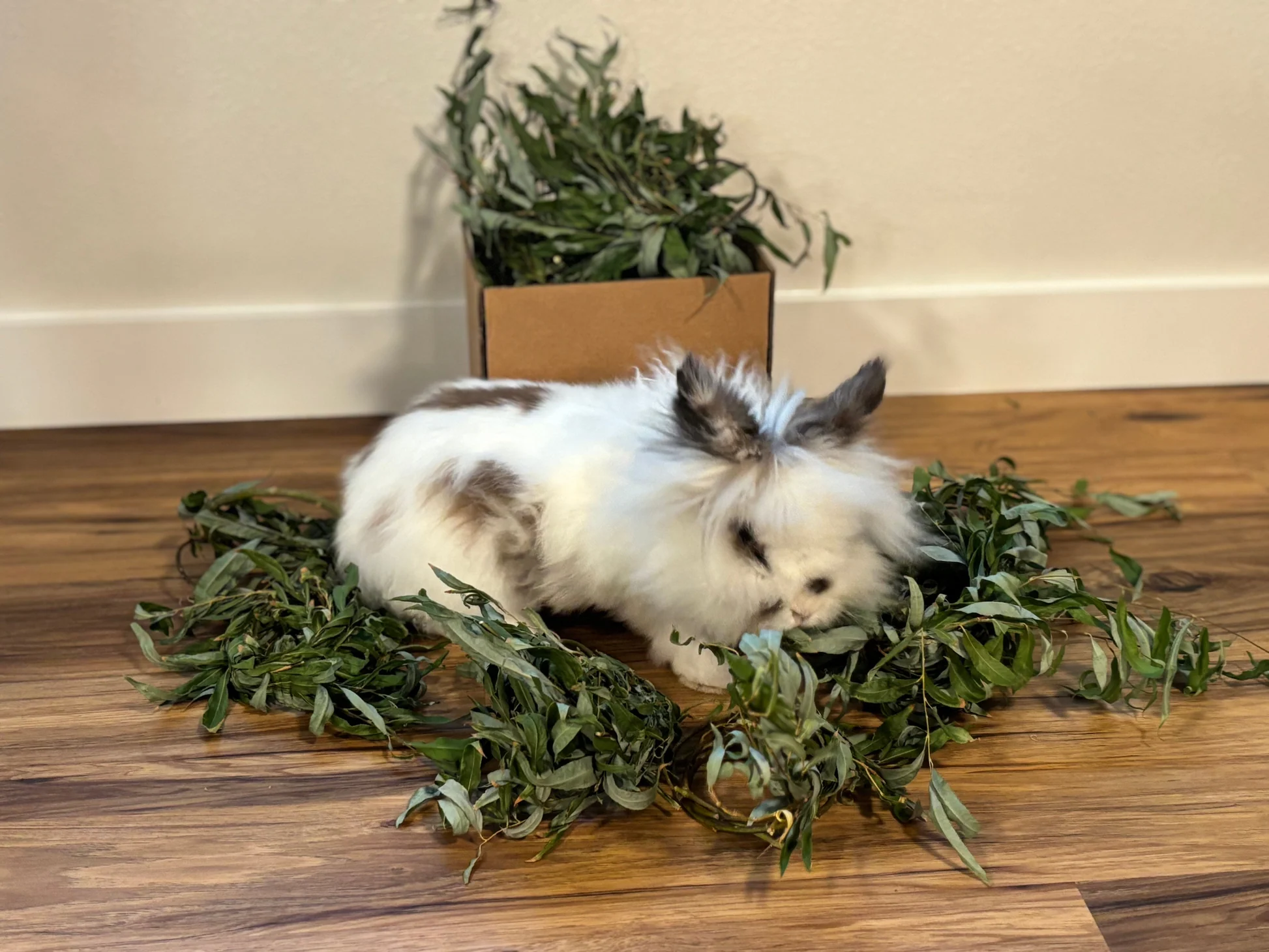
4) Serve greens so they have to work a bit
Leafy greens are wonderful, but they are not as wear-heavy as hay. You can still turn salad time into healthy chewing and movement.
- Offer long romaine leaves whole instead of chopped
- Tuck herbs into hay so they have to forage
- Use a small plate or scatter-feed to encourage natural grazing
Common dental problems
Malocclusion (misaligned bite)
This is when teeth do not meet correctly, so they overgrow. It can be genetic, injury-related, or secondary to chronic changes in the jaw.
- Incisors look too long, angled, or uneven
- Difficulty grasping food
- Dropping food or refusing hay
Molar spurs and overgrowth
Sharp points can form on cheek teeth, cutting the tongue or cheeks. You may not see anything from the front.
- Drooling, wet chin
- Selective eating, slow chewing
- Weight loss
Abscesses and root issues
Especially in rabbits, dental roots can become problematic. Abscesses may show as swelling along the jaw or under the eye, and they need prompt veterinary care.
- Facial swelling or lumps
- Eye discharge on one side
- Sudden pain, refusing food
Any swelling of the face, jaw, or around the eye is urgent. Do not wait for your next routine appointment.
When to see an exotics vet
Home checks are for noticing changes, not fixing them. Please do not clip incisors at home. Clippers can crack the tooth, split it up into the root, and create a painful infection risk. Proper correction should be done by an experienced exotics veterinarian using the right tools and techniques.
Make an appointment soon if you notice
- Incisors that are visibly overgrown, crossing, or misaligned
- Drooling, wet chin, or consistently messy mouth
- Reduced hay intake for more than a day
- Food dropping, one-sided chewing, or refusal of harder foods
- Any weight loss, even if appetite seems “okay” otherwise
Seek urgent care if
- Your rabbit or guinea pig stops eating or pooping normally
- You see blood from the mouth
- There is facial swelling, head tilt, or severe lethargy
What the vet may do
A proper dental workup often includes an oral exam with specialized tools to view the cheek teeth. Many pets need light sedation for a thorough, safe look at the back teeth. If overgrowth or spurs are present, vets typically correct them by burring (filing) rather than clipping. If root disease or an abscess is suspected, imaging such as skull X-rays or CT may be recommended. Dental disease can recur, so follow-up plans are common, especially for pets with a history of malocclusion or chronic cheek-tooth issues.
A dental routine you can stick to
- Daily: Confirm hay is being eaten. Do a quick chin check for wetness. Notice poop size and quantity.
- Weekly: Weigh your pet (kitchen scale for guinea pigs, baby scale for rabbits). Do a 15-second incisor look. Remember: you cannot reliably assess the cheek teeth at home.
- Monthly: Review your photos and weights. Ask yourself: is hay intake steady, or slowly slipping?
- At least yearly: Wellness exam with an exotics vet, sooner for seniors and any pet with dental history or ongoing symptoms.
If you foster or have a pet with recurring dental issues, I strongly recommend keeping a note in your phone with weights, diet tweaks, and any changes in chewing. Patterns appear faster than you think.
FAQ
Can hay alone prevent dental disease?
Hay is the biggest protective factor we can control, but it cannot prevent everything. Genetics, jaw shape, past injuries, and chronic conditions can still cause malocclusion or root problems. Hay gives teeth the best chance to wear correctly and helps you notice issues earlier because eating behavior stays more consistent.
My pet’s incisors look perfect. Does that mean the molars are fine?
Not necessarily. Many painful cheek-tooth problems happen with normal-looking incisors. If you see drooling, slow chewing, weight loss, or reduced hay interest, a vet needs to examine the cheek teeth.
Do chew toys fix overgrown teeth?
Chew-safe toys can help with boredom and add some wear, but they are not a fix for malocclusion or molar spurs. Think of chews as a supplement to hay, not a replacement.
How fast can dental trouble become serious?
Faster than most people expect. Rabbits and guinea pigs rely on constant food intake to keep the gut moving. Pain leads to less chewing, less fiber intake, and then digestive slowdown. If appetite or poop output changes, treat it as time-sensitive.