A practical, rescue-tested guide to choosing hay for rabbits and guinea pigs by age, weight, and health, plus shopping tips and common mistakes to avoid.
Rabbit Cove
Recognizing GI Stasis in Rabbits and Guinea Pigs
GI stasis is a true emergency in rabbits and guinea pigs. Learn the early warning signs, what to do in the first hour, what not to do, and how vets diagnose and treat it.

Chloe Miller
Chloe Miller is a dedicated small-pet enthusiast and experienced foster parent who has spent over a decade caring for rabbits and guinea pigs. Through her hands-on work with local animal rescues, she shares practical, compassionate advice on housing, nutrition, and daily enrichment to help small pets thrive. When she isn't designing custom indoor enclosures, Chloe can be found coaxing shy rescues out of their shells with fresh cilantro.
Published
October 22, 2026
Updated
October 22, 2026
GI stasis (gastrointestinal stasis) is one of those phrases that makes experienced rabbit and guinea pig people go quiet, fast. It is not “a tummy ache.” It is a dangerous slowdown or shutdown of the gut that can spiral into dehydration, severe pain, shock, and death.
The tricky part is that the earliest signs are often small. A pet who is “just being picky” at breakfast. A few fewer poops. A rabbit sitting a little hunched in the corner. With prey animals, subtle is the whole point.
This guide will help you recognize GI stasis early and take smart, immediate action while you arrange care with an experienced exotics veterinarian.
What it is (and why it escalates)
In healthy rabbits and guinea pigs, the gut is always moving. Fiber from hay keeps things pushing along, beneficial bacteria help ferment food, and hydration helps keep contents moving smoothly. When something disrupts this process, motility can slow. Once it slows, appetite often drops. When they eat less, the gut slows more. Dehydration can contribute to drier GI contents, and pain rises. That feedback loop is why stasis is treated as urgent.
Common triggers include:
- Pain (dental disease, urinary stones, arthritis, injury)
- Stress (new home, predator scent, extreme noise, bonding stress, illness in a bonded partner)
- Diet issues (too many pellets or treats, sudden food change, not enough hay)
- Dehydration
- Underlying illness (infection, organ disease)
- True blockage (a major concern in rabbits, and always a rule-out when symptoms are severe)
Important nuance: people often call anything “stasis,” but vets separate ileus (stasis) from a mechanical obstruction (blockage). At home, you cannot reliably tell which is which, and the wrong choice can be deadly. When in doubt, treat this as urgent and get imaging.
Also worth saying plainly: in rabbits and guinea pigs, “stasis” is often secondary to something else. Dental pain, urinary disease, infection, heat stress, or chronic issues can be the real driver. Restarting motility helps, but long-term success usually depends on finding and treating the cause.
Early warning signs
If you only remember one thing: a rabbit or guinea pig who is eating noticeably less than normal needs same-day contact with an exotics vet. These animals are built to eat frequently. “Skipping a meal” is not a normal behavior pattern for most individuals.
In rabbits
- Reduced appetite, especially refusing favorite greens or treats
- Marked decrease in poop output, or smaller, drier, irregular droppings
- No poop when paired with reduced eating, pain, or lethargy
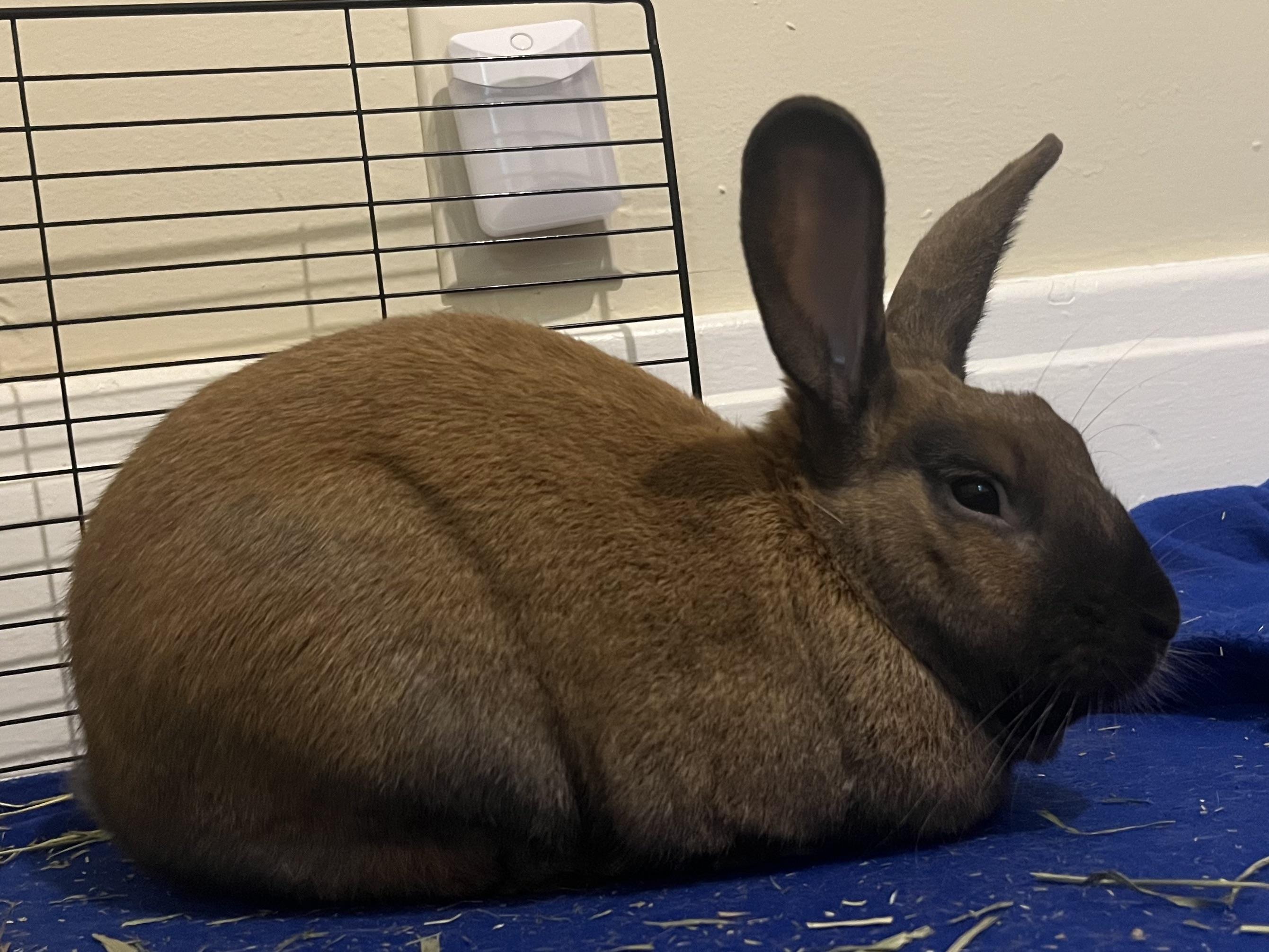
- Hunched posture, pressing belly to the floor, or sitting “meatloaf” and unwilling to move
- Teeth grinding (soft purring can be contentment, but loud grinding is often pain)
- Less interest in water or signs of dehydration
- Low energy, hiding, seeming “quiet”
- Cool ears or paws (late sign, can indicate shock)
In guinea pigs
- Eating less or stopping, even if they still show interest in food
- Fewer poops or smaller, drier droppings
- Abdominal swelling or a tight belly (gas and bloat can become dangerous quickly)
- Reluctance to move, puffed-up coat, painful expression
- Weight loss (often the earliest measurable sign)
- Quieter than normal in a usually chatty pig
My foster-home rule: if you are wondering “are they eating enough?” the answer is usually “no.” Start monitoring immediately and call your vet.
Red flags: go now
These signs warrant same-day emergency care, not “let’s see how they do overnight.”
- Not eating at all, or refusing even favorites
- No poop output combined with lethargy or pain
- Visible abdominal swelling or a drum-tight belly (especially in guinea pigs)
- Severe lethargy, collapse, or inability to stay upright
- Labored breathing
- Very cold ears/feet, pale gums, or signs of shock
- Continuous loud tooth grinding or obvious distress
- Repeated unproductive straining (can also be urinary obstruction)
Guinea pig note: owners often use “bloat” casually, but true acute gastric tympany can look like a rapidly enlarging, tight abdomen with severe pain and fast decline. That is an emergency.
If you do not already have an exotics vet, start calling immediately and be specific: “My rabbit is not eating and has reduced or no fecal output. I’m concerned about GI stasis or obstruction.” That wording matters because it signals a higher risk problem that may require rapid assessment, pain control, fluids, and imaging.
What to do in the first hour
Your goal is to stabilize, observe, and get professional care fast. Home care supports the body, but it does not replace diagnostics and pain control.
1) Warmth and calm
- Move your pet to a quiet space away from other animals and household chaos.
- Keep them comfortably warm. Offer a wrapped warm water bottle or a heating pad on low under half the enclosure so they can move away if they get hot.
- Aim for warm to the touch, not hot. Always allow an escape from the heat source.
2) Check basics: eating, drinking, pooping, peeing
- Remove old or soiled food, then immediately re-offer fresh hay and fresh water. Do not intentionally fast them unless a veterinarian tells you to.
- Offer a small plate of wet leafy greens (for rabbits) or fresh grass hay and their normal veggies (for guinea pigs) if they will take it.
- Track poop output over the next hour and note size and texture.
- Confirm they are urinating. Pain from urinary issues can mimic stasis.
3) Encourage hydration safely
- Offer both a bottle and a bowl if you have them.
- If your pet will lick water from a syringe voluntarily, you can offer tiny amounts at a time, slowly, allowing swallowing. Never force.
4) Consider recovery feeding only when appropriate
Assist-feeding can be life-saving, but it can also be dangerous if there is a blockage. In general:
- If your rabbit or guinea pig is still passing some stool, acting painful but not severely bloated, and your vet cannot see you immediately, a small amount of a herbivore recovery formula (like Critical Care) may help support calories.
- If there is no stool, significant bloat, repeated worsening pain, or your pet is rapidly declining, do not force-feed. Prioritize emergency care and imaging.
If you have been shown how to syringe-feed by your exotics vet or rescue mentor, follow those instructions. Aim for slow, small amounts and stop if your pet struggles, coughs, or appears distressed.
5) Talk to a vet about pain relief
Pain is a major driver of stasis. The most effective early intervention often includes appropriate pain medication prescribed by a veterinarian (meloxicam is commonly used, but dosing varies widely by species, weight, and health status). Do not guess a dose, do not use human painkillers, and do not assume leftover medication is safe. Your vet may need to consider hydration status and kidney or GI risk before advising any NSAID.
What not to do
- Do not wait a full day “to see if they feel better.” Early intervention matters.
- Do not give human medications (including Pepto-Bismol, Tylenol, ibuprofen, or random antacids).
- Do not force-feed a severely bloated pet or one with suspected obstruction.
- Do not do aggressive belly massage. Gentle, supportive handling is fine, but vigorous massage can worsen pain and stress.
- Do not rely on gas drops as the whole plan. Simethicone is widely used for suspected gas discomfort, but evidence is limited and it does not treat the underlying cause or replace vet care. If you use it, use it as a short bridge while you contact a veterinarian, not as a reason to delay.
- Do not send them alone “to rest” without monitoring. Quiet prey animals can crash quickly.
What your vet will do
Exotics vets typically approach suspected stasis with two big goals: rule out obstruction and restart gut function safely, while also hunting for the underlying cause.
Diagnostics
- Physical exam (hydration, abdominal palpation, temperature)
- Weight check and body condition
- Dental exam (a huge hidden cause, especially in guinea pigs)
- X-rays to check for obstruction, gas patterns, and stomach size
- Bloodwork if severe, recurrent, or systemic illness is suspected
Treatment
- Pain control (crucial)
- Fluids (subcutaneous or IV depending on severity)
- Motility medications if appropriate and obstruction is ruled out
- Assist-feeding plan and calorie targets
- Gut-support meds in specific cases, and sometimes antibiotics if an infection is suspected
- Oxygen and warming support if in shock
If your vet suspects a blockage, treatment decisions change. That is why imaging matters before you push food aggressively.
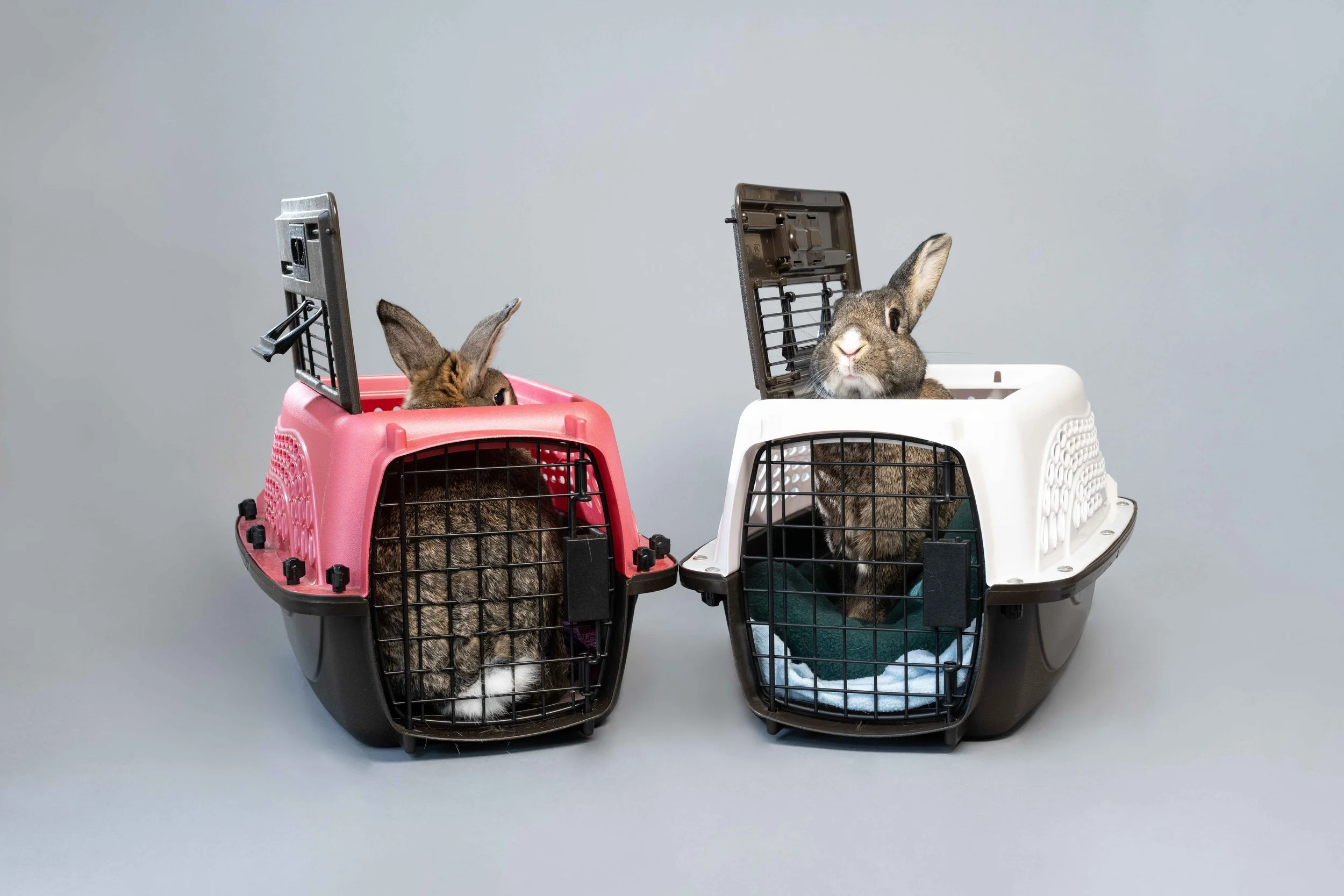
What to bring and tell the vet
- When you last saw them eat normally
- When you last saw normal poop (bring a photo if you can)
- Any recent diet change, stressor, travel, bonding attempt, or new pet in the home
- What they usually eat (hay type, pellet brand, veggies, treats)
- Any meds or supplements already given, with dose and time
- A short video of posture, breathing, or behavior if it shows the problem
After the vet visit
Once you are home with a plan, your superpower is observation. Keep notes. In foster care, I literally write this on a notepad next to the enclosure because sleep-deprived humans forget everything.
Track every few hours
- Food intake: hay, pellets, greens
- Water intake: bowl and/or bottle
- Poops: number, size, moisture, normal vs tiny
- Urine: frequency, straining, any blood
- Energy and posture: moving normally, stretching, hiding
- Weight: daily for rabbits, daily or twice daily for guinea pigs during recovery
Supportive care basics
- Keep them warm and stress-free.
- Offer unlimited fresh hay unless your veterinarian instructs otherwise.
- Offer wet greens (for hydration) if allowed by your vet and tolerated.
- Give all medications exactly as prescribed, on schedule.
Prevention basics
You cannot prevent every case, but you can reduce risk dramatically.
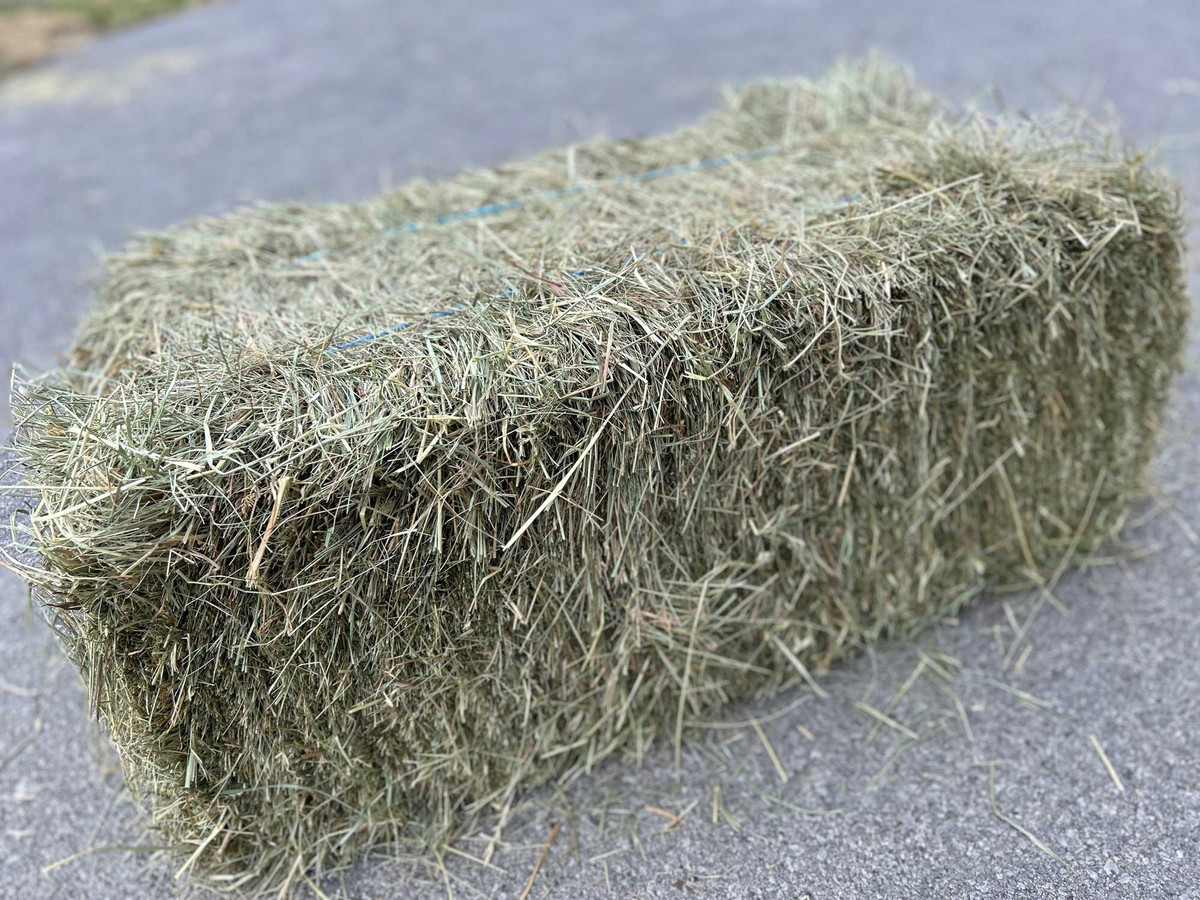
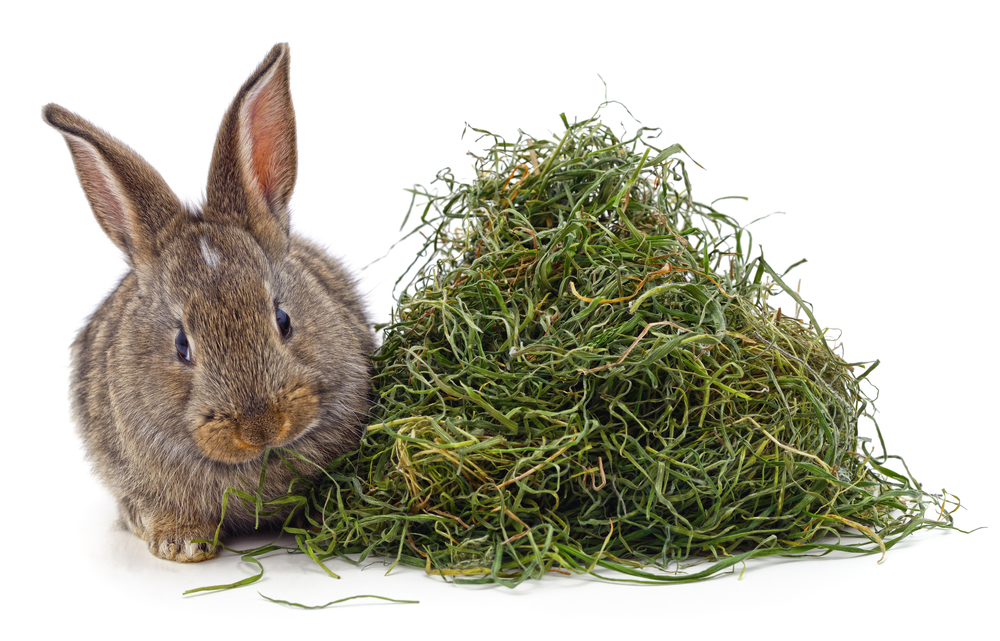
- Hay first, always: unlimited grass hay (timothy, orchard, meadow). For adult guinea pigs, consistent hay is non-negotiable.
- Measure pellets: pellets are a supplement, not the main course.
- Consistent routines: sudden diet changes and stressful disruptions can tip sensitive animals over the edge.
- Daily movement: safe floor time and space to roam support motility.
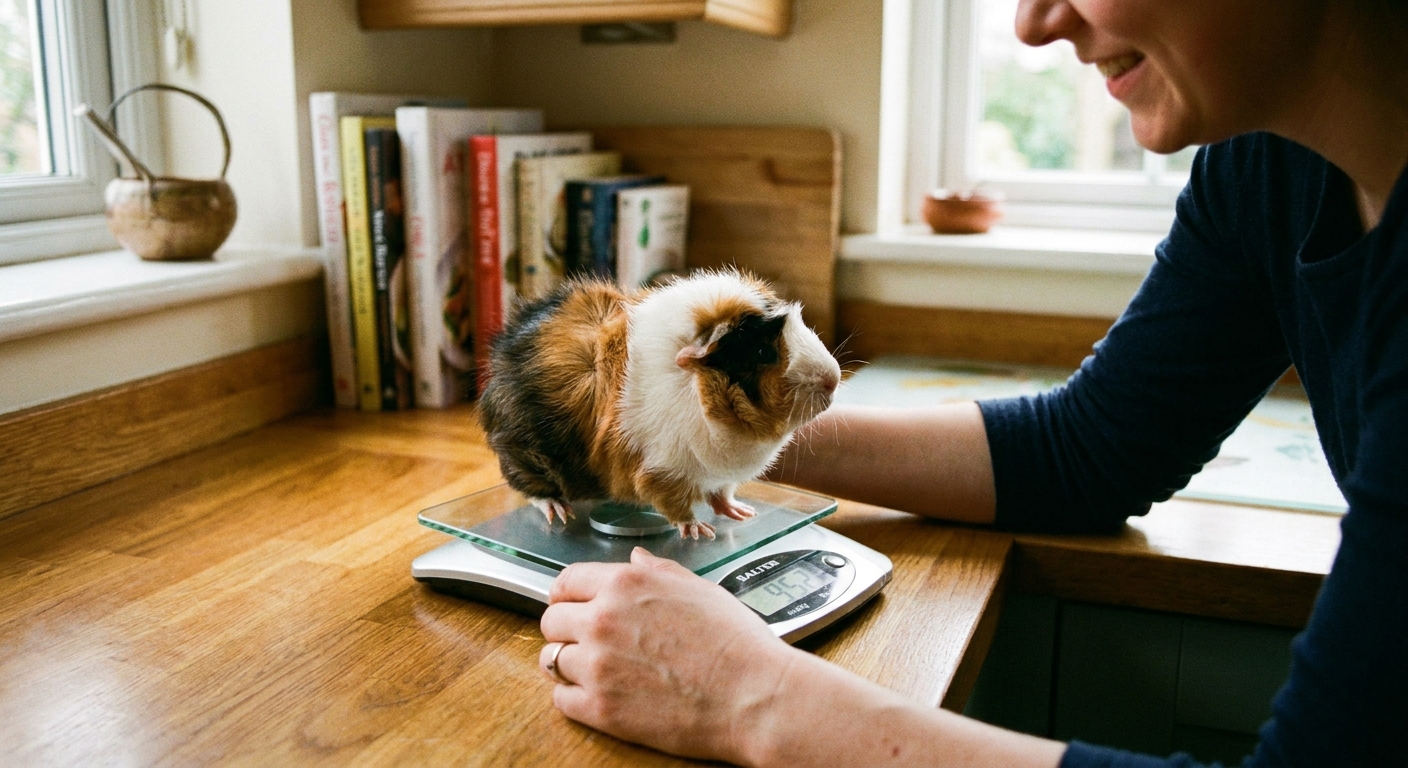
- Weigh weekly: a small digital kitchen scale is one of the best health tools you can own, especially for guinea pigs.
- Dental checks: uneven wear and hidden spurs are common, and dental pain is a stasis trigger.
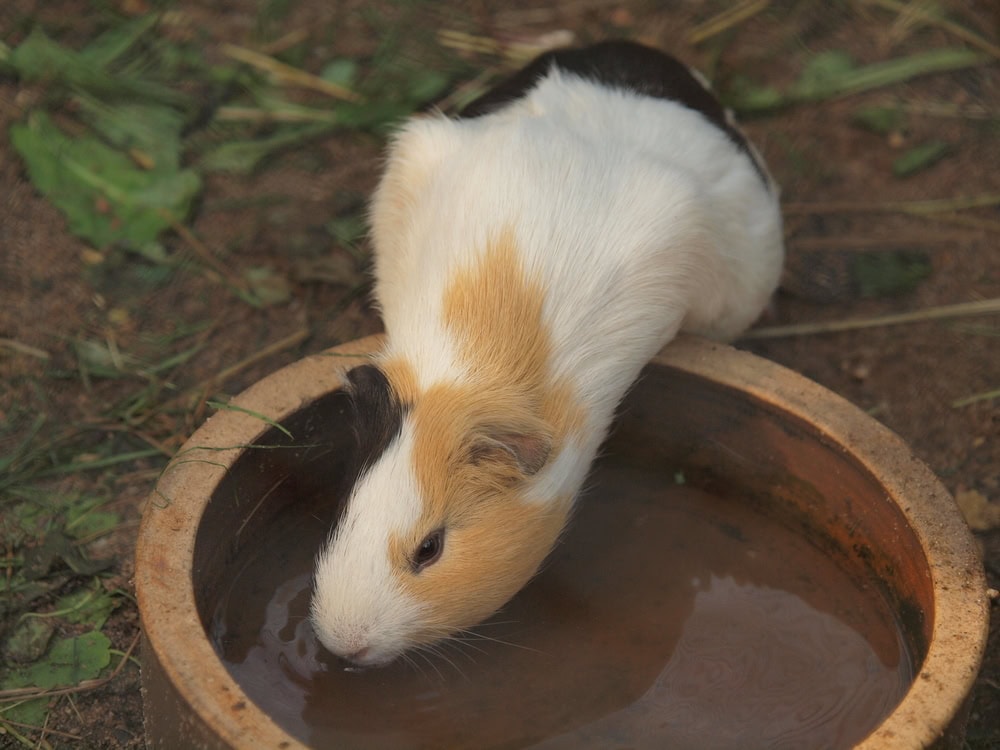
- Hydration access: many pets drink more from a bowl than a bottle. You can offer both.
GI stasis FAQ
How fast can GI stasis become fatal?
It can become critical within hours, especially if the pet stops eating completely, becomes dehydrated, or has an obstruction or severe bloat. Do not measure urgency in days. Measure it in hours.
Is GI stasis the same as gas?
Gas can be part of the picture, but GI stasis is broader: slowed motility, pain, dehydration, appetite loss, and disrupted fermentation. Treating “just gas” at home can waste precious time if the underlying issue is dental pain, infection, obstruction, urinary disease, or severe ileus.
My rabbit is still nibbling a little. Can it still be stasis?
Yes. Many rabbits eat a tiny amount and still have significant gut slowdown. The poop output and posture often tell the story first.
My guinea pig is taking treats but not hay. Is that urgent?
Yes. Guinea pigs need constant fiber intake. Selective eating often means pain (commonly dental) or early gut trouble. Weigh them and call an exotics vet.
Should I switch foods during recovery?
No sudden changes. Recovery is not the time to introduce new greens, new pellets, or new treats. Follow your vet’s plan, keep hay abundant, and keep everything as consistent as possible.
When in doubt, call
I have fostered enough “quiet” rabbits and “slightly off” guinea pigs to know this truth: your gut feeling matters. If something is off, act early. Take a quick video of posture or breathing, snap a photo of the poops, write down the last time you saw them eat, and call your exotics vet or emergency hospital.
The best outcome with GI stasis usually looks boring in hindsight: you caught it early, you got pain relief and fluids on board, and your pet started producing normal poops again. Boring is the goal.