A practical, welfare-first comparison of fleece liners and paper bedding for rabbits and guinea pigs, including cost, odor control, maintenance, and health c...
Rabbit Cove
Cage Size Requirements for Rabbits and Guinea Pigs
Humane minimum and ideal cage sizes for rabbits and guinea pigs, plus practical layout ideas that fit real homes, with measurements in feet and square footage.

Chloe Miller
Chloe Miller is a dedicated small-pet enthusiast and experienced foster parent who has spent over a decade caring for rabbits and guinea pigs. Through her hands-on work with local animal rescues, she shares practical, compassionate advice on housing, nutrition, and daily enrichment to help small pets thrive. When she isn't designing custom indoor enclosures, Chloe can be found coaxing shy rescues out of their shells with fresh cilantro.
Published
October 22, 2026
Updated
October 22, 2026
If you have ever stood in a pet store aisle staring at “starter homes” that look like lunchboxes, you are not alone. Rabbits and guinea pigs are ground-dwelling herbivores built to move, graze, and sprawl. Cage size is not about luxury. It is basic health, muscle tone, joint comfort, litter habits, and sanity for both of you.
This guide gives you the minimums I am comfortable calling humane, plus the ideal targets I aim for when I set up fosters. I will also show you room-friendly layouts so you can get more usable space without turning your living room into a barn.
Quick definition: when I say “cage,” I mean the primary enclosure or habitat where your pet lives day to day. For rabbits, that is usually a pen. For guinea pigs, it is usually a large single-level enclosure like a C&C setup.
How I set these numbers
You will see different minimums depending on the organization, country, and whether they assume daily free-roam. My numbers are welfare-forward, based on what consistently works in real homes and aligns with modern guidance that emphasizes continuous floor space, solid footing, and daily exercise. If you want official references to compare, start with the House Rabbit Society, Rabbit Welfare Association & Fund (UK), RSPCA rabbit housing guidance, and Guinea Lynx C&C sizing recommendations.
Quick rule: floor space beats height
For rabbits and guinea pigs, the most important number is continuous floor area. Tall cages with ramps look impressive, but they do not replace a real footprint. Ramps can be fun enrichment, yet the main level still needs to meet the minimum.
- Measure the usable floor, not the outer frame. If a corner is blocked by a giant house, that space is functionally gone.
- Continuous is best. Two small levels do not reliably equal one big level for comfort, zoomies, and safe handling.
- Bigger animals need more. Giant breeds, larger individuals, seniors, and any pet with arthritis benefit from extra space.
Rabbit cage size (minimum and ideal)
Most indoor pet rabbits do best with a pen or x-pen setup rather than a traditional “cage.” Think of the pen as their apartment, and the rest of the home as supervised or free-roam time.
Minimum for one rabbit
- Minimum enclosure footprint: 16 sq ft (example: 4 ft x 4 ft)
- Minimum height: 30 to 36 inches (most adult rabbits can clear short fencing when motivated)
- Daily exercise outside the enclosure: aim for 4+ hours in a rabbit-safe space, more if you can
This minimum assumes your rabbit gets real out-of-pen time most days. If your schedule is unpredictable, plan bigger so the enclosure can carry more of their movement needs.
Ideal for one rabbit
- Target footprint: 24 to 32 sq ft (examples: 4 ft x 6 ft or 4 ft x 8 ft)
- Better if: your rabbit is large, young and energetic, or you are still building a free-roam routine
Bonded pair rabbits
- Minimum footprint: 24 sq ft (example: 4 ft x 6 ft)
- Ideal footprint: 32+ sq ft (example: 4 ft x 8 ft or larger)
Pairs need more than “double the stuff.” They need room to avoid each other during grumpy moments, to flop without being stepped on, and to keep the litter box area from turning into a traffic jam.
Unspayed or unneutered rabbits
If your rabbit is not fixed yet, expect more territorial behavior, mess, and inconsistent litter habits. You can still house them humanely, but you may need a little more space and a more structured layout until hormones are out of the picture.
What about a hutch or 2-story cage?
If your setup is a hutch-style cage, treat it as a base and attach it to a pen. Most commercial hutches and “rabbit condos” fall short for most rabbits because the footprint is small and the doors make cleaning and handling awkward. If you already own one, repurpose it as a hideout, hay station, or storage table next to a proper pen.
Guinea pig cage size (minimum and ideal)
Guinea pigs are happiest when they can do their little popcorn hops, run laps, and still have personal space. Over the years, the most common behavior change I see after an upgrade is this: the shy pig becomes the bold pig.
Two guinea pigs (the real starting point)
Guinea pigs are social animals and generally should not be housed alone unless there is a medical or behavioral reason and you have veterinary guidance. For most homes, sizing starts with a pair.
Breeding note: plan your pair or group intentionally. Same-sex pairs are common, and a neutered male with females can work well. Avoid accidental litters.
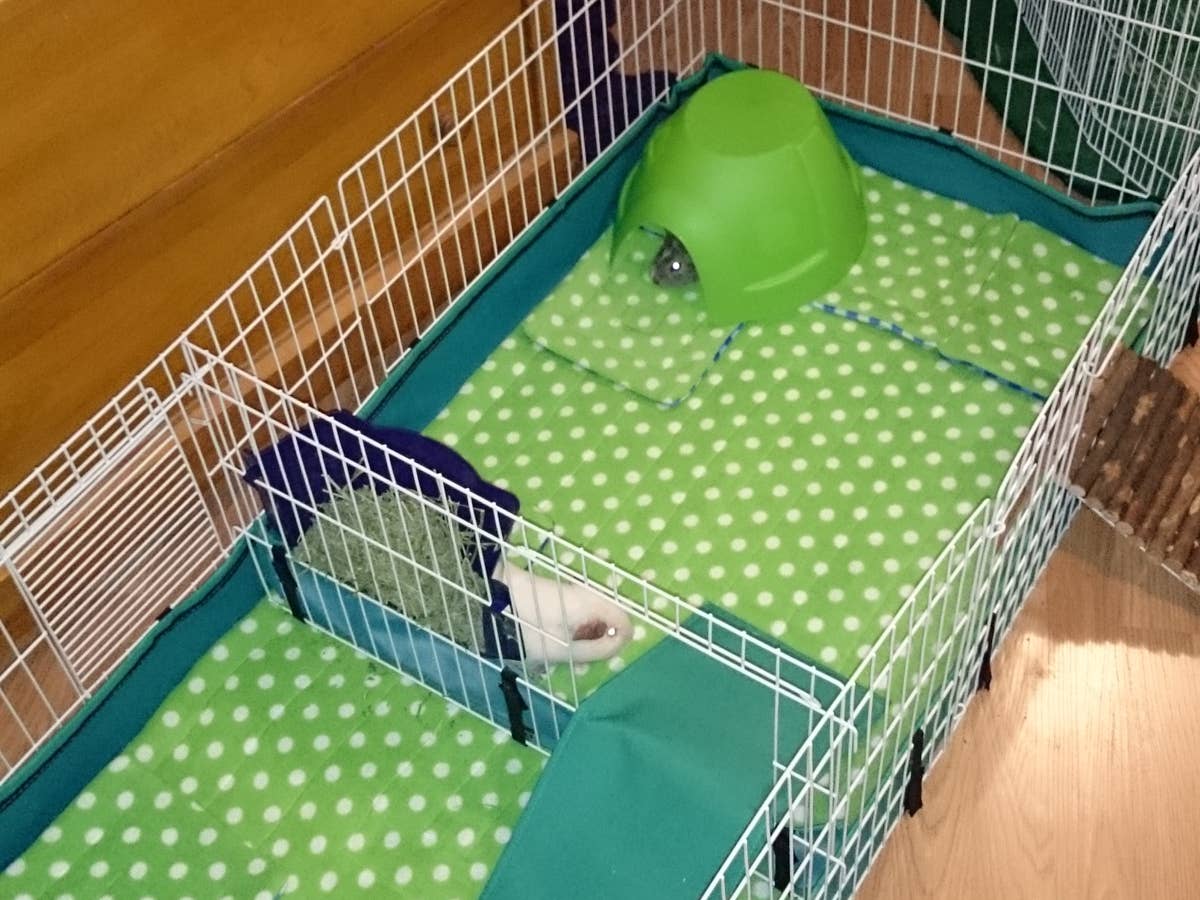
- Minimum footprint for 2 pigs: 10.5 sq ft (common C&C size: 2x4, roughly 30 in x 60 in)
- Ideal footprint for 2 pigs: 13 sq ft or more (common C&C size: 2x5)
Three guinea pigs
- Minimum footprint: 13 sq ft (common C&C size: 2x5)
- Ideal footprint: 16+ sq ft (common C&C size: 2x6)
Four guinea pigs
- Minimum footprint: 16 sq ft (common C&C size: 2x6)
- Ideal footprint: 20+ sq ft (common C&C size: 2x7 or bigger)
Boars note: Adult males often need more space than females to keep the peace. If you have boars, lean toward the ideal sizes, and keep at least two hideys with two exits.
Size cheatsheet
Here are practical footprints that fit in real rooms and meet the space goals above.
Rabbit footprints
- 4 ft x 4 ft = 16 sq ft (minimum for one rabbit)
- 4 ft x 6 ft = 24 sq ft (great for one, minimum for a pair)
- 4 ft x 8 ft = 32 sq ft (ideal for many pairs)
- 5 ft x 7 ft = 35 sq ft (excellent if you have the room)
Guinea pig C&C sizes (approximate)
- 2x4 = about 10.5 sq ft (minimum for 2)
- 2x5 = about 13 sq ft (ideal for 2, minimum for 3)
- 2x6 = about 16 sq ft (ideal for 3, minimum for 4)
- 2x7 = about 19 to 20 sq ft (luxury, and honestly wonderful)
Grid sizing can vary slightly by brand, so measure your finished inside footprint to be sure.
Layout ideas
The trick is to keep a “runway” open so your pet can travel across the enclosure without weaving through furniture like they are late for a meeting.
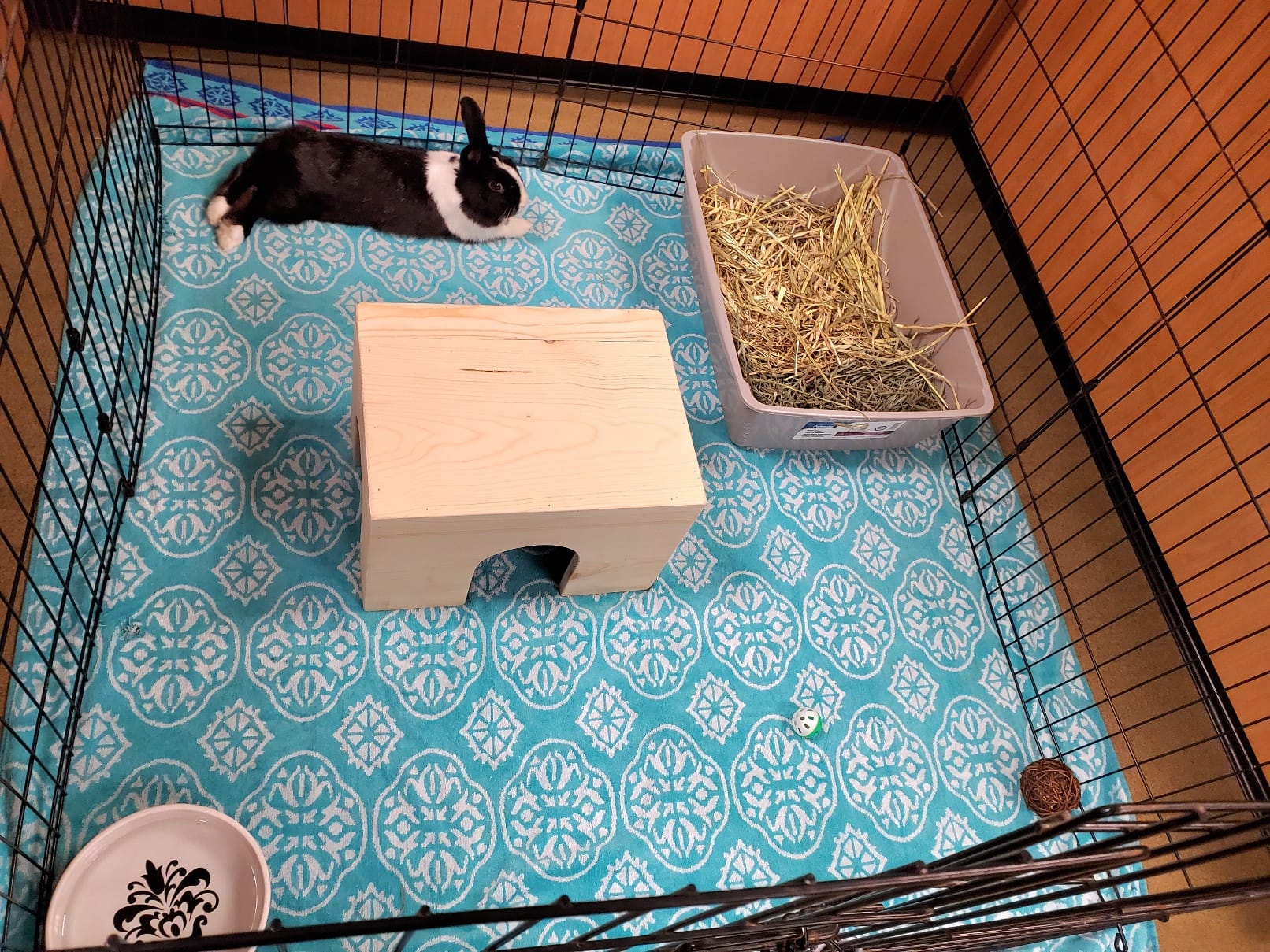
Rabbit layout: Litter, Lounge, Launch
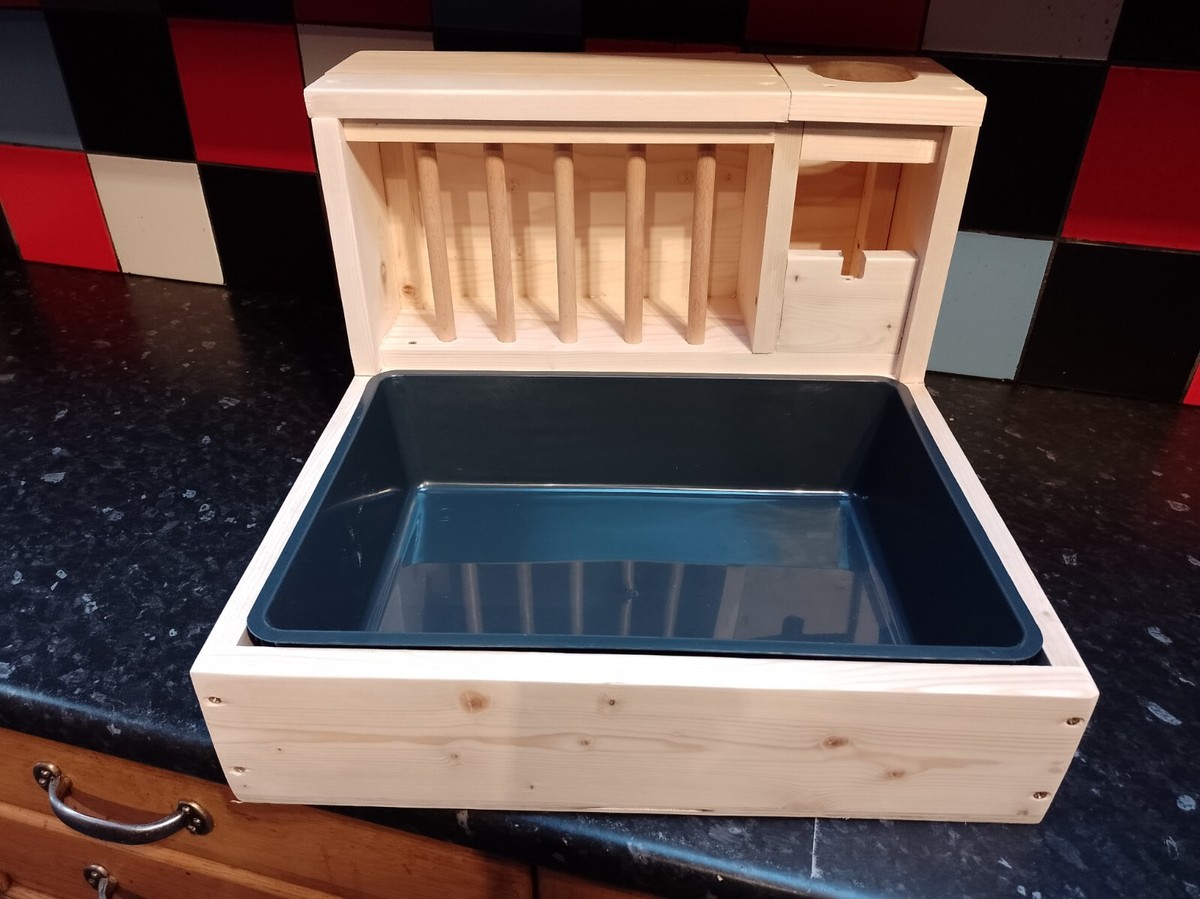
- Litter corner: large litter box with hay feeder or hay pile directly next to it
- Lounge zone: one roomy hide (or a low table) plus a washable rug for traction
- Launch strip: a clear path along one side for binkies and zooms
If you can, place the litter box in the corner your rabbit naturally chooses. They are very opinionated tenants.
Rabbit layout: a safe second level
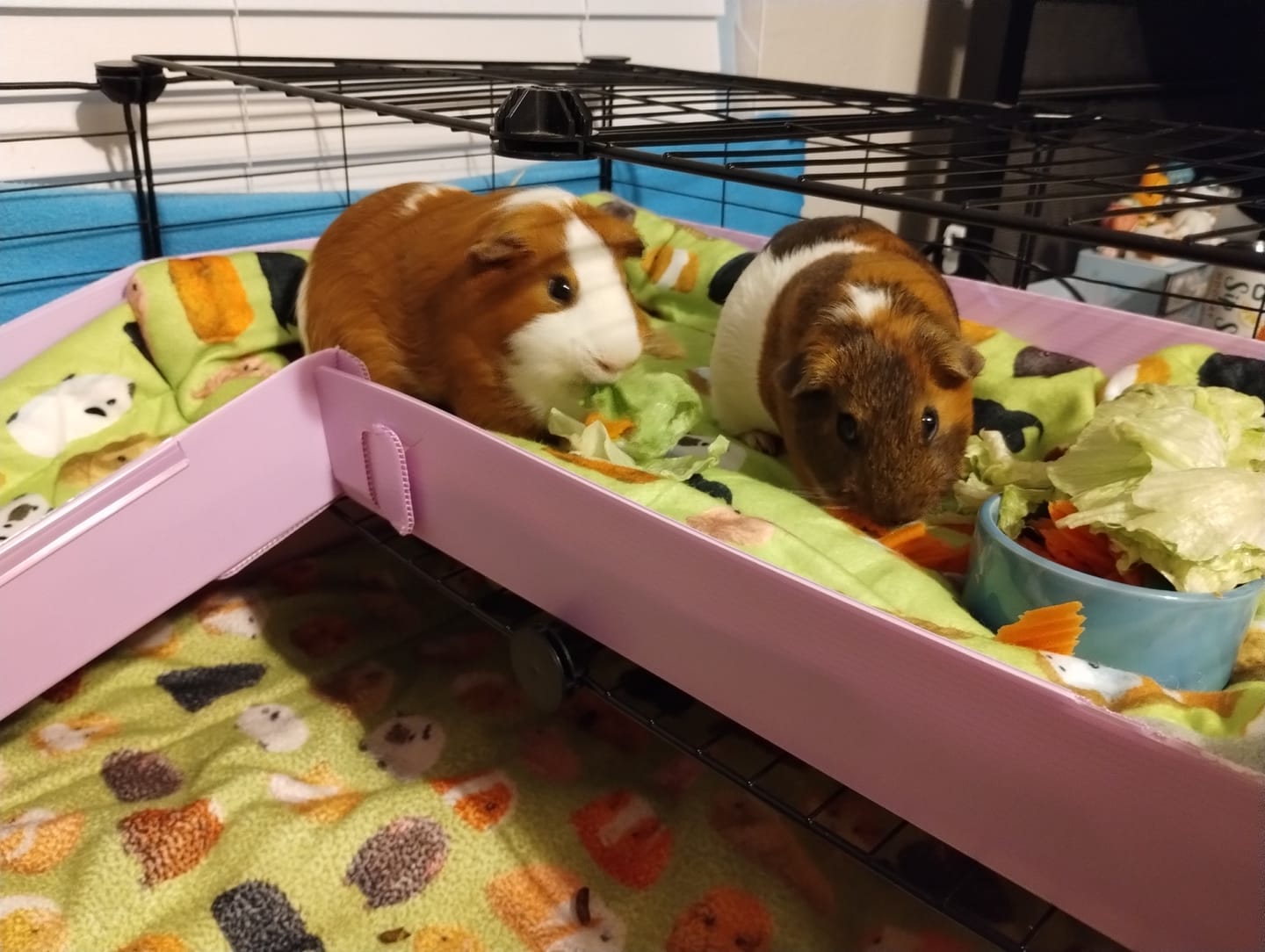
If you want more usable area without increasing the footprint, add a sturdy platform instead of a steep ramped cage. Think of a low, wide “loft” with good traction.
- Use a wide ramp with grip (carpet runner or rubber mat)
- Keep the platform low enough to prevent scary falls
- Do not count the platform as a replacement for minimum floor space
Guinea pig layout: edges clear, center runway
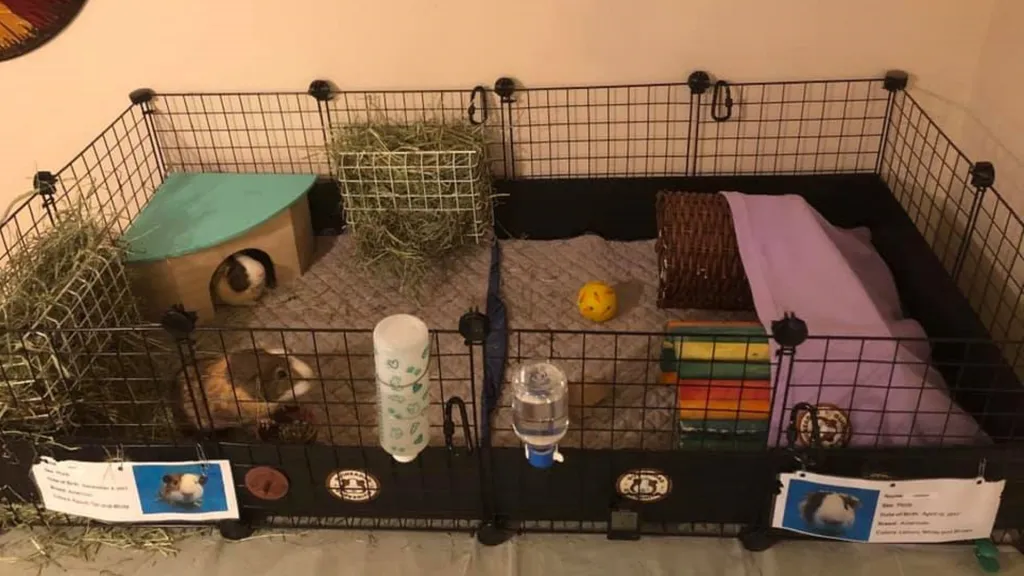
For guinea pigs, I like to push hides and kitchens to the edges, then leave the middle open for laps.
- Kitchen area: hay pile or hay box, water bottles, pellet dish, and a scatter of forage
- At least two hides: ideally with two exits to prevent cornering
- Long tunnel: along the back wall to encourage movement
In smaller minimum-size cages, this perimeter strategy prevents the whole enclosure from turning into one big clutter pile.
Fit a bigger habitat at home
Pick a shape that matches your room
- Long and narrow (like 2x6 for pigs) fits along a wall or behind a couch.
- Square (like 4x4 for rabbits) tucks nicely into a corner.
- Rectangle (like 4x6) often feels cleanest visually and gives the best runway.
Store supplies outside the enclosure
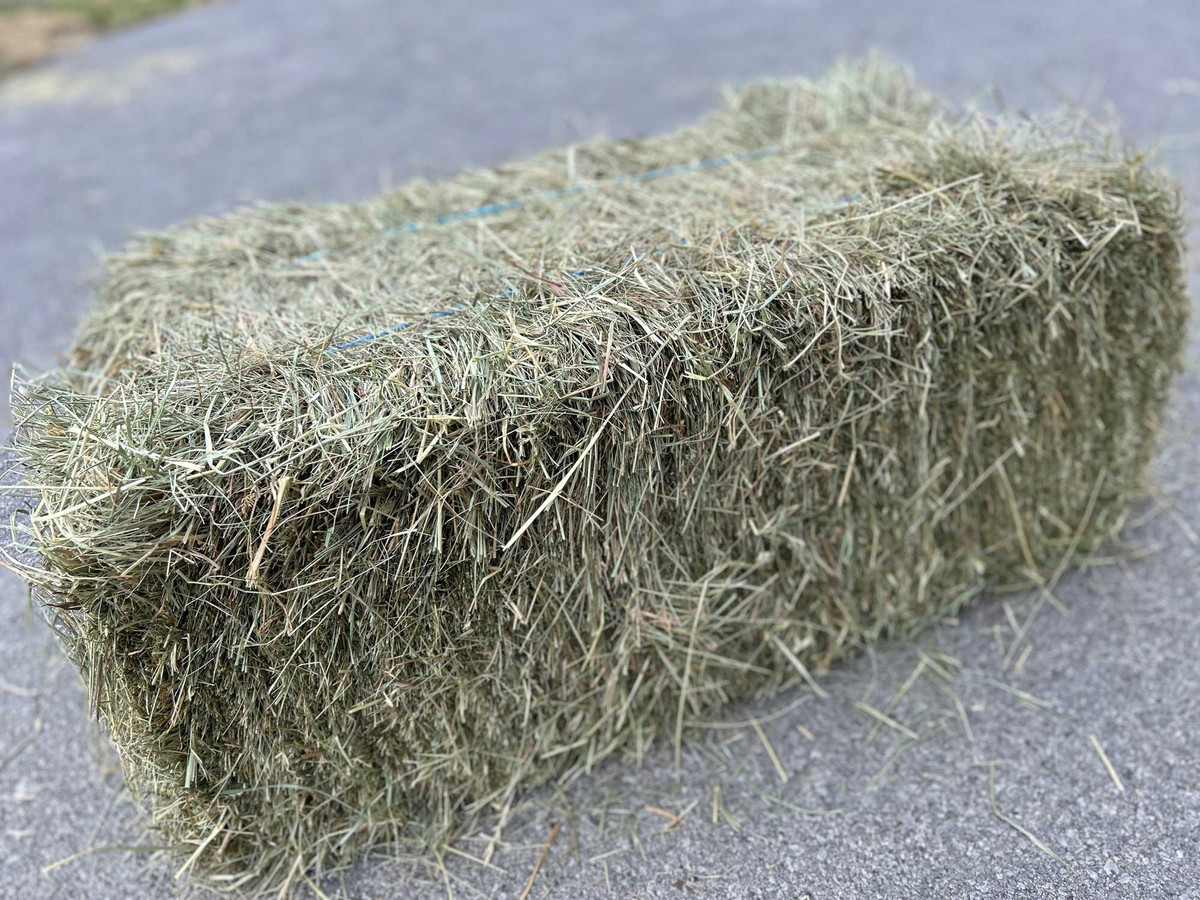
Keep hay bales, extra fleece, and pellets on a shelf or rolling cart next to the habitat, not inside it. You want the inside to be for living, not for closets.
Make cleaning easy
- Put a waterproof layer under rugs and pens
- Use a dedicated dustpan and handheld vacuum nearby
- Designate a “kitchen” zone where most mess happens
Common mistakes
Counting exercise time that never happens
If your plan relies on daily free time, be honest about your schedule. Life gets busy. A slightly larger enclosure is the kindest backup plan you can buy or build.
Buying a cage based on weight alone
Weight does not tell you energy level. A young 5 lb rabbit can be a tiny tornado. A laid-back senior might loaf more, but still needs room for comfortable stretching and easy litter access.
Too many hides, not enough runway
Hideouts are important, but if your pet cannot move easily, you will see more boredom behaviors and mess concentration. Balance cozy with open.
Wire floors
Wire flooring is tough on feet for both species and can contribute to painful foot injuries like sore hocks and pododermatitis. Aim for solid flooring with appropriate bedding and traction (fleece over absorbent layers for guinea pigs, rugs or mats for rabbits).
Ignoring chewing risks
Rugs and fleece can be lifesavers for traction and comfort, but some rabbits will chew textiles. Watch for chewing, choose tightly woven options, and remove anything your rabbit is determined to eat.
FAQ
Is it okay if my rabbit lives in a cage if I let them out a lot?
Extra out time is wonderful, but the enclosure still needs to be a comfortable home base: room to stretch fully, flop, eat hay, and use the litter box without stepping in it. A pen-style setup usually costs about the same as a “nice cage” and works far better.
Do guinea pigs need a lid?
Usually not, unless you have other pets (especially cats and dogs) or very determined climbers. If you need a lid, make sure airflow stays excellent and the pigs still have plenty of light.
Can I stack guinea pig cages to save space?
I do not recommend stacking as the primary solution. It often reduces ventilation and makes daily care harder. A longer single level enclosure is safer and more comfortable.
What is the smallest setup you would use for a temporary foster?
For a short-term quarantine or medical recovery, I use a smaller, easy-to-clean setup, but I still aim for enough room to stretch, eat, and move comfortably. As soon as health allows, I transition to the full-size habitat.
My bottom line
If you remember one thing: give them a footprint, not a tower. Start with a solid minimum, then push toward ideal if you can. Bigger habitats are not just kinder, they are usually easier to keep clean because the mess is spread out and the “kitchen” can stay contained.
If you want, tell me your species, how many, and the corner of your room you are working with (rough measurements). I can suggest a layout that fits your space without shortchanging your pet.