Know the subtle early symptoms of GI stasis, the red flags that mean “go now,” and the immediate steps that can help save your rabbit or guinea pig’s life.
Rabbit Cove
Timothy, Orchard, or Alfalfa Hay?
Hay is the foundation of rabbit and guinea pig health. Compare timothy, orchard, and alfalfa, and learn which hay fits your pet’s age, weight, and medical needs.

Chloe Miller
Chloe Miller is a dedicated small-pet enthusiast and experienced foster parent who has spent over a decade caring for rabbits and guinea pigs. Through her hands-on work with local animal rescues, she shares practical, compassionate advice on housing, nutrition, and daily enrichment to help small pets thrive. When she isn't designing custom indoor enclosures, Chloe can be found coaxing shy rescues out of their shells with fresh cilantro.
Published
October 22, 2026
Updated
October 22, 2026
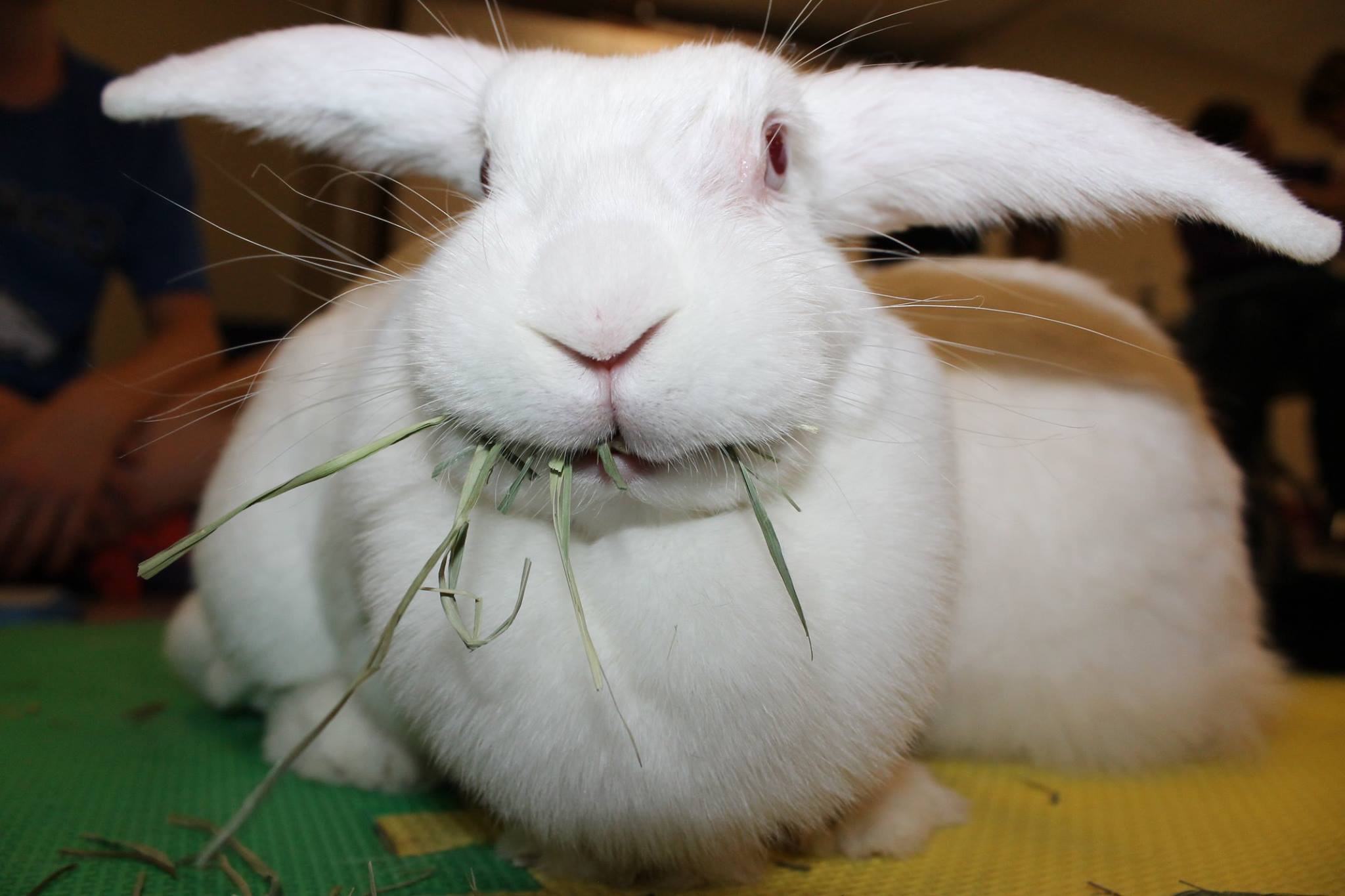
When I foster rabbits and guinea pigs, the fastest way to spot who is going to thrive is to look at one thing: their hay pile. Not their pellets. Not their treats. Hay.
For both species, hay is more than “something to nibble.” It is the engine that keeps the gut moving, the toothbrush that wears teeth evenly, and the low-calorie filler that helps prevent boredom snacking. The tricky part is that “hay” is not one product. Timothy, orchard, and alfalfa are not interchangeable, and the best choice depends on age, weight, and health.
One urgent note up front: if a rabbit suddenly eats less hay, produces smaller or fewer poops, seems hunched, or stops eating altogether, treat it as an emergency and contact a rabbit-savvy vet right away. For rabbits especially, appetite changes can go downhill fast.
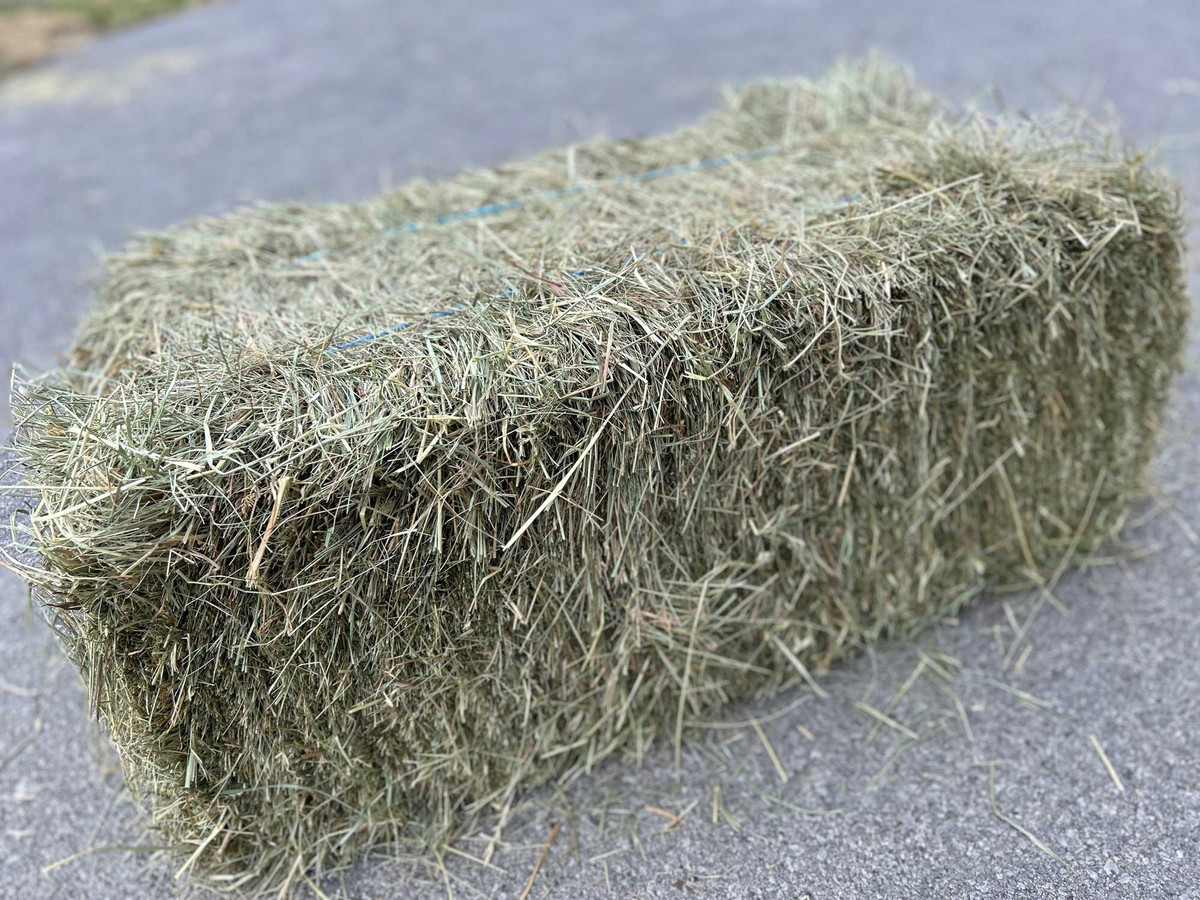
Hay first, always
Rabbits and guinea pigs are grazing herbivores designed to eat small amounts nearly all day. A hay-based diet supports three big health essentials:
- Digestive motility: Long-stem fiber helps keep the gastrointestinal tract moving. When intake drops, the risk of gut slowdown rises quickly, especially in rabbits.
- Dental wear: Both rabbits and guinea pigs have continuously growing teeth. The side-to-side chewing required for hay helps keep teeth worn appropriately.
- Healthy weight and good behavior: Hay is bulky and low calorie compared with most pellets and treats, so pets can stay busy without “calorie overload.”
Baseline goal: Hay should make up the majority of daily intake. For most adults, think “available all day, refreshed at least once daily,” with a generous portion that does not run out.
Grass hay vs legume hay
This is the most important distinction.
Grass hays (timothy, orchard, meadow, oat, brome)
Grass hays are the everyday choice for most adult rabbits and guinea pigs. They tend to be high in fiber and typically lower in calories and calcium than legume hays, though exact levels can vary by plant type, harvest timing, and batch.
Legume hays (alfalfa, clover, peanut hay)
Legume hays are richer. Alfalfa in particular is typically higher in protein, calories, and calcium than grass hay. That can be wonderful for growing babies and some underweight or medically fragile animals, but it can be too much for many adults.
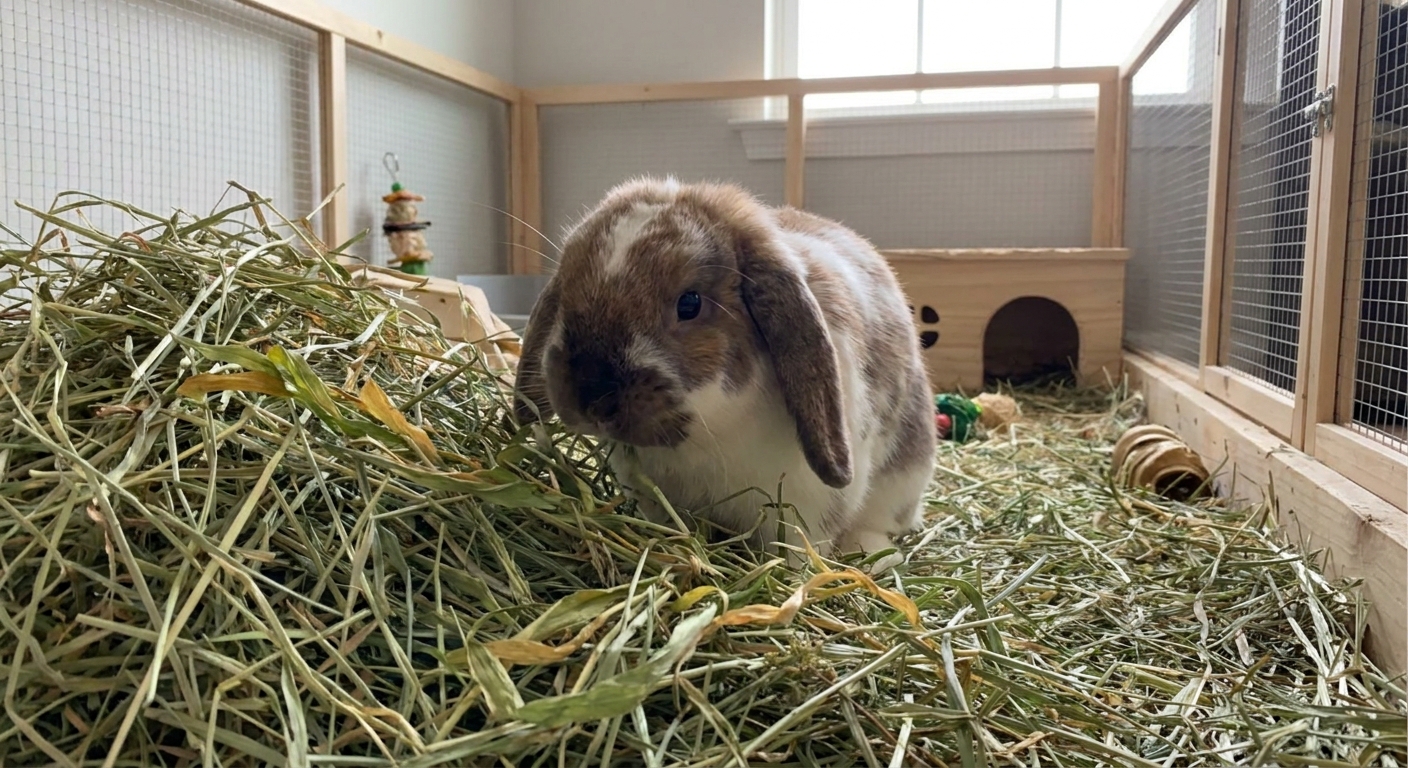
Timothy hay: a common go-to for adults
If you have ever heard “just feed timothy,” this is why: timothy hay is a reliable, widely available grass hay that is often recommended as the everyday base for healthy adult rabbits and guinea pigs.
What timothy is good for
- Adult maintenance: A dependable base hay for many pets over about 6 months old.
- Weight management: A solid choice for pets who gain weight easily, when paired with appropriate pellets and measured veggies.
- Dental support: Many timothy cuts include coarse stems that encourage long chewing sessions.
1st, 2nd, and 3rd cut timothy, explained
“Cut” refers to when it was harvested. Different cuts feel and taste different, and picky eaters have opinions. Nutrients can shift by cut, but the bigger, more reliable differences are texture and stem-to-leaf ratio.
- First cut: Coarser, more stems, often higher in long-strand fiber. Some pets love it, some act personally offended.
- Second cut: Often the sweet spot, with a balance of stems and leafy pieces.
- Third cut: Softer and leafier and may be easier for picky eaters. Because it is often less stemmy, some pets can polish it off fast without as much heavy-duty grinding, so keep an eye on overall body condition and tooth health.
My foster-home tip: If a rabbit is leaving the “sticks” and only picking the soft bits, try mixing second cut with a small amount of first cut to nudge more chewing.
Orchard grass hay: soft and often a picky-eater win
Orchard is another grass hay and a perfectly appropriate daily hay for most adults. In many homes, it becomes “the one they will actually eat.”
Why people choose orchard
- Softer texture: Many pets prefer orchard’s leafier feel.
- Often less pokey: Helpful for sensitive mouths, seniors, or animals that seem turned off by coarse stems.
- Allergy-friendly for some households: Some owners report fewer allergy symptoms with orchard than timothy. It is not guaranteed, and even within the same hay type, different brands and batches can feel very different.
Potential downsides
- Less stemmy chewing: If your rabbit already tends to graze lightly, orchard alone may not encourage as much grinding as a stemmier timothy cut.
- Picky escalation: Some pets decide orchard is the only acceptable option and go on hay strike if the bag changes. Mixing hays can prevent that.
Best use: Orchard as a main hay, or as a “make it enticing” mixer for pets transitioning from too many pellets or too many treats.
Alfalfa hay: powerful, but not for everyone
Alfalfa is a legume hay. It is nutrient-dense and can be a lifesaver in the right season of life, but it is the hay most likely to be overfed.
When alfalfa is a good idea
- Babies and juveniles: Growing bodies often benefit from the extra protein and calories. Many rabbits do well with alfalfa until around 6 to 7 months, then transition to grass hay as they approach adulthood.
- Young guinea pigs (and sometimes pregnant or nursing pigs): Alfalfa is commonly used for growth and reproduction phases, then most adults transition to grass hay unless a vet recommends otherwise.
- Underweight adults: For a skinny adult, alfalfa can be used strategically, usually alongside veterinary guidance to address the root cause.
- Recovery support: Some post-illness or post-surgery pets need extra calories to stabilize. Alfalfa can help, but it is not a substitute for proper medical care.
When to avoid or limit alfalfa
- Most healthy adults: Too much richness can contribute to unnecessary weight gain.
- History of urinary issues: Because alfalfa tends to be higher in calcium, it is commonly limited for pets prone to sludge or stones. In guinea pigs, stone risk is multifactorial, so think in terms of whole-diet planning (hay, pellets, veggies, and hydration), not one magic swap. Always follow your vet’s plan if your rabbit or guinea pig has had urinary problems.
- Overweight pets: Alfalfa makes it very easy to overshoot calories.
A gentle reality check: Many rabbits will choose alfalfa over grass hay the way a kid chooses cake over salad. That does not mean it is the right everyday choice.
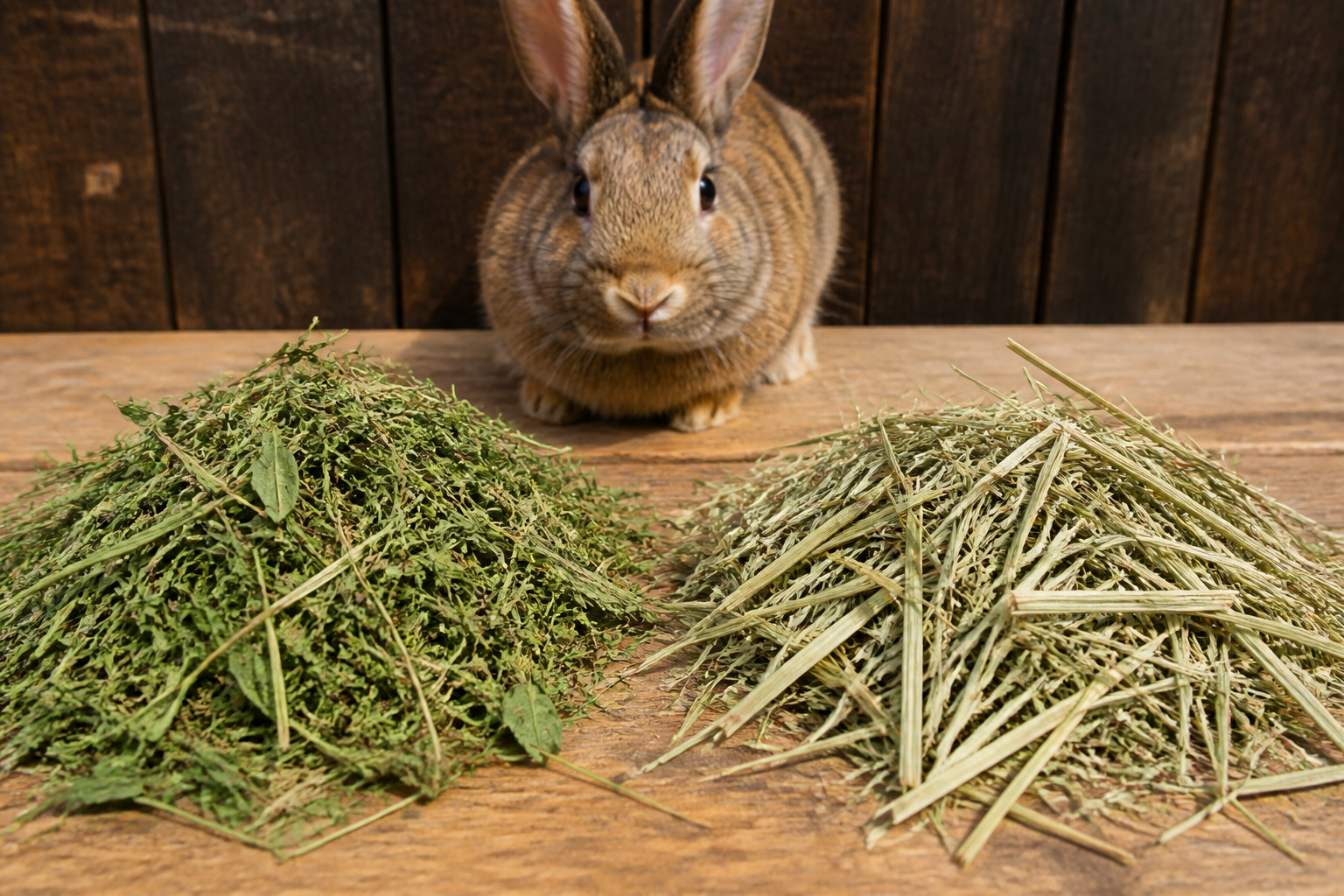
Quick comparison
Nutrient levels vary by farm, harvest, maturity, and cut, but the overall pattern stays consistent.
| Hay type | Category | Typical profile | Best for | Use caution if |
|---|---|---|---|---|
| Timothy | Grass hay | High fiber; protein and calcium often moderate (varies by batch) | Most healthy adult rabbits and guinea pigs | Pet refuses coarse stems, or you need extra calories for weight gain |
| Orchard grass | Grass hay | High fiber; often softer and leafier; generally appropriate for most adults | Picky eaters, seniors, some timothy-allergy households | Pet needs more stemmy chew encouragement |
| Alfalfa | Legume hay | Higher calories and protein; typically higher calcium than grass hays | Babies, young guinea pigs, underweight pets, some recovery plans | Overweight pets, urinary stone or sludge history, most routine adult diets |
Choose by age and health
Baby rabbits (under about 6 to 7 months)
Many baby rabbits do well with alfalfa hay (and/or alfalfa-based pellets) because they are building bone and muscle fast. Offer unlimited hay and monitor body condition and droppings. As adulthood approaches, transition gradually to grass hay.
Adult rabbits
For the average healthy adult rabbit, make your base hay a grass hay, most often timothy or orchard. If your rabbit is sedentary, gains weight easily, or has urinary concerns, ask your rabbit-savvy vet whether you should be especially strict about avoiding alfalfa.
Senior rabbits
Seniors often benefit from whatever hay they will reliably eat, within reasonable nutrition limits. Many older rabbits prefer softer hay like orchard or a leafier timothy cut. If a senior is losing weight or struggling to maintain condition, speak with your vet before reaching for unlimited alfalfa. Weight loss in seniors is common, but it should never be dismissed as “just old age.”
Baby guinea pigs
Young guinea pigs are still growing and are commonly offered richer options like alfalfa, then transitioned to grass hay as adults unless pregnant, nursing, underweight, or advised otherwise by a vet. Because guinea pigs also require daily vitamin C, hay choice is only one part of the big picture.
Adult guinea pigs
Adult pigs generally do best with grass hay as the everyday base. Timothy and orchard are both excellent. If your pig is a chronic hay snob, a blend of grass hays can boost interest.
Overweight rabbits or guinea pigs
Choose grass hay (timothy, orchard, meadow) and tighten the rest of the diet first, especially pellets and treats. Hay should remain unlimited. The goal is not “less hay,” it is “less concentrated calories.”
Urinary issues (sludge, stones, frequent gritty urine)
This needs veterinary guidance. Many vets recommend avoiding alfalfa and focusing on grass hay, hydration, and an appropriate pellet and veggie plan. Do not try to manage urinary pain at home.
Dental disease
Hay is crucial, but dental disease can make chewing painful. If your pet is dropping food, avoiding hay, drooling, or losing weight, book a vet visit. While you are working on treatment, softer hays like orchard and leafier timothy cuts can help some pets keep intake up.
Pellets and veggies
Hay is the foundation, but pellets and vegetables still matter, and rabbits and guinea pigs are not interchangeable here.
- Rabbit pellets: Look for plain, high-fiber pellets without colorful bits, seeds, or dried fruit. Many adult rabbits do best with measured pellets, not free-feeding.
- Guinea pig pellets: Choose a guinea pig-specific pellet with stabilized vitamin C (and replace it regularly so the vitamin C stays viable). Guinea pigs still need hay unlimited, plus daily vitamin C from food.
Switching hays
Some rabbits and guinea pigs treat a new hay like a personal betrayal. Slow transitions help.
- Start with a 75/25 mix of the old hay and the new hay for a few days.
- Move to 50/50 for several days.
- Then 25/75 and finally the new hay as the main pile.
Make it easy to say yes: Offer hay in more than one spot. Try a hay rack plus a floor pile, or stuff hay into a paper bag with the top folded loosely to encourage foraging.
What good hay looks like
The best hay is the hay your pet eats enthusiastically, as long as it is clean and appropriate for their life stage.
- Color: Generally green to yellow-green. Very brown hay is often old, sun-bleached, or poorly stored.
- Smell: Fresh, lightly sweet, “grassy.” Musty or sour odors are a no.
- Texture: A mix of strands, not powder.
- Dust level: Minimal. A little crumble is normal, but clouds of dust can irritate eyes and airways.
Storage basics: Keep hay cool and dry with airflow. Do not seal it in an airtight plastic tote if there is any chance of trapped moisture. If hay ever smells musty or you see visible mold, toss it.
If a bag seems unusually dusty, sift the fines out before offering, and consider switching brands or ordering from a farm with consistently cleaner bales.
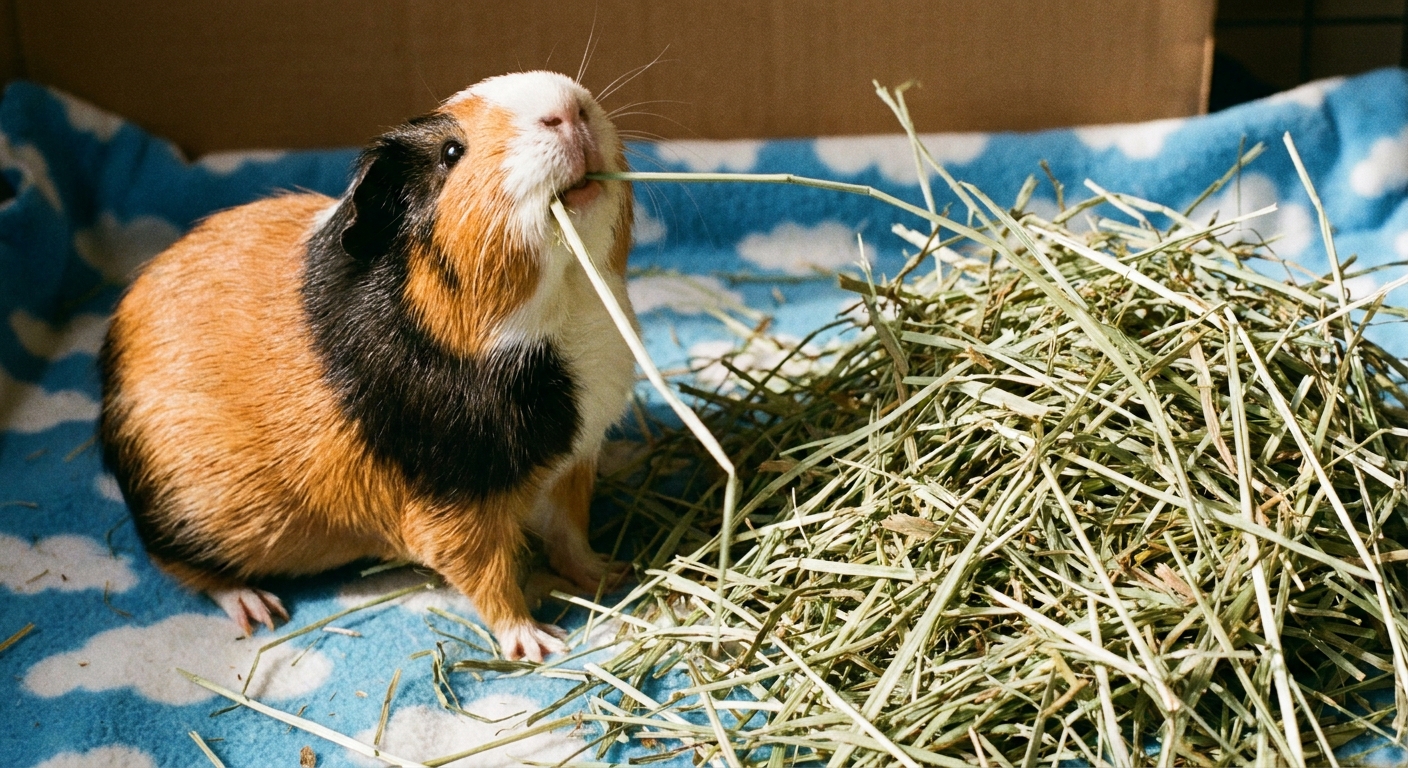
Common hay mistakes
1) Treating pellets like the main course
Pellets are concentrated nutrition. Hay is the foundation. If your pet fills up on pellets, hay intake often drops, and that is where trouble starts.
2) Offering hay cookies instead of long-strand hay
Compressed hay products can be enrichment, but they do not replace the daily need for long-strand hay that encourages natural chewing and steady gut movement.
3) Feeding alfalfa long after babyhood because they love it
Love is not the same as “best choice.” Most adults do better on grass hay long-term.
4) Letting the hay box become the litter box
Some poop in the hay is normal, especially for rabbits who like to eat and poop at the same time. The issue is soiled hay. Use a hay rack or a fresh top-up pile daily so there is always clean hay available.
FAQs
Can I mix timothy and orchard?
Yes, and I often recommend it. Mixing keeps things interesting and can prevent pets from becoming overly attached to one exact texture.
My rabbit will only eat alfalfa. What do I do?
First, confirm age. If your rabbit is a baby, alfalfa may be appropriate. If your rabbit is an adult, transition slowly by mixing in grass hay and reducing pellets and treats that may be suppressing hay appetite. If appetite seems low overall, or droppings are getting small, contact a rabbit-savvy vet promptly.
What about meadow hay or oat hay?
Both can be great grass-hay options. Meadow hay varies a lot by batch, which some pets love. Oat hay can be especially enticing because it may contain oat heads. It is wonderful for variety, and many picky eaters will try it when they refuse everything else.
How much hay should my rabbit or guinea pig eat?
Enough that there is always some left. A practical rule in my foster room is: offer a pile at least the size of your pet’s body daily as a starting point, then refill as needed. Unlimited access is the goal, and many will eat more than that.
Do guinea pigs need timothy specifically?
They need grass hay. Timothy is common, but orchard and other grass hays also work well. Choose based on what your pig eats best, then support the rest of the diet with appropriate pellets, fresh vegetables, and daily vitamin C.
The takeaway
If you only remember one thing, make it this: most adult rabbits and guinea pigs should live on grass hay, with timothy and orchard as the most common go-to options.
- Choose timothy for a dependable, chew-friendly staple that is widely recommended.
- Choose orchard if your pet is picky, older, or you need a softer daily hay.
- Choose alfalfa for babies and specific cases like weight gain or recovery, then transition thoughtfully.
If you are unsure, a rabbit-savvy or guinea pig-savvy veterinarian (or a reputable rescue with a strong foster network) can help you tailor the choice to your pet’s age, weight, and medical history.