What to clean with (and what to skip) for rabbit and guinea pig habitats: gentle commercial options, DIY vinegar recipes, and how to use enzyme cleaners safely.
Rabbit Cove
Water Bottles vs. Bowls for Rabbits and Guinea Pigs
Should your rabbit or guinea pig drink from a bottle or a bowl? Learn the pros, cons, safer cleaning routines, and simple ways to boost daily water intake.

Chloe Miller
Chloe Miller is a dedicated small-pet enthusiast and experienced foster parent who has spent over a decade caring for rabbits and guinea pigs. Through her hands-on work with local animal rescues, she shares practical, compassionate advice on housing, nutrition, and daily enrichment to help small pets thrive. When she isn't designing custom indoor enclosures, Chloe can be found coaxing shy rescues out of their shells with fresh cilantro.
Published
October 22, 2026
Updated
October 22, 2026
Hydration is one of those unglamorous basics that quietly keeps everything else working. When a rabbit or guinea pig is drinking well, you usually see it in the little things: steady poop output, comfy digestion, and a pet that feels good enough to popcorn (happy hops) or binky (a joyful twist-jump) for no reason at all.
The tricky part is that the “standard” pet store setup, a single hanging bottle, is not always the best match for how these animals prefer to drink. Bottles and bowls can both work. The best choice is the one your pet will actually use consistently, while you can keep it genuinely clean.
How rabbits and guinea pigs drink
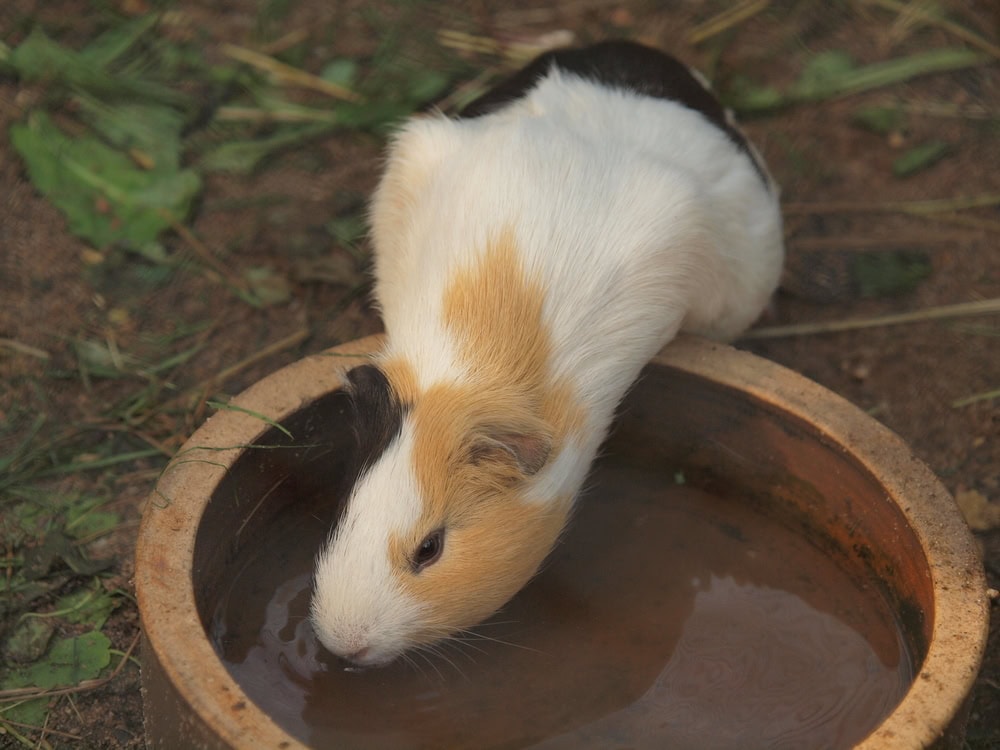
Both rabbits and guinea pigs can drink from bottles or bowls, but many find an open bowl easier and more natural. A bowl lets them lower their head, take fuller sips, and drink for longer without working around a ball-bearing sipper tube.
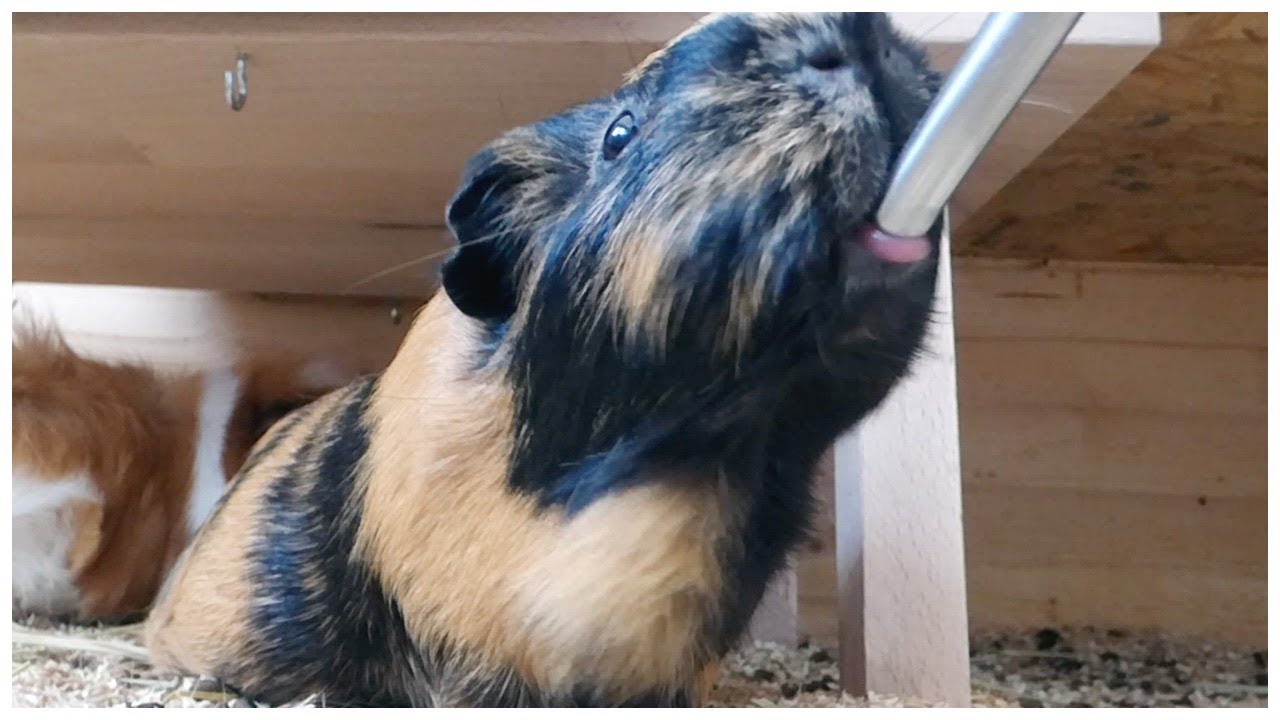
A bottle asks them to do something more mechanical: hold their mouth at a specific angle and move a ball bearing to release water. Some pets adapt easily, but others drink less than they should simply because the flow is slower or more annoying than it needs to be.
That is why many caretakers (including a lot of rescues and fosters) start with a bowl for most healthy rabbits and guinea pigs, then add a bottle when it makes sense for the household or the individual pet.
Water bowls: pros and cons
Why bowls are great
- Encourages more drinking. Many rabbits and guinea pigs drink more from a bowl because it feels straightforward and the flow is immediate.
- Easier to monitor intake. You can see the water level change and notice quickly if your pet has not touched it.
- Simple to clean thoroughly. A ceramic or stainless bowl can be scrubbed well and rinsed completely, with no hidden parts.
- Better for some medical situations. Pets with dental pain, jaw issues, arthritis, or stiffness may find a bowl far easier than working a bottle.
What bowls do badly
- They get dirty fast. Hay, pellets, bedding, and general chaos can end up in the water.
- They can be tipped. Lightweight bowls become a toy. Rabbits are especially talented at redecorating with water.
- They can be used as a bathroom. If the bowl is in the wrong spot, some pets will stand in it or pee in it.
How to make a bowl setup work
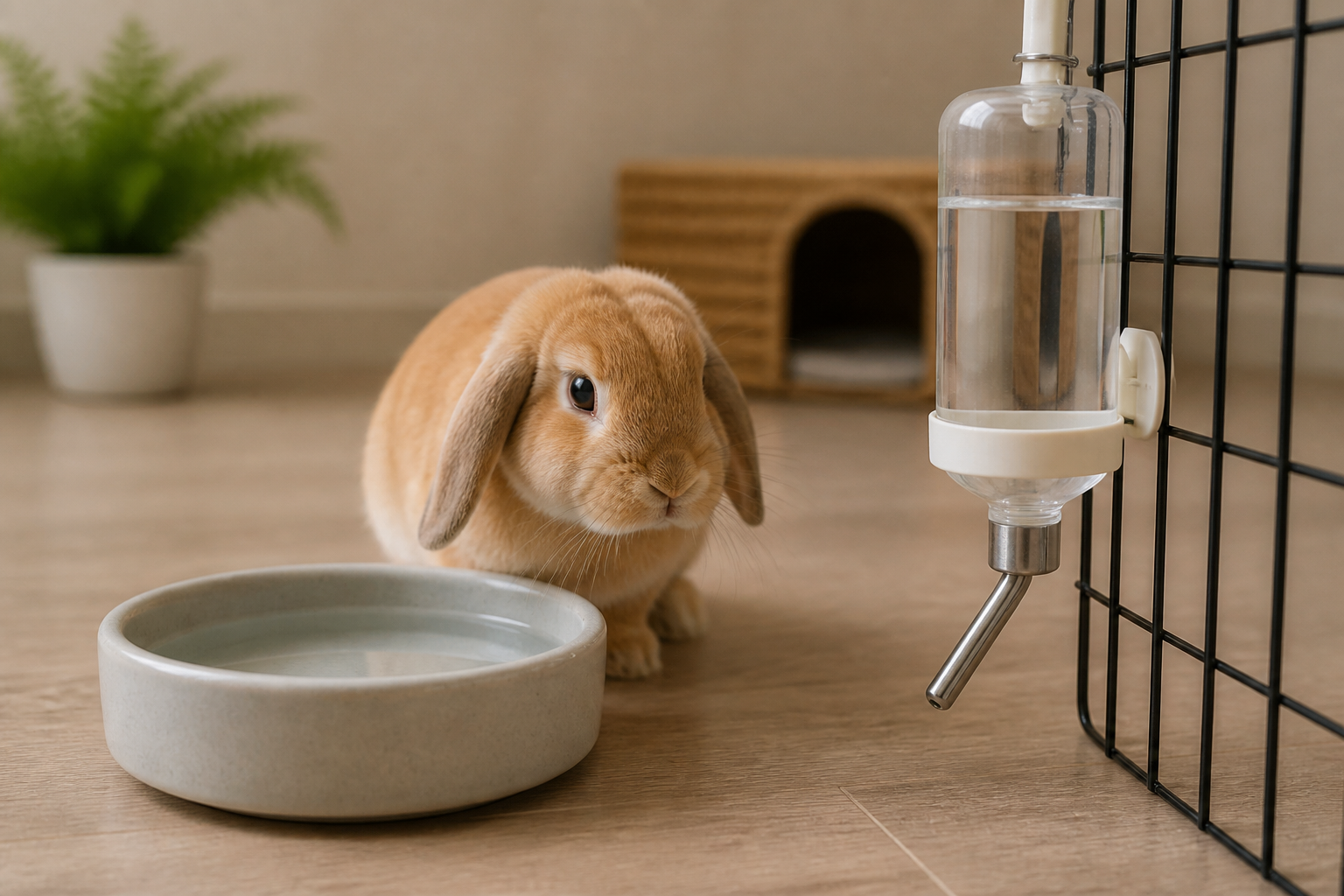
- Choose weight and shape wisely. Look for a heavy ceramic crock with a wide base, or a low, wide stainless bowl in a non-slip holder. “Heavy enough to not be fun” is the goal.
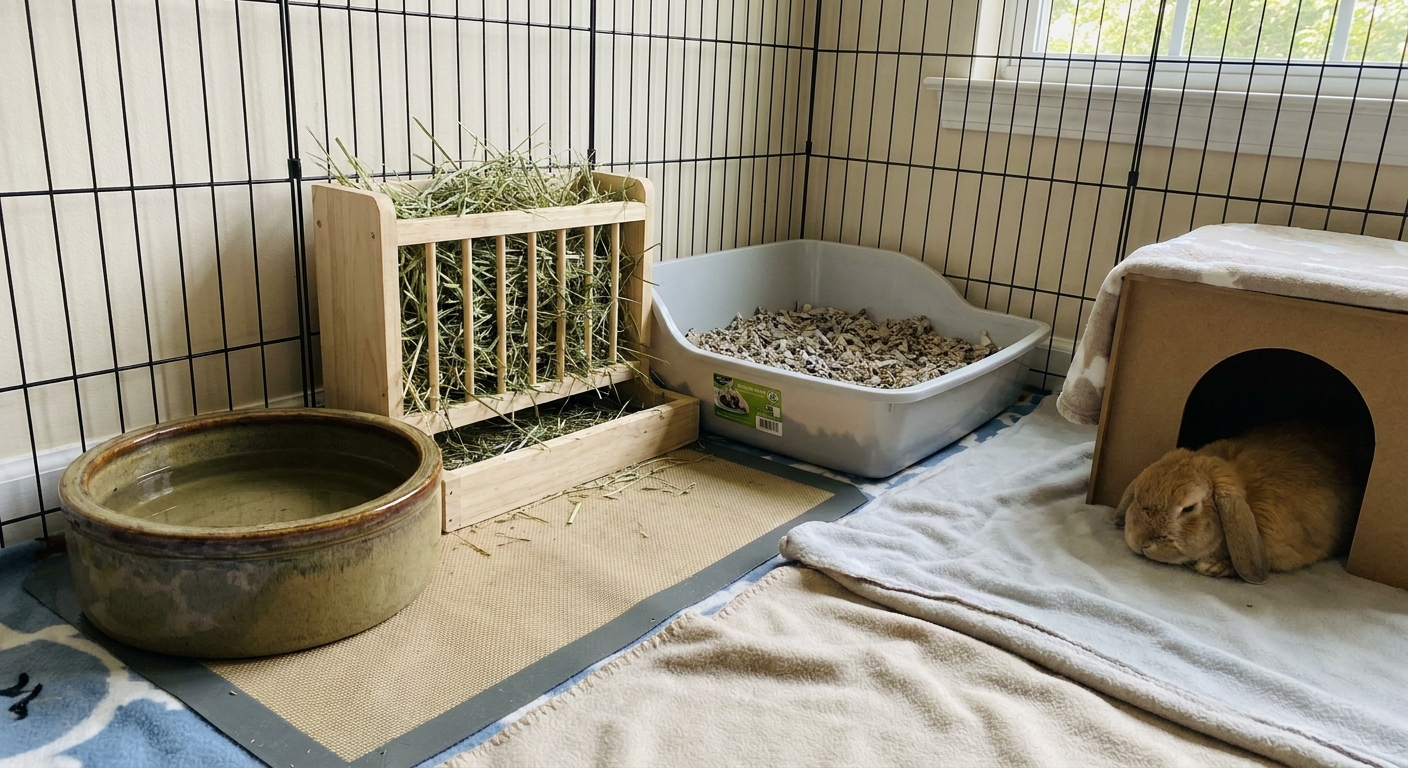
- Place it away from the hay pile. Put the bowl near the hay area, not inside the hay area. A few inches can make a huge difference in debris.
- Use a raised platform if needed. For messy drinkers, placing the bowl on a small, stable step or tile can reduce bedding kicked into the water.
- Offer more than one station when needed. For guinea pigs in particular, multiple bowls can reduce squabbles and keep timid pigs drinking.
Water bottles: pros and cons
Why bottles can be useful
- Cleaner water surface. Less hay and debris ends up in the drinking area.
- Harder to spill. Great for travel, hospital setups, and pens where a bowl would be flipped instantly.
- Helpful as a backup. In multi-pet homes, a bottle can be an extra option if one pet guards the bowl.
The biggest bottle problems (and why they matter)
- Some pets drink less overall. If your pet is “using it,” but only taking quick sips, total intake can still be too low.
- Clogs and suction issues happen. A stuck ball bearing or vacuum lock can reduce water flow without you noticing right away.
- Harder to sanitize. The nozzle and interior can build up biofilm. A quick rinse is not enough.
- Position matters. Too high strains the neck. Too low forces awkward angles and can drip into bedding.
How to make a bottle setup safer and cleaner
- Pick a quality bottle. Look for sturdy plastic or glass with a reliable sipper tube. Avoid flimsy bottles that leak or stick.
- Test flow daily. Tap the ball bearing to confirm a steady drip. This takes two seconds and can prevent a dehydration problem.
- Mount at the right height. Your rabbit or guinea pig should be able to drink with a neutral head position, not stretched up.
- Clean the nozzle, not just the reservoir. Use a small bottle brush plus a narrow straw brush for the spout if possible.
Hygiene rules
Whether you choose a bowl, a bottle, or both, the goal is the same: prevent bacterial buildup and keep water tasting like water. Rabbits and guinea pigs can be picky, and “off” tasting water can reduce drinking.
Stick with plain, fresh water. Skip sugary “vitamin drops” and flavored additives. For guinea pigs, vitamin C is best handled through a proper diet and, if needed, a vet recommended supplement, not the water bottle.
Bowl cleaning routine
- Daily: Dump, rinse, and refill with fresh water. If you see slime or residue, scrub with dish soap and rinse thoroughly.
- 2 to 3 times per week: Wash with hot water and dish soap, scrub the inside surface, and rinse well.
- Weekly (or sooner if needed): Deep clean to remove biofilm or buildup. You can sanitize by soaking in a 1:32 bleach-to-water solution (unscented household bleach) for about 10 minutes, then rinse extremely well and air dry. For a heavier-duty disinfection, some people use a 1:10 solution for 5 to 10 minutes, but only if you can rinse until there is zero odor and let it fully air dry. For mineral buildup, soak with white vinegar, then rinse.
Bottle cleaning routine
- Daily: Check flow and refresh the water. If your bottle is small, empty and refill daily instead of topping off.
- Every 2 to 3 days: Empty completely, scrub the inside with a bottle brush, and flush the spout with hot water.
- Weekly: Disassemble as much as possible and deep clean. Sanitize using unscented household bleach diluted in water (often 1:32 for routine disinfection), then rinse until there is zero odor. Let it air dry fully before refilling.
Safety note: Never mix vinegar and bleach, and never use them at the same time. Rinse between products, or choose one method per cleaning.
Quick reality check: If you cannot easily clean the spout and interior of your bottle, it is not a good long-term primary water source.
Bottle or bowl?
In my foster room, the “best” setup is usually a heavy bowl as the primary water source, with a bottle as a backup for pets that are prone to tipping, for new arrivals while I am learning their habits, or during travel and temporary housing.
Choose a bowl as primary if
- Your rabbit or guinea pig drinks more from a bowl (many do).
- You can keep the bowl clean and relatively hay-free.
- Your pet has dental issues, arthritis, head tilt recovery, or any condition that makes bottle drinking uncomfortable.
Choose a bottle as primary if
- Your pet repeatedly tips bowls despite trying heavier options and better placement.
- You are in a situation where spills are risky (travel crate, post-op setup with absorbent pads).
- You are very consistent about deep-cleaning and checking flow daily.
Best of both worlds
For many households, offering both is the simplest way to cover your bases. Some rabbits will sip from a bottle but really tank up from the bowl. Some guinea pigs will switch back and forth depending on mood and social dynamics. Having both options can also help timid pets access water without conflict.
Is intake normal?
Water intake varies a lot by size, temperature, health, and diet (especially how much leafy greens your pet eats). Instead of chasing a perfect number, focus on consistency and output. A pet who is eating well, peeing regularly, and producing normal poops is usually doing fine.
Any sudden change matters though. If your rabbit or guinea pig is drinking much less than usual, or suddenly draining the bowl when they never used to, that is worth paying attention to.
Signs of low water intake
Rabbits and guinea pigs do not always advertise dehydration until it is becoming a problem. Watch for:
- Smaller, drier poops or fewer poops than normal
- Less urine output or going less often than usual
- Thick urine, gritty residue, or straining to pee (especially in rabbits prone to sludge)
- Reduced appetite, especially less hay intake
- Lethargy or seeming “off”
About urine color: Rabbit urine can range from pale yellow to deep orange or brown based on pigments and diet. Color alone is not a reliable hydration gauge. Changes in frequency, volume, or signs of pain are more useful signals.
Important: If a rabbit is not eating and pooping normally, treat it as urgent. GI stasis can become an emergency quickly, and hydration is part of that picture. If a guinea pig stops eating, seems painful, or becomes very quiet and withdrawn, that is also urgent. Contact an exotics vet right away.
Easy ways to boost drinking
- Prioritize hay. Unlimited grass hay supports normal gut motility and often goes hand in hand with normal drinking patterns.
- Offer fresh leafy greens. For rabbits and guinea pigs, rinsed greens add moisture. For guinea pigs, include vitamin C rich options like bell pepper alongside appropriate lettuces and herbs.
- Keep water close to hay. Many pets like to sip between bites, like little fuzzy diners.
- Refresh often. Some pets drink noticeably more when water is freshly changed.
- Add a second station. A second bowl or bottle in another area can increase overall drinking, especially in larger enclosures.
- Adjust for hot weather. In warm rooms, refresh water more often and check bottles for faster bacterial growth and funky taste.
FAQ
Is a bowl safe for rabbits?
Yes, as long as it is heavy and stable and you are cleaning it daily. A wide, heavy ceramic crock is usually the easiest option. Place it where it is less likely to be kicked full of bedding or used as a stepping stone.
Do guinea pigs prefer bowls or bottles?
Many guinea pigs drink more from bowls, but some are raised on bottles and stick with what they know. Offering both for a week can tell you a lot. If you switch to a bowl, monitor closely to confirm everyone is drinking, especially shy pigs.
Can water bottles cause dental problems?
A bottle itself does not “ruin” teeth, but it can be uncomfortable for some pets to use and it can reduce total water intake if they dislike the flow. If your pet has dental pain already, a bowl is often more comfortable and may support better hydration.
How do I transition from a bottle to a bowl?
Offer the bowl in addition to the bottle at first. Keep the bottle available for at least several days while you confirm normal drinking, urine output, and healthy poop. Once you see your pet using the bowl regularly, you can decide whether to keep both or remove the bottle.
What is the best bowl material?
Ceramic is my go-to for rabbits and guinea pigs because it is heavy, hard to tip, and easy to scrub. Stainless steel can also work well if it is in a stable holder or has a non-slip base.
My bottom line
If you are choosing one, I lean toward a heavy bowl for most healthy rabbits and guinea pigs because it supports natural drinking and often increases intake. But bottles are not the villain. They are a tool, especially as a backup, for travel, or for the pet who treats a water bowl like a splash park.
Whichever you choose, the real secret is boring and effective: check it daily, clean it properly, and let your pet’s habits guide the setup. Their digestive systems will thank you in the most satisfying way possible: piles of normal poop.