Minimum vs ideal floor space for rabbits and guinea pigs, with practical layouts, storage tips, and common sizing mistakes to avoid.
Rabbit Cove
Fleece Liners vs. Paper Bedding for Rabbits and Guinea Pigs
Fleece liners and paper bedding can both work for rabbits and guinea pigs, but they shine in different homes. Compare cost, odor control, cleaning effort, and health impacts so you can pick the best setup for your pets and your schedule.

Chloe Miller
Chloe Miller is a dedicated small-pet enthusiast and experienced foster parent who has spent over a decade caring for rabbits and guinea pigs. Through her hands-on work with local animal rescues, she shares practical, compassionate advice on housing, nutrition, and daily enrichment to help small pets thrive. When she isn't designing custom indoor enclosures, Chloe can be found coaxing shy rescues out of their shells with fresh cilantro.
Published
October 22, 2026
Updated
October 22, 2026
Ask ten rabbit or guinea pig people what the “best” bedding is and you will get eleven opinions, usually delivered with the confidence of someone who has scrubbed pee out of coroplast at 11 p.m. The truth is that both fleece liners and paper bedding can be safe, comfortable choices. The best option depends on your pet’s habits, your laundry situation, and how sensitive your household is to odor and dust.
Below is the comparison I wish every new adopter got handed with their first hay bale.
Quick take
- Fleece liners usually win for: long-term cost, lower waste, soft footing, and consistent comfort when maintained well.
- Paper bedding usually wins for: quick spot-cleaning, handling heavy urine without laundry, foster or quarantine setups, and homes without easy washer access.
Many of us end up using a hybrid: fleece in the main living area and paper bedding in high-pee zones like litter boxes, kitchens, or under hay piles.
Comfort and behavior
Fleece liners
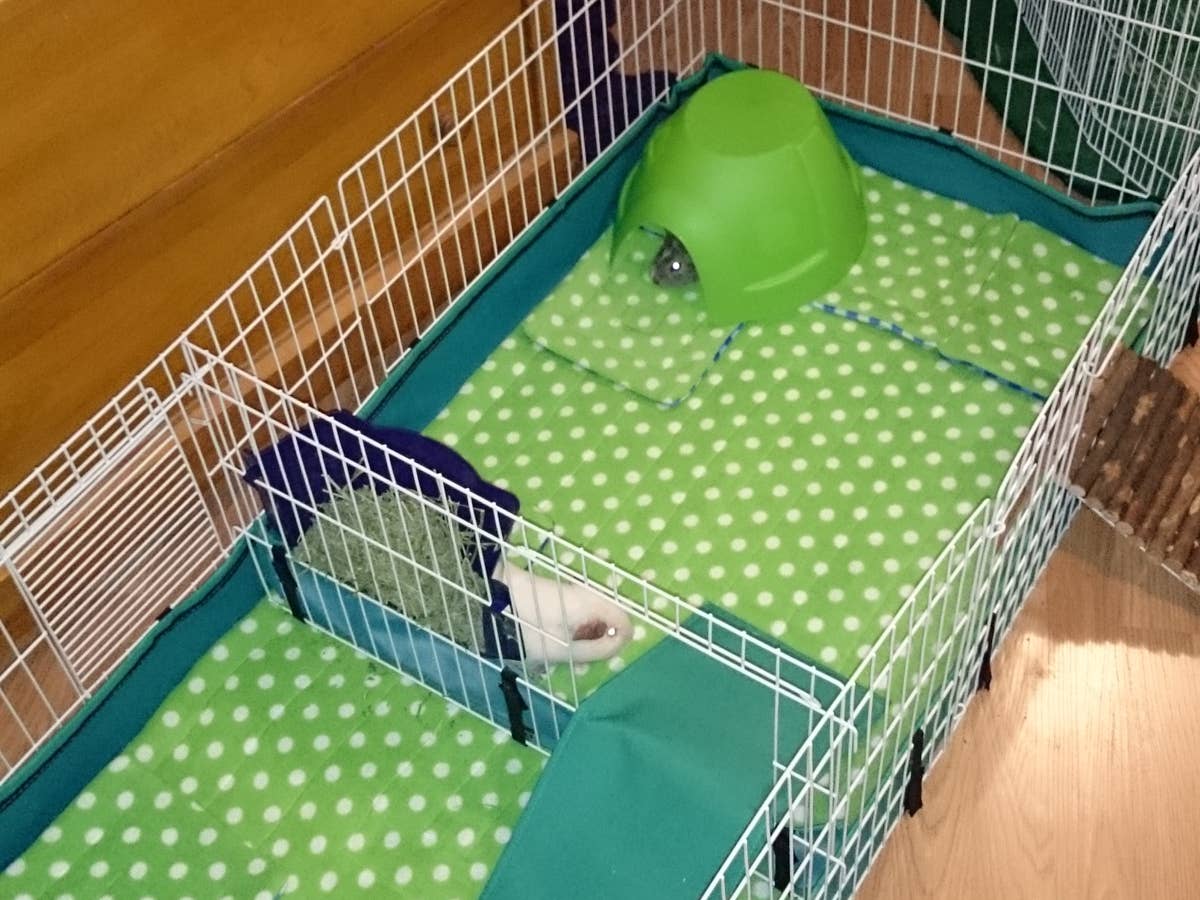
Fleece is cozy and predictable underfoot. Rabbits often sprawl on it like they have paid rent. Guinea pigs, especially seniors, tend to appreciate the soft traction when the liner is kept dry.
The key detail is that fleece itself is not absorbent. A proper liner is a system: fleece on top, an absorbent core underneath (U-Haul furniture pads, cotton towels, Zorb-type fabric, or layered absorbent batting), plus a waterproof base if needed.
Paper bedding
Paper bedding lets small pets do what they love: dig, burrow, and rearrange their world. Many guinea pigs popcorn through fresh bedding, and some rabbits like to nest or scratch around in a deep litter box.
If your pet is a dedicated “kicker” who pushes bedding everywhere, expect more sweep-ups but also a lot of natural enrichment.
Odor control
Fleece liners
When fleece liners smell, it is almost always for one of these reasons:
- They are staying damp because the absorbent layer is saturated or too thin.
- Urine is pooling because the fleece is not properly prepped (it should wick moisture through, not repel it).
- Ammonia is building because changes are not frequent enough for your animal’s output.
In a well-managed setup, fleece can be surprisingly low-odor because the wetness is pulled down into the absorbent layer, away from the surface. You still need a consistent routine: quick daily pick-ups, and full liner changes about every 2 to 4 days. The right schedule depends on enclosure size, number of animals, and how thick your absorbent core is.
Paper bedding
Paper bedding can control odor well at first because it surrounds moisture and can be topped up. But once it is saturated, the smell can turn quickly, especially in corners or under hay where rabbits and guinea pigs love to pee.
If you are trying to manage odor on paper, the magic is not perfume. It is:
- Depth in the litter area (enough bedding to bind moisture).
- Frequent removal of wet spots instead of stirring them in.
- A big enough litter box so urine is not concentrated in one tiny square.
Cleaning time
Daily routine
- Fleece: pick up poops, shake out hay, and swap small pads in the wettest spots (many people use “pee pads” or smaller fleece pads in kitchens and hideouts).
- Paper: scoop wet clumps and remove soggy corners, then top off. Expect more sweeping around the enclosure.
Weekly routine
Fleece asks for laundry. That can be easy, or it can be the final straw if you share a washer with roommates who already think your hay looks like a “craft project explosion.” The simplest system is: shake liners outside, vacuum or brush off stuck hay, then wash inside a large mesh pet-laundry bag so debris stays contained. If your machine allows it, a quick rinse cycle before the main wash can also help move hair and hay along.
Paper asks for trash management. You are hauling bags of used bedding out of the house routinely, and in multi-pig or rabbit households that volume adds up fast.
Cost
Fleece liners
Fleece costs more at the start, especially if you buy pre-made liners or need multiple sets for rotation. Over time, though, a good set of liners can last months to years depending on wash habits and how hard your pets are on fabric.
Budget reality check: if you foster or your herd size changes, you may need additional sizes. I still think fleece is the best value for stable households that can keep up with laundry.
Paper bedding
Paper bedding is usually cheaper to start because you only need a bag and a litter box. The ongoing cost is where it sneaks up on you. Bigger enclosures, multiple guinea pigs, or rabbits with “industrial output” can go through bedding quickly.
If you are deciding purely by monthly spend, track how many bags you use in a normal month. Then compare that to the cost of building a fleece rotation (including added water and electricity from laundry).
Health and safety
Dust and sensitive airways
Many exotic vets and rescues flag rabbits and guinea pigs as animals that can be sensitive to dust and ammonia, especially guinea pigs. Some paper beddings are marketed as “low dust,” but there can still be airborne particles when you pour it, fluff it, or when pigs zoom through it.
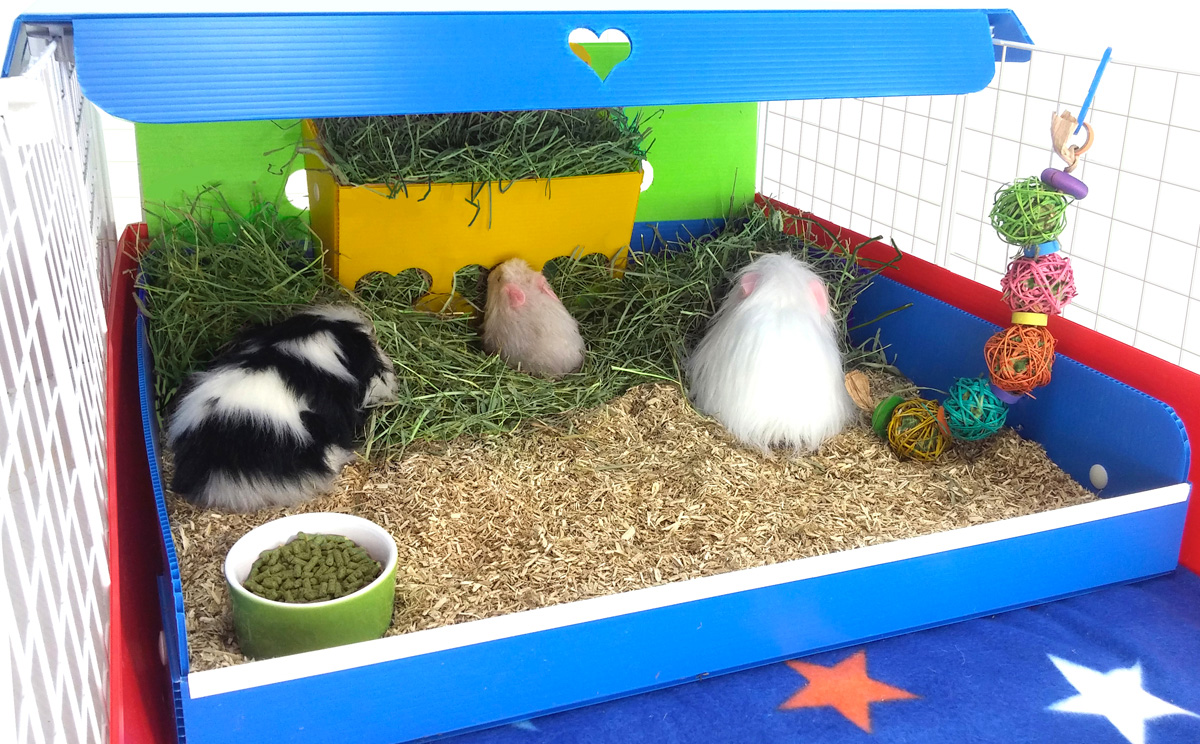
Fleece is typically lower dust day-to-day, which is one reason many rescue homes choose it for animals that sneeze easily. Dust levels still vary by paper brand and handling, so if you use paper bedding, choose a reputable low-dust option and pour it gently. If you see sneezing spikes right after a cage clean, that is a clue.
Feet, joints, and sore hocks
Rabbits can develop sore hocks from repeated pressure and friction, especially on hard or abrasive surfaces. Fleece, when dry and padded underneath, can be very kind to feet. Paper bedding can also be comfortable if it is deep and dry, but it can pack down into a firmer surface over time.
For senior rabbits and guinea pigs, I lean toward soft, stable footing with targeted absorbency in litter areas.
Chewing and swallowing bedding
Most rabbits and guinea pigs will sample anything that enters their kingdom. Small nibbles of fleece are not ideal, but the bigger risk is a pet that chews and swallows fabric. Fabric can form strands in the gut and raise the risk of a gastrointestinal blockage. If your rabbit is a dedicated fabric chewer, skip fleece for the main area.
Paper bedding is also not meant to be eaten, but tiny accidental ingestions are often considered less risky than fabric strands. Still, any pet that is actively eating bedding deserves a rethink of materials and a chat with your vet.
Urine scald and dampness
Any bedding that stays wet against skin can lead to irritation, urine scald, and flystrike risk in vulnerable animals. The winner here is not “fleece” or “paper,” it is whatever you can keep consistently dry.
One more base-level detail: if you use a waterproof layer under fleece, make sure it is not trapping moisture against the cage bottom. Liners need airflow and regular changes, or odor and mildew can creep in.
Choose by personality
Fleece may be best if…
- Your guinea pig has a history of sneezy days or you want a lower-dust routine.
- Your rabbit loves to lounge and you want soft footing across a large area.
- You can change and wash liners on a predictable schedule.
- You want to reduce waste and recurring supply runs.
Paper may be best if…
- You do not have reliable access to a washer and dryer.
- You are setting up a temporary enclosure, quarantine space, or short-term foster.
- Your rabbit chews fabric or pulls up liners relentlessly.
- You need maximum “pour-and-scoop” convenience.
Hybrid setups
If you are stuck between the two, this is my favorite compromise for both rabbits and guinea pigs:
- Main living area: fleece liner with a generous absorbent layer underneath.
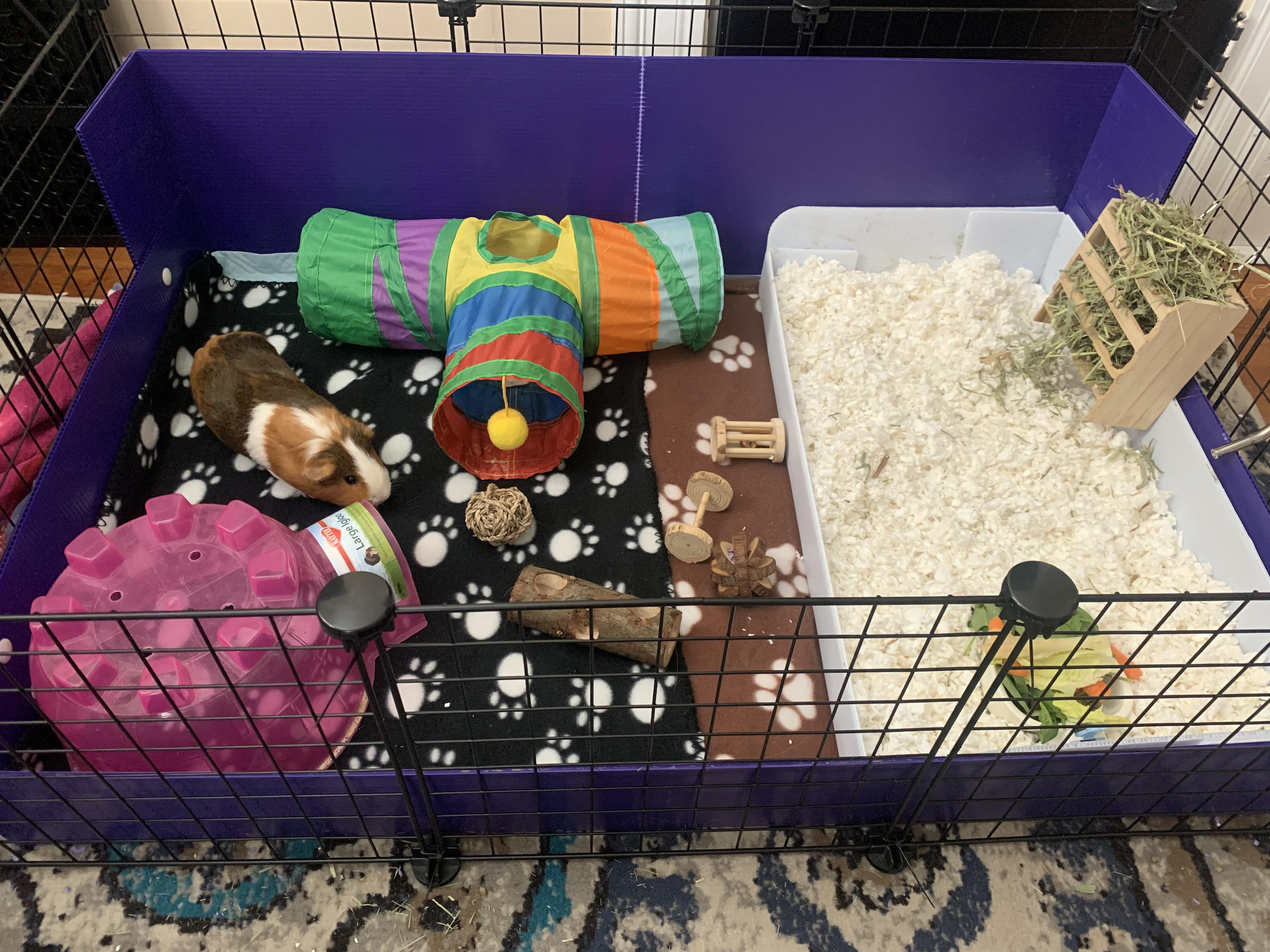
- Litter box or kitchen zone: paper bedding or paper pellets topped with hay.
- High-traffic hideouts: small, washable pads you can swap mid-week.
This keeps the big space comfy and reusable while letting you “contain the pee” in the zones where it naturally happens.
Quick note on pellets vs. loose paper: paper pellets often track less and can feel less dusty in many homes, but they do not offer the same burrowing feel as loose bedding. Plenty of people use pellets in litter boxes and keep the main area fleece for comfort.
Make it work
Fleece checklist
- Prep for wicking: wash new fleece several times without fabric softener so it stops repelling moisture.
- Use enough absorbency: one thin towel is rarely enough for adult rabbits or multiple pigs. Build a thicker core.
- Rotate sets: having at least two full sets makes your life calmer.
- Handle hay before washing: shake liners outside and vacuum or brush off hay. A large mesh laundry bag can help contain debris.
- Wash simply: use an unscented detergent. Warm or hot water can help with odor, but follow your fabric and washer guidance. Skip fabric softener and heavily fragranced boosters.
Paper checklist
- Choose low-dust bedding: it matters more than the brand hype.
- Go deeper in litter areas: shallow layers get saturated fast.
- Scoop, do not stir: remove wet spots fully rather than mixing them through.
- Use a generously sized litter box: bigger boxes spread moisture and reduce odor.
- Watch for tracking: some paper beddings scatter easily, so a mat outside the enclosure can save your floors.
What I use for fosters
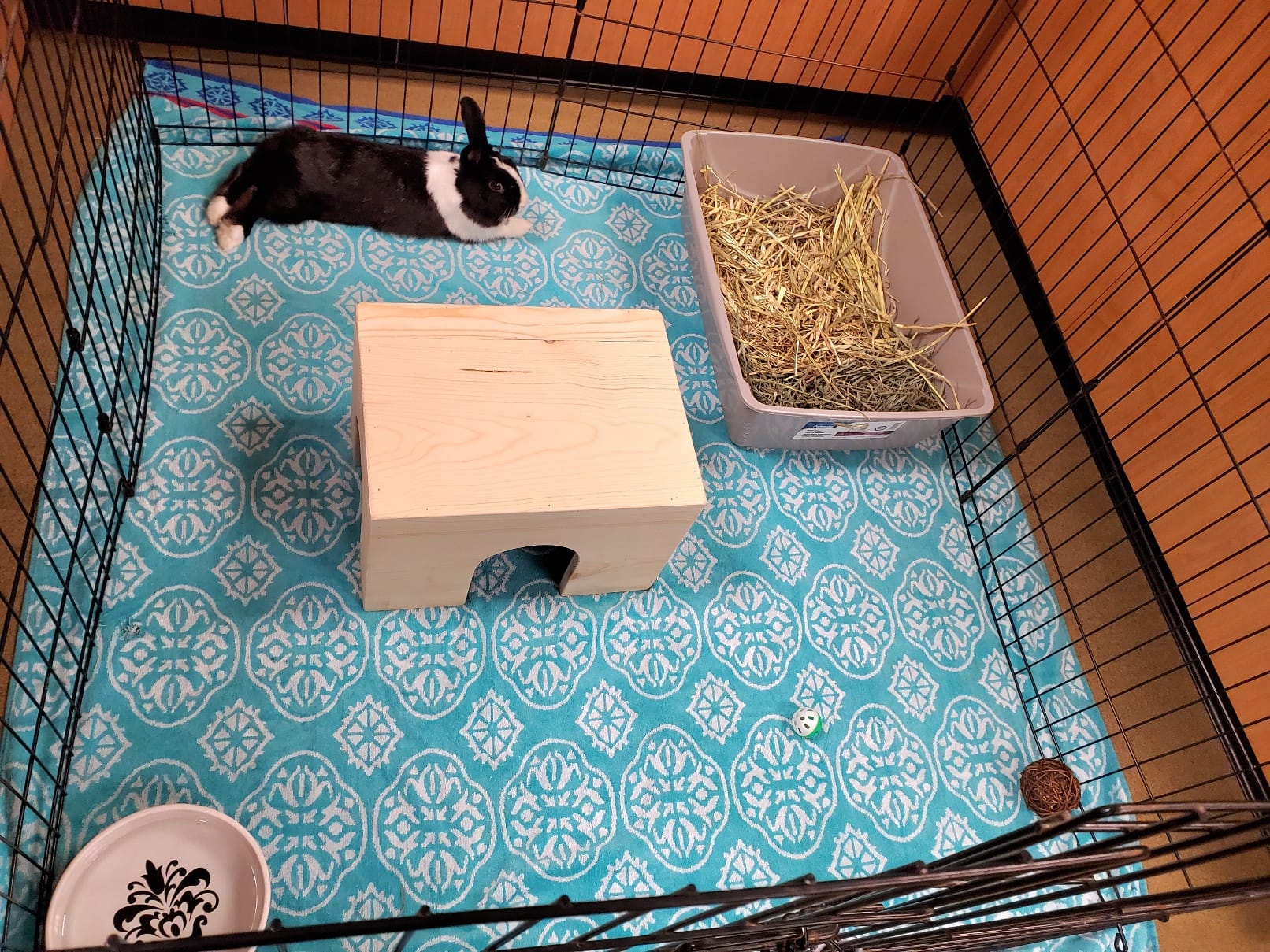
In foster care, I prioritize predictable cleanliness and easy monitoring. For many guinea pigs, that looks like fleece in the main space with small, swappable pads under hideouts and a paper-bedded kitchen area. For rabbits, I nearly always do fleece in the pen with a large litter box using paper bedding or paper pellets plus hay.
It is not because one is morally superior. It is because it lets me spot changes in urine and stool quickly, keep surfaces dry, and make cleaning realistic on busy rescue weeks.
FAQ
Is fleece safe for rabbits and guinea pigs?
Yes, when used correctly with an absorbent layer underneath and changed often enough to stay dry. It is not a good match for pets that chew and swallow fabric.
Does paper bedding cause respiratory problems?
It can, especially if it is dusty or if you have a sensitive guinea pig. Choose low-dust paper bedding, pour gently, and watch for sneezing increases after cage changes.
Which controls odor better?
Both can be excellent. Fleece tends to stay lower-odor when it wicks properly and is changed on schedule. Paper bedding can smell less “barn-like” at first, but can turn quickly if saturated and not fully removed.
What about wood shavings like pine or cedar?
Avoid cedar. If you are considering wood at all, follow your vet or rescue guidance and pay attention to dust and odor control. Some homes use kiln-dried pine or aspen in specific setups, while others avoid wood entirely due to sensitivity or mess. The safest path for most indoor rabbits and guinea pigs is sticking with low-dust paper options and well-maintained fleece systems.
Bottom line
If you want the simplest answer: choose the bedding you can keep driest, cleanest, and most consistent. A slightly less “perfect” material used reliably beats the fanciest setup that overwhelms your week.
And if you are still torn, start with a hybrid. Your pets will vote with their feet, their litter habits, and the dramatic way they flop exactly where you just finished cleaning.