Feed with confidence: daily-safe greens, limited veggies, and foods to avoid for rabbits and guinea pigs, with simple serving guidance and vitamin C notes.
Rabbit Cove
Daily Vitamin C for Guinea Pigs
Guinea pigs need vitamin C every day. Learn how much they need, the best veggies to feed, which supplements actually help, and how to spot and prevent scurvy.

Chloe Miller
Chloe Miller is a dedicated small-pet enthusiast and experienced foster parent who has spent over a decade caring for rabbits and guinea pigs. Through her hands-on work with local animal rescues, she shares practical, compassionate advice on housing, nutrition, and daily enrichment to help small pets thrive. When she isn't designing custom indoor enclosures, Chloe can be found coaxing shy rescues out of their shells with fresh cilantro.
Published
October 22, 2026
Updated
October 22, 2026
Guinea pigs are tiny hay-powered athletes with one very non-negotiable nutrition rule: they must get vitamin C daily. Unlike most mammals, guinea pigs cannot make their own vitamin C, and they store very little of it. Miss it for long enough and you can end up with scurvy, which is as miserable as it sounds and far more common than many new owners realize.
The good news is that meeting daily vitamin C needs is usually simple once you pick a routine and stick to it. Let’s make it easy, repeatable, and safe.
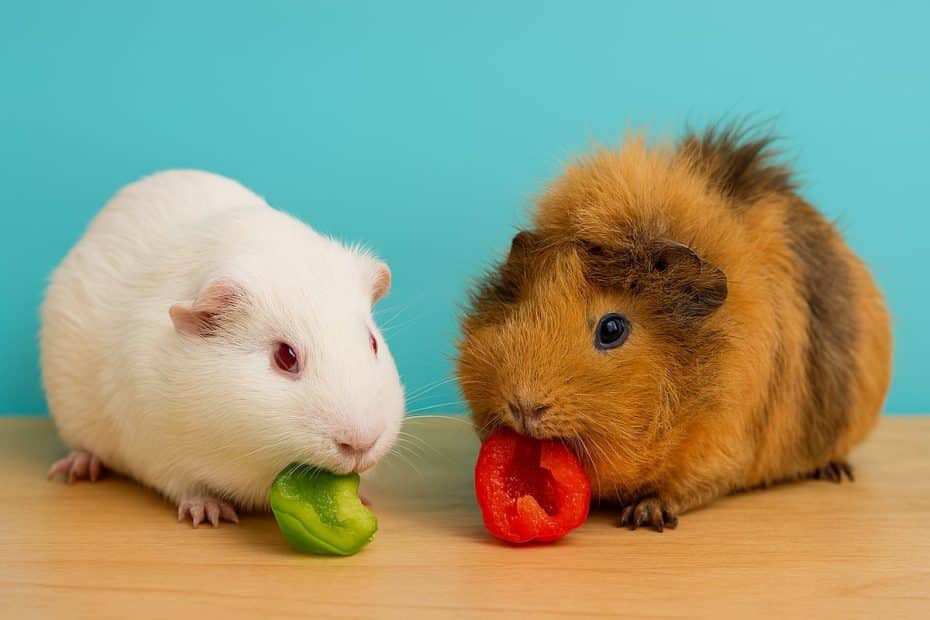
How much vitamin C does a guinea pig need?
Most healthy adult guinea pigs do best with about 10 to 20 mg of vitamin C per day. Many exotic-animal veterinarians use around 30 mg/day as a common target for higher-need situations like pregnancy, nursing, illness, or significant stress. Individual needs vary by diet and health status, and therapeutic dosing can be higher when a vet is treating a confirmed deficiency.
- Healthy adult: about 10 to 20 mg/day
- Pregnant or nursing: often around 30 mg/day
- Growing youngsters: often closer to the higher end than sedentary adults
- Sick, stressed, post-surgery, or suspected deficiency: your vet may recommend higher therapeutic dosing
If you want a simple, safe baseline for most pet pigs, aim for about 15 to 20 mg/day from food, with supplements used thoughtfully when needed.
Important: if your guinea pig is showing signs of scurvy, do not DIY megadoses for days on end. Call an exotics veterinarian. Deficiency can look like dental disease, arthritis, infections, and injuries, and the treatment plan should match the real cause.
Why vitamin C is non-negotiable
Vitamin C supports collagen formation, which is basically the body’s structural glue. When vitamin C runs low, you can see problems in joints, skin, healing, and immune function. In rescues, I often see subtle early signs long before an owner realizes what is happening.
Scurvy signs to watch for
- Limping, stiff walking, reluctance to move
- Swollen or painful joints
- Rough coat, dandruff, poor skin condition
- Loss of appetite, weight loss
- General digestive upset (this is non-specific and can have many causes)
- Lethargy, weakness
- Sore gums, dental issues, or drooling
- Slow wound healing, easy bruising, tenderness when handled
Many of these signs warrant a vet visit even if you suspect vitamin C is the root cause. Guinea pigs are experts at hiding discomfort until they cannot anymore.
Urgent note: if your guinea pig is not eating or you see a sharp drop in poop output, treat it as an emergency. GI stasis can spiral quickly, whether or not vitamin C is part of the story.
The best way to provide vitamin C: fresh vegetables
Fresh produce is my first choice because it delivers vitamin C in a way most guinea pigs happily accept, plus hydration and enrichment. The trick is choosing high vitamin C veggies that are also guinea pig-friendly long term.
Top vitamin C vegetables
- Bell pepper (all colors): the easiest, most reliable daily option.
- Parsley: vitamin C-rich, but best as a smaller, rotating herb due to calcium content.
- Cilantro: not as vitamin C-dense as pepper, but a great supportive herb many pigs adore.
- Broccoli (small amounts): can cause gas in some pigs, so start tiny and watch stools.
- Brussels sprouts (tiny amounts): also gas-prone, so keep occasional.
- Kale (small, occasional): nutrient dense but higher calcium, so rotate rather than feed daily.
For most households, bell pepper is the staple. I like to make it easy: wash a pepper, slice it into strips, store in a container, and serve a consistent portion daily. As a practical rule of thumb, many guinea pigs do well with about 1 to 2 thin strips a day, adjusted based on pig size, total veggie intake, and what your vet recommends.
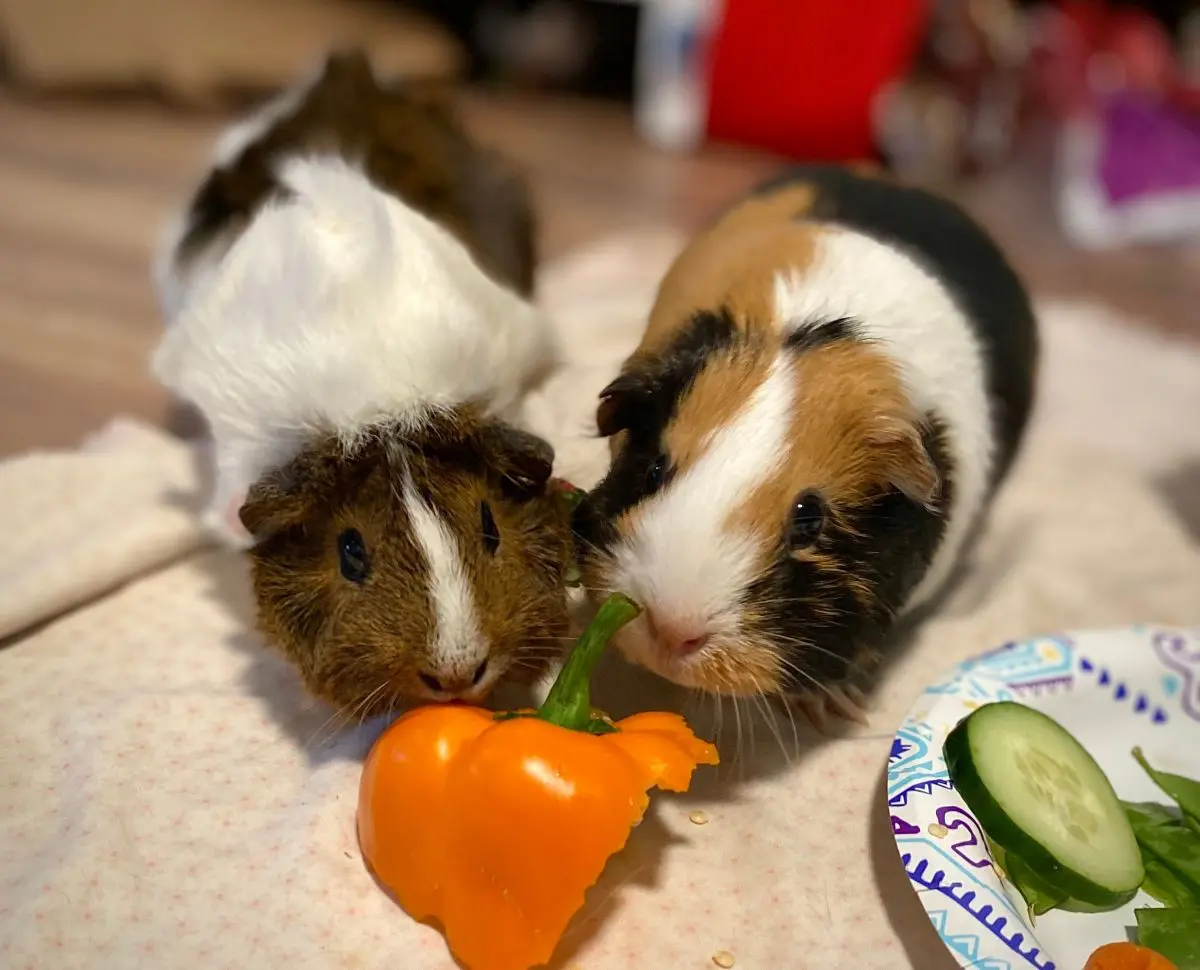
A simple daily routine
If you have ever tried to remember supplements at 7 a.m. while a guinea pig is yelling at the refrigerator, here is a routine that tends to stick:
- Daily: bell pepper
- Daily: a small salad mix (romaine, green leaf lettuce, some herbs)
- Rotate: 1 higher-vitamin-C add-on a few times per week (parsley, a small broccoli floret, a bit of kale)
Keep fruit as an occasional treat. Many fruits contain vitamin C, but the sugar makes them a poor main plan.
Quick avoid list
- Iceberg lettuce: mostly water, very little nutrition.
- Spinach: nutritious but higher in oxalates, so keep it occasional rather than a daily vitamin C strategy.
What about pellets?
Quality guinea pig pellets are usually fortified with vitamin C, but there are two big problems if pellets are your only vitamin C source:
- Vitamin C degrades over time, especially with heat, light, and long storage. An open bag sitting around is not the same as a fresh bag.
- Many guinea pigs do not eat a consistent amount day to day, especially seniors or picky eaters.
Pellets are still useful in a balanced diet. I just do not count on them as the sole vitamin C safety net. Think of pellets as backup vocals, not the lead singer.
Pellet tips:
- Choose a plain timothy-based guinea pig pellet (no colorful bits).
- Look for stabilized vitamin C on the label and check for a clearly printed manufacture or best-by date.
- Buy smaller bags you can use up quickly and store them in a cool, dark place in an airtight container.
- Rule of thumb: replace opened pellets regularly rather than stretching one bag for months, since vitamin C content drops with time.
Vitamin C supplements
Supplements can be a great tool for picky eaters, pigs recovering from illness, or anyone who needs consistent dosing. The key is choosing the right form and using it intentionally.
Best options
- Chewable vitamin C tablets made for guinea pigs: convenient, easy to dose, and many pigs treat them like a treat.
- Liquid vitamin C (given by syringe, not in water): helpful for precise dosing, especially short-term under vet guidance.
Options to avoid (or use with caution)
- Vitamin C drops in the water bottle: even when products are marketed as stabilized, this still does not solve the biggest problem, which is variable intake. Vitamin C also breaks down with light, and altered taste can reduce drinking. Dehydration is the opposite of what we want.
- “Vitamin C treats” full of sugar: some are more cookie than supplement. Read ingredients carefully.
- Human gummies: often contain sugar, artificial sweeteners, or additives that are not a good fit for guinea pigs.
How to supplement safely
If you are supplementing a healthy pig who also gets fresh veggies, keep it modest unless your exotics vet directs otherwise. A practical approach is:
- Use food first (daily pepper).
- Add a small chewable on days your pig skips veggies, is stressed, or is recovering appetite.
If you are using liquid vitamin C, measure carefully and aim it gently into the side of the mouth, as you would with any oral medication. Never force fast swallowing.
Picky eaters: real-life fixes
Some guinea pigs act like bell pepper is a personal insult. If you have one of those, you are not alone. Here are foster-home tricks that often help:
Make vitamin C foods harder to refuse
- Offer when they are hungriest: serve the pepper before the rest of the salad.
- Cut differently: some pigs prefer thin matchsticks; others like bigger crunchy chunks.
- Warm it slightly to room temp: straight-from-the-fridge veggies can be less appealing.
- Pair with a favorite herb: rub a little cilantro scent on the pepper strip.
- Try color swaps: some pigs have very strong opinions about red vs green.
Track the basics
- Weigh weekly with a kitchen scale. Weight loss is often the first red flag.
- Watch poop. Sudden changes in size, shape, or quantity mean pause and reassess.
- Keep a safe list of tolerated veggies so you can rotate without tummy drama.
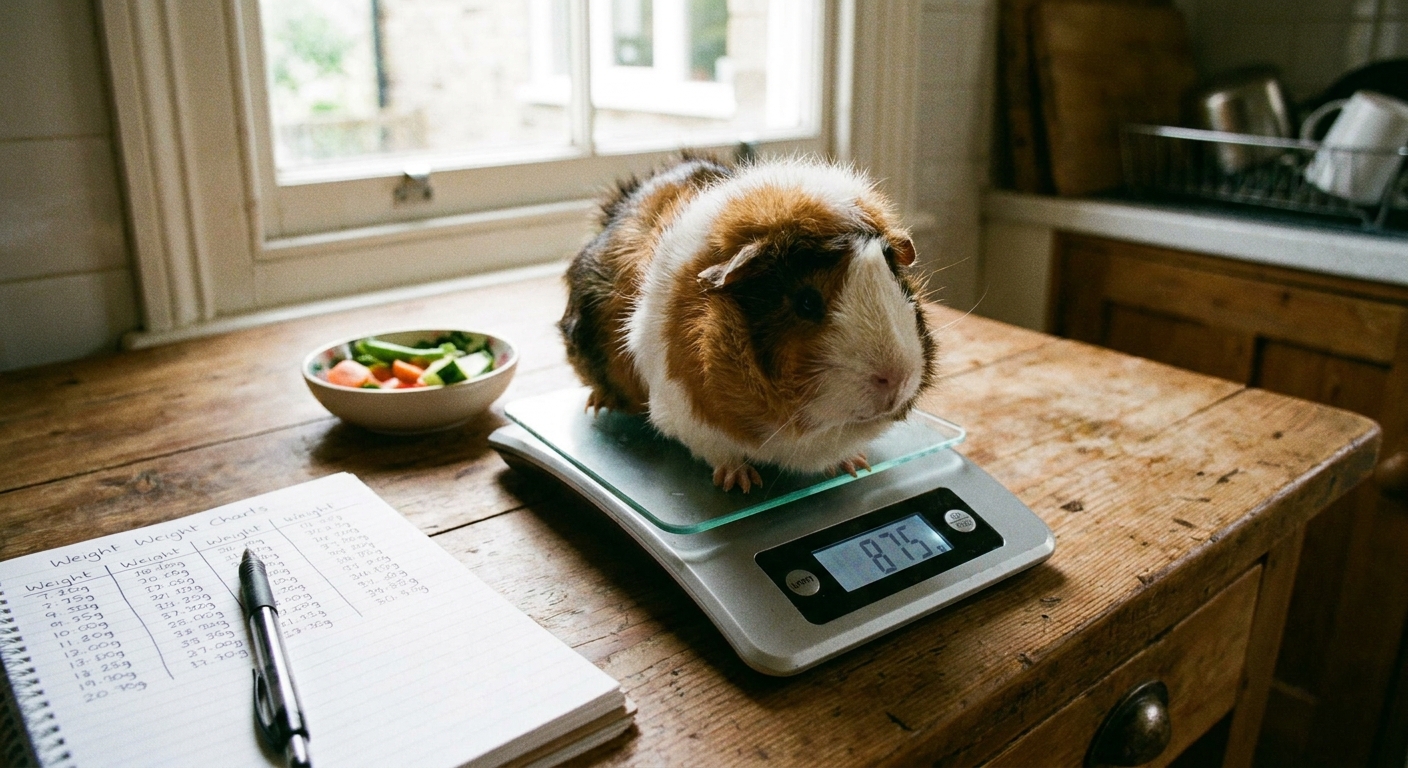
Daily checklist
- Hay: unlimited grass hay (the digestive foundation)
- Vitamin C veggie: bell pepper daily, plus rotating herbs and greens
- Pellets: small measured portion of guinea pig pellets (helpful, not a vitamin C guarantee)
- Fresh water: plain, changed daily
- Backup plan: chewable vitamin C tablets or vet-approved liquid for days when veggies are refused
FAQ
Can I put vitamin C in my guinea pig’s water?
I do not recommend it for most homes. Even with stabilized products, dosing is unreliable because you cannot control how much your guinea pig drinks. Vitamin C also degrades with time and light, and it can change the taste and reduce drinking. Food and direct-dose supplements are much more consistent.
Is too much vitamin C dangerous?
Vitamin C is water-soluble, so excess is typically excreted, but that does not mean more is always better. Over-supplementing can cause digestive upset in some pigs, and extremely high long-term dosing is something to discuss with your vet, especially if your guinea pig has urinary or bladder issues. If you suspect scurvy or your pig is unwell, work with an exotics vet on dosing.
What is the easiest vitamin C food to feed every day?
Bell pepper is the easiest daily staple for most guinea pigs. It is widely available, stores well, and most pigs love the crunch.
My guinea pig refuses veggies. What now?
Start by offering tiny, consistent portions daily, experimenting with shapes and temperatures. If refusal persists, use a chewable guinea pig vitamin C tablet or a vet-approved liquid for reliable intake, and schedule a vet check to rule out dental pain or illness.
When to call the vet
If you see limping, sudden stiffness, not eating, weight loss, or your guinea pig seems painful when touched, treat it as urgent. Vitamin C deficiency can escalate, and guinea pigs can decline quickly when they stop eating. An exotics veterinarian can assess for scurvy, dental issues, arthritis, injury, or infection and help you get the right plan in place.
Daily vitamin C is one of the simplest ways to stack the odds in your guinea pig’s favor. Pick a routine you can do on your busiest day, and your pig will thank you loudly, usually at the exact moment you open the fridge.