A practical, foster-tested guide to meeting your guinea pig’s vitamin C needs with fresh foods and safe supplements, plus scurvy warning signs to watch for.
Rabbit Cove
Safe and Toxic Vegetables for Rabbits and Guinea Pigs
A clear, rescue-tested guide to vegetables for rabbits and guinea pigs: safe daily leafy greens, veggies to limit, and foods that are toxic or unsafe. Plus serving sizes, pellets, and intro tips.

Chloe Miller
Chloe Miller is a dedicated small-pet enthusiast and experienced foster parent who has spent over a decade caring for rabbits and guinea pigs. Through her hands-on work with local animal rescues, she shares practical, compassionate advice on housing, nutrition, and daily enrichment to help small pets thrive. When she isn't designing custom indoor enclosures, Chloe can be found coaxing shy rescues out of their shells with fresh cilantro.
Published
October 22, 2026
Updated
October 22, 2026
If you have ever stood in the produce aisle with a bunch of greens in your hand thinking, “Is this a healthy salad… or a vet visit waiting to happen?” you are not alone. Rabbits and guinea pigs are both small herbivores, but their digestive systems are picky, their calcium and gas sensitivities vary, and the internet is full of confident advice that does not always agree.
This guide breaks vegetables into three simple categories: safe for regular feeding, limited treat veggies, and toxic or unsafe foods to avoid. I will also show you how to introduce new greens without upsetting delicate bellies and how rabbit vs guinea pig needs differ, especially for vitamin C.
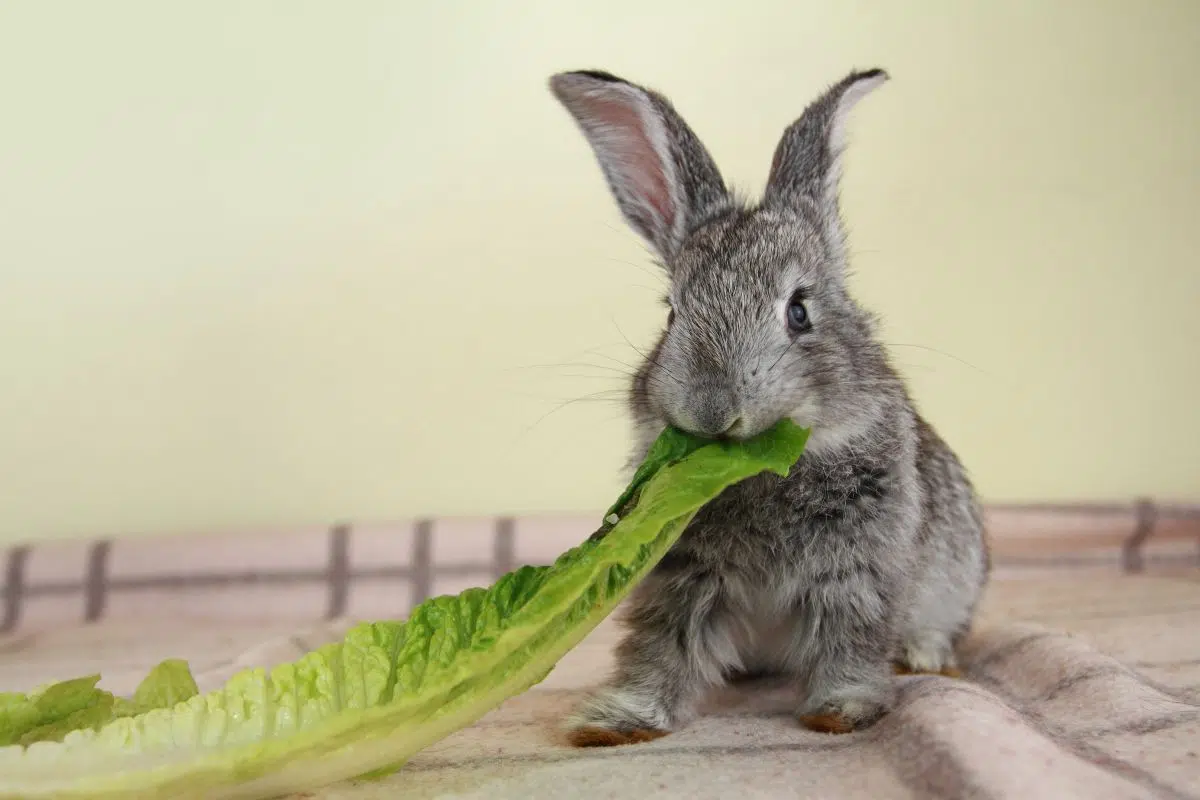
Before the veggie list
1) Hay is the main course
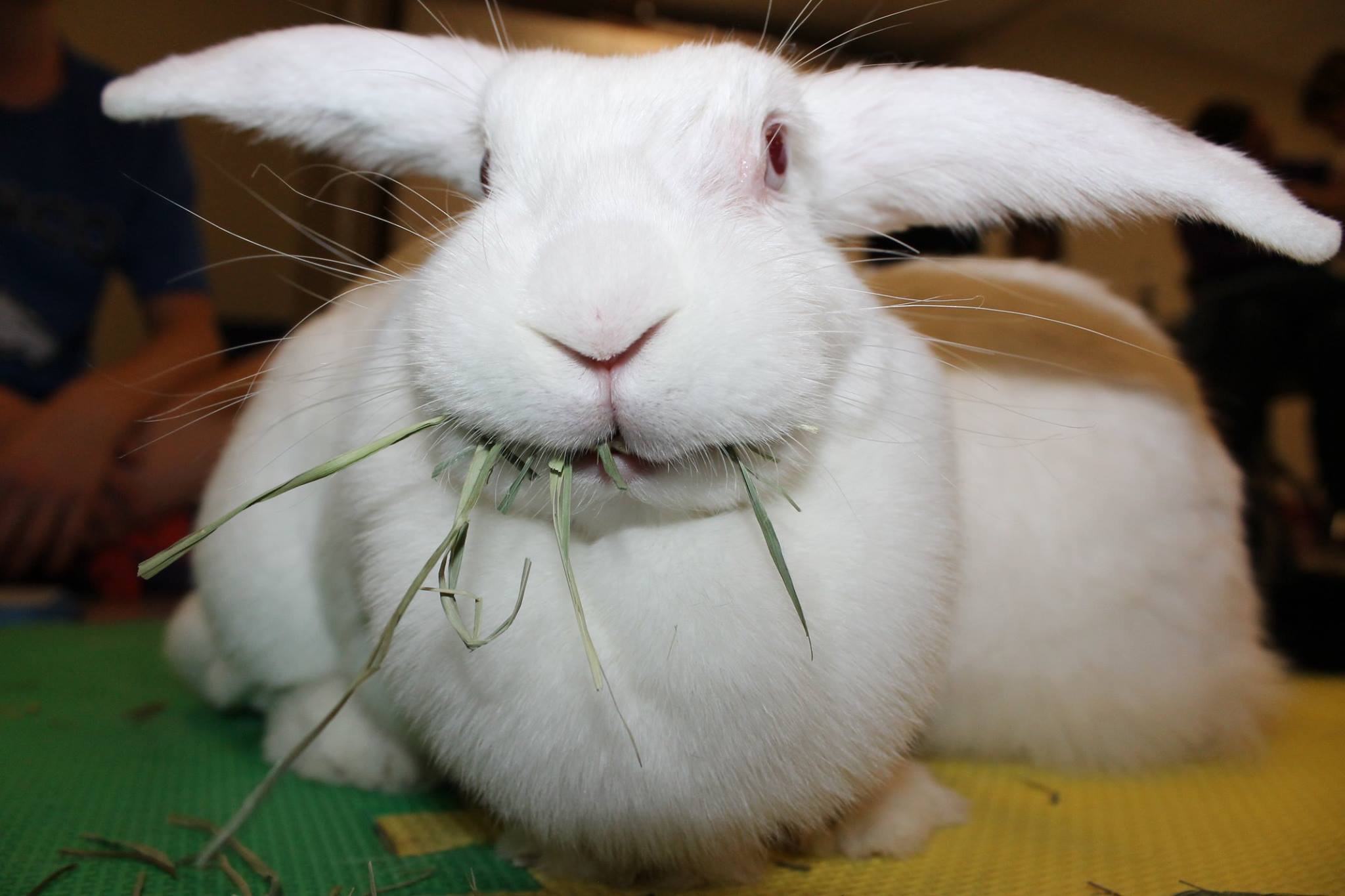
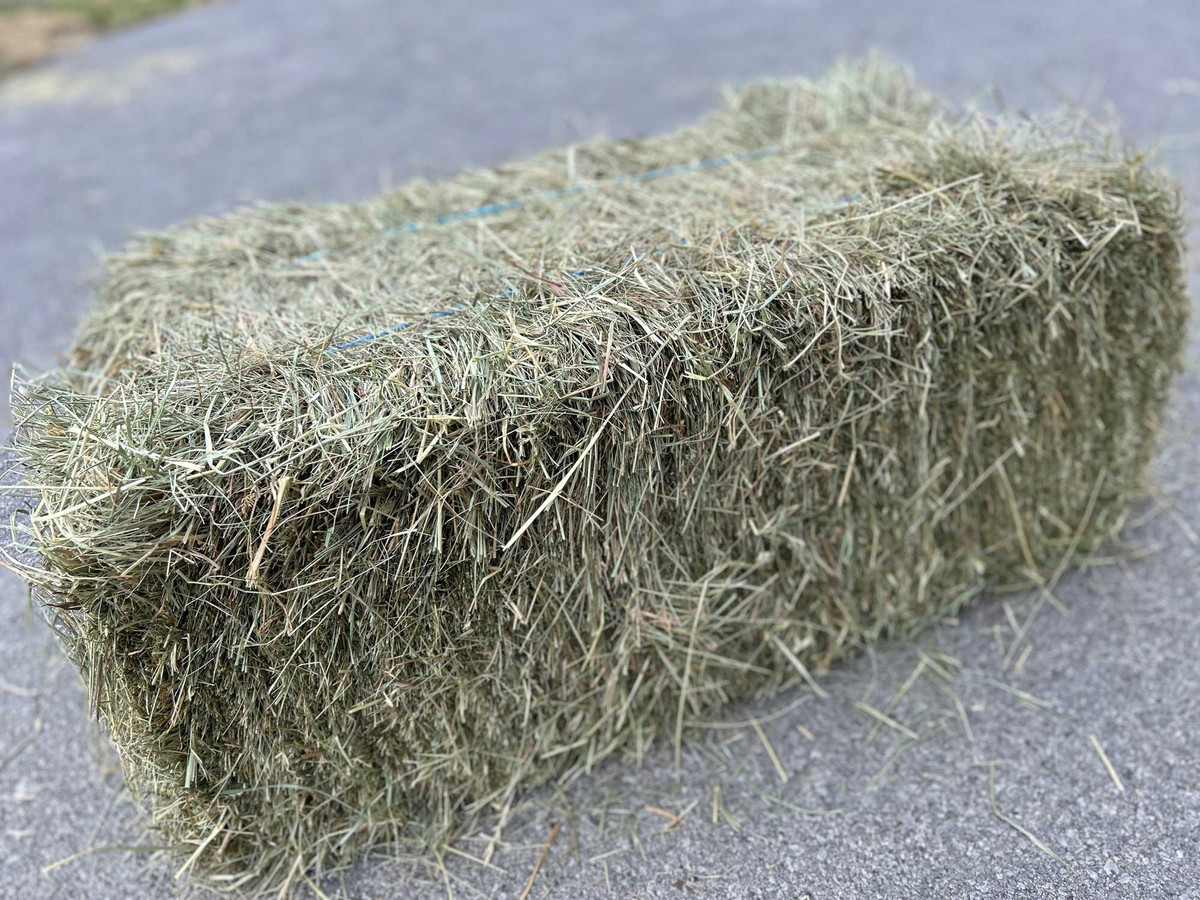
Vegetables are important, but they are the side dish to unlimited grass hay. Hay keeps the gut moving and teeth wearing properly. When a rabbit or guinea pig fills up on rich veggies and skimps on hay, you can see soft stool, gas, and picky eating fast.
2) Rabbits and guinea pigs are not identical
- Guinea pigs must get vitamin C daily (they cannot make their own). Veggies like bell pepper and leafy greens help a lot.
- Rabbits are often more sensitive to sugars and starchy vegetables and can develop cecal imbalance more easily. In plain terms, that means the gut bacteria can get thrown off, leading to soft stool and tummy trouble.
- Calcium matters a lot for many rabbits, especially those prone to bladder sludge or stones. Some higher-calcium greens can be fine in rotation, but they are not ideal as the only green every day.
- Some guinea pigs are also stone-prone. If your pig has urinary issues, it is worth being thoughtful about high-calcium greens and getting a vet-approved plan.
3) “Safe” still depends on portion size
Even safe vegetables can cause problems if you feed a huge bowl on day one. Think variety over volume.
4) Wash well and keep it simple
Rinse greens thoroughly, skip dressings or seasonings, and avoid anything cooked in oil, butter, salt, or garlic. Plain and leafy wins every time.
How much to feed
Rabbits
- Leafy greens: about 1 loosely packed cup per 2 pounds (about 0.9 kg) of body weight daily, split into 1 to 2 servings.
- Non-leafy vegetables: small portions a few times per week, depending on the vegetable.
Note: Baby rabbits and juveniles have different needs. For young rabbits, introduce greens later and slowly, and prioritize hay and appropriate pellets.
Guinea pigs
- Daily vegetables: about 1 cup per pig per day, with vitamin C rich options included (bell pepper is a favorite in my foster room).
- Leafy greens: part of the daily cup, rotated for variety.
Every animal is an individual. If your pet is prone to soft stool, bladder issues, or bloaty gassiness, you may need a more conservative menu.
Safe leafy greens
These are the greens I reach for most often in rescue care because they are generally well tolerated and easy to rotate. “Regular feeding” does not mean you must feed all of them at once. Aim for 2 to 4 different greens across the week.
Staple greens (great in rotation)
- Romaine lettuce
- Green leaf lettuce
- Red leaf lettuce
- Butter lettuce (Bibb, Boston)
- Escarole
- Endive
- Spring mix (check that it is mostly lettuces, not heavy spinach or beet greens)
- Cilantro (a magical bribe for shy rescues)
- Basil
- Mint (strong aroma, offer modest amounts at first)
- Dill
- Arugula (peppery, introduce slowly)
- Radicchio
Vegetables to limit
These foods are not “bad.” They are just the ones that commonly cause gas, soft stool, excessive calcium intake, or too much sugar when fed often. If your rabbit or guinea pig is doing great on a certain limited item, you can keep it in the rotation, just not as the foundation.
Higher calcium greens (rotate)
- Kale
- Collard greens
- Mustard greens
- Turnip greens
- Dandelion greens (nutritious, but rich)
- Parsley (great for vitamin C, but not an everyday-only green)
Gas-prone crucifers (tiny portions)
- Broccoli (including stems and leaves)
- Cauliflower
- Brussels sprouts
- Cabbage
Some animals can handle a little broccoli leaf with no issue. Others turn into tiny balloon animals. Let your pet, and their poop, be your guide.
Sweeter or starchier vegetables (treat category)
- Carrot (yes, it is a treat)
- Beets
- Sweet potato (not toxic, just very starchy and usually served cooked or seasoned, so it is generally not recommended)
- Peas (especially dried or in mixes, best avoided)
Watery vegetables (fine add-ons)
- Cucumber
- Celery (slice thin to reduce stringy pieces)
- Zucchini
Watery veggies can be useful for hydration, but they do not replace leafy greens and hay.
Bell pepper notes (especially for guinea pigs)
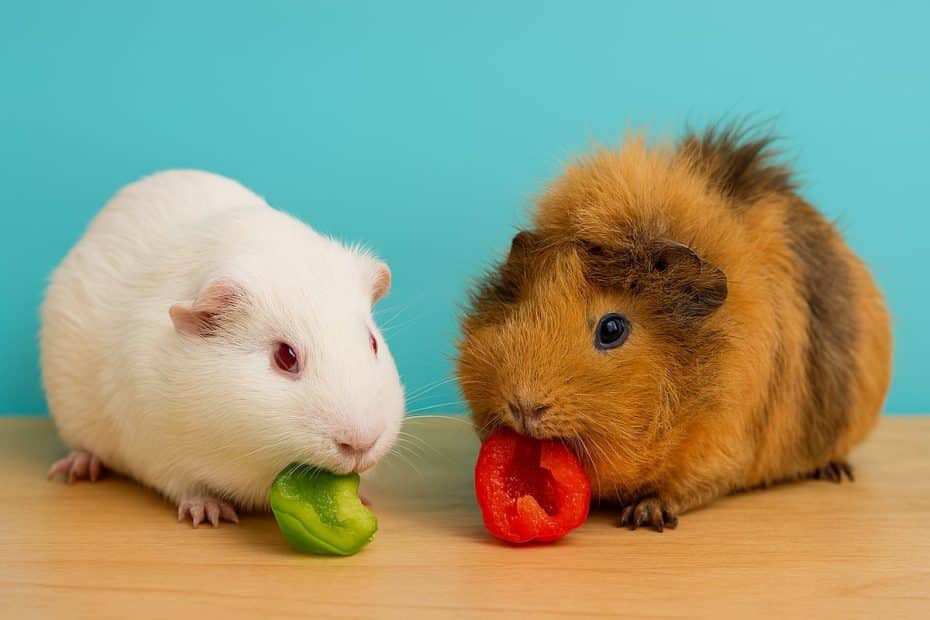
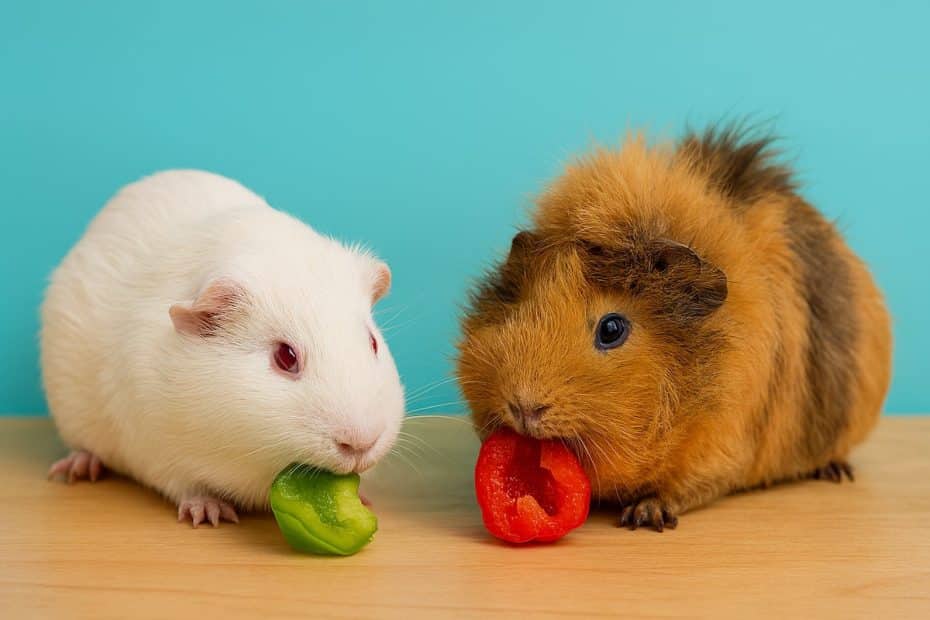
Bell pepper is a daily superstar for guinea pigs because it is high in vitamin C. For rabbits, it is usually fine in modest amounts. Remove the stem and core. Many people discard the seeds too, which is fine.
- Green bell pepper is typically less sweet than red, so it is often a nice starting point.
- Red and yellow are fine but a bit sweeter.
Toxic or unsafe foods to avoid
This section includes two kinds of “do not feed” foods: items that are truly toxic, and items that are unsafe or inappropriate because they are too starchy, pose choking or impaction risk, or commonly trigger serious GI upset.
Toxic plants and alliums
- Onion (all forms)
- Garlic (all forms)
- Leeks
- Chives
- Shallots
Alliums can cause dangerous changes to red blood cells. Even small amounts are not worth the risk.
Rhubarb
- Rhubarb (avoid the whole plant to be safe)
Rhubarb leaves are especially risky. Because guidance varies and it is not a common “need to feed” vegetable anyway, I treat rhubarb as a hard no.
Avocado
- All avocado parts (flesh, skin, pit)
Avocado contains persin and is also too fatty for these species.
Potatoes and similar starchy items
- White potato (raw or cooked)
- Potato leaves or sprouts (especially unsafe)
- Chips, fries, cooked potato foods
These do not belong in a small herbivore diet.
Iceberg lettuce (not worth it)
- Iceberg lettuce
Iceberg is not a dramatic poison, it is just low in nutrients and very watery. In some pets, large amounts can contribute to loose stool. Choose romaine or leaf lettuce instead.
Corn, seeds, and snack mix ingredients
- Corn (kernels, cob, dried corn, popcorn)
- Seeds and nuts
- Dried peas or beans
- Anything in colorful pet store mixes
Corn is not typically described as toxic. It is mostly a problem because it is starchy, not very useful nutritionally for these species, and it can be hard to digest. Dried pieces, popcorn, and mix-in “bits” are also choking risks and can contribute to gut slowdown.
Cooked, seasoned, or pickled vegetables
- Cooked veggies made with oil, butter, salt, sauces, or seasoning
- Pickles and anything brined
If it would taste good on a sandwich, it probably does not belong in your rabbit or guinea pig salad bowl.
Quick-reference lists
If you just need the cheat sheet, here it is. Use it as a starting point, then customize based on your pet’s stool quality, appetite, urine output, and overall comfort.
Great daily or near-daily options (rotate)
- Romaine, green leaf, red leaf, butter lettuce
- Endive, escarole, radicchio
- Cilantro, basil, dill, mint (start small)
- Bell pepper (especially for guinea pigs)
- Zucchini (as part of the mix)
Limit to small portions
- Kale, collards, mustard greens, turnip greens
- Parsley, dandelion greens
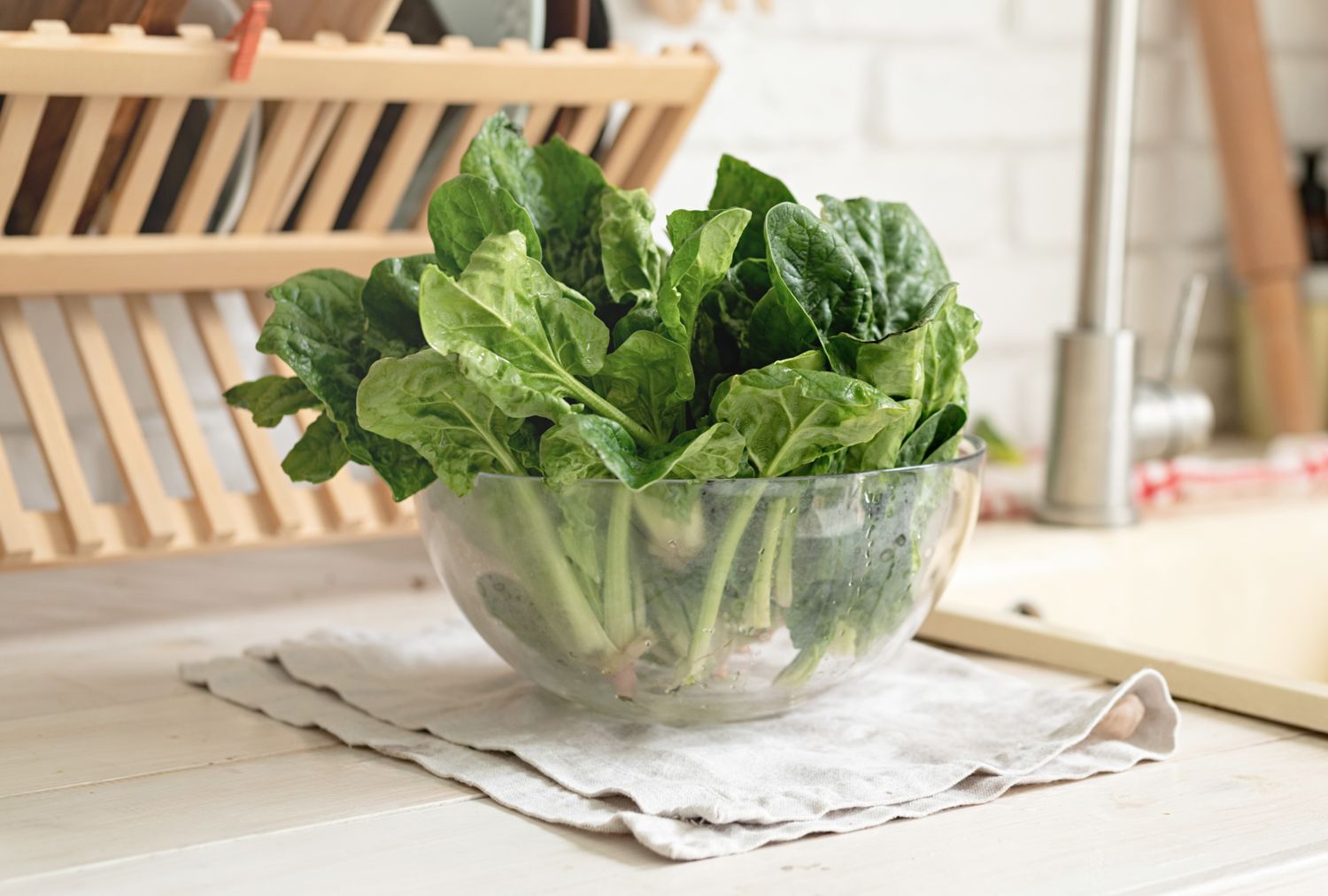
- Spinach (occasional for many pets)
- Broccoli, cauliflower, cabbage, Brussels sprouts
- Carrot, beet, sweeter peppers (more often for pigs than rabbits)
- Cucumber, celery (thinly sliced)
Avoid completely
- Onion, garlic, chives, leeks, shallots
- Avocado
- Rhubarb
- Potato and potato plant parts
- Corn, seeds, nuts, dried legumes, treat mixes
- Pickled or seasoned vegetables
How to introduce new vegetables
This is the part that saves you from 2 a.m. panic Googling while staring at a suspicious poop.
Step-by-step
- Start with one new item at a time. A single leaf or a small bite is plenty on day one.
- Wait 24 hours. Watch for soft stool, reduced appetite, hiding, tooth grinding, or a bloated belly.
- Increase slowly. If all looks normal, offer a little more the next day.
- Build a rotation. Once you have 5 to 8 well tolerated greens, life gets easier.
Signs a veggie did not agree
- Soft stool, diarrhea, or messy bottom
- Fewer poops, smaller poops, or no poops
- Not eating hay like normal
- Hunched posture, reluctance to move
- Swollen or tight belly, obvious discomfort
If your rabbit or guinea pig is not eating, has no droppings, or seems painful, treat it as urgent and contact an experienced exotic vet.
Guinea pigs and vitamin C
Because guinea pigs need vitamin C daily, owners sometimes lean too hard on fruit. Fruit is fine as an occasional treat, but vegetables are the better daily tool.
High vitamin C veggie picks
- Bell pepper (top pick)
- Parsley (rotate)
- Kale (rotate, higher calcium)
- Small amounts of broccoli (watch gas)
If you use a vitamin C supplement, choose one recommended by your vet. Avoid vitamin drops in water bottles since they degrade quickly and can reduce drinking.
Rabbits and calcium
Some rabbits process calcium in a way that leads to thick, creamy urine or bladder sludge. If your rabbit has a history of sludge or stones, work with your vet and consider:
- Prioritizing lower calcium lettuces as staples
- Using higher calcium greens (kale, parsley, dandelion) as occasional rotation items
- Encouraging hydration with fresh water, wet rinsed greens, and plenty of movement
Do not panic over a single kale leaf. The goal is the overall pattern.
Pellet note
If you feed pellets, keep them plain and purposeful. For adult rabbits, that usually means a timothy-based pellet with no seeds, nuts, dried fruit, or colorful bits. For guinea pigs, choose a guinea pig pellet that includes stabilized vitamin C, again with no mix-ins. Pellets should support the hay and veggie diet, not replace it.
Veggie safety FAQs
Can rabbits and guinea pigs eat spinach?
Often, yes in small, occasional portions. Spinach is nutrient dense but can be high in oxalates and may not be ideal as a daily staple, especially for animals with urinary concerns. Rotate it instead of repeating it every day.
Is kale safe?
Kale is safe for many rabbits and guinea pigs, but it is a rotate, not a base green due to calcium and potential gas issues. If your pet gets gassy or has urinary concerns, keep it occasional.
Why is iceberg lettuce discouraged?
It is mostly water with low nutrient value. In some pets, big servings can contribute to loose stool simply because it displaces more fiber-rich greens and hay. Romaine and leaf lettuces are a much better payoff.
Can they eat carrot every day?
Carrot is a treat. A thin slice now and then is plenty for most rabbits, and moderate for guinea pigs. Daily carrot tends to crowd out hay and adds extra sugar.
What about tomato or cucumber?
Cucumber is usually fine in small amounts as a hydrating add-on. Tomato is not my go-to for regular feeding because of acidity and sugar. If offered at all, keep it rare and remove stems and leaves, which you should not feed.
Simple safe salad examples
If you want a practical starting bowl, here are two sample mixes I use as a mental anchor. Adjust to your pet’s size and tolerance.
Rabbit salad idea
- Romaine or red leaf lettuce
- A small handful of cilantro
- Endive or escarole
- A thin slice of bell pepper a couple times per week
Guinea pig daily bowl idea
- Bell pepper (a few strips)
- Romaine or green leaf lettuce
- A small sprig of parsley or cilantro
- Optional add-on: a few cucumber slices or a bit of zucchini
Final thought
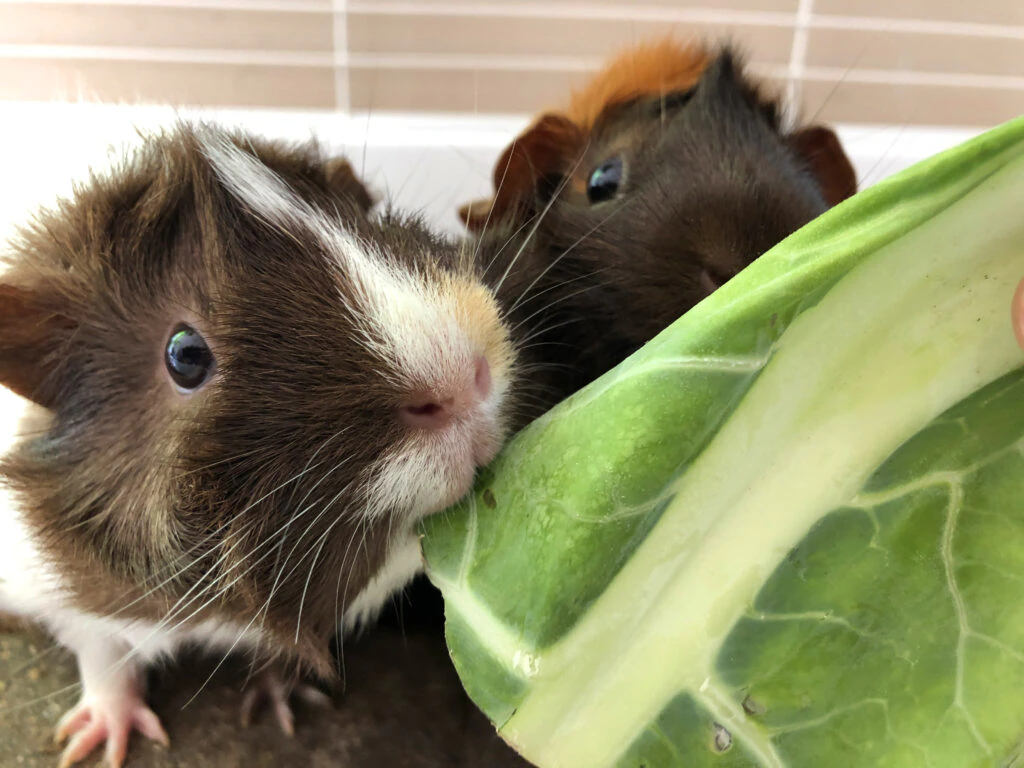
The healthiest small herbivore diets are not fancy. They are consistent: unlimited hay, a measured pellet (if you use one), and a rotating selection of safe greens. If you keep treats truly treat-sized and avoid the toxic and unsafe items above, you will be miles ahead of outdated pet store advice.
If you want, tell me your rabbit or guinea pig’s age, weight, and current veggie list, and I can help you fine-tune a rotation that fits their tummy and your grocery routine.