A practical, rescue-tested guide to choosing hay for rabbits and guinea pigs by age, weight, and health, plus shopping tips and common mistakes to avoid.
Rabbit Cove
Low-Calcium Diets for Rabbits and Guinea Pigs
Prevent bladder sludge and stones with smart calcium choices. Learn which hay, pellets, and veggies support urinary health in rabbits and guinea pigs.

Chloe Miller
Chloe Miller is a dedicated small-pet enthusiast and experienced foster parent who has spent over a decade caring for rabbits and guinea pigs. Through her hands-on work with local animal rescues, she shares practical, compassionate advice on housing, nutrition, and daily enrichment to help small pets thrive. When she isn't designing custom indoor enclosures, Chloe can be found coaxing shy rescues out of their shells with fresh cilantro.
Published
October 22, 2026
Updated
October 22, 2026
If you have ever found a chalky white patch where your rabbit peed or noticed your guinea pig straining in the litter area, you have likely encountered one of the most frustrating small-pet health issues: urinary sludge and stones. These problems are not just uncomfortable. They can turn into emergencies quickly.
The good news is that for many rabbits and guinea pigs, diet changes and better hydration make a real difference. The tricky part is that “low calcium” does not mean “no calcium.” Calcium is essential for bones, teeth, nerves, and muscle function.
What we are aiming for is appropriate calcium. Pair that with great hydration, high fiber, and consistent habits that keep the bladder emptying regularly.
Sludge vs. stones
Bladder sludge is thick, gritty urine made of mineral crystals and sediment. This “sludgy” urine is most commonly discussed in rabbits, where urinary calcium excretion is normal and can sometimes become excessive. You might see toothpaste-like urine, a strong odor, urine scald on the back end, or wet fur around the genitals.
Bladder or kidney stones are hardened mineral masses (often calcium-based) that can irritate the urinary tract or block urine flow. Stones can cause pain, blood in urine, hunched posture, reduced appetite, and straining. A complete blockage is an emergency.
Both conditions need veterinary guidance. Diet can help reduce risk and prevent recurrence, but stones often require diagnostics like imaging (x-rays or ultrasound) and, depending on location and size, may involve procedures such as flushing techniques, endoscopic approaches, or surgery (often a cystotomy for bladder stones). Urethral obstruction may require emergency stabilization and decompression.
Why calcium matters (rabbit vs. guinea pig)
Rabbits
Rabbits absorb a larger proportion of dietary calcium through their gut than many other mammals. Excess calcium is commonly excreted in the urine. That is why rabbit urine can naturally look cloudy. Cloudy is not automatically bad, but thick, gritty, sandy, or paste-like urine is a red flag.
This is also why dietary calcium can influence urinary calcium more directly in rabbits than in many species. Small changes in overall diet can show up fast in the litter box.
Guinea pigs
Guinea pigs regulate calcium differently than rabbits, but they can still develop urinary stones, especially if they are prone genetically, are overweight, or have chronic dehydration. While owners sometimes describe “sludge,” guinea pigs more often present clinically with uroliths (stones) and urinary discomfort. Guinea pigs also require daily vitamin C, which influences how we choose pellets and vegetables.
When to see a vet now
Diet tweaks are not a substitute for urgent care. Contact an experienced exotics vet promptly if you notice:
- Straining to urinate, crying out, or producing only tiny drops
- No urine output or repeated attempts without success (emergency)
- Blood in urine (red or pink staining) that is not clearly food-related
- Hunched posture, tooth grinding, sudden hiding, or refusing food
- Wet, irritated skin around the genitals or inner thighs
- A strong ammonia smell paired with gritty urine
Bring a fresh urine sample if you can, and take photos of any unusual urine spots. It helps your vet more than you would think.
One more reason to move quickly: pain can trigger reduced eating, and in rabbits especially that can spiral into gut slowdown. Prompt pain control and support care can be just as important as the long-term diet plan.
The foundation
Hay
High-fiber hay keeps the gut moving, supports healthy bacteria, and encourages natural grazing. It also helps keep weight stable, which matters because sedentary, overweight pets often drink less and move less, both of which can worsen urinary issues.
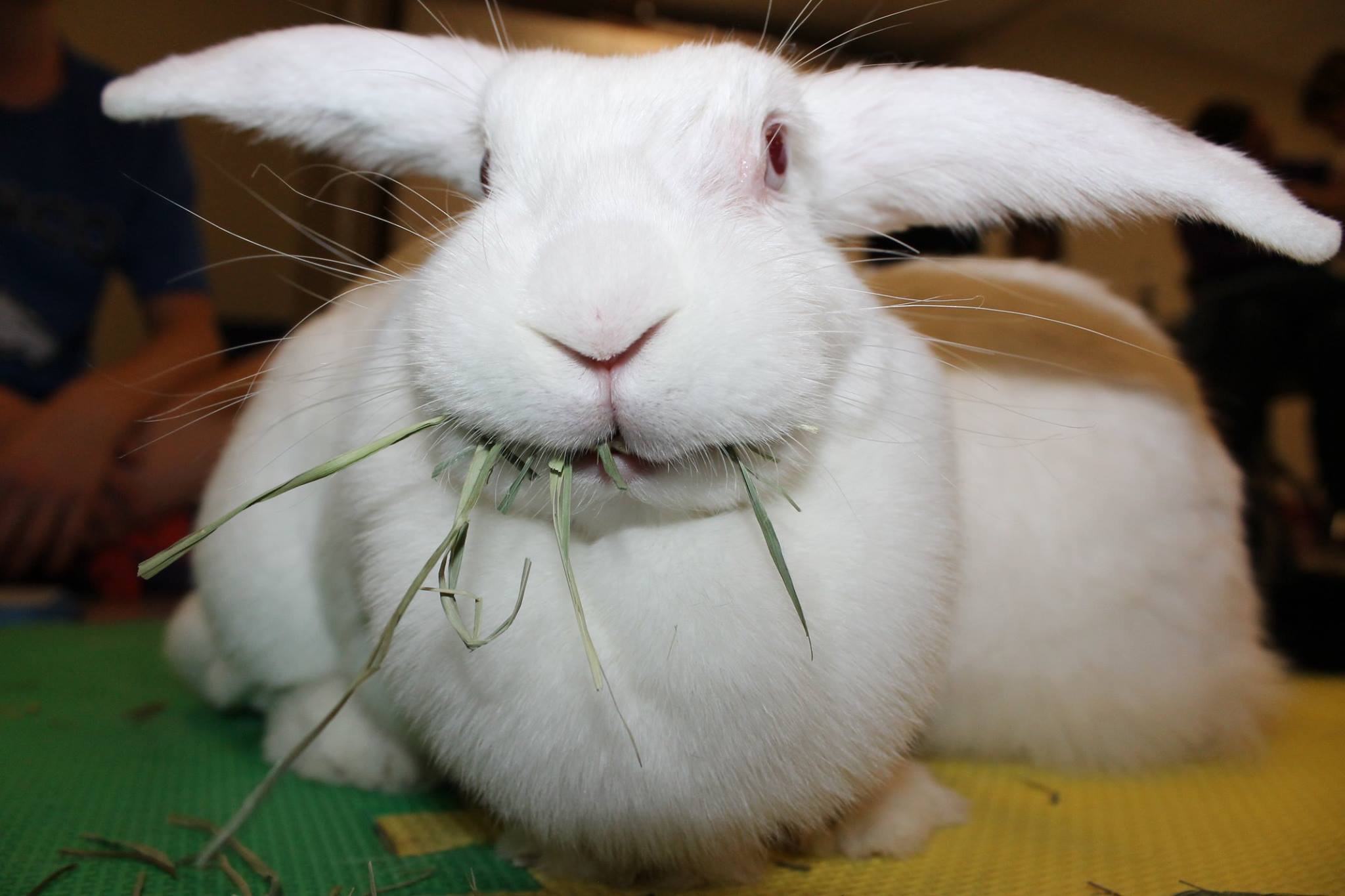
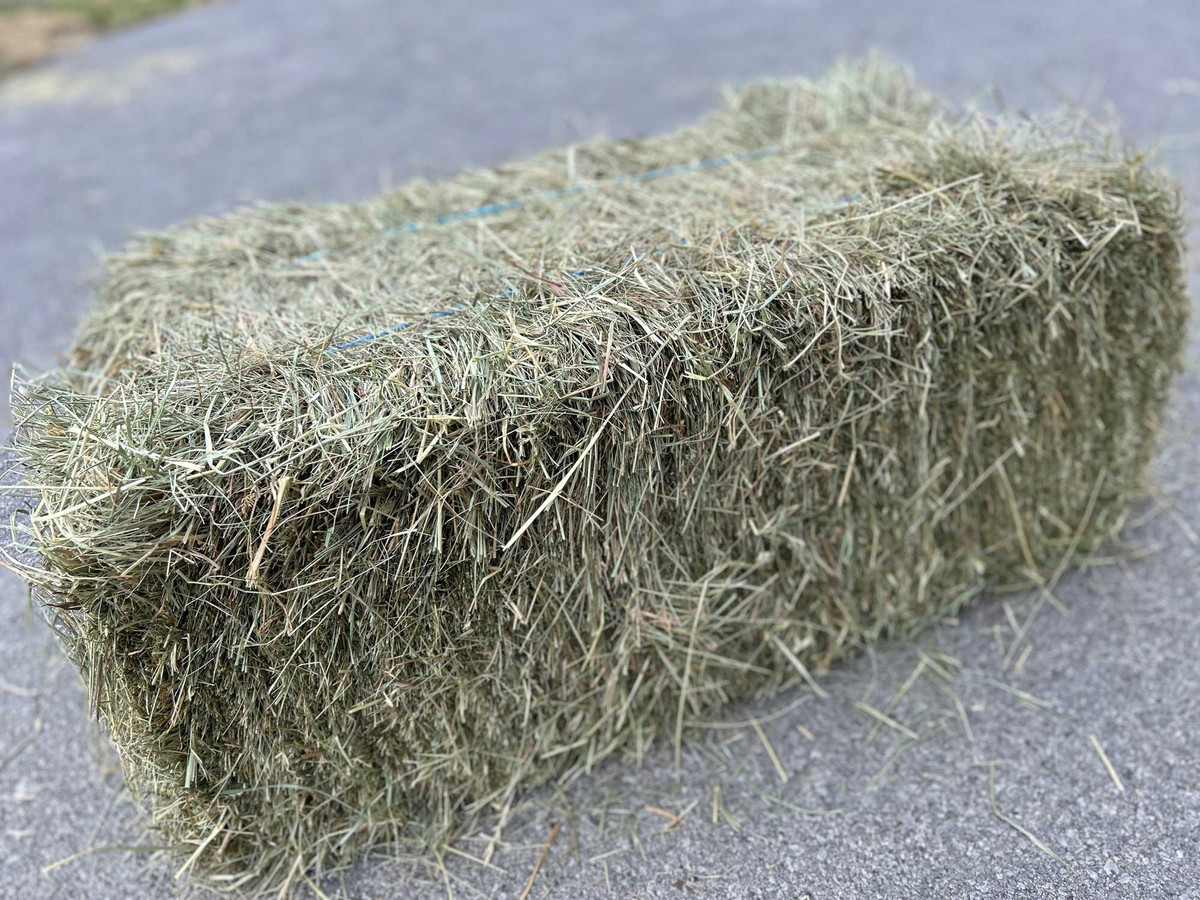
For most adult rabbits and guinea pigs: choose a grass hay as the daily staple.
- Timothy hay: classic choice, generally moderate calcium
- Orchard grass: softer, often tempting for picky hay eaters
- Meadow hay: variety can encourage better intake
- Oat hay: a nice mix-in; watch the seed heads for pigs that gain weight easily
Use alfalfa strategically: it is higher in calcium and protein. It is great for growing youngsters, underweight rescues, and some seniors who truly need the extra calories, but it is not usually ideal as the main hay for healthy adults with sludge or stone history.
Water
Concentrated urine encourages crystal formation. The goal is simple: more hydration, more frequent urination, less sediment sitting in the bladder.
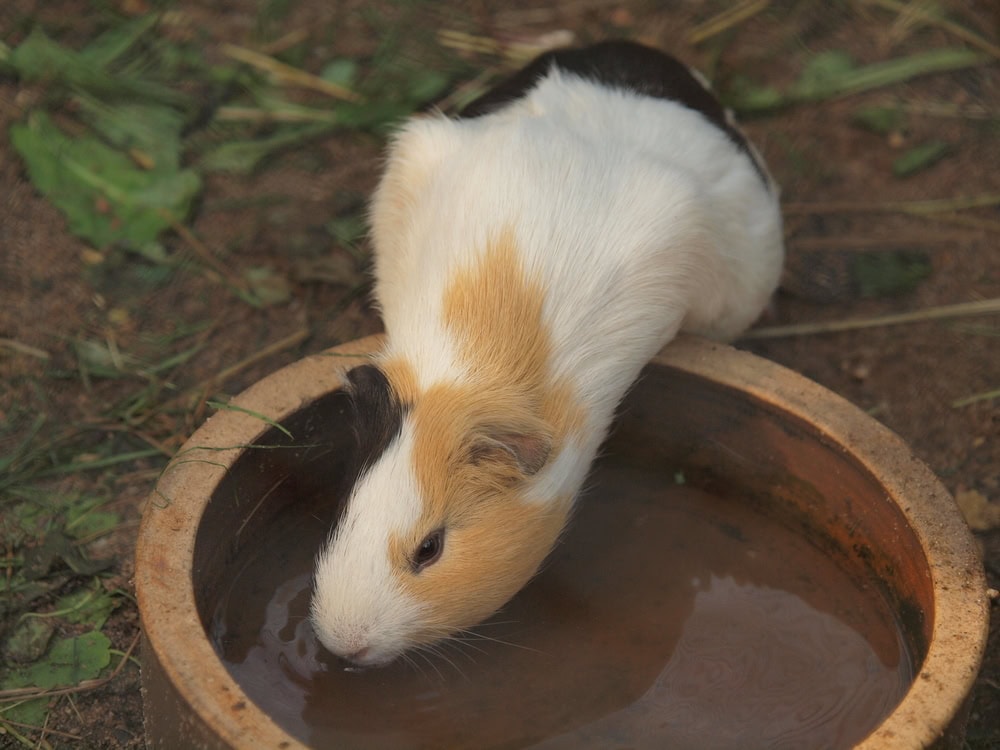
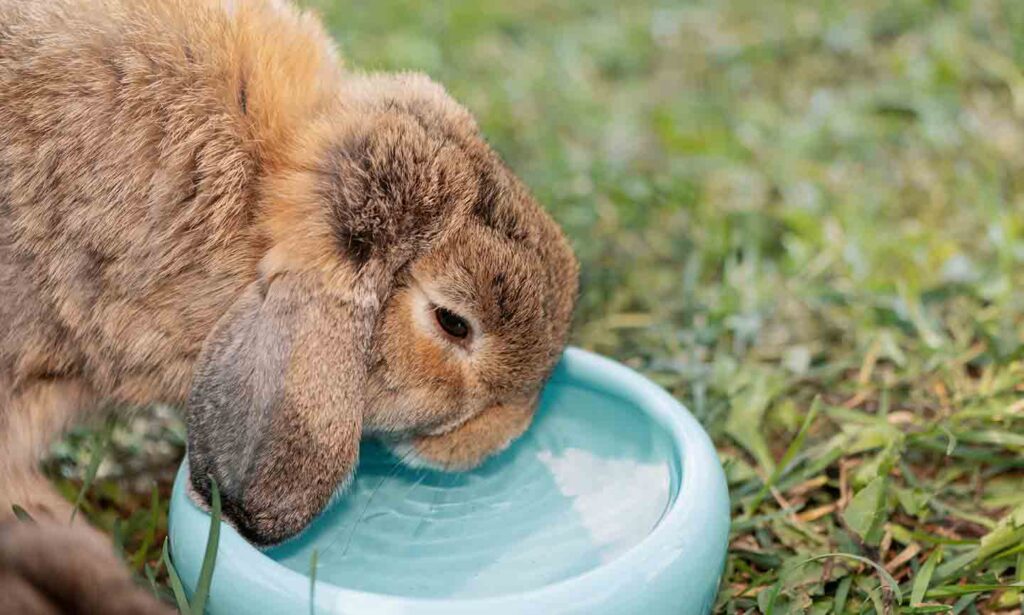
- Offer a bowl (heavy ceramic is my favorite). Many rabbits and guinea pigs drink more from bowls than bottles.
- Keep it fresh. Rinse daily and wash with soap regularly to remove biofilm.
- Place water where they lounge. Convenience matters.
- Flavor only if needed. If your vet approves, a tiny splash of unsweetened carrot juice can encourage a reluctant drinker short-term, but do not make it a habit.
Movement
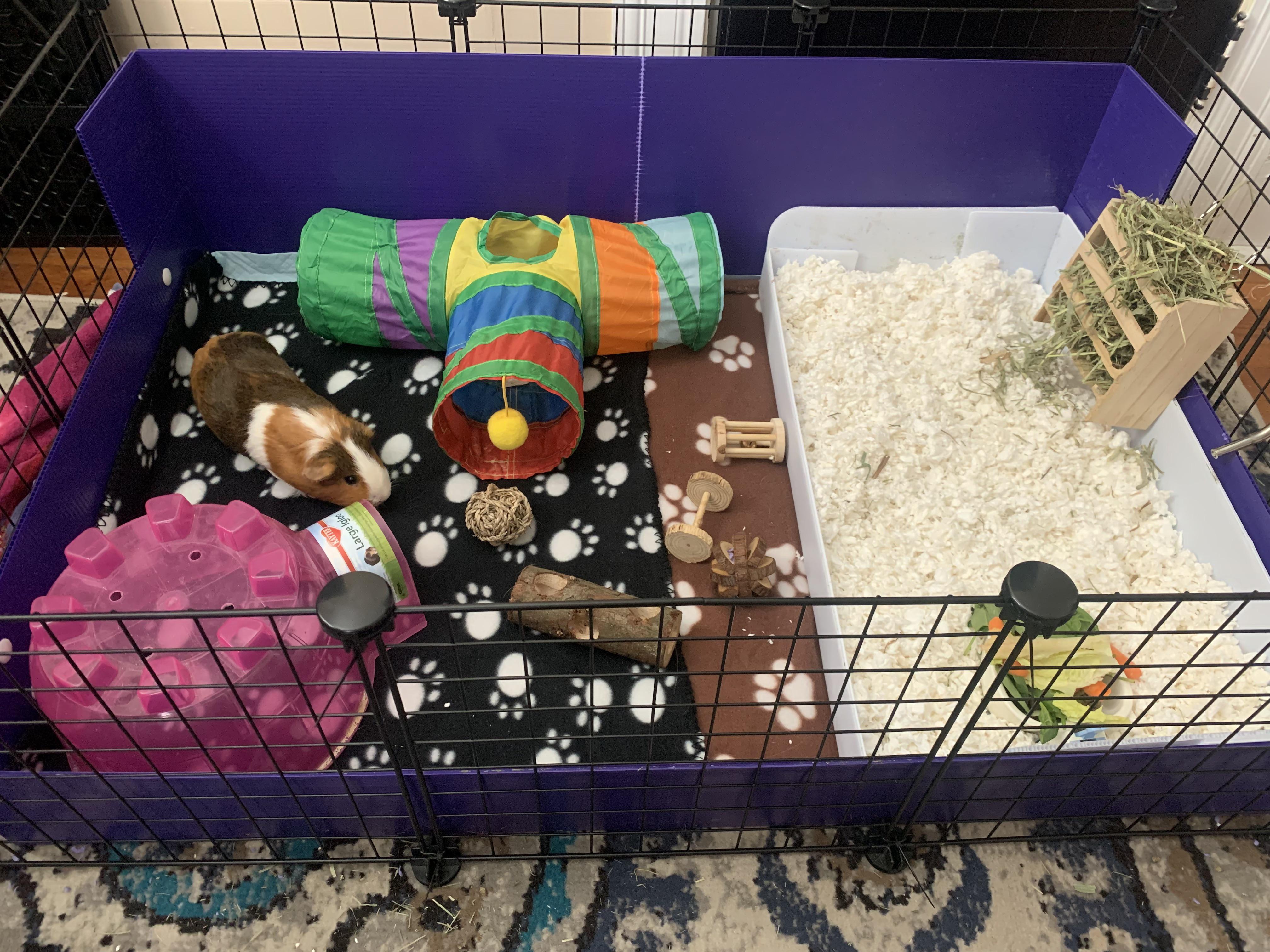
Regular exercise encourages normal urination patterns and helps keep weight in check. Give plenty of safe floor time, hiding spots, and enrichment that encourages wandering and foraging.
Pellets
Pellets are where calcium can quietly pile up, especially when portions creep upward. The ideal pellet supports fiber intake without turning dinner into a calcium supplement.
For rabbits
- Choose timothy-based pellets for most adults.
- Avoid alfalfa-based pellets for healthy adults with a sludge or stone history unless your vet specifically recommends them.
- Look for simple formulas: plain pellets, no seeds, no colored bits, no dried fruit.
- Portion control matters: many adult rabbits do well with a small daily serving (often about 1/8 to 1/4 cup per 5 pounds, depending on body condition and the pellet). If you prefer to measure more precisely, many rabbits fall in the range of roughly 10 to 25 grams per 2.2 pounds (1 kg) daily, adjusted to the pellet’s calorie density and how much hay your rabbit truly eats. Your vet can help fine-tune this.
For guinea pigs
- Choose timothy-based guinea pig pellets with stabilized vitamin C.
- Avoid mixes with seeds and dried fruit.
- Store correctly: vitamin C degrades over time. Buy smaller bags and use within the manufacturer’s freshness window.
- Measure: many adult guinea pigs do best around 1/8 cup per pig daily, but body condition is the real guide. If your pig is gaining weight or ignoring hay, the pellet portion is usually the first knob to turn down.
If your pet has a stone history, ask your vet about the pellet’s calcium level on the guaranteed analysis. Brands vary widely, and “premium” does not always mean “appropriate for urinary issues.”
Vegetables
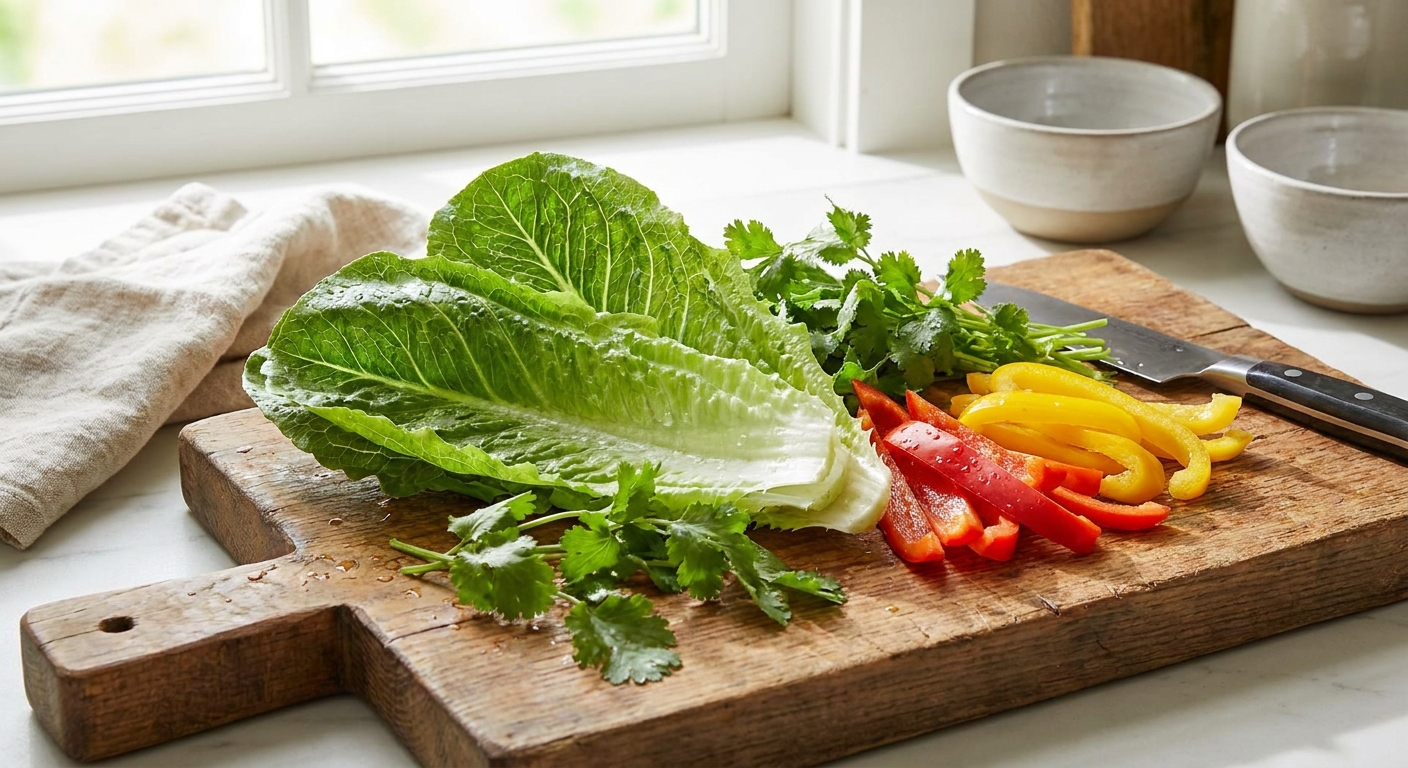
Fresh greens are wonderful for hydration and enrichment, but some are calcium-heavy. Rather than banning everything, I like to build a base of lower-calcium greens and then use the higher-calcium options like a garnish.
Lower-calcium greens
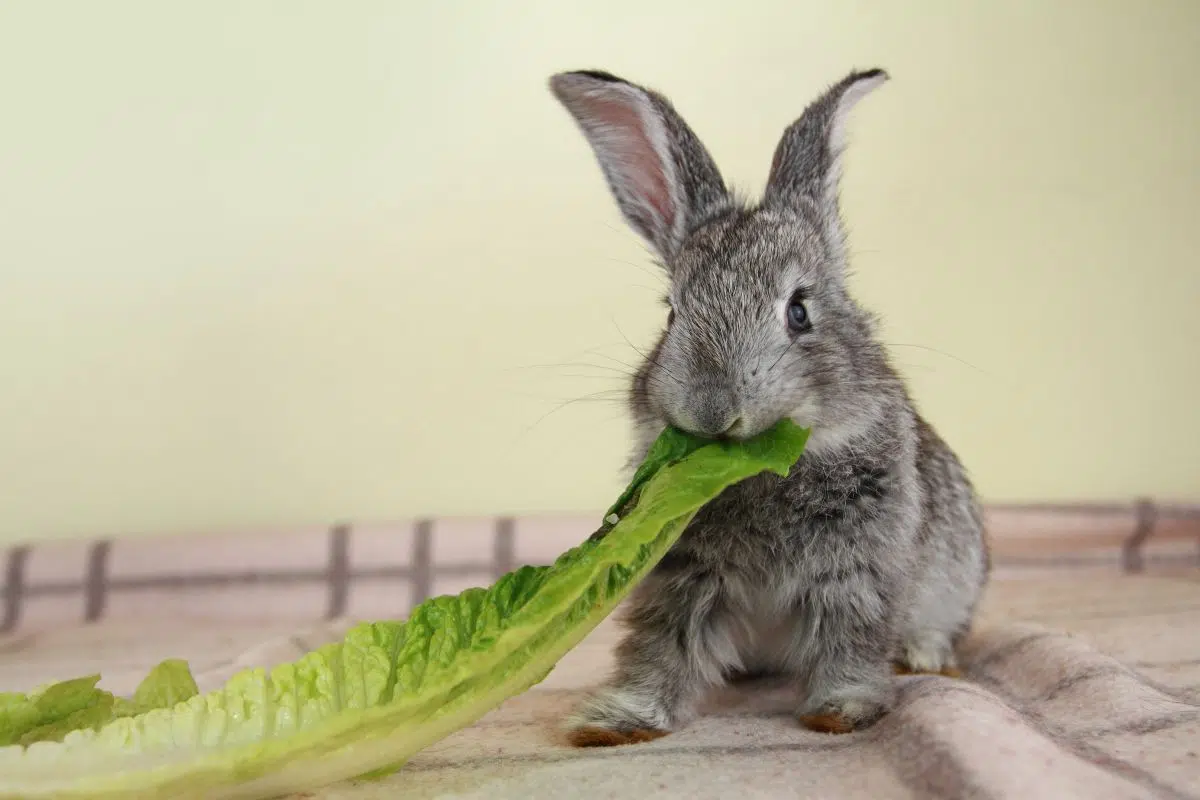
- Romaine lettuce
- Green leaf or red leaf lettuce
- Butter lettuce
- Endive or escarole
- Cilantro (yes, I am biased, and yes, it works on shy rescues)
- Bell pepper (especially great for guinea pigs for vitamin C)
- Cucumber (hydrating, but not very nutrient-dense so use as part of a mix)
- Zucchini
Higher-calcium greens
Use smaller portions or less often if prone to sludge or stones:
- Parsley
- Kale
- Collard greens
- Mustard greens
- Dandelion greens
- Beet greens
Spinach note: spinach is often limited not only because of minerals, but because it is high in oxalates, which can matter for some stone types and for some sensitive individuals. If your pet has a confirmed stone history, your vet can help you decide whether spinach belongs in your rotation at all.
Some pets tolerate the “richer” greens perfectly in rotation. Others build urinary grit quickly. Your individual animal’s history matters more than any single list.
White pee, color changes, and oxalates
Cloudy or white rabbit urine
Rabbit urine can range from pale yellow to orange, and it is often cloudy because of normal calcium excretion. White, chalky residue can happen even in healthy rabbits. The concern is when urine becomes thick, gritty, sandy, or paste-like, or when there are pain signs.
Also worth knowing: some urine color changes can be pigment-related (including from foods) and do not automatically mean blood. When in doubt, especially if behavior or appetite changes, let your vet sort it out with testing instead of guessing.
Oxalates
Oxalates can bind calcium and are sometimes discussed in stone prevention. In practice, for most rabbit and guinea pig households, you will get more benefit from:
- Grass hay as the main food
- Appropriate pellet portions
- Hydration support
- Weight management and movement
If your pet has confirmed stones, your vet can tell you the suspected type and whether oxalate management is relevant.
Sample daily menu
Adult, healthy weight. Use this as a starting point, not a prescription.
Rabbit
- Unlimited grass hay (timothy, orchard, meadow)
- Measured timothy-based pellets (small portion appropriate to size and body condition)
- Greens: a big handful mix such as romaine + cilantro + endive, plus a small slice of bell pepper
- Water: heavy bowl refreshed daily
Guinea pig
- Unlimited grass hay
- Measured vitamin C fortified timothy-based pellets
- Veg: bell pepper daily + romaine or green leaf lettuce + cilantro
- Optional small cucumber slice for extra hydration
- Water: bowl or bottle, or both if you have a messy drinker
Age, pregnancy, dental disease, kidney issues, and stone history can change the plan.
Common feeding mistakes
- Unlimited pellets: common in guinea pig cages and a major cause of unbalanced diets
- Alfalfa for every adult: great for babies, not automatically great for everyone else
- Too many “healthy” herbs: parsley is nutritious, but it adds up fast
- Fruit-heavy treats: sugar can disrupt gut health and does not help hydration long-term
- Not weighing your pet: weight gain often tracks with reduced movement and lower water intake
- Assuming one veggie is the culprit: it is usually the overall pattern plus hydration
Environment upgrades
Litter comfort
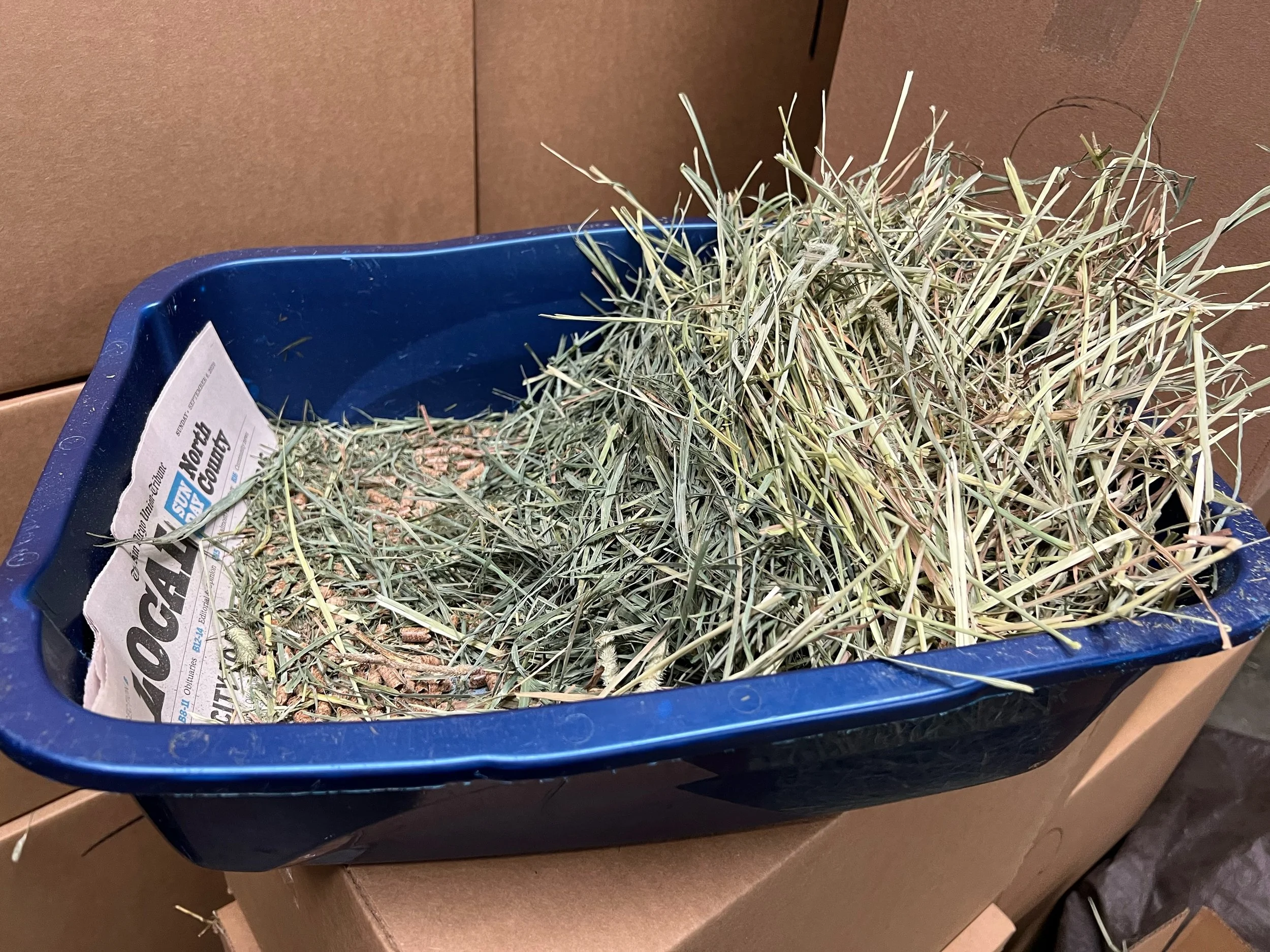
Rabbits, especially, may hold urine if the litter box is uncomfortable. Use a roomy box with low entry, change it often, and choose a soft, absorbent base. If your rabbit is older or arthritic, add a second box so there is always a nearby option.
Stress reduction
Stress can change drinking and eating habits. Provide hideouts, predictable routines, and a calm approach when cleaning or handling. Timid rescues often drink more once they feel safe, which is a small but meaningful win.
Diagnostics and do-not-do list
Not every urinary sign is “just calcium.” Depending on symptoms, your vet may recommend urinalysis, urine culture (if infection is suspected), and imaging to check for stones or sludge. Other problems can mimic urinary disease, including reproductive tract bleeding, bladder inflammation, and other causes of pain that make a pet posture and strain.
Also, please be cautious with internet remedies. Skip cranberry products, urinary acidifiers, “calcium binders,” and supplements unless your exotics vet specifically tells you to use them. The wrong approach can backfire, and it can delay proper pain relief and diagnostics.
FAQs
Should I stop feeding calcium completely?
No. Calcium is essential. The goal is to avoid excessive calcium and to support hydration and steady urine flow. If your pet has kidney disease or recurrent stones, follow your exotics vet’s plan.
Is alfalfa always bad?
Not at all. Alfalfa can be appropriate for young, growing animals, pregnant or nursing females, some underweight rescues, and certain seniors. For many healthy adults with urinary issues, it is better used sparingly or avoided.
Can filtered water prevent sludge?
Hard water can add minerals, but the real-world impact on stones and sludge is not well settled. Most pets benefit far more from simply drinking more water. If your water is very hard and your pet has recurrent issues, ask your vet whether switching water sources is worth trying.
My rabbit has white urine sometimes. Is that sludge?
Not necessarily. Occasional cloudy or white urine can be normal for rabbits. Sludge is more about texture and symptoms: gritty sediment, thick paste-like urine, straining, pain, urine scald, or repeated messes around the box.
Do guinea pigs with stones need a special diet?
Often, yes. Many benefit from careful calcium management, strict pellet portions, and a veggie plan centered on vitamin C rich, lower-calcium options. Because stone type and medical history matter, partner with a vet rather than guessing.
Bottom line
If I could bottle one piece of advice from years of fostering, it would be this: most urinary tract problems get worse when hay intake is low and water intake is lower. Start with unlimited grass hay, measured pellets, and a smart rotation of lower-calcium greens. Then add the unglamorous but powerful upgrades: a water bowl, more movement, and a litter setup your pet actually wants to use.
And if your pet is straining or acting painful, skip the internet detective work and call your exotics vet. Urinary issues move fast, and your rabbit or guinea pig deserves relief just as quickly.