Take the guesswork out of mealtime with an easy daily schedule for hay, leafy greens, and pellets, tailored for adult rabbits and guinea pigs.
Rabbit Cove
Switching Pellet Brands Safely for Rabbits and Guinea Pigs
Use this gradual, step-by-step schedule to transition your rabbit or guinea pig to a new pellet brand without triggering diarrhea, gas, or dangerous GI slowdown.

Chloe Miller
Chloe Miller is a dedicated small-pet enthusiast and experienced foster parent who has spent over a decade caring for rabbits and guinea pigs. Through her hands-on work with local animal rescues, she shares practical, compassionate advice on housing, nutrition, and daily enrichment to help small pets thrive. When she isn't designing custom indoor enclosures, Chloe can be found coaxing shy rescues out of their shells with fresh cilantro.
Published
October 22, 2026
Updated
October 22, 2026
Pellets feel like the “easy” part of feeding rabbits and guinea pigs, until you switch brands and suddenly you are staring at soft stool, smaller droppings, or a pig who looks personally offended by the new smell. Because both are fiber-dependent herbivores with delicate guts, the safest approach is slow and boring. Boring is good here. Boring keeps poop normal.
This guide walks you through a gradual transition schedule, what to monitor each day, and when to pause or call your vet so a simple pellet change does not snowball into diarrhea or gastrointestinal stasis.
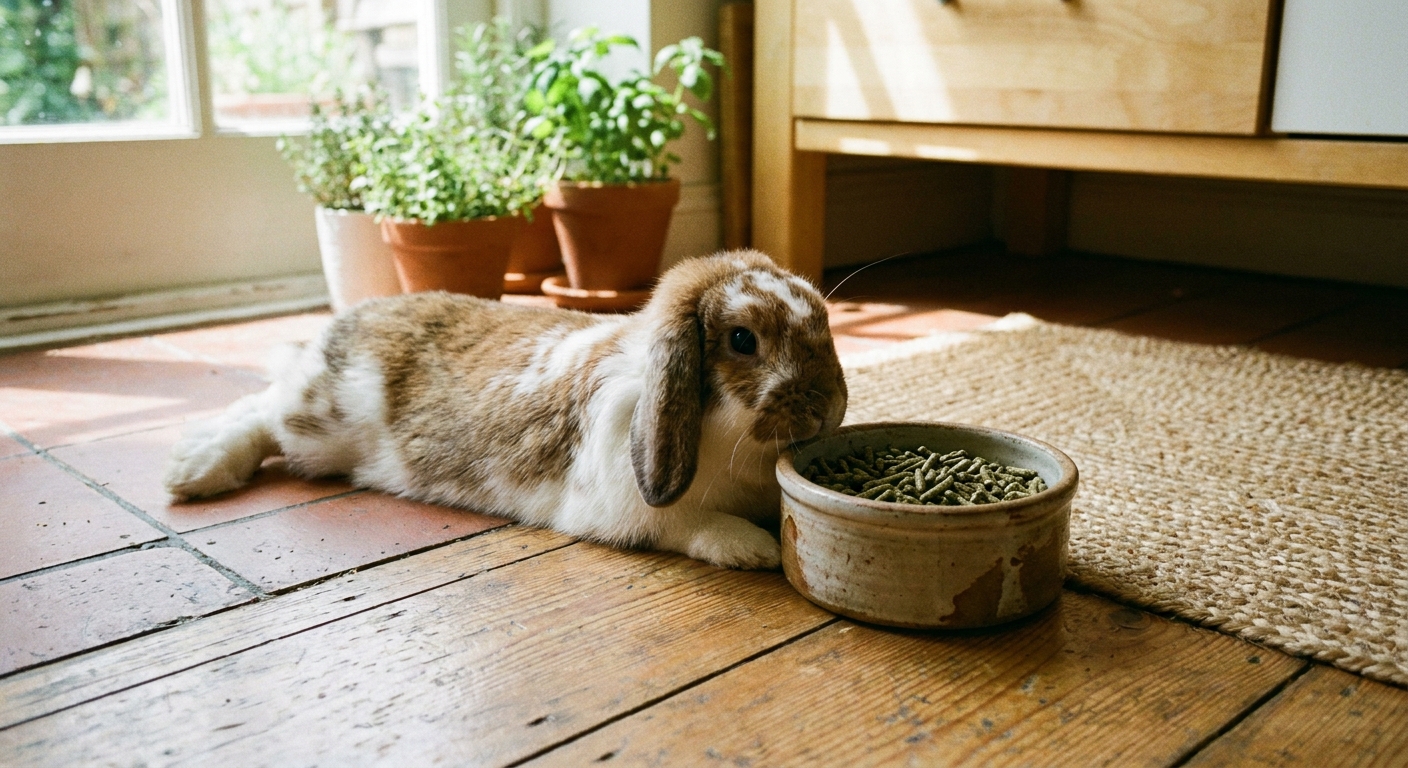
Why pellet switches can upset the gut
Even when both bags look “similar,” pellet formulas often differ in ways your rabbit or guinea pig notices immediately:
- Fiber type and amount: Timothy, orchard, alfalfa, soy hulls, beet pulp, and other fibers ferment differently in the cecum.
- Protein, starch, and sugar: Small shifts can change gut bacteria balance and stool moisture.
- Fat content: Too rich can mean softer stool and less hay intake.
- Added ingredients: Herbs, seeds, dried fruit, colored bits, or probiotics can be surprisingly disruptive.
- Pellet size and density: Some pets eat faster or selectively, which changes overall intake.
Rabbits and guinea pigs rely on a stable microbial population to process fiber. Changing food too fast can cause gas, discomfort, reduced appetite, diarrhea in guinea pigs, or dangerous GI slowdown in rabbits.
Before you start
1) Confirm the new pellet fits
- Rabbits: For most adult rabbits, choose a plain, timothy-based pellet (no colorful extras). Alfalfa-based pellets are usually for growing rabbits, pregnant or nursing rabbits, and some underweight seniors under vet guidance.
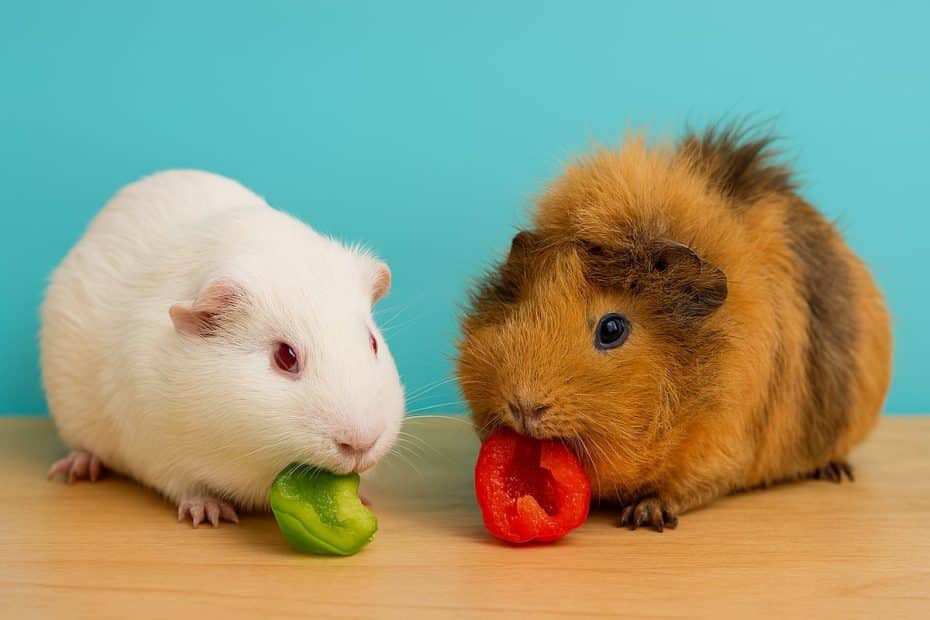
- Guinea pigs: Choose a plain, timothy-based pellet with stabilized vitamin C. Avoid muesli mixes and anything with seeds or dried fruit.
Quick vitamin C reality check: Even “stabilized” vitamin C declines with time, heat, and light after a bag is opened. Pellets help, but many guinea pigs still do best when you also ensure daily vitamin C through vitamin C rich veggies, and supplements if your vet recommends them or intake is uncertain.
2) Buy a small bag first
Grab the smallest bag available so you can confirm your pet tolerates it before committing to a large supply. Pellets also go stale, and guinea pig vitamin C potency drops over time after opening.
3) Keep everything else steady
During the pellet transition, do not also change hay, introduce a new leafy green, or start a new treat. If something goes weird, you want to know what caused it.
4) Get a baseline
- Know their normal pellet portion.
- Take a quick look at typical poop size and quantity.
- If you can, weigh daily (kitchen scale for guinea pigs, baby scale for rabbits).
If your rabbit has a history of GI stasis, your guinea pig is prone to soft stool, or your pet is elderly or underweight, plan for a slower transition than the standard schedule.
Diet basics to keep boring
If you change nothing else while switching pellets, you make your life easier and your pet safer. The non-negotiables:
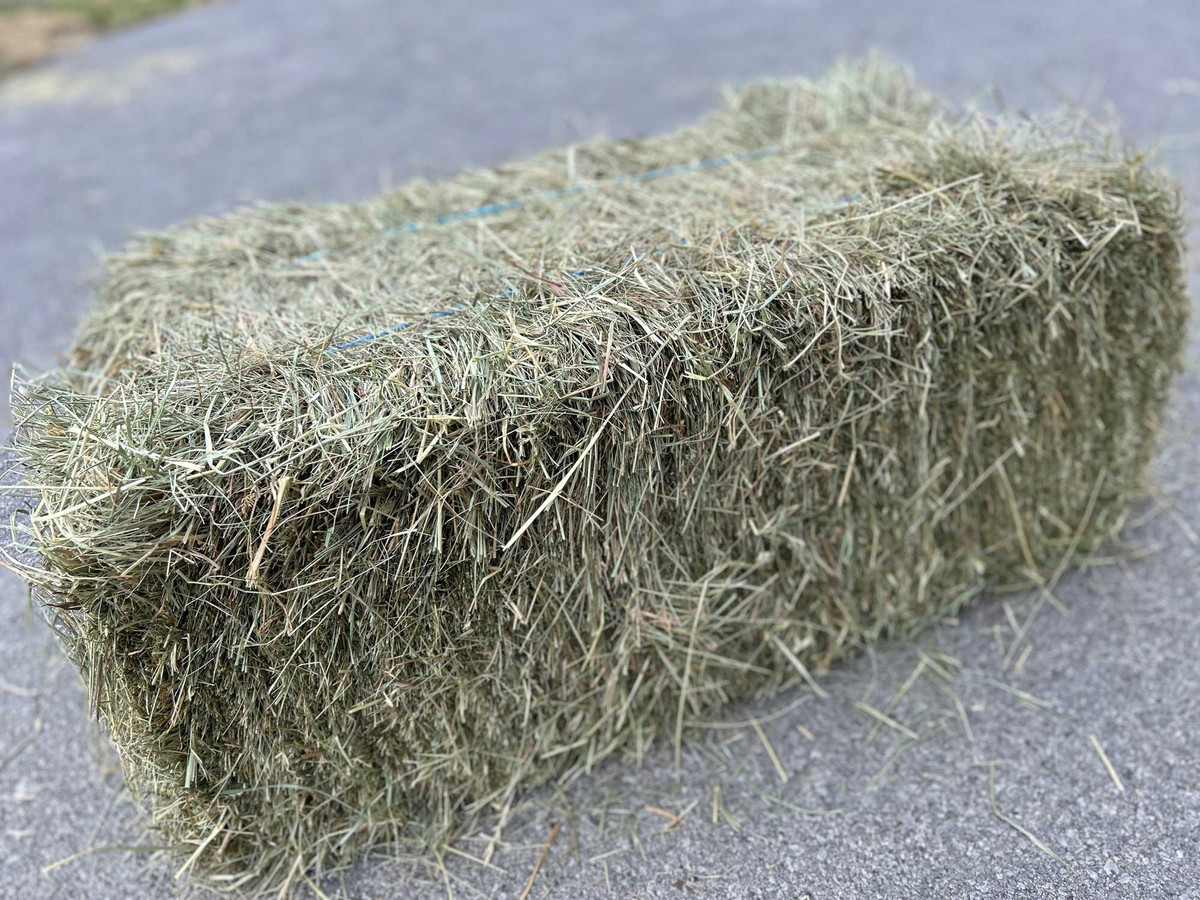
- Unlimited grass hay (the main course for both species).
- Fresh water at all times.
- Daily leafy greens appropriate for the species and your pet’s health plan.
- Guinea pigs need vitamin C every day from reliable sources.
- Skip seed, nut, and colorful mix diets, especially for guinea pigs, because selective eating leads to an unbalanced diet.
Transition schedule (10 to 14 days)
For most healthy rabbits and guinea pigs, a gradual 10 to 14 day switch is gentle enough to keep the gut stable. Many exotics veterinarians recommend changing diets slowly for this exact reason. The key is measuring ratios, not just eyeballing.
Standard 10-day schedule
- Days 1 to 3: 75% old pellets, 25% new pellets
- Days 4 to 6: 50% old pellets, 50% new pellets
- Days 7 to 9: 25% old pellets, 75% new pellets
- Day 10+: 100% new pellets
Extra-gentle 14-day schedule
- Days 1 to 4: 80% old, 20% new
- Days 5 to 8: 60% old, 40% new
- Days 9 to 11: 40% old, 60% new
- Days 12 to 13: 20% old, 80% new
- Day 14+: 100% new
Tip: Mix the pellets thoroughly so your pet cannot pick around the new ones. If they are a master of sorting, offer smaller meals more often so each serving stays mixed.
If your pet is very sensitive, taking up to 3 weeks is not overkill, especially if you are switching between very different formulas.
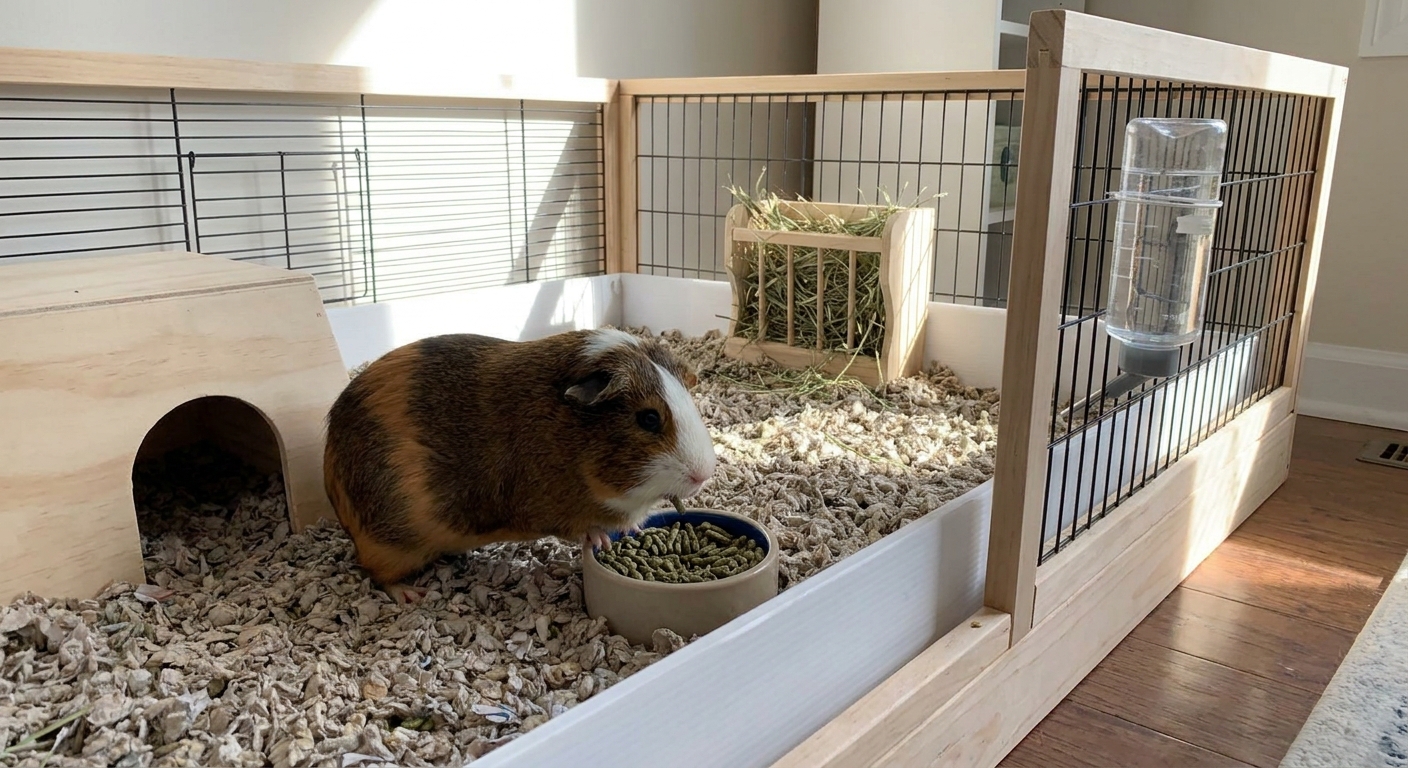
Daily checklist
I tell fosters that the poop is the report card, but behavior matters too. Check these once or twice daily during the transition:
- Appetite: Still eating hay enthusiastically? Still finishing greens?
- Water intake: Any sudden increase or decrease?
- Poop quantity: Normal volume for your pet, or noticeably fewer droppings?
- Poop size and texture: Smaller, misshapen, strung-together, or mushy?
- Energy and comfort: Hunched posture, tooth grinding, hiding, or reluctance to move?
- Weight: Especially important for guinea pigs and seniors.
Normal, mild changes
A slight change in pellet smell or enthusiasm is common. Some pets act like you replaced their fine dining with budget cuisine. As long as hay intake stays strong and droppings look normal, proceed.
Not normal, pause
- Rabbits: A clear drop in appetite, fewer droppings, smaller dry droppings, or signs of pain.
- Guinea pigs: Soft stool, stool that sticks to fur, foul odor, reduced appetite, or lethargy.
If poop changes
If you see mild soft stool in a guinea pig
- Stop increasing the new pellets. Go back to the last ratio that produced normal stool for 2 to 3 days.
- Double down on hay. Hay should be unlimited and fresh. Refill more often than usual.
- Keep veggies consistent. Avoid introducing watery greens while you troubleshoot.
- Call your exotics vet if it lasts more than 24 hours, worsens, or your pig is not eating well.
If a rabbit’s droppings get smaller or less frequent
- Treat it seriously. This can be an early GI slowdown signal.
- Pause the transition immediately and return to the old pellet ratio.
- Encourage hay intake and monitor eating and droppings closely.
- Call your rabbit-savvy vet the same day if appetite is reduced, your rabbit seems painful, or droppings keep decreasing.
Important: Rabbits make two kinds of poop. Normal dry droppings are what you usually see. Cecotropes are softer, nutrient-rich clusters rabbits normally eat directly from the rear. When people say “diarrhea” in rabbits, they often mean uneaten, messy cecotropes stuck to fur. That can still signal a diet issue or pain, but it is not the same as true watery diarrhea.
True watery stool in a rabbit is uncommon and urgent, especially if you also see lethargy, not eating, a bloated belly, or significant soiling. Contact a vet urgently.
How much to feed
Keep the total daily pellet amount the same unless your vet has told you otherwise. The transition is about changing which pellets, not suddenly feeding more.
Rule-of-thumb ranges
Pellet calories vary by brand, and individuals vary a lot, so use these as starting points and adjust with your vet if weight is trending up or down.
- Adult rabbits: A common guideline is up to about 1/4 cup per 5 pounds of body weight per day for many adult rabbits, with unlimited grass hay as the real foundation. Some rabbits, especially easy keepers, do best with less.
- Adult guinea pigs: Many do well around 1/8 cup per pig per day of plain timothy pellets, plus unlimited hay and daily veggies.
If your pet is overweight, underweight, growing, pregnant, or managing a medical condition, ask your exotics vet for a tailored pellet amount before you change brands.
Common mistakes
- Switching cold turkey: Even if your pet seems fine on day one, problems can show up days later. Use the schedule.
- Changing hay and pellets at the same time: Keep hay consistent during the pellet swap whenever possible.
- Overusing treats to sell the new pellet: Extra sugar can backfire. If you must, hand-feed a few pellets like treats, but keep it minimal.
- Using mixed, colorful diets: These encourage selective feeding and unbalanced intake, especially in guinea pigs.
- Storing pellets poorly: Keep pellets in a cool, dry place in an airtight container.
Guinea pig pellet freshness
Because vitamin C potency declines after opening, buy smaller bags and use them while they are fresh. Many owners aim to use an opened bag within 30 to 60 days, or sooner in warm or humid homes. Always follow the manufacturer’s “best by” guidance. Unless the manufacturer recommends it, avoid refrigerating or freezing pellets because moisture and condensation can affect quality.
Special situations
Alfalfa to timothy (or the reverse)
This is a bigger nutritional change than most brand swaps. Use the 14-day schedule, confirm the switch makes sense for your pet’s life stage, and watch rabbit urine for changes that can suggest higher calcium output. Chalky white urine can be normal sometimes, but call your vet if you notice thicker, sludgier urine, gritty residue, straining, or a sudden increase in urine scald.
Switching for a health issue
If you are changing pellets due to bladder sludge, dental disease, obesity, recurrent stasis, or chronic soft stool, ask your vet for a plan. Sometimes the “best” pellet is less important than the overall diet balance, hay intake, pain control, and hydration.
Pairs on different pellets
If one needs a different pellet, supervised separate feeding can help. Most pairs will absolutely steal each other’s food if given the chance. You can use short, calm feeding sessions in separate pens, then return everyone to their shared space.
FAQ
How long does adjustment take?
Most do best with a 10 to 14 day transition. Sensitive pets may need 3 weeks, especially if the formulas are very different.
Can I mix pellets long-term?
Short-term mixing is useful for transitioning. Long-term mixing is usually unnecessary and can make it harder to notice when one bag changes formula or freshness. If you prefer mixing, keep it consistent and measure portions carefully.
My pet refuses the new pellet
First, make sure they are still eating hay well. Then slow the transition and try offering the new pellets by hand, or slightly moisten a few with water to release aroma. If refusal continues, it is okay to choose a different plain pellet brand rather than forcing it, especially for guinea pigs who need steady intake.
Do probiotics help?
Sometimes vets recommend specific products for specific situations, but probiotics are not a magic fix for too-fast diet changes. The best gut support is steady hay intake and a slower transition.
When to call a vet
With small herbivores, waiting “one more day” can turn a manageable tummy upset into an emergency. Time matters.
- Rabbit, urgent: Not eating at all for 6 to 12 hours, markedly fewer or no droppings, hunched posture, tooth grinding, bloated belly, or severe lethargy.
- Guinea pig, urgent: Diarrhea, not eating, rapid weight loss (including a noticeable drop over 24 hours), puffed-up posture, or profound lethargy.
If something feels off, trust that instinct and call your exotics vet or emergency clinic for guidance.
A gentle reminder
Your goal is not to get it over with. Your goal is to keep the gut boringly stable while you switch. Measure the ratios, watch hay intake like a hawk, and move forward only when stool and appetite are normal.
If you want the simplest rule to tape to your pellet bin, it is this: when in doubt, slow down.