Know the subtle early symptoms of GI stasis, the red flags that mean “go now,” and the immediate steps that can help save your rabbit or guinea pig’s life.
Rabbit Cove
Emergency First Aid Kit for Rabbits and Guinea Pigs
Build a rabbit and guinea pig first aid kit that actually helps in real emergencies: Critical Care, syringes, gas drops, nail bleed control, wound care, hydration support, and a grab-and-go checklist.

Chloe Miller
Chloe Miller is a dedicated small-pet enthusiast and experienced foster parent who has spent over a decade caring for rabbits and guinea pigs. Through her hands-on work with local animal rescues, she shares practical, compassionate advice on housing, nutrition, and daily enrichment to help small pets thrive. When she isn't designing custom indoor enclosures, Chloe can be found coaxing shy rescues out of their shells with fresh cilantro.
Published
October 22, 2026
Updated
October 22, 2026
When a rabbit or guinea pig takes a sudden turn, it rarely happens at a convenient time. One minute everyone is happily munching hay, and the next you are staring at a pet who will not eat, is breathing fast, or is bleeding from a torn nail. I have learned (sometimes the hard way) that the best emergency tool you can own is not a fancy gadget. It is a calm plan and a well-stocked kit you can grab with one hand while you call your exotic vet with the other.
This guide walks you through what to keep in an emergency first aid kit for rabbits and guinea pigs, why each item matters, and how to store it so it is useful when you need it. This is not a substitute for veterinary care, especially for suspected GI stasis, bloat, heat stroke, breathing trouble, seizures, broken bones, or anything involving the eyes. It is about buying time safely until you can get professional help.
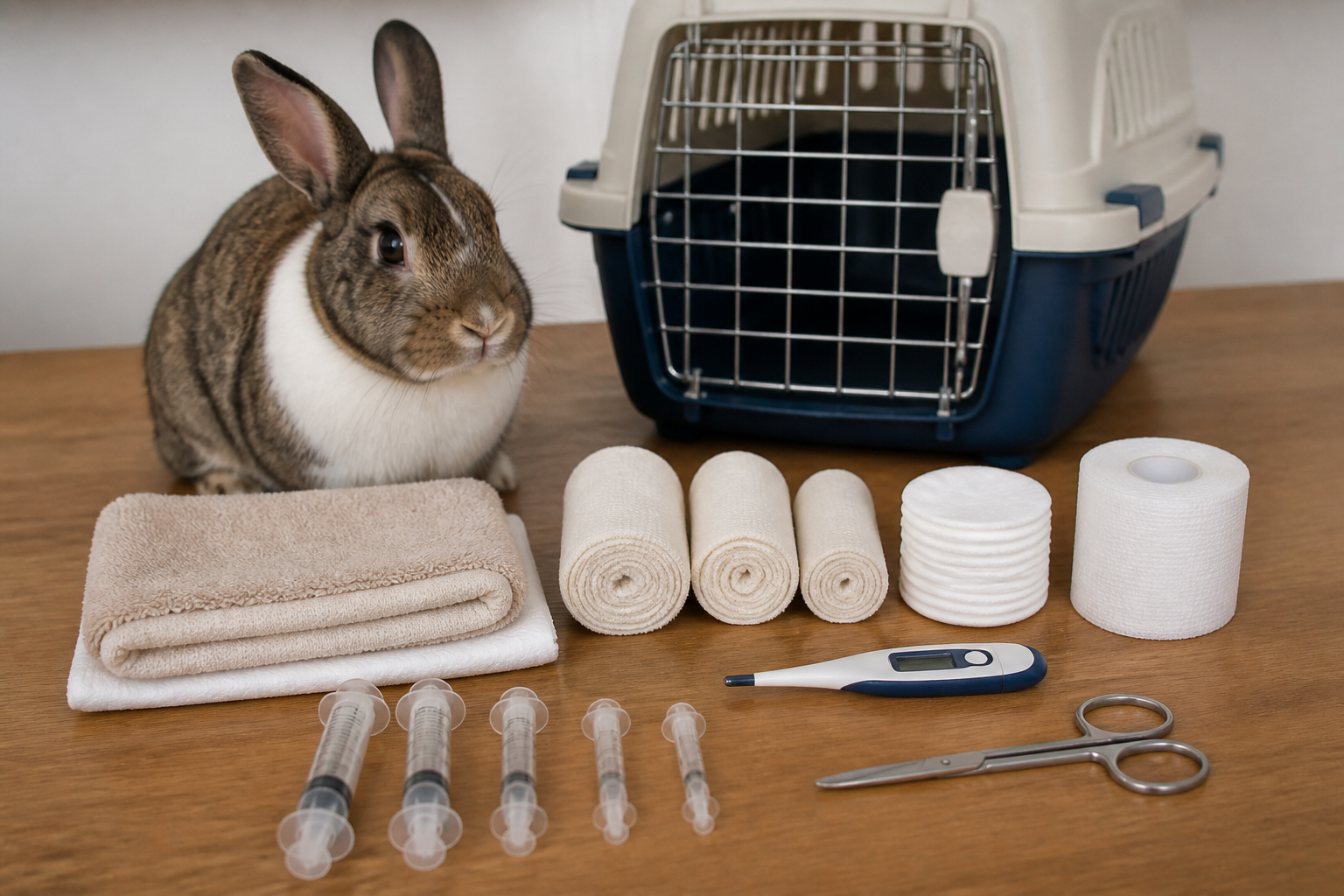
Before you buy supplies: emergency basics
Your call now list
- Exotic vet clinic number (store it in your phone and write it on paper)
- Nearest 24-hour emergency hospital that will see rabbits and guinea pigs
- Backup exotics clinic (because the first one will eventually be closed)
- Pet poison helpline info (ask your vet what they recommend in your region)
Your kit container
Choose a clear bin with a handle or a small tackle-box style organizer. You want one place where everything lives. If you have multiple pets, keep enough supplies for at least two animals at once. Emergencies love company.
Know your normal
For both species, “not eating” can become an emergency quickly. I keep a tiny note card in my kit with each pet’s normal weight range and typical eating habits. Weekly weigh-ins (kitchen scale for guinea pigs, baby scale for rabbits) are the quiet superpower that helps you catch illness early.
Make leaving easy
Keep the carrier accessible (not buried in a closet) and save your route to the emergency clinic. In a real emergency, you do not want to be searching for directions while your pet is crashing.
The core supplies (the ones I use most)
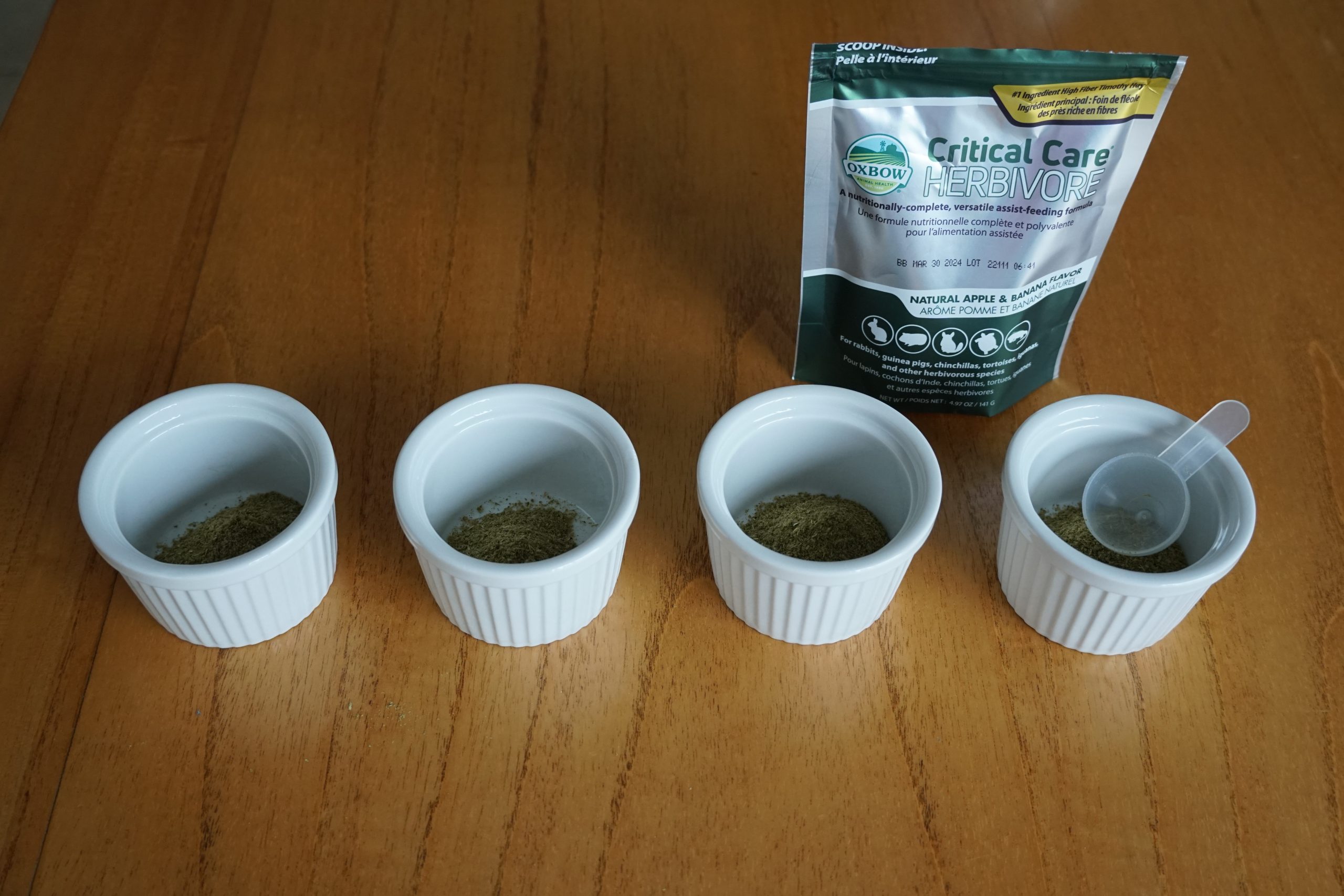
1) Critical Care and feeding tools
If your rabbit or guinea pig stops eating, your vet will often recommend assisted feeding while you travel in or while you are waiting for an appointment. The goal is support, not forcing food into a pet who cannot swallow, is struggling to breathe, or has a painfully swollen abdomen. When in doubt, call the vet first.
- Recovery food: Oxbow Critical Care (Herbivore) or Sherwood Recovery Food
- Feeding syringes: a mix of sizes (1 mL for meds, 3 mL and 10 to 20 mL for food)
- Small silicone spatula or spoon for mixing (optional, but less messy)
- Small container for warm water and mixing slurry
Pro tip: Pre-cut the tip off one larger syringe (smooth the edge) to make thicker Critical Care easier to push. Keep an uncut syringe for medication dosing.
2) Infant simethicone gas drops
Many rabbit and guinea pig caregivers keep infant simethicone (the common “gas drop” ingredient) on hand. Evidence for efficacy is mixed, dosing varies by product concentration, and it does not treat the underlying cause of GI slowdown or bloat. Think of it as a possible comfort measure while you arrange veterinary care, not a fix.
Safety guardrail: If bloat is suspected or the abdomen is very tight or distended, your pet is hunched and miserable, they are grinding teeth, or they are collapsing, treat it as urgent and do not delay emergency care to try home options.
- Infant simethicone drops (check the active ingredient and concentration, and ask your vet what dose they want you to use for your pets)
- 1 mL oral syringe dedicated to this medication
3) Hydration support
Dehydration makes gut issues worse and slows recovery from almost everything. At home, your job is to encourage safe fluids and keep stress low.
- Unflavored pediatric electrolyte solution (vet-guided use only; avoid products with xylitol or lots of extra flavorings and additives)
- Extra water bottles and bowls (some pets will drink from one but not the other when they feel off)
- 1 mL and 3 mL syringes for offering tiny amounts of fluid if your vet instructs it
Important: Never syringe fluids into a pet that is lethargic, struggling to breathe, or cannot swallow normally. Aspiration is a real risk. If you are unsure, call the clinic before you give anything by mouth.
4) A digital thermometer and lubricant
A simple digital thermometer can help you communicate useful information to your vet, especially if you suspect heat stress or shock. I consider this a “use if you have been shown how” tool. Rectal temps can cause stress, and there is a real risk of injury if your pet fights hard. If you are not confident, skip it and focus on getting to the clinic.
Normal ranges vary by individual and clinic. Ask your vet what normal looks like for your pets. Many clinics consider roughly rabbit 101 to 103 F (38.3 to 39.4 C) and guinea pig 99 to 103 F (37.2 to 39.4 C) as common reference ranges, but confirm with your clinic and do not self-treat based on a number alone.
- Digital rectal thermometer (fast-read is ideal)
- Water-based lubricant
- Alcohol wipes for cleaning afterward
Bleeding control and wound care
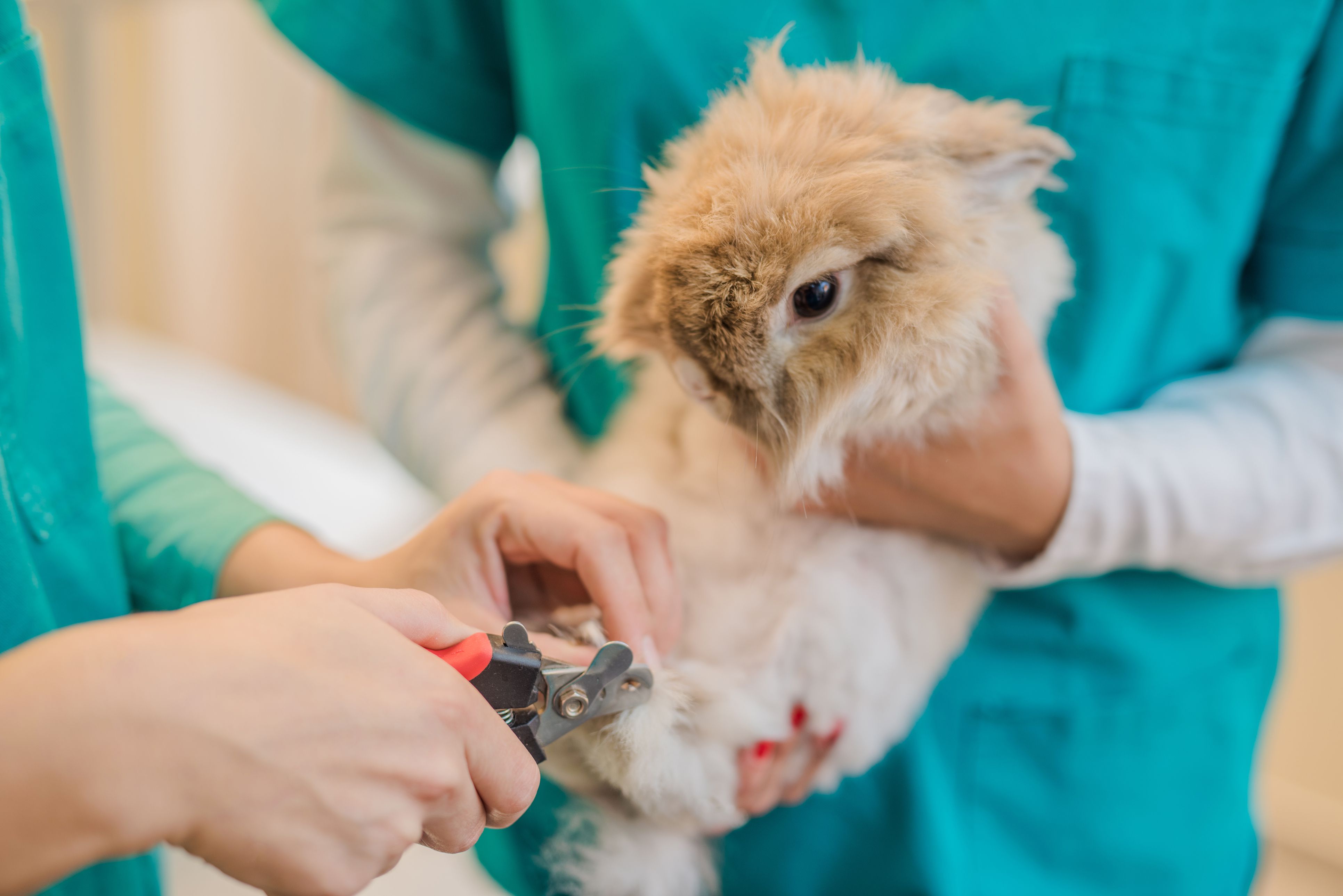
Most small-pet “blood emergencies” I see are torn nails or a quick nick during nail trims. The solution is boring, cheap, and wildly effective if you have it ready.
Bleeding control
- Styptic powder or silver nitrate sticks (use carefully)
- Cornstarch (a decent backup for nail bleeds)
- Gauze pads and non-stick pads
- Vet wrap (self-adhering bandage wrap)
- Medical tape (paper tape is gentle)
Bandage warning: Vet wrap is fantastic, but it is easy to wrap too tight. If you ever bandage a limb, your vet should ideally guide you. Swelling and circulation issues can happen fast in tiny feet.
Wound flushing and cleaning
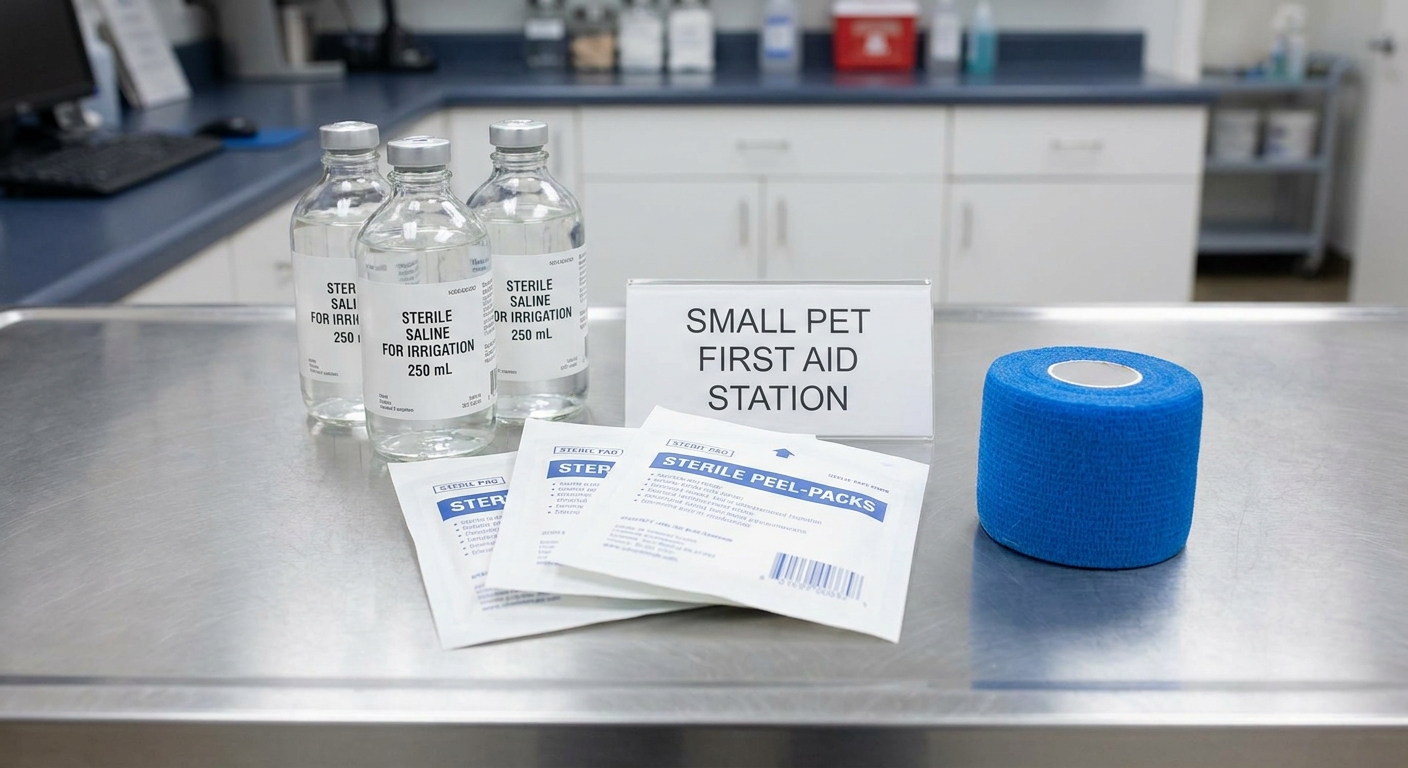
- Sterile saline (wound wash, not contact lens solution with additives)
- Chlorhexidine solution diluted appropriately (ask your vet for the dilution they prefer)
- Cotton rounds or gauze (avoid fluffy cotton balls that shed into wounds)
- Blunt-tip scissors for trimming bandage materials
Skip these in most cases: hydrogen peroxide (damages healthy tissue), alcohol on open wounds (painful and harsh), essential oils (not safe for these species).
Eye, nose, and skin essentials
Saline for eyes
For minor debris, sterile saline can help you gently rinse the fur around the eye or flush away a bit of hay dust. If you see squinting, thick discharge, cloudiness, or swelling, treat it as a vet issue rather than a home-care project.
- Sterile saline (separate from the one you use for wounds if possible)
- Soft gauze for dabbing
Safe grooming and skin checks
- Flea comb (useful even for indoor pets to check for parasites)
- Soft brush and wide-tooth comb for rabbits, depending on coat type
- Nail clippers plus a bright light or headlamp for safer trims
- Disposable gloves (for wound care, messy bottoms, or fungal concerns)
Note: Many flea products for dogs and cats are dangerous for rabbits and guinea pigs. Never apply a topical parasite treatment unless it is specifically prescribed by an exotic vet for your species and weight.
Comfort and transport supplies
Carrier setup
Your kit should include what you need to leave the house in under two minutes.
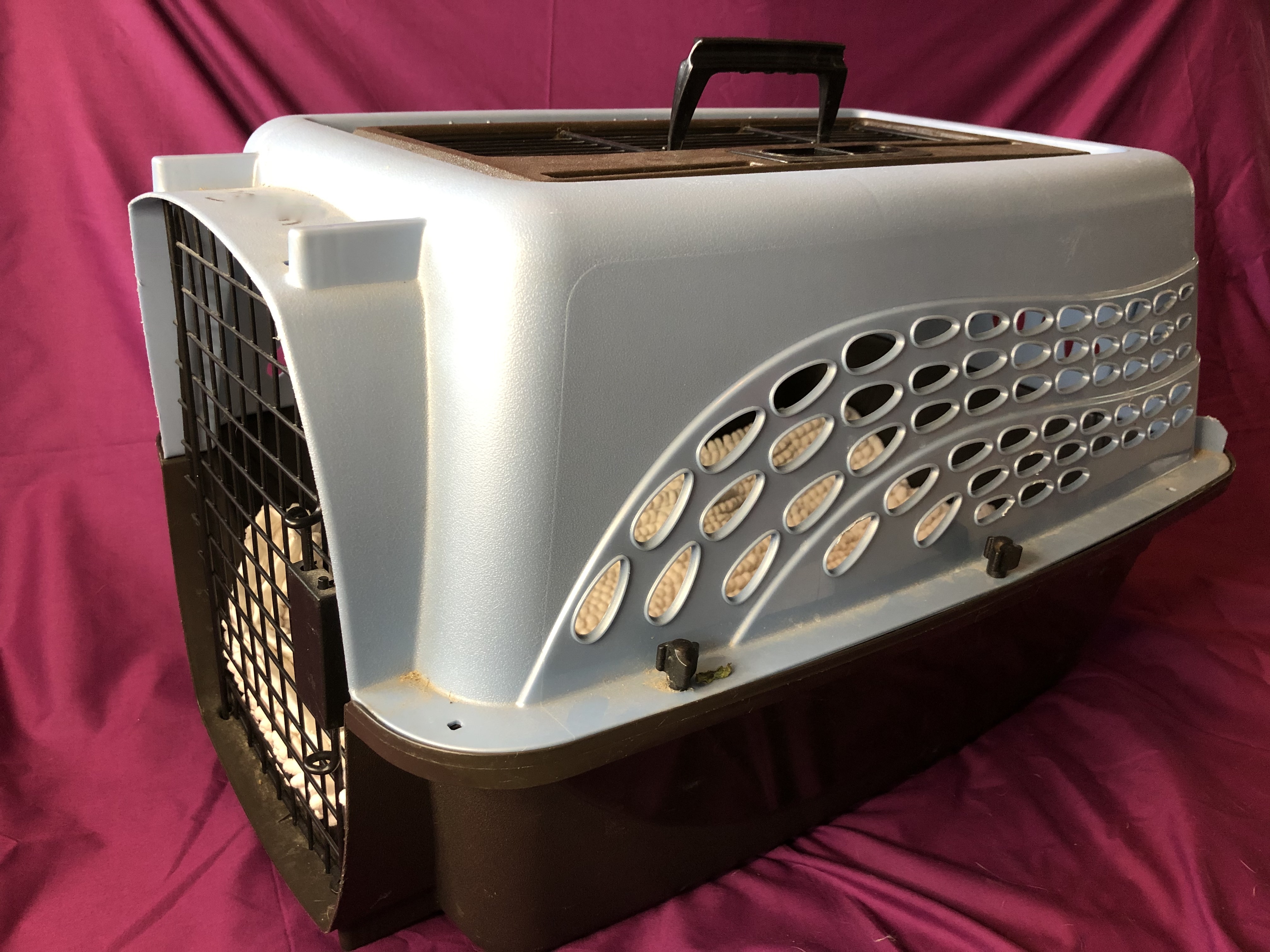
- Hard-sided carrier with good ventilation
- Absorbent towels and puppy pads (layer them)
- Non-slip mat or towel to prevent sliding
- A small bag of hay (for both rabbits and guinea pigs)
- A small hide or towel drape (reduces stress)
Warmth support (done safely)
Sick animals often struggle to regulate body temperature. Gentle warmth can help, but overheating can be dangerous.
- Snuggle Safe style heat disc or microwavable heat pad designed for pets
- Extra towel to wrap the heat source (never place directly against skin)
If you suspect heat stroke, do not add heat. Focus on cooling per veterinary guidance and get to the clinic.
Medications: what to keep, and what not to
I am very pro first aid. I am also very anti mystery medicine cabinet for rabbits and guinea pigs. These species are sensitive, and common human and dog-and-cat medications can be harmful.
Reasonable to keep (with your vet’s guidance)
- Any prescribed meds your pet currently uses (clearly labeled)
- Pain medication only if prescribed for your pet (never share between animals without vet approval)
- Probiotic support only if your vet recommends it for your situation
Do not give unless an exotic vet tells you to
- Ibuprofen, acetaminophen, aspirin
- Over-the-counter antidiarrheals
- Human cold meds
- Leftover antibiotics (wrong drug and wrong dose can be dangerous)
Why I am picky: In rabbits and guinea pigs, pain control, gut motility support, and antibiotics need to be species-appropriate, weight-based, and chosen for the specific problem. Guessing can worsen the situation.
High risk items: quick do and do not
- Assisted feeding: Do feed slowly from the side of the mouth in tiny amounts if your vet instructs it. Do not force-feed a pet that cannot swallow normally, is breathing hard, is limp, or has a severely distended, painful abdomen.
- Bandaging: Do use gentle pressure with gauze for bleeding. Do not wrap a limb tightly, and do not leave a bandage on without veterinary guidance.
- Rectal temperature: Do ask your vet to demonstrate before you ever need it. Do not attempt it if your pet is struggling or you are unsure.
What to print for your kit
Emergency info sheet
- Each pet’s name, age, weight range, and any medical history
- Current medications and dosing schedule
- Vet contact details and directions to the emergency clinic
- Photos of each pet (helpful if a pet ever gets lost during a stressful event)
Symptom tracker
When you are stressed, your brain becomes a sieve. A simple log helps.
- Time last seen eating hay or pellets
- Water intake changes
- Last poop seen (and whether it looks normal)
- Any new foods, treats, or environmental changes
- Breathing effort, posture, activity level
Storage and restocking
A kit is only as good as what is not expired, not melted, and not missing caps because someone borrowed the last syringe and forgot to replace it.
- Store cool and dry, out of direct sun. Do not keep meds in a hot car.
- Use small zip pouches inside the bin: “Feeding,” “Wound care,” “Transport,” “Tools.”
- Check every 3 months: replace opened saline, expired simethicone, sticky syringes, and brittle vet wrap.
- Keep Critical Care sealed until needed. Once opened, follow package guidance and your vet’s advice for freshness.
Quick checklist
If you want the simplified version to shop from, this is the list I would build from scratch.
Feeding and hydration
- Critical Care or herbivore recovery food
- 1 mL, 3 mL, and 10 to 20 mL syringes
- Small mixing bowl and spoon
- Unflavored pediatric electrolyte solution (vet-guided use)
- Extra water bowl and water bottle
GI support (vet-guided)
- Infant simethicone gas drops
Wound and bleeding
- Styptic powder or cornstarch
- Sterile saline wound wash
- Chlorhexidine (with vet-approved dilution plan)
- Gauze pads and non-stick pads
- Vet wrap and medical tape
- Blunt-tip scissors
- Disposable gloves
Tools and monitoring
- Digital thermometer
- Water-based lubricant
- Alcohol wipes
- Kitchen scale (guinea pigs) or baby scale (rabbits)
- Flashlight or headlamp
- Tweezers (for splinters in fleece or pulling hay out of fur, not for digging in wounds)
Transport and comfort
- Hard-sided carrier
- Towels and puppy pads
- Bag of hay
- Heat disc or pet-safe warming pad (for cold pets only)
When it is an emergency
If you remember nothing else, remember this: rabbits and guinea pigs hide illness, and they can crash fast. Call your exotic vet or emergency clinic right away if you see any of the following.
- Not eating plus lethargy, pain, or few to no droppings
- Hard, swollen abdomen, extreme discomfort, or repeated tooth grinding
- Breathing trouble, rapid breathing, open-mouth breathing, or severe effort to breathe
- Seizure, collapse, or severe weakness
- Heat stress (rapid breathing, drooling, very hot ears, weakness)
- Heavy bleeding that does not stop quickly with pressure
- Eye injuries, bulging eye, or sudden cloudiness
- Suspected fracture or inability to use a limb
- Blue or very pale tongue or mucous membranes if you can check safely without forcing the mouth open
Your kit supports you, but your vet is the treatment plan.
FAQ
Do rabbits and guinea pigs need different first aid kits?
The core kit can be shared: feeding support, syringes, saline, bandage supplies, carrier setup, and monitoring tools all overlap. Where you want to be careful is dosing and medications. Even within the same species, dosing varies by weight and condition. I keep the same kit bin, plus a small pouch for each pet’s prescriptions.
How many syringes should I keep?
More than you think. Syringes get sticky, cracked, or mysteriously vanish. I like at least 10 of the 1 mL size (meds), several 3 mL, and several larger feeding syringes.
Can I use Neosporin or other antibiotic ointments?
Do not apply any ointment unless your vet tells you it is appropriate and safe for your species and the location of the wound. Rabbits and guinea pigs groom, and ingestion matters. Many wounds also need to stay open to drain rather than being sealed under ointment.
What is the single most important item?
If I had to pick one, it is feeding support (Critical Care plus syringes), because appetite loss is one of the most common emergencies we see in rescues. A close second is styptic powder, because nails love drama.