Bottles stay tidy, bowls often encourage easier drinking. Here’s how to choose, keep it hygienic, and make sure your rabbit or guinea pig drinks enough.
Rabbit Cove
Heatwave Prep for Rabbits and Guinea Pigs
Keep rabbits and guinea pigs safe during heatwaves with smart cooling, airflow, DIY ice pods, shade, and heat stress warning signs for indoor and outdoor setups.

Chloe Miller
Chloe Miller is a dedicated small-pet enthusiast and experienced foster parent who has spent over a decade caring for rabbits and guinea pigs. Through her hands-on work with local animal rescues, she shares practical, compassionate advice on housing, nutrition, and daily enrichment to help small pets thrive. When she isn't designing custom indoor enclosures, Chloe can be found coaxing shy rescues out of their shells with fresh cilantro.
Published
October 22, 2026
Updated
October 22, 2026
When temperatures spike, rabbits and guinea pigs do not just get “a little uncomfortable” the way we do. They can overheat fast, and heatstroke is a true emergency. The good news is that with a little prep, you can turn a stuffy room or outdoor setup into a much safer, cooler habitat.
I have fostered plenty of pigs and buns through summer heatwaves, including seniors who melt into dramatic puddles the second the thermostat climbs. This is the calm, practical game plan I use to keep everyone stable when the forecast gets scary.
Know the danger zone
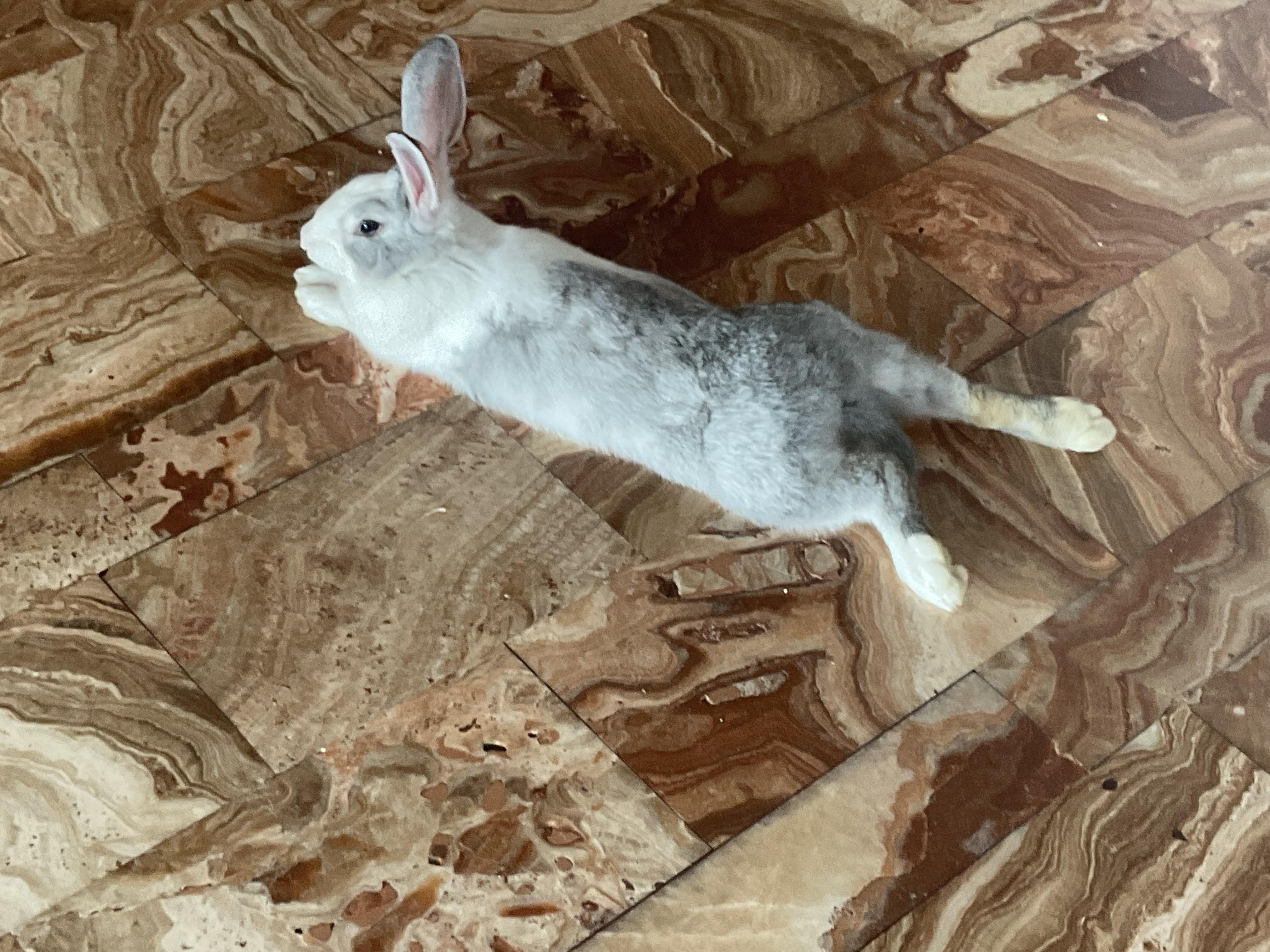
Most rabbits and guinea pigs do best in cool, steady indoor temperatures. Many exotics care guides place their comfort range in the high 60s to low 70s °F (about 20 to 22 °C). In my experience, risk often starts climbing in the mid 70s °F (around 24 °C), especially with poor airflow, high humidity, direct sun, or pets who are older, overweight, long-haired, or already not feeling 100 percent.
High humidity is the heatwave multiplier. Rabbits do not cool themselves by sweating the way humans do. Guinea pigs also struggle to regulate body temperature in heat. When the air is muggy, their normal cooling strategies work less effectively, so treat “warm and humid” as more dangerous than “hot and dry.”
Quick signs your pet is overheating
- Rabbits: very warm ears, fast breathing, lethargy, lying stretched out and not wanting to move, drooling, weakness, wobbliness, seizures in severe cases.
- Guinea pigs: rapid or labored breathing (including open-mouth breathing), drooling, weakness, glazed look, reluctance to move, collapse in severe cases.
If you see open-mouth breathing, collapse, seizures, or a pet that seems “out of it,” skip the internet and call an exotics vet or emergency clinic immediately.
For the less dramatic situations, I still treat these as vet-worthy, especially in heat: breathing that stays fast at rest, a rabbit or guinea pig refusing food, not drinking, acting unusually quiet, or a rabbit with very hot ears plus lethargy. Heat stress can tip into GI slowdown fast, and that is not something to wait out at home.
Step one: Measure the right temperature
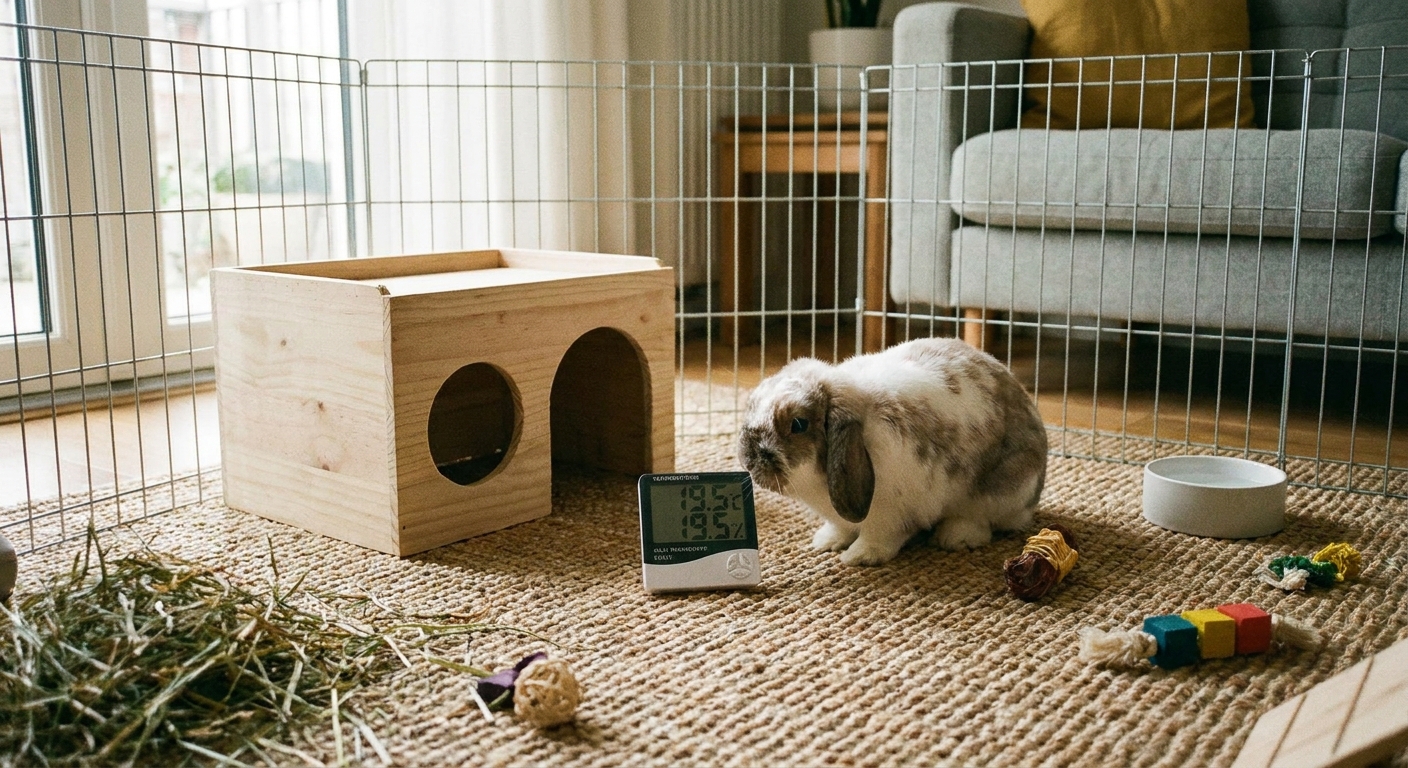
Guessing is how heat emergencies sneak up on people. During a heatwave, put a small digital thermometer at your pet’s level, not on a wall five feet up.
- Indoor pens: place the thermometer near the hidey house (hide box) and near the warmest corner of the room, then compare.
- Outdoor hutches or runs: place one thermometer inside the shelter area and one in the run, out of direct sun.
Check it several times a day, especially mid-afternoon when indoor rooms can peak even if mornings are mild.
Cool the habitat, not just the pet
The safest summer strategy is environmental. You want a habitat with a cool zone, a stable airflow pattern, and multiple ways for your pet to choose comfort.
Create a cool zone they can choose
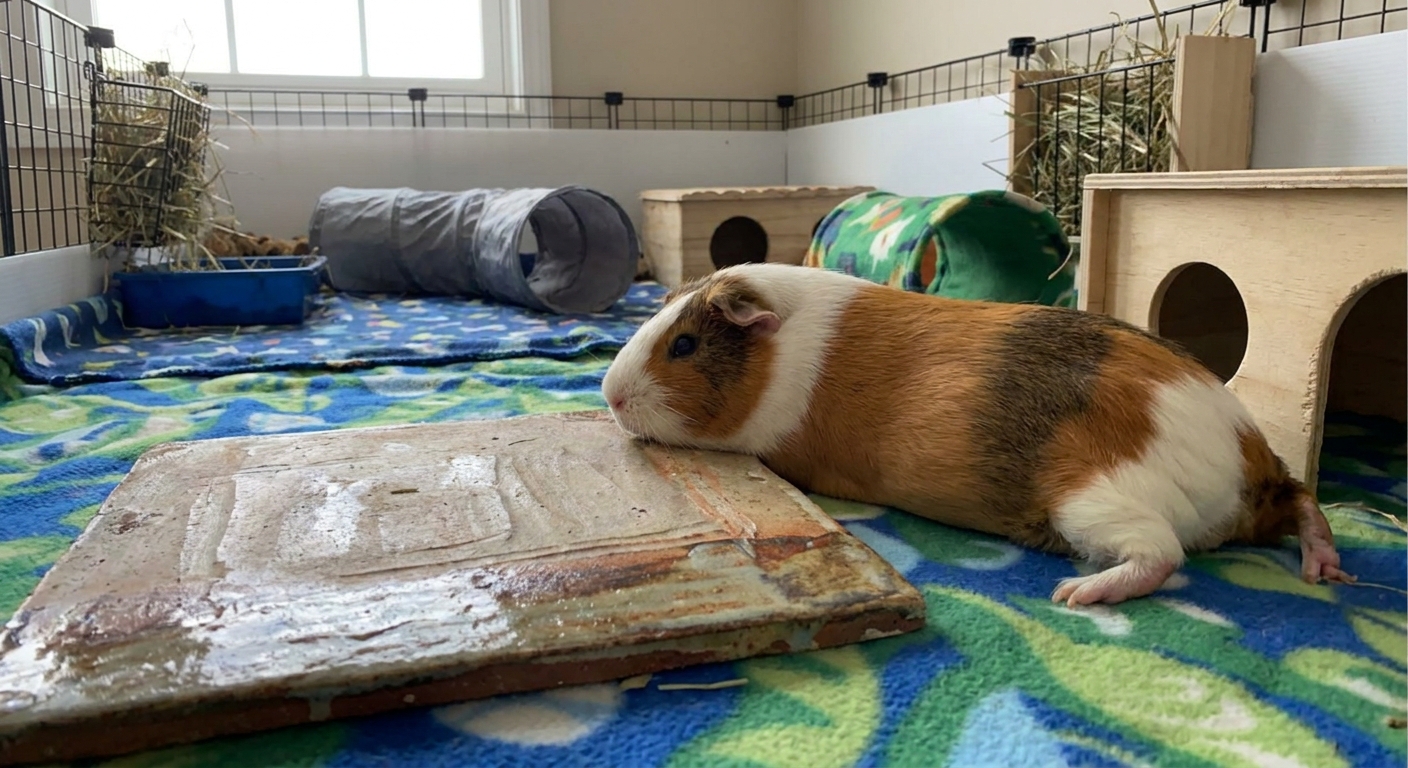
- Cooling tiles or pavers: A plain ceramic tile, marble slab, or granite sample from a home store is a heatwave hero. Wash it well, place it in a shady part of the enclosure, and let your rabbit or guinea pig sprawl on it.
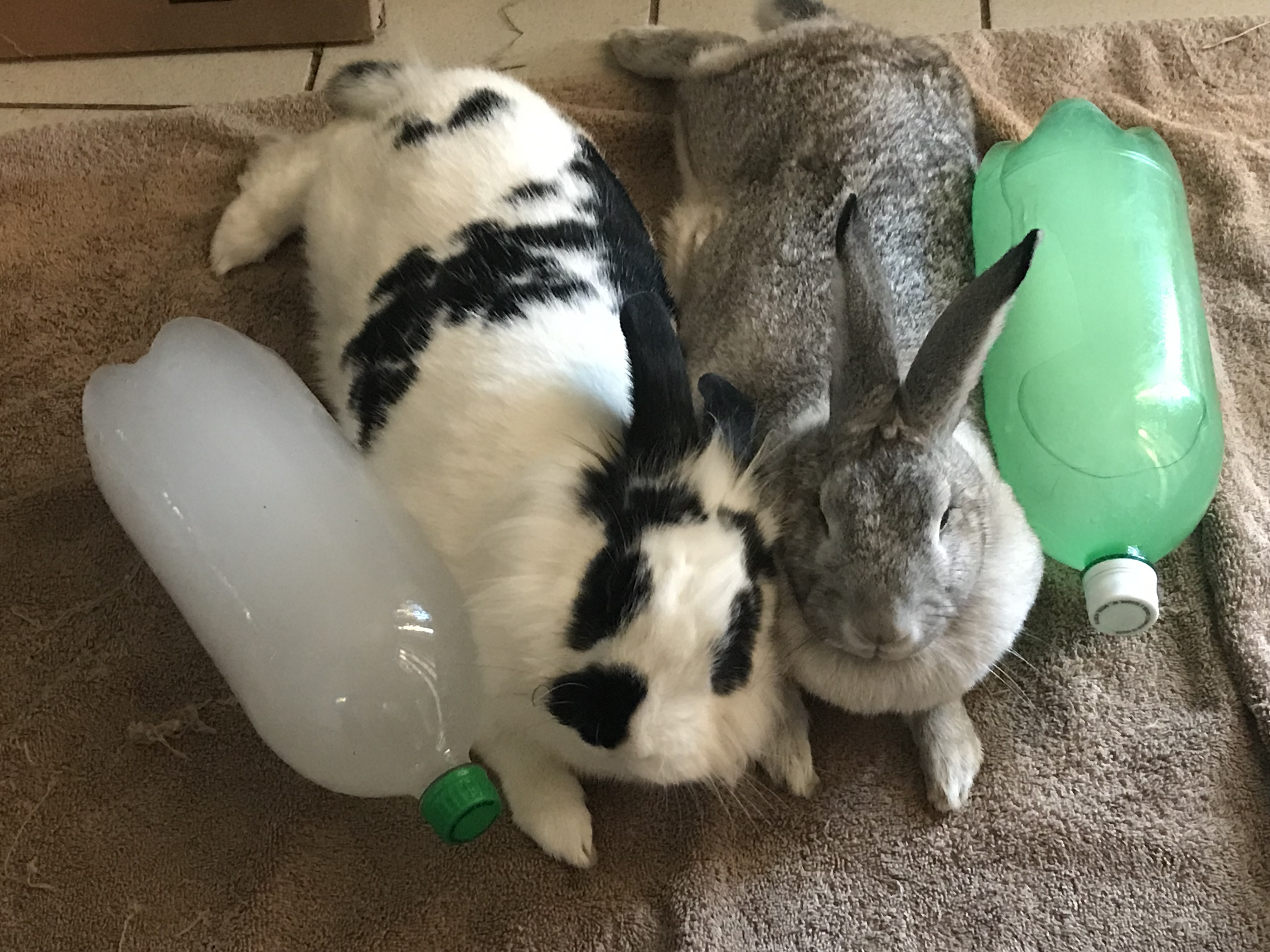
- Frozen water bottle barriers: Freeze a plastic bottle of water, wrap it in a towel, and place it against the outside of the pen or behind a barrier so it cannot be chewed. This cools the air right at ground level.
- Rotate options: Put the cool item in one predictable corner so they can choose it without feeling trapped.
Ventilation matters more than you think
Hot, still air is the enemy. Your goal is gentle air exchange, not a wind tunnel.
- Open internal doors: Create a path for air to move through the home (safely away from other pets).
- Use fans thoughtfully: Point a fan across the room to circulate air, not directly at your rabbit or guinea pig. Direct airflow can dry eyes, stress sensitive pets, and blow bedding or hay dust around.
- Keep pens off trapped heat: Avoid placing habitats right next to sunny windows, ovens, or appliances that kick out warm air.
DIY ice pods (safer than loose ice packs)
I love DIY ice pods because they are cheap, reusable, and easy to position safely. The big rule: keep cold items chew-proof and avoid direct contact that could chill too aggressively.
How to make an ice pod
- Grab a sturdy, lidded plastic container (food storage works well) or a wide-mouth jar with a secure lid.
- Fill with water. For extra cold time, use a mix of water and a few ice cubes.
- Freeze solid.
- Before placing in the habitat, wrap it in a thin towel or pillowcase.
- Place it against the outside of the enclosure wall, or inside only if you can fully block chewing access with a grid panel or barrier.
Best places to use ice pods
- Indoor pens: on the outside of an x-pen wall near the “cool corner.”
- C&C setups: clipped to the outside of the coroplast side using binder clips, towel between pod and coroplast.
- Outdoor runs: in the shaded shelter area, protected from chewing and rain.
Avoid: gel ice packs inside enclosures. If punctured, the contents can be harmful.
Indoor heatwave plan (my rescue-tested checklist)
If your rabbits or guinea pigs live indoors, you have a major advantage: you can control the environment. Here is the order I tackle things when a heatwave hits.
1) Start with the room
- Close blinds early: Block sun before it heats the room, especially on south and west facing windows.
- Use AC if you have it: Even bringing the room down a few degrees helps. Aim for steady, not icy.
- Try a dehumidifier: If humidity is high, pulling moisture out can make the space safer even without a huge temperature drop.
2) Set up two comfort stations
- Station A: tile or cooling mat (pet-safe, non-gel) plus a hidey house with good airflow.
- Station B: ice pod or frozen bottle barrier plus a second resting area.
3) Keep water boring and plentiful
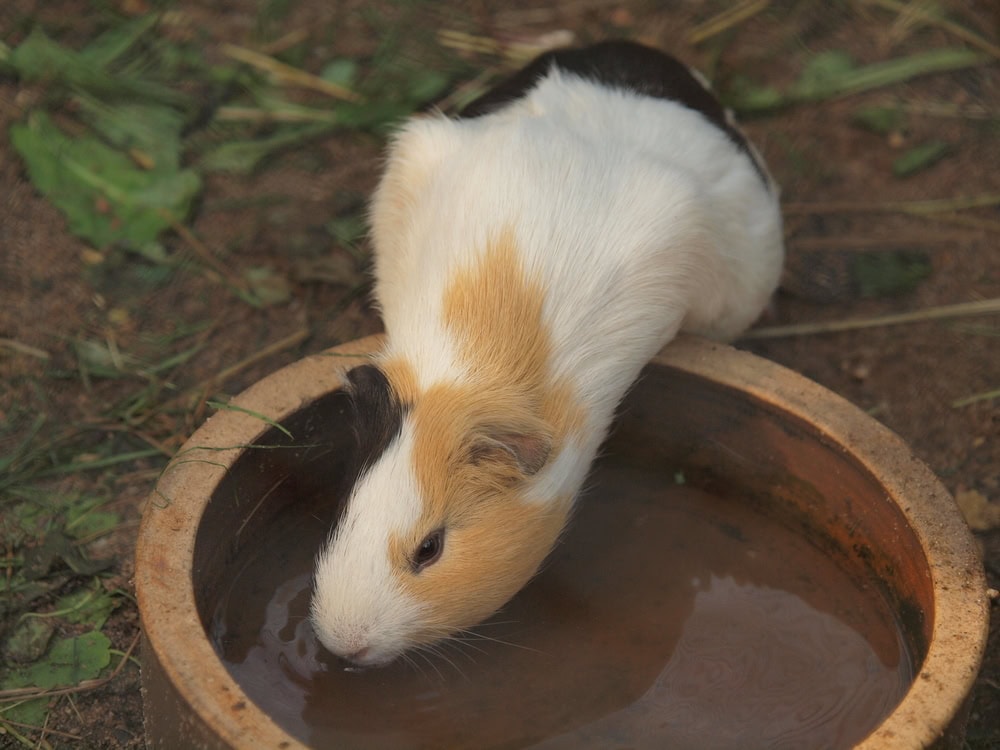
- Offer two water sources if possible (bowl plus bottle, or two bowls) so a tipped dish does not become an emergency.
- Refresh with cool water a few times a day.
- For guinea pigs, a heavy ceramic bowl is often harder to flip than plastic.
4) Feed hydration-forward greens
Rabbits and guinea pigs both benefit from extra water intake during heat. Offer fresh, rinsed leafy greens and watery veg in appropriate portions.
- Great options: romaine, cilantro, bell pepper for guinea pigs (vitamin C boost), cucumber as a small hydrating treat.
- Also fine in moderation: parsley, especially for pigs who love it, but do not overdo it.
- Go slowly: If your pet is not used to a food, a heatwave is not the time to experiment. Sudden diet changes can trigger GI upset.
5) Watch eating and poop output
Heat stress can reduce appetite and slow gut motility. During heatwaves I do quick, boring check-ins: did they eat hay, did they drink, and are poop piles staying normal for them? If intake drops or poops get small, scarce, or weird, call your exotics vet.
Outdoor habitat heat safety
I am going to be blunt because I have seen how quickly this goes wrong: during a true heatwave, outdoor hutches are risky even with shade. Heat builds in small enclosed spaces, predators are often most active around dawn and dusk, and power outages can take away fans.
If you can bring your rabbit or guinea pig indoors to an air-conditioned room, that is the safest move.
If your pets must be outdoors
- Move to the deepest shade: Not “partial shade.” Full shade all day.
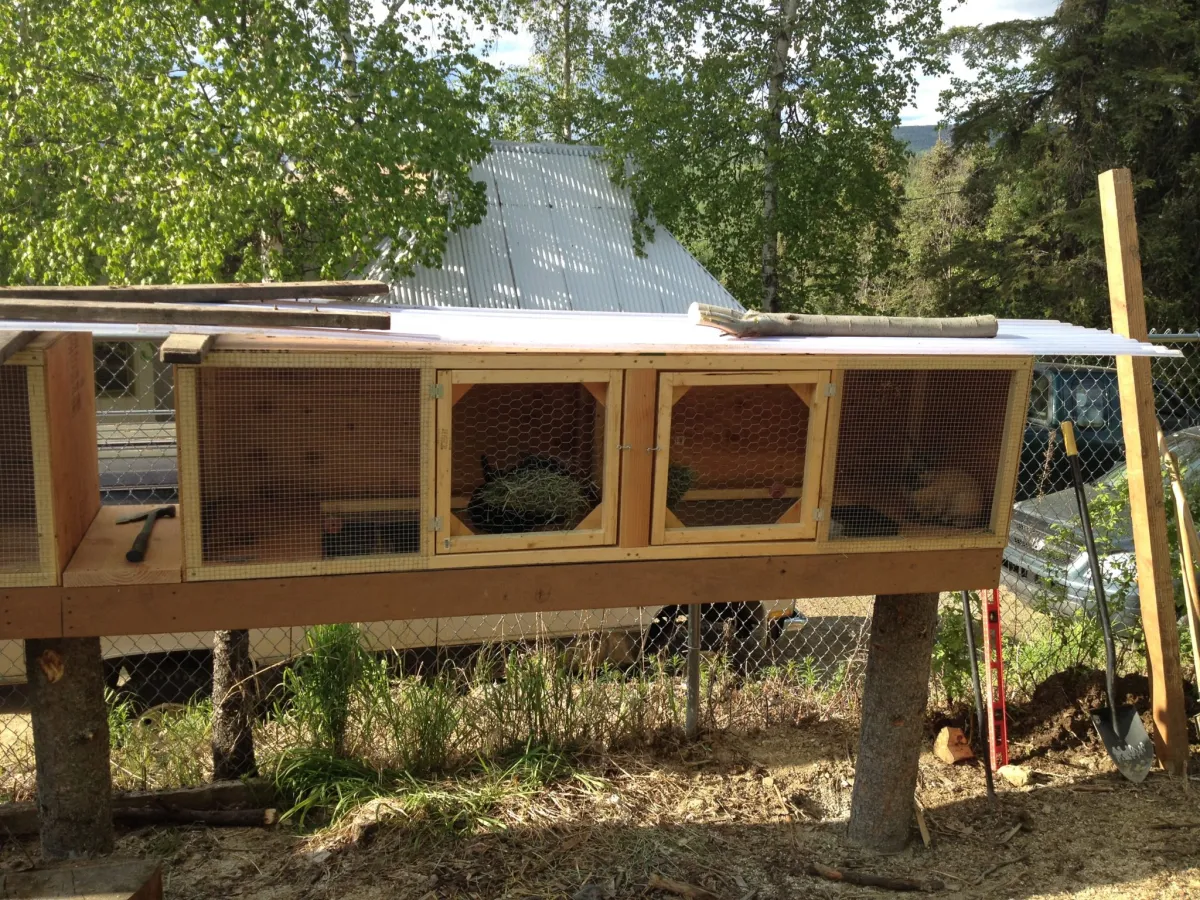
- Elevate the hutch: Ground-level heat radiates upward. A raised setup can reduce the oven effect.
- Maximize airflow: Use open mesh sides where safe, and remove any solid panels that trap heat (as long as predators and escape risk are addressed).
- Double-check water hourly: Bottles can jam, bowls can heat up. Use both.
- Use frozen bottles outside the enclosure walls: Cool the air without giving chewing access.
- Never leave in a garage or shed: These can become dangerously hot even if shaded.
Grooming and body heat
Fur is insulation. During summer, keeping coats managed reduces heat load.
Rabbits
- Brush frequently, especially during molts. In heat, a heavy shed can act like a sweater you cannot take off.
- Long-haired breeds may need careful trimming by an experienced handler. Avoid shaving to the skin since it can cause skin issues and does not always cool the way people expect.
Guinea pigs
- Long-haired pigs often need regular trims to prevent heat stress and matting.
- Check underneath the body where moisture and heat can get trapped.
Also check for sore hocks or damp bedding. Heat plus moisture is a recipe for skin trouble.
What to do if you suspect heatstroke
Heatstroke is a medical emergency. You are buying time, not fixing it at home.
Immediate steps
- Move to a cooler area right away (air-conditioned room if possible).
- Call an exotics vet or emergency clinic and tell them you suspect heatstroke.
- Start gentle cooling: Use a cool, damp cloth on ears (rabbits), feet, and body. You want cool, not icy. Damp is the goal, not soaking wet fur.
- Offer water: Do not force water into the mouth.
Do not do these
- Do not use ice-cold baths or dunking. Rapid chilling can cause shock.
- Do not mist or spray the whole body unless your vet specifically tells you to. Wet coats can trap heat and humidity, and stressed pets can chill when airflow hits.
- Do not force-feed unless your vet instructs you to.
- Do not wait “to see if they perk up.” Time matters.
Getting to the vet safely
- Keep the carrier in shade and pre-cool the car if you can.
- Use a wrapped cool bottle or ice pod outside the carrier or against one side with a towel barrier, so your pet can move away from it.
- Do not blast AC directly into the carrier. Cool the cabin instead.
- Bring water and a small bundle of familiar greens or hay for the ride.
If your pet seems weak, wobbly, or unusually quiet in heat, I would rather you feel a little overcautious at the vet than regretful at home.
Summer setup tweaks
Heatwaves are easier when your habitat is already designed for comfort.
- Choose breathable hideys: Avoid fully enclosed plastic igloos in summer. Pick wooden houses with multiple openings or drape a towel over a corner to create shade without trapping heat.
- Keep bedding cool: Thick piles of paper bedding can hold warmth. For guinea pigs, fleece systems can be cooler when changed often and kept dry.
- Freeze backup supplies: Keep two to four bottles or pods in the freezer so you can rotate them.
- Plan for outages: Have a battery fan, extra frozen bottles, and a transport carrier ready in case you need to relocate to a cooler spot quickly.
FAQ
Can I put a fan directly on my rabbit or guinea pig?
I avoid blowing a fan directly at them. Instead, point the fan to circulate the room air so the habitat stays cooler overall. If you do use a fan near the enclosure, make sure cords are protected from chewing and that your pet can move away from the airflow.
Are cooling mats safe?
Non-gel cooling mats can be useful if your pet does not chew them. Many rabbits are enthusiastic about testing textures with their teeth, so I treat mats as supervised only unless they are outside the pen wall.
Is it okay to give frozen treats?
I skip frozen fruits or icy snacks. Sudden very cold foods can upset sensitive digestion. Instead, offer cool water and fresh, rinsed greens, and focus on cooling the habitat.
What is the single most important heatwave upgrade?
A reliably cool room with good airflow, plus a cool resting surface like a tile. Those two changes prevent the majority of summer emergencies I see in rescue.
If you take one thing from this: set up cooling options before your rabbit or guinea pig looks distressed. Heatstroke moves faster than most people expect, but prevention can be wonderfully simple.
Stay cool, prep early, and give your little herbivores an extra sprig of cilantro from me.