A gentle, step-by-step nail trimming guide for rabbits and guinea pigs, including clipper tips, safe restraint holds, and quick-first-aid if you cut too short.
Rabbit Cove
Grooming Molting Rabbits and Long-Haired Guinea Pigs
Learn the safest tools and brushing techniques for heavy molts and long coats. Prevent mats and dangerous hair buildup with step-by-step grooming routines for rabbits and guinea pigs.

Chloe Miller
Chloe Miller is a dedicated small-pet enthusiast and experienced foster parent who has spent over a decade caring for rabbits and guinea pigs. Through her hands-on work with local animal rescues, she shares practical, compassionate advice on housing, nutrition, and daily enrichment to help small pets thrive. When she isn't designing custom indoor enclosures, Chloe can be found coaxing shy rescues out of their shells with fresh cilantro.
Published
October 22, 2026
Updated
October 22, 2026
Molting season has a way of sneaking up on you. One day your rabbit looks perfectly normal, and the next they are wearing a patchy “sweater” of loose tufts. Or your long-haired guinea pig goes from silky to tangled basically overnight. The good news is that grooming does not have to be a wrestling match or a daily panic. With the right tools and a calm routine, you can keep coats healthy, reduce hair ingestion, and avoid the kind of mats that hurt when you try to fix them later.
This guide covers what I use in foster homes for heavy sheds and long coats, plus the exact techniques that keep everyone comfortable and safe.
Why grooming matters in molts
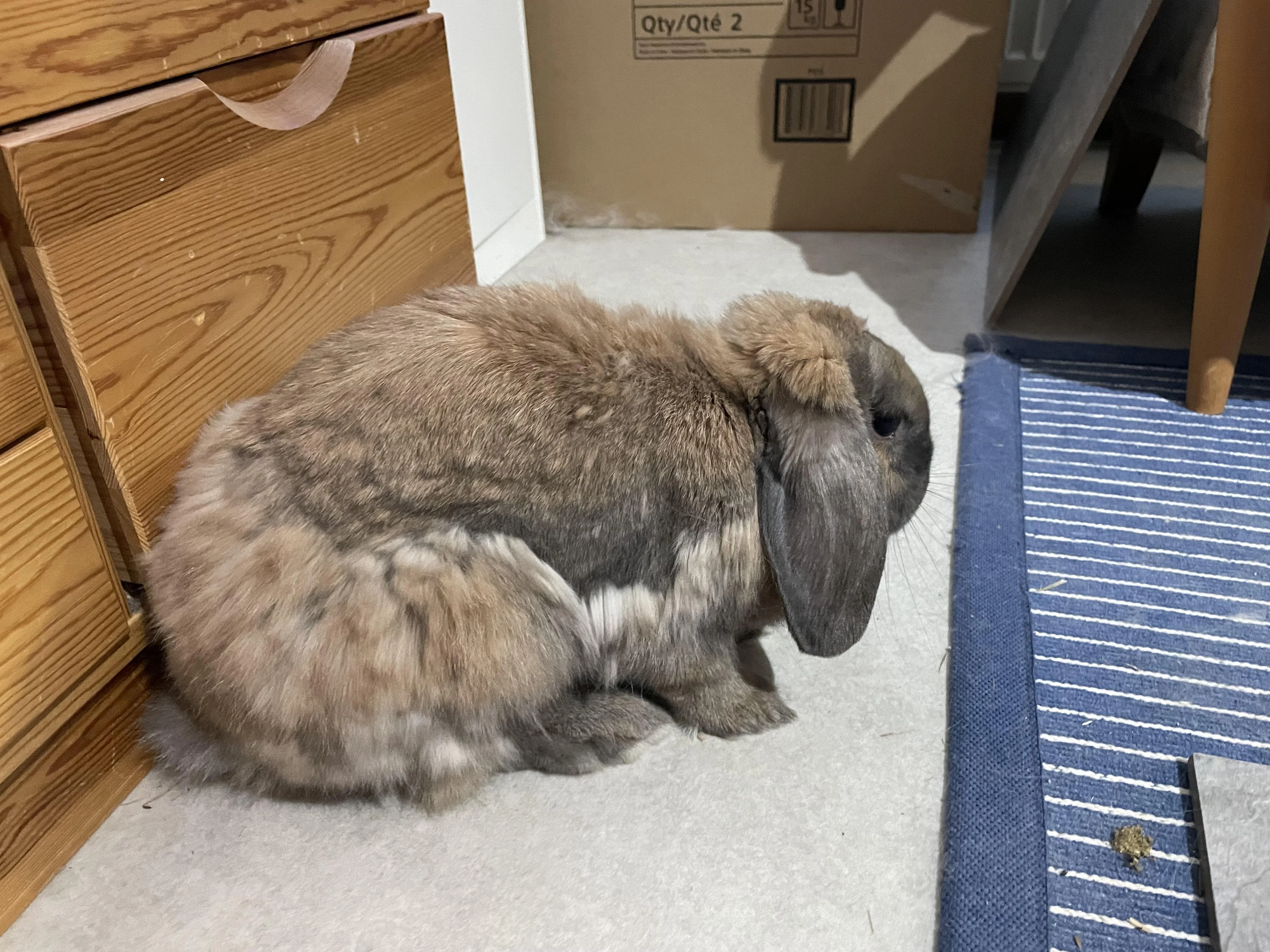
Rabbits and guinea pigs both lose hair over time, even if it is subtle outside of seasonal sheds. Some do it in gentle waves. Others look like they are being rebuilt from spare parts. Grooming is not just about keeping your couch lint-free. It is about preventing real health issues.
- Hair ingestion risk: Rabbits cannot vomit, and heavy hair intake can contribute to problems when gut motility slows. It can also complicate recovery from early digestive upset. Guinea pigs can struggle too, especially if hair and debris build up in the coat and get swallowed during self-grooming.
- Mats that pull and bruise: Mats tighten like little knots, tugging skin with every movement. In long-haired guinea pigs, mats can hide urine scald, skin infections, and parasites.
- Skin health: Removing loose undercoat improves airflow to the skin and lets you spot dandruff, sores, lice, mites, or urine staining early.
- Bond and handling practice: Short, predictable grooming sessions teach your pet that being handled is safe. This pays off later for nail trims and vet visits.
Normal shed or a problem?
Most molts look messy, not angry. Loose tufts, a patchy look that changes day to day, and lots of fur coming out with gentle brushing are common.
It is time to pause the DIY approach and check in with a rabbit-savvy or exotics vet if you see bald patches, scabs, broken skin, weeping spots, or intense itchiness. In guinea pigs, also consider barbering (a cage mate chewing fur), fungal issues, or mites. In rabbits, look for dandruff, mites, or skin irritation from urine or saliva.
Tools that work (and what to skip)
You do not need a drawer full of gadgets. You need a few reliable tools and to use them correctly. Here is my foster-kit shortlist, plus the “no thanks” list.
For molting rabbits
- Soft slicker brush: Best for lifting loose fur during a molt, especially on the back and sides. Use light pressure so you do not scrape skin.
- Rubber grooming mitt or damp hands: Perfect for the final pass to pick up floating fluff and reduce static. Slightly damp hands are surprisingly effective.
- Wide-tooth comb (optional): Helpful for angora-type coats or longer rabbit fur, but go slowly.
- Blunt-tip scissors: For emergency mat help only, and only if you can safely slide a comb between mat and skin. When in doubt, have a vet or groomer handle it.
For long-haired guinea pigs
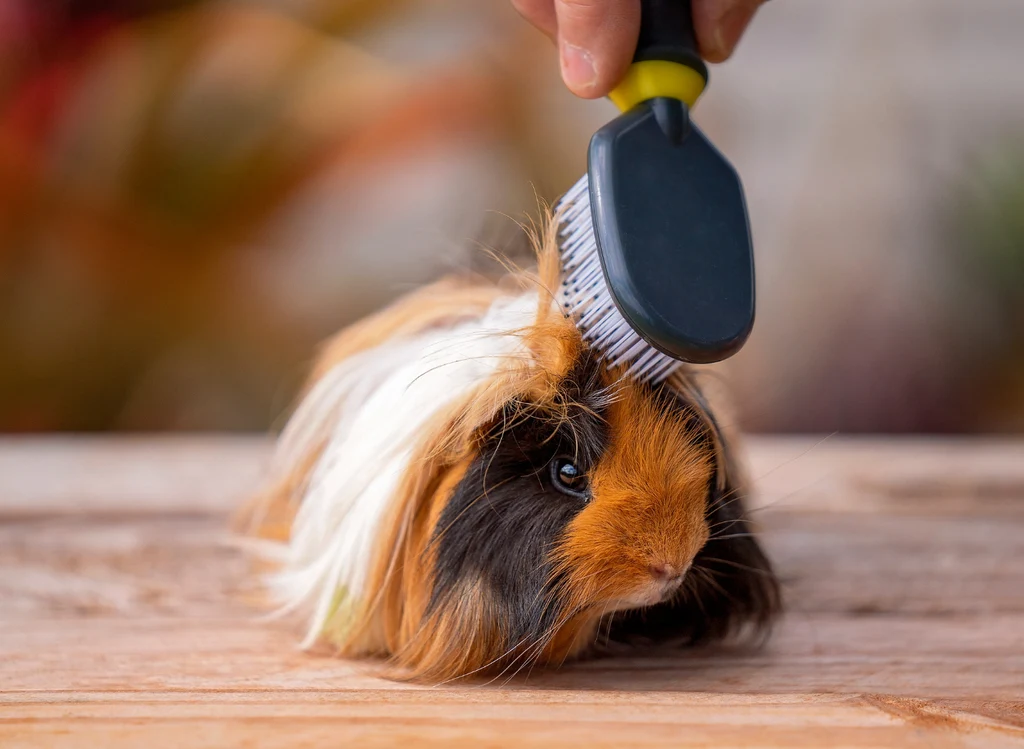
- Metal greyhound comb (wide and medium teeth): The gold standard for checking down to the skin and finding sneaky tangles.
- Soft slicker brush: Great for daily maintenance, especially for Peruvian, Silkie, Texel, and mixes with longer skirts.
- Mat splitter (experienced hands only): A small seam ripper-style mat splitter can help break apart surface tangles, but it can also nick skin fast. If you are not confident, skip it and trim instead.
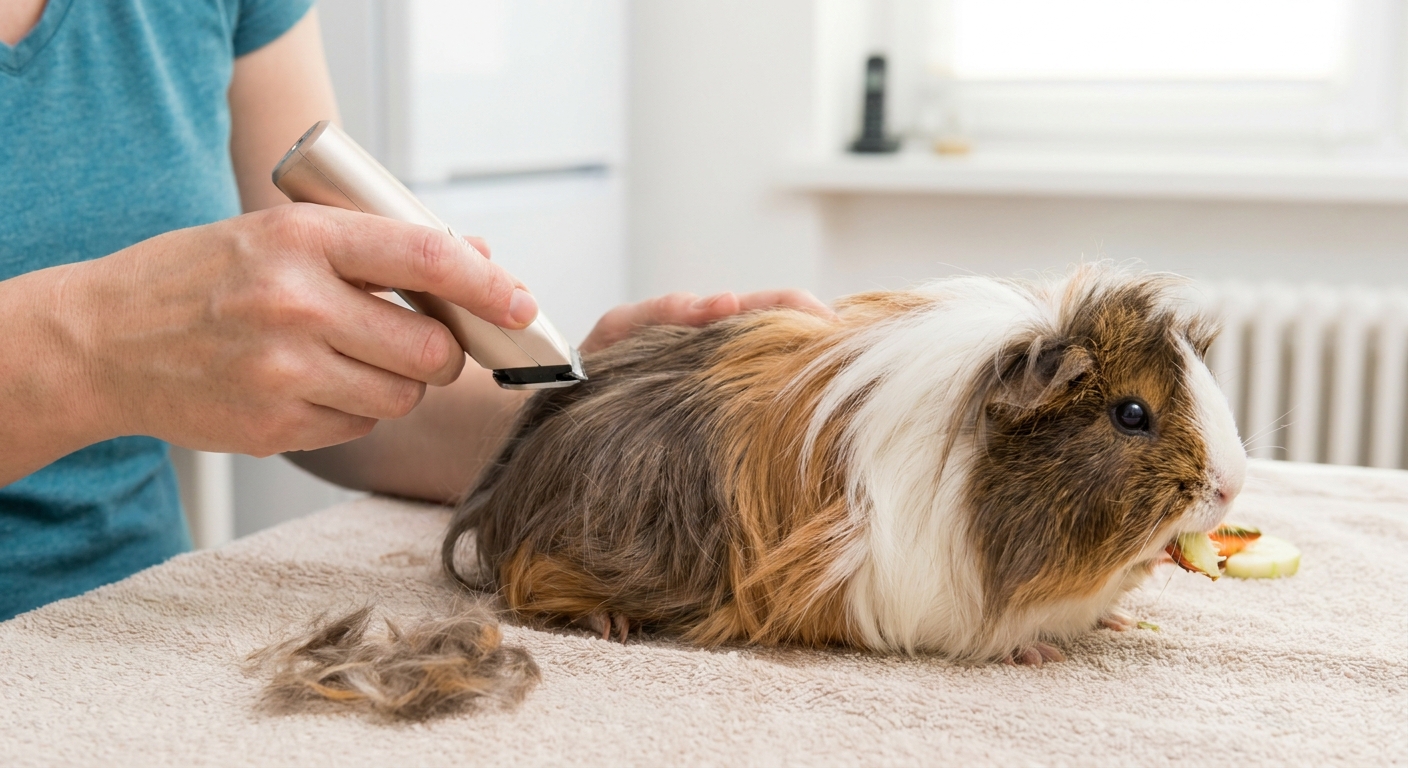
- Electric pet trimmers: Not for “beauty trims.” For humane, safe coat maintenance when hair is long enough to drag in bedding or when a pig is mat-prone. Choose quiet, small-pet-appropriate clippers, keep the blade flat, check blade temperature often, and stop if you are near thin or loose skin.
Skip these
- Furminator-style de-shedding blades: These can over-strip and irritate delicate skin, especially on rabbits.
- Human hairbrushes: Usually too soft to do much or too harsh in the wrong way. They also tend to miss undercoat and mats.
- Baths for shedding: Rabbits should not be bathed unless a veterinarian directs it for medical reasons. Guinea pigs can be bathed occasionally when truly needed, but bathing is not a shedding solution and can worsen tangles in long coats if done incorrectly.
Set up a safe grooming spot
Good grooming starts before you touch a brush. The goal is traction, calm, and a setup that prevents sudden jumps.
- Surface: A low, sturdy table, bench, or even the floor with a towel, yoga mat, or fleece on top for grip. If you use a higher surface, keep one hand on your pet the entire time. Rabbits can launch unexpectedly and injuries can happen fast.
- Lighting: Bright enough to see dandruff, tiny mats, and skin flakes.
- Tools within reach: Brush, comb, nail clippers if needed, and a small trash bowl or bag for fur.
- Treat plan: For rabbits, a few tiny herb sprigs or a single pellet at a time. For guinea pigs, a strip of bell pepper or cilantro can keep mouths busy.
- Time limit: Start with 3 to 5 minutes. End on a win. You can always do another mini-session later.
Safe holds and positioning
Most grooming injuries happen during the wiggle, not the brushing. The goal is support, not restraint.
- Rabbits: Keep the back end supported at all times. If a rabbit kicks while the hindquarters are unsupported, they can injure their spine. I prefer grooming with the rabbit sitting normally on a towel, with my forearm or hand gently blocking a backward scoot. Avoid flipping rabbits on their backs for grooming. Trancing can stress them and it is not necessary for most coat care.
- Guinea pigs: Support the chest and belly and keep the feet under them whenever possible. For quick checks, a secure, supported hold against your body works well. For longer sessions, a fleece pad on a stable surface lets them stay grounded while you work in sections.
Brushing molting rabbits
During a heavy molt, your rabbit’s coat often releases in sheets. The trick is to lift and collect loose fur, not scrub it out.
Step-by-step
- Start with petting strokes: Run your hands over the coat to feel where fur is loose. If tufts pull away easily, you are in peak molt territory.
- Use short, light strokes with the slicker: Brush in the direction of hair growth, especially along the back and sides. Think gentle sweeping, not digging.
- Hold the skin steady in sensitive spots: Around the hips, chest, and under the chin, place one hand to stabilize skin while you brush with the other.
- Switch to damp hands or a rubber mitt: This gathers the flying fluff and reduces static. It is also a nice way to calm your rabbit between brush passes.
- Check the underside safely: Many rabbits hate belly handling. If your rabbit tolerates it, do a quick check for mats near the hind end without rolling them onto their back. If not, focus on what they accept and schedule a second mini-session.
How often during a molt?
- Light shed: 1 to 2 times per week.
- Heavy molt: Daily or every other day until the worst tufts are gone.
- Long-haired rabbits (angora types): Often need daily grooming and more intensive coat management. If you have an angora and matting is a recurring battle, ask an experienced rabbit-savvy groomer or vet team to show you safe trimming strategies.
About hair and GI stasis
Rabbits do not get hairballs the way cats do, but they can develop a stomach full of hair mixed with food when gut motility slows. The best prevention is a combo of consistent brushing, unlimited grass hay, hydration, and daily movement. No gel, paste, or oil replaces those basics. If your rabbit is eating less, pooping less, or acting painful, call a rabbit-savvy vet immediately.
Long-haired guinea pig grooming
Long-haired guinea pigs are basically little floor mops with opinions. Their coat collects bedding, hay bits, and the occasional mystery crumb. Unlike rabbits, many long-haired guinea pigs do best with a combination of brushing and routine trimming for hygiene.
Daily quick check
- Run fingers through the coat: Feel for tight spots behind the ears, under the armpits, along the sides, and around the rump.
- Comb to the skin: Use the wide-tooth side first. If the comb stops, do not force it. That is a tangle starting.
- Spot clean debris: Pick out hay and bedding by hand before you brush. Pulling a comb through debris is how mats form fast.
Weekly full groom
- Section the coat: Lift the top layer and comb the hair underneath first. Mats hide close to the skin.
- Work from ends toward the body: Hold the hair near the skin with one hand so you are not tugging their body when you detangle.
- Use a slicker for finishing: Once tangles are out, a slicker smooths the coat and removes loose hair.
- Trim for cleanliness if needed: Many long-haired pigs benefit from a sanitary trim around the backside and any areas that drag in pee or get soiled.
When trimming is kinder
If your guinea pig mats easily, or if the coat drags on the floor, a maintenance trim is humane and often safer than daily detangling. A tidy coat is not a failure. It is comfort.
If you use clippers, go slow, keep the blade flat, and avoid thin skin folds around the legs and belly. Check the blade for heat often. If mats are tight to the skin, let a vet or experienced small-animal groomer handle the first reset trim.
Dematting safely
Mats happen. The goal is to remove them without pulling skin or accidentally cutting your pet.
For rabbits
- Try to separate with fingers first: Many mats are just compacted loose shed that can be teased apart gently.
- Use a comb as a safety barrier: If you must use scissors, slide a comb between the mat and the skin first, then trim above the comb. If you cannot slide a comb under it, do not cut it at home.
- Know when to stop: Rabbits have very delicate skin. Tight mats, especially around the tail, genitals, or dewlap, deserve professional help.
For guinea pigs
- Hold hair at the base: One hand stabilizes near the skin while the other hand gently combs the ends.
- Split the mat, then comb: If the mat is thick, carefully split it into smaller sections before combing out.
- Clip if it is tight: For close-to-skin mats, trimming is usually the least stressful option. Mats can bruise and trap moisture, so leaving them is not kind.
Schedules that stick
Consistency beats marathon sessions. Here are realistic routines that work for most households.
Molting rabbit routine
- Every day during peak molt: 5 to 10 minutes of slicker brushing plus damp-hands cleanup.
- Rest of the year: 1 to 2 brush sessions per week.
- Nails: Usually every 4 to 6 weeks, depending on flooring and activity.
Long-haired guinea pig routine
- Daily: Quick comb-through and debris check, especially rump and sides.
- Weekly: Full section-by-section comb and brush.
- Trim: Every 3 to 8 weeks depending on coat type, how fast it grows, and how clean it stays.
Keep grooming calm
Some rescues arrive convinced that brushes are predators. You can change that, but you cannot rush it.
- Choose your timing: Groom after a meal when they are relaxed, not right before dinner when they are extra impatient.
- Use towel parking: A folded towel under the front feet helps many rabbits feel stable. For guinea pigs, a fleece pad keeps them from sliding.
- Reward tiny cooperation: Treat for one calm stroke, then another. You are building a habit, not bribing bad behavior.
- Stop before they explode: End a minute early, not thirty seconds too late. This is how tomorrow’s session gets easier.
- Mind the bond: If you have bonded rabbits, groom near their partner when possible. Some pairs relax dramatically when they can see each other.
When to call a vet
Grooming is also your weekly health check. If you notice any of the following, reach out to an exotics-savvy veterinarian.
Rabbits
- Not eating, eating less hay, or fewer or smaller droppings
- Hunched posture, tooth grinding, or belly pressing
- Wet chin, drooling, or sudden coat decline
- Severe dandruff, scabs, hair loss patches, or intense itchiness
- Flystrike risk signs: soiled rear, foul odor, or wriggling larvae
Guinea pigs
- Crusty skin, heavy dandruff, bald spots, or frantic scratching (mites can be intense)
- Swollen nipples, lumps, or sores hidden under the coat
- Urine scald, persistent wetness, or strong odor around the rear
- Loss of appetite or reduced poop output
- Coat changes plus low energy or weight loss (guinea pigs also need steady vitamin C intake, and a dull coat can be a general “something is off” clue)
FAQ
Can I give my rabbit a hairball remedy during a molt?
Focus on the proven basics: heavy brushing, unlimited grass hay, fresh water, and daily exercise. If appetite or poop changes, treat it as urgent and call your vet. Products marketed for hairballs do not replace gut motility support and can delay real care.
My rabbit hates being brushed. What is the gentlest option?
Start with damp hands or a rubber grooming mitt for a week, paired with tiny treats. Then introduce a soft slicker for just a few strokes at a time. Many rabbits accept grooming when it is short, predictable, and not forceful.
Should long-haired guinea pigs be trimmed?
Often, yes. A maintenance trim keeps hair from dragging through bedding and reduces mats and urine scald. It is completely compatible with great care and does not harm the coat when done carefully.
What if I find a mat close to the skin?
Do not yank or cut blindly. If you cannot safely slide a comb between mat and skin, it is time for professional help. Rabbits in particular have skin that can tear easily.
How do I know if I am brushing too hard?
If you see redness, your pet flinches repeatedly, or you are hearing the brush scrape skin, lighten pressure and switch to shorter strokes. The coat should come out with gentle work during a true shed. If it does not, you may be using the wrong tool for the coat or brushing too aggressively.
Simple goal: comfy and mat-free
You do not need perfection. You need a routine your pet can tolerate and you can maintain. During molts, think little and often. For long-haired guinea pigs, think comb to the skin and trim kindly. If you stay ahead of loose fur and tangles, you will spend less time battling mats and more time enjoying the sweet part of pet parenting, like being chosen as the official cilantro provider.