A practical, welfare-first comparison of fleece liners and paper bedding for rabbits and guinea pigs, including cost, odor control, maintenance, and health c...
Rabbit Cove
Best Flooring to Prevent Sore Hocks in Rabbits and Guinea Pigs
Sore hocks and bumblefoot are painful but often preventable. Learn the safest flooring options for rabbits and guinea pigs, plus easy layering setups and cleaning tips.

Chloe Miller
Chloe Miller is a dedicated small-pet enthusiast and experienced foster parent who has spent over a decade caring for rabbits and guinea pigs. Through her hands-on work with local animal rescues, she shares practical, compassionate advice on housing, nutrition, and daily enrichment to help small pets thrive. When she isn't designing custom indoor enclosures, Chloe can be found coaxing shy rescues out of their shells with fresh cilantro.
Published
October 22, 2026
Updated
October 22, 2026
Sore hocks are one of those problems that can sneak up on you. One day your rabbit or guinea pig is binkying or popcorn hopping (a happy hop) like normal, and the next you notice a tender, thinning patch on the back of the heel area (the hock) or a little red spot that was not there last week.
The good news is that for many pets, flooring is the easiest, most effective place to intervene. The goal is simple: soft, dry, high-traction footing that stays clean without trapping urine against the skin.
Quick safety note: If you see open sores, heat, pus, significant swelling, or your pet is limping or not eating normally, contact an experienced exotics vet promptly. Flooring changes help a lot, but they cannot replace treatment when infection is involved.
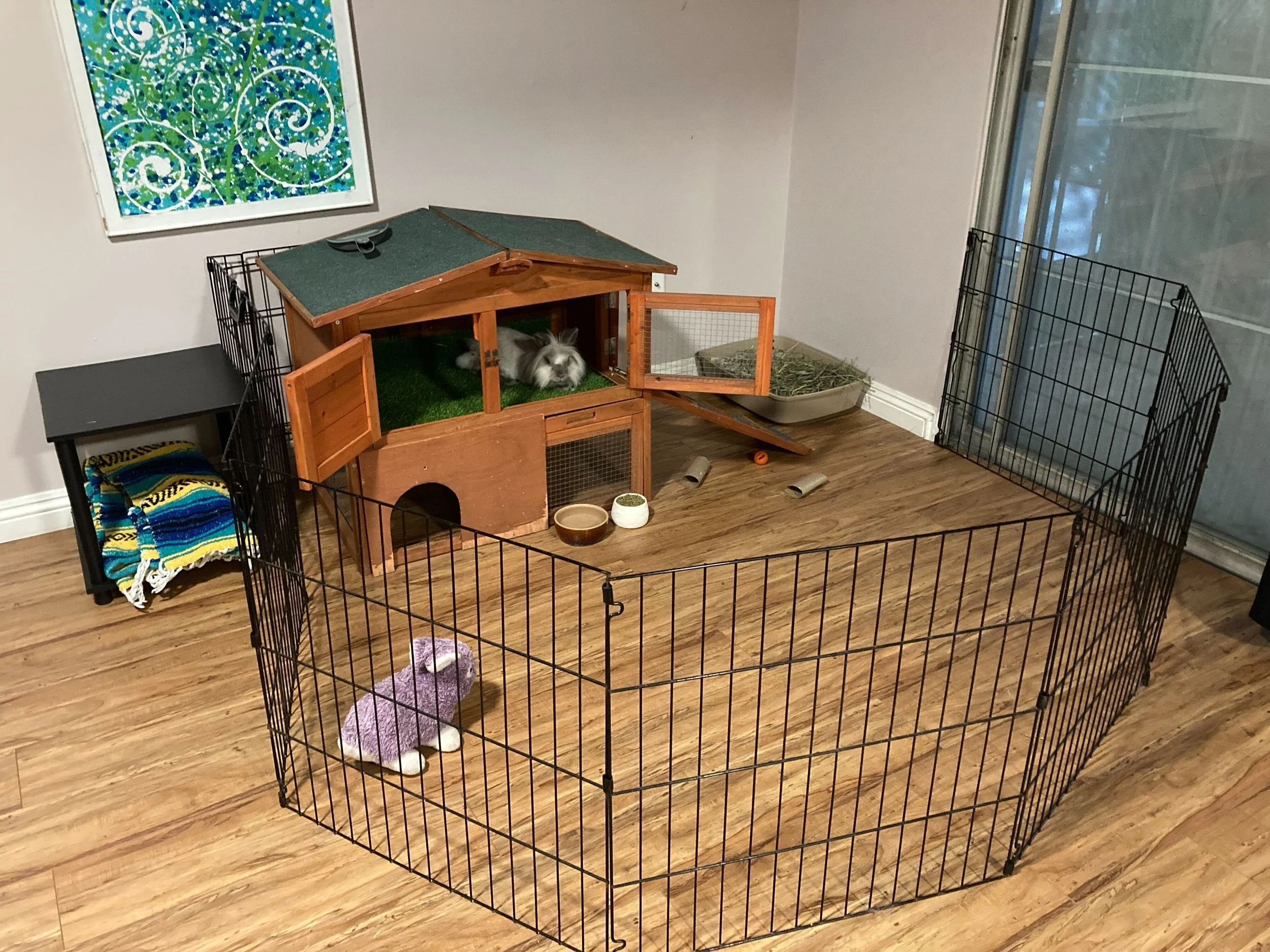
Why sore hocks happen
Rabbits and guinea pigs are built for movement, but their feet are not built for hard, abrasive, or consistently damp surfaces. Rabbits, especially, have fur padding instead of thick foot pads like a dog or cat. When that fur gets worn down, the skin underneath can take a beating.
You will often hear people use “sore hocks” and “bumblefoot” interchangeably. In practice, sore hocks can mean everything from mild hair loss to irritated skin, while bumblefoot is often used for more advanced, inflamed, or infected pododermatitis. Flooring is a big prevention and healing tool, but it is not the only factor.
Common flooring-related triggers
- Hard plastic (like bare cage bottoms) that offers no cushion
- Wire flooring, which can cause pressure points and injury
- Rough surfaces (coarse carpet, scratchy mats, splintery wood)
- Constant moisture from urine-soaked bedding or poor absorbency
- Slippery footing that makes them scramble and stress joints and skin
Flooring is rarely the only factor. Weight, age, arthritis, genetics, nail length, and hygiene all matter. But if I had to pick one thing that changes outcomes fastest in foster homes, it is upgrading the surface under their feet.
What foot-safe flooring does
When I am setting up a new foster space, I look for a few non-negotiables:
- Cushion: reduces pressure on heels and hocks
- Traction: prevents slipping, splaying, and friction burns
- Dryness: moves moisture away from skin
- Cleanability: can be swapped and washed frequently
- Chew safety: especially important for rabbits and determined guinea pigs
If a flooring option is soft but stays damp, it can still set the stage for infection. And if it is absorbent but abrasive, you get the worst of both worlds. We want balance.
Best flooring options
1) Thick fleece over an absorbent layer
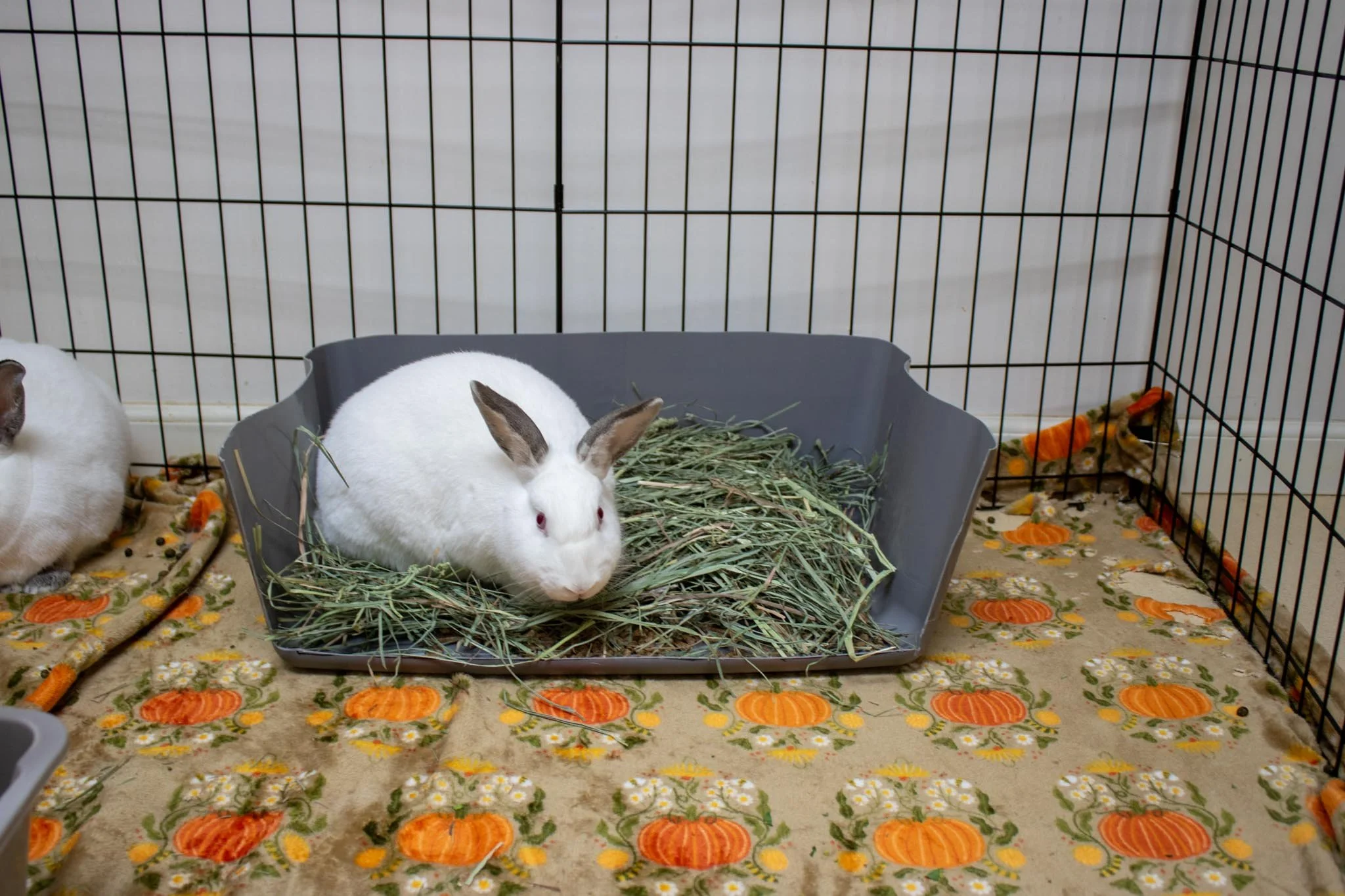
Fleece is popular for a reason. It is soft, offers good traction, and in the right setup it can keep the top surface feeling dry.
The key: fleece alone is not absorbent, and brand-new fleece can be water-repellent until it is washed a few times. Pre-wash it (skip fabric softener) and do a quick “wicking test” by pouring a little water on it. If it beads up, keep washing until it pulls moisture through.
How to layer it
- Top: anti-pill or blizzard fleece, pulled tight
- Middle: washable absorbent pads (incontinence pads, cotton moving pads, or purpose-made cage liners)
- Bottom: a waterproof barrier if needed (like a pee-proof liner) to protect your floor or coroplast
Best for: indoor rabbits, guinea pigs in C&C cages, pets already showing early heel thinning.
Watch-outs: Some guinea pigs love to burrow. If they get under fleece and sit on the absorbent layer, use clip fasteners or binder clips along the edges and provide a dedicated cuddle cup or hidey to satisfy the digging urge.
2) EVA foam mats (with a cover)
Those interlocking foam tiles can be a game changer for sore hocks because they add real cushion. I love them as a base layer, especially for rabbits that tend to lounge in one spot for hours.
Best practice: do not leave foam exposed to direct chewing or urine. Cover it with fleece, a washable rug, or a tightly fitted liner.
- Pros: excellent cushioning, easy to size, improves traction under a fabric top layer
- Cons: tempting to chew if accessible, can trap moisture if urine gets underneath
Best for: rabbits with early sore hocks, seniors, heavier rabbits, arthritic rabbits who need softer footing.
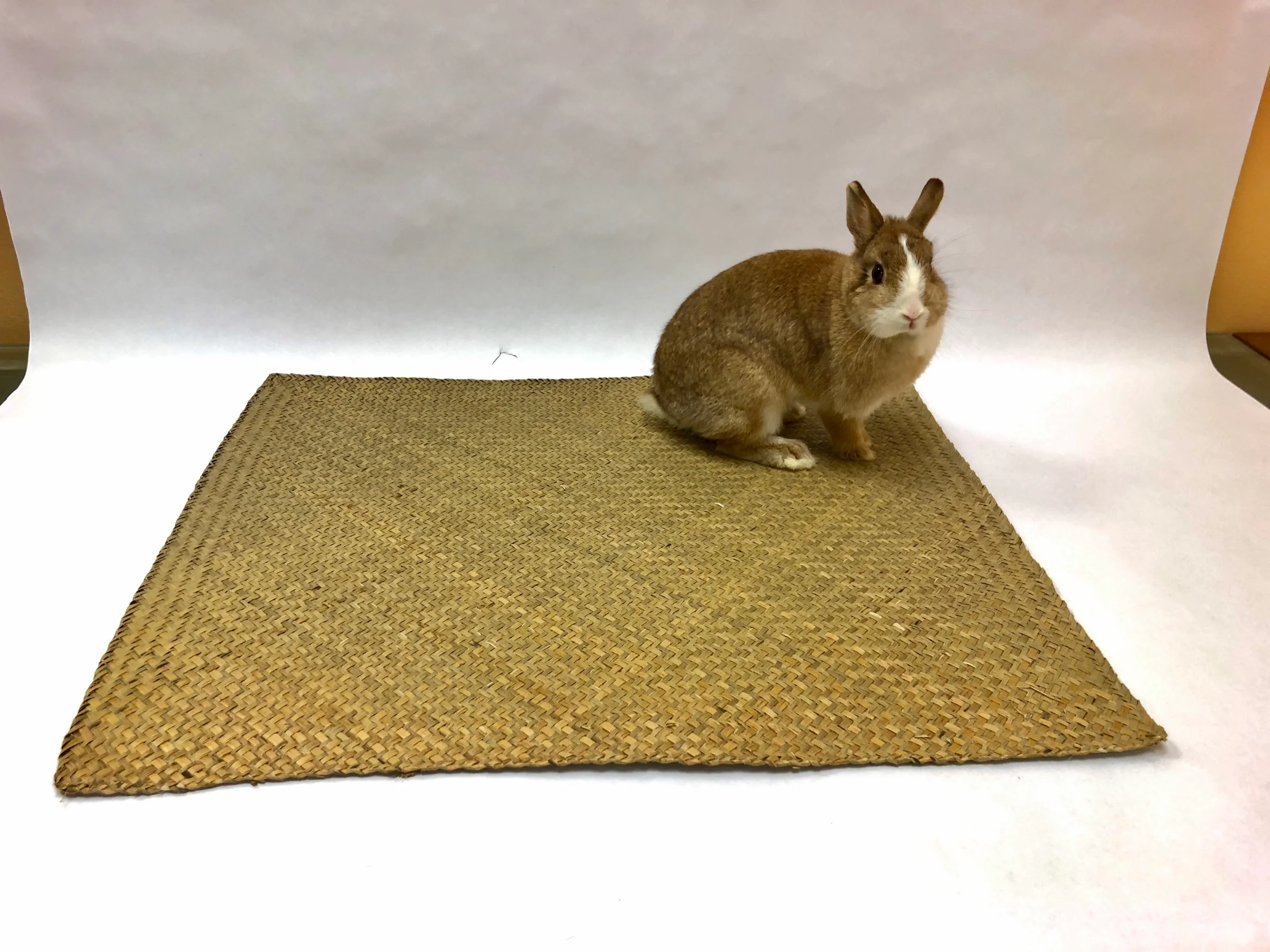
3) Grass mats and seagrass mats (as rest stations)
Natural woven mats can add texture, traction, and a little enrichment. I think of these like area rugs rather than the whole flooring plan.
- Pros: great traction, satisfying to dig and chew, easy to swap
- Cons: not absorbent, can get gross fast if used as a bathroom spot
Safety tip: Stick to plain, pet-safe mats and monitor chewing. If your rabbit or guinea pig is shredding and swallowing strands, remove the mat and swap to a safer option.
How I use them: place one near a favorite nap corner or in front of a litter box entrance to reduce slipping. Replace when frayed, damp, or smelly.
4) Soft rugs and low-pile carpet squares
Traction matters. A lot. Slipping causes pets to tense up, scuff their feet, and sometimes start avoiding movement.
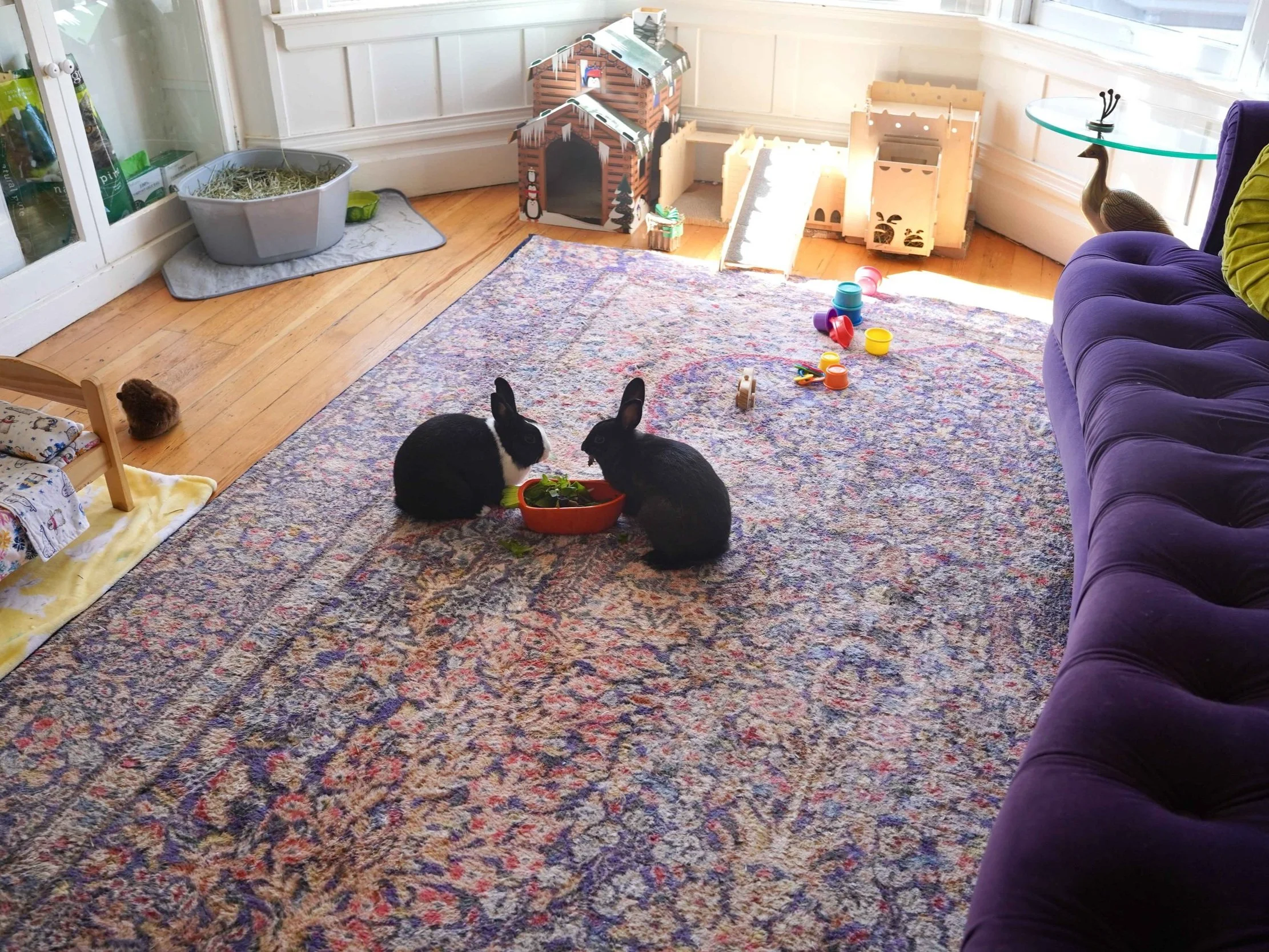
Choose: low-pile, tightly woven rugs that do not snag nails easily. Washable is ideal. If you use carpet squares, pick softer, low-loop styles and avoid anything scratchy.
- Pros: good traction, easy to add to play areas, helps nervous pets feel steady
- Cons: can hold urine odors if accidents happen, some rabbits chew fibers
Tip: Put washable rugs in high-traffic zones like between home base and the hay area. Many rabbits do the awkward hardwood slide when they are trying to sprint to the salad bowl.
5) Paper-based bedding for guinea pigs
For guinea pigs, paper bedding can work well when it is kept deep enough, ventilated, and spot-cleaned consistently. It can offer cushion and can help keep feet dry, but only if you stay ahead of wet corners.
- Pros: absorbent, readily available, good odor control with routine cleaning
- Cons: ongoing cost, can get damp in favorite corners, some pigs kick it everywhere like it is their job
Important: Damp paper bedding can worsen sore hocks. If you find that one area stays wet, add a bigger absorbent “kitchen” zone, increase cleaning frequency, or switch systems.
Best for: guinea pig guardians who prefer a bedding system over fleece, or for pigs that do not do well on fabric.
Flooring to avoid
Wire floors
Wire flooring is a hard no for rabbits and guinea pigs. It creates pressure points, can cause cuts, and can quickly worsen sore hocks. If you have a cage with a wire level or insert, cover it completely with a rigid, solid surface (so it does not flex) plus soft bedding on top.
Bare plastic cage bottoms
Easy to wipe, yes. Kind to feet, no. If your setup has a plastic base, treat it as the waterproof layer, not the walking surface. Add padding and a washable top.
Hardwood, tile, or slick laminate as the main surface
These are fine outside the enclosure in a rabbit-proofed room, but you need rugs, runners, or mats for traction. Think yoga studio, not ice rink.
Rough or loose-weave fabrics
Anything that catches nails can lead to torn nails, sprains, or those frantic little “I am stuck” moments none of us want. If your pet’s nails catch, retire that fabric.
Easy setups
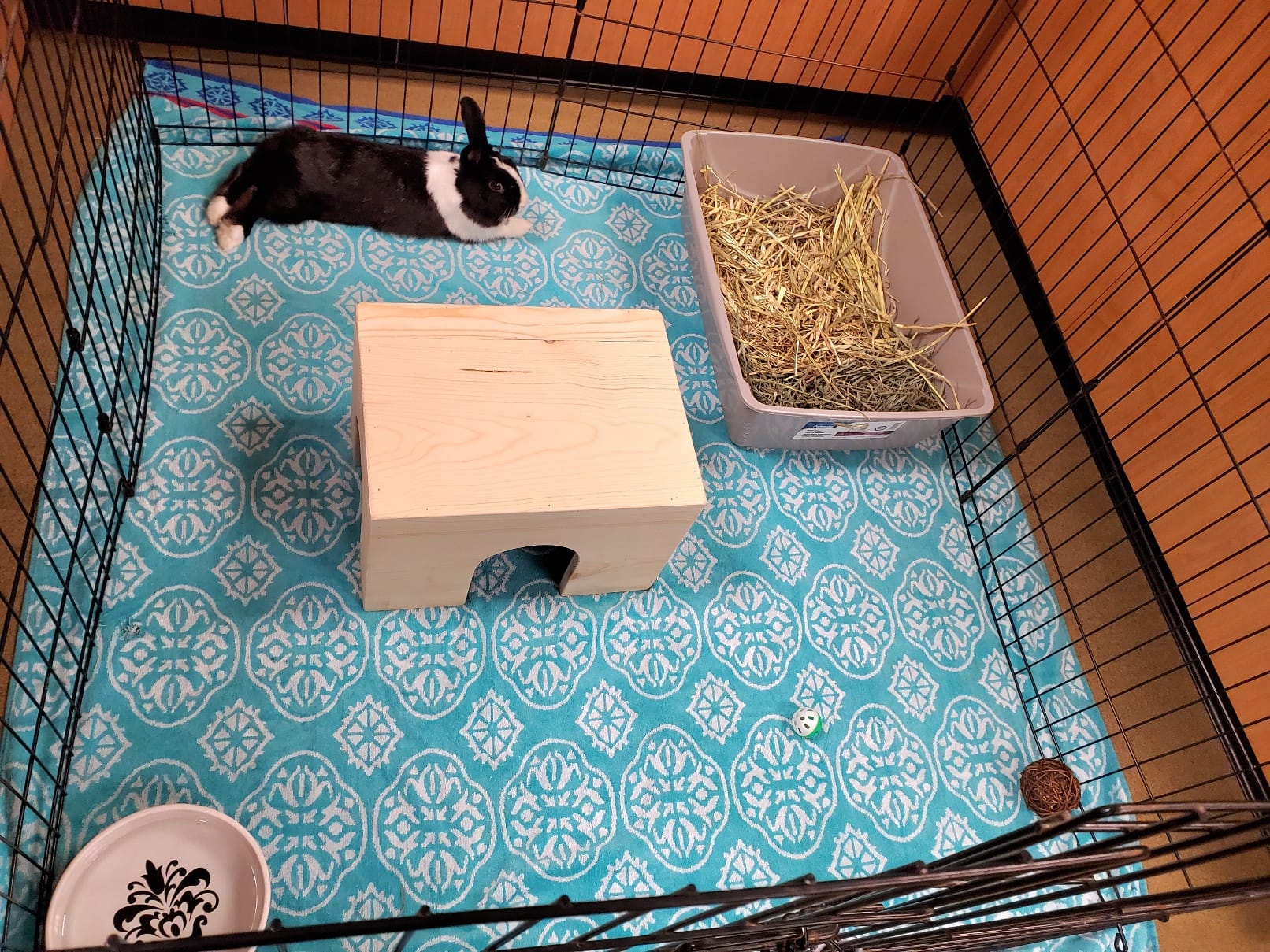
Rabbit pen floor
- EVA foam mats as the base (optional but wonderful for sore hocks)
- Absorbent pad layer
- Fleece top, pulled tight and clipped
- Seagrass mat near the litter box entrance
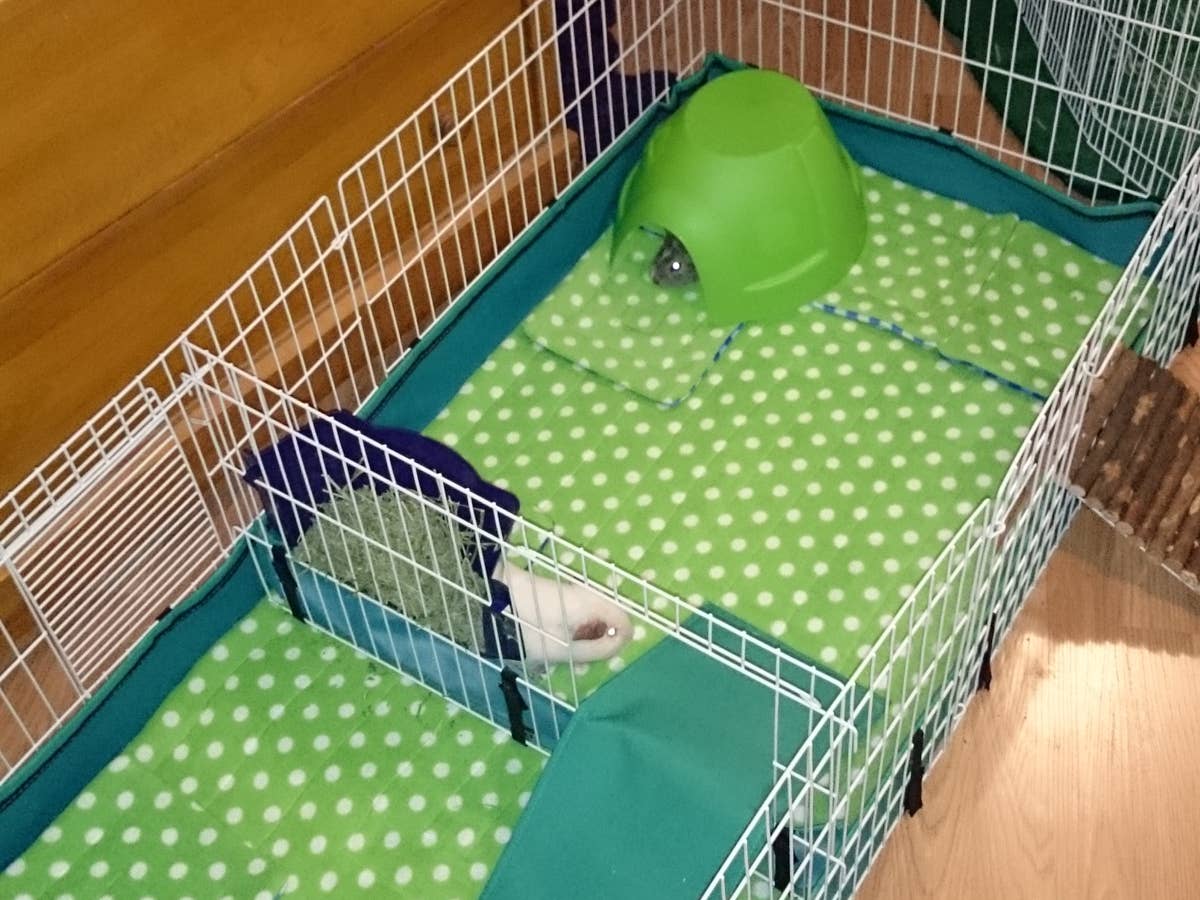
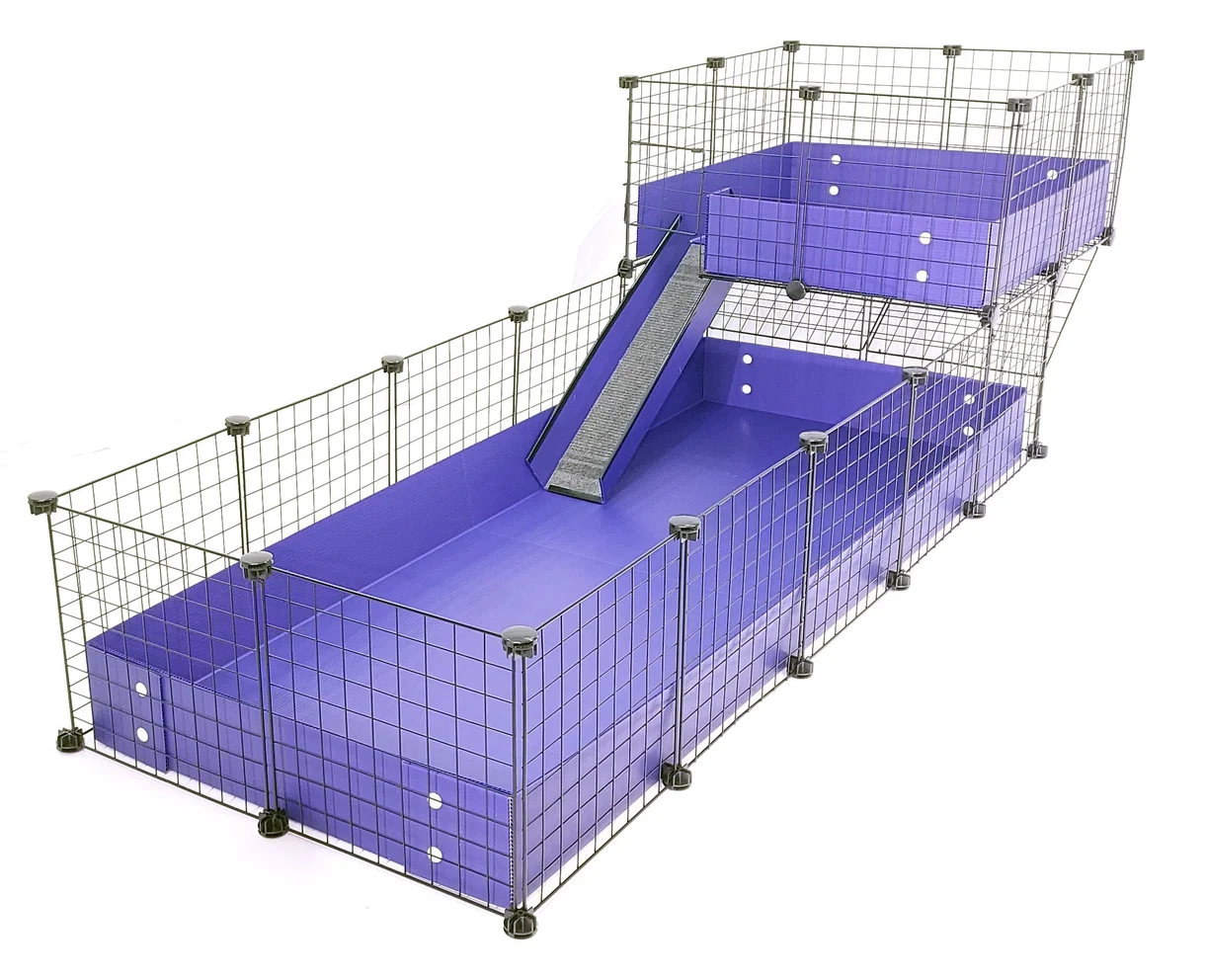
Guinea pig C&C cage floor
- Absorbent layer cut to size
- Fleece top with snug edges
- Extra pee pads under hay racks, water bottles, and hideouts
- A small paper-bedding kitchen area if your pigs soak one corner daily
If you take nothing else from this section, take this: add extra absorbency where they potty the most. Your future self will also appreciate the easier laundry.
Cleaning routines
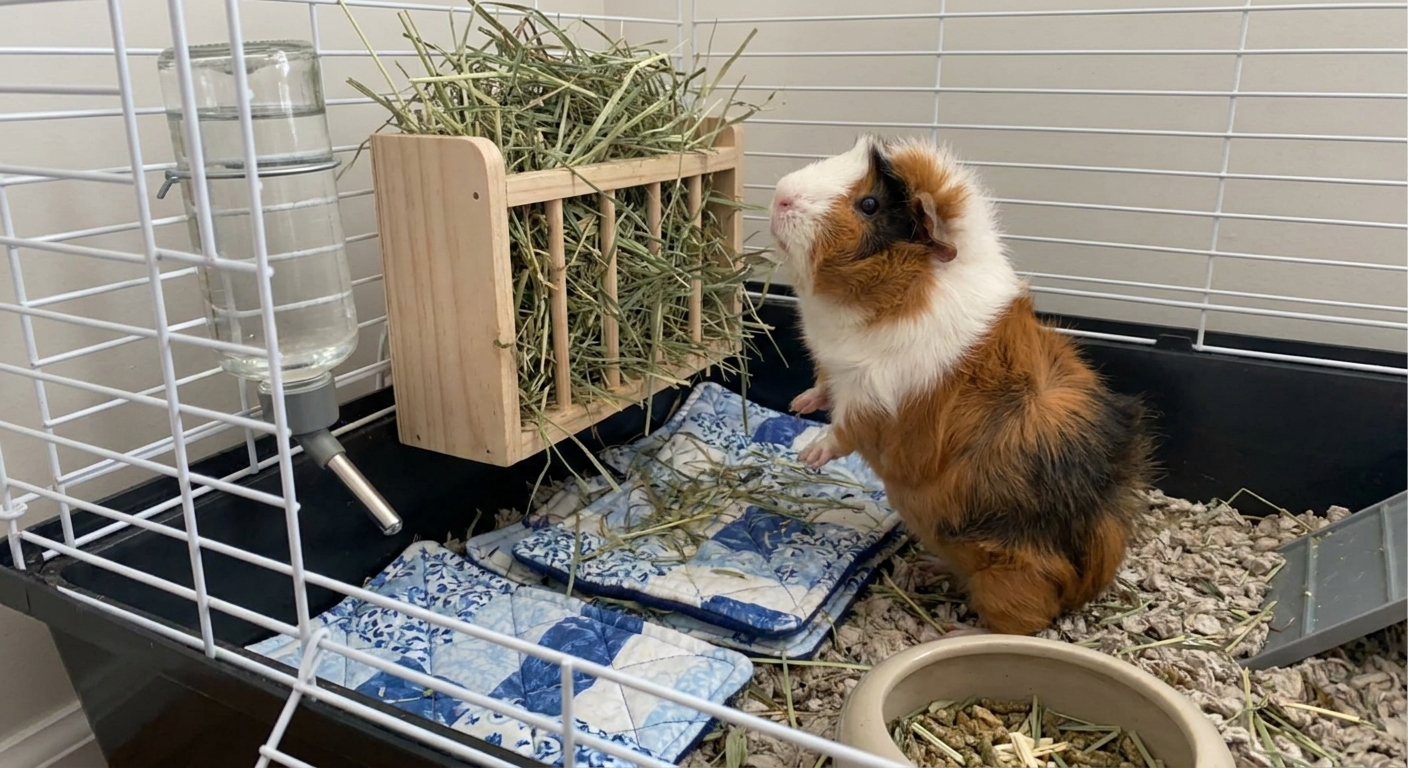
The cleanest flooring in the world will not help if it stays damp. Moisture softens skin and invites bacteria.
My practical schedule
- Daily: spot clean wet areas, shake off hay, swap any damp pee pads
- Every 2 to 4 days: full liner change for guinea pigs (often sooner with boars or big herds)
- Weekly: full deep clean of the base and litter boxes
Laundry tip: skip fabric softener. It reduces absorbency. Use a fragrance-free detergent when possible, and rinse well.
If your pet has sore hocks
If you are seeing redness, thinning fur on the heel, scabbing, swelling, or your pet is favoring a foot, treat it seriously. Sore hocks can progress from mild irritation to infected pododermatitis that needs veterinary care.
Changes you can make today
- Increase cushioning: add foam under the main resting zone
- Keep it dry: add more pee pads and change them more often
- Improve traction: add rugs or mats to slippery routes
- Check nails: overgrown nails change foot posture and increase pressure on the heel
- Review litter habits: a rabbit that sits in a wet litter box needs a bigger box, more litter, more frequent changes, or all three
What else to address
- Weight: if your pet is overweight, talk with your vet about a safe plan. Less pressure on the heels helps.
- Mobility and pain: arthritis or other pain can lead to more sitting and more pressure in one spot. A vet can help with a comfort plan.
- Movement: encourage gentle activity with safe traction, roomy housing, and enrichment that gets them walking.
Important: If you see open sores, heat, pus, significant swelling, or your pet stops eating or moving normally, contact an experienced exotics vet promptly.
Rabbit litter box basics
Since wet litter is such a common trigger, a quick setup check can make a huge difference:
- Go bigger than you think: most rabbits need a large cat litter box size so they can fully turn around and lounge without sitting in the wet spot.
- Use an absorbent litter: paper-based pelleted litter is a common choice. Avoid clumping cat litter and pine or cedar shavings.
- Keep hay where they eat: many rabbits like to munch hay while using the box, which helps keep habits consistent.
- Make entry easy: a low entry box helps seniors and arthritic rabbits get in without scrambling.
- Change often: if the box smells or feels damp, the feet notice too.
FAQ
Is fleece safe for rabbits who chew?
Many rabbits ignore fleece, some obsess over it. If your rabbit is pulling and swallowing fabric, switch to a tightly woven cotton rug, a flat bath mat, or a different washable liner system. Ingested fabric can be dangerous, so this is one of those “trust what your rabbit is telling you” moments.
Can I use towels instead of fleece?
You can, but towels tend to bunch up and stay damp on top. If you use towels, pull them tight, layer absorbency underneath, and swap them frequently. For most households, fleece over an absorbent core is easier to keep consistently dry.
Do guinea pigs get sore hocks too?
Yes. It can be related to hard flooring, chronic dampness, obesity, or inactivity. Good traction and dryness matter just as much for pigs as for rabbits.
What is the best flooring for a rabbit with arthritis?
Think soft and grippy. Foam under a fleece or rug top layer is my favorite combo. Add rugs in any area where the rabbit transitions from resting to walking so they do not slip when standing up.
Bottom line
If you want the simplest best bet setup, it is this: a cushioned base, a truly absorbent middle layer, and a soft, high-traction top that you can swap and wash often. That combination prevents most early sore hocks in my foster rooms and makes healing much easier when a new arrival comes in with tender feet.
Your pet should be able to rest sprawled out, hop confidently, and do their weird little zoomies without paying for it later with sore heels. The right flooring makes that possible.