Learn a stress-free, at-home weekly check to monitor eyes, ears, weight, and body condition, plus red flags that mean it is time to call your exotic vet.
Rabbit Cove
Spotting Mites, Lice, and Fleas in Rabbits and Guinea Pigs
Learn the telltale signs of mites, lice, and fleas in rabbits and guinea pigs, what you can do at home to soothe itchy skin, and which vet treatments are actually safe.

Chloe Miller
Chloe Miller is a dedicated small-pet enthusiast and experienced foster parent who has spent over a decade caring for rabbits and guinea pigs. Through her hands-on work with local animal rescues, she shares practical, compassionate advice on housing, nutrition, and daily enrichment to help small pets thrive. When she isn't designing custom indoor enclosures, Chloe can be found coaxing shy rescues out of their shells with fresh cilantro.
Published
October 22, 2026
Updated
October 22, 2026
If your rabbit or guinea pig is suddenly scratchy, flaky, or acting a little "don’t touch me" about being handled, external parasites are high on my list of suspects. I see it often in rescue intakes because stress, poor nutrition, and cramped housing make it easier for mites and lice to take advantage.
The tricky part is that parasite irritation can look like allergies, dry skin, ringworm, or even pain. This guide will help you spot the most common culprits, support your pet at home safely, and know when it is time for a vet visit right now.
First, a quick safety note
Rabbits and guinea pigs are not tiny dogs or cats. Many over-the-counter flea and mite products marketed for cats and dogs can seriously harm, or even kill, small herbivores.
- Do not use fipronil (commonly found in topical spot-on products and sprays for cats and dogs) on rabbits or guinea pigs unless an experienced exotics vet explicitly directs you to. In real-world practice, it is widely treated as a no-go.
- Avoid permethrins. These are risky for small mammals and are a common cause of preventable toxicity.
- Pyrethrins are not a DIY option. Even when a product sounds "mild," guinea pigs in particular can be sensitive. Only use pyrethrin-containing products if your exotics vet prescribes and doses it for your specific pet.
- When in doubt, do not treat blindly. A skin problem that looks like parasites could be fungal, bacterial, or pain-related, and the wrong product can make everything worse.
If you are seeing severe pain, open sores, weakness, pale gums, or your pet is not eating or pooping normally, skip the guessing and call an experienced exotics vet.
Parasites at a glance: mites vs lice vs fleas
Here is the simple version I keep in my head during checks. The details matter, but this helps you narrow things down.
| Parasite | Most common in | What you might notice | Can you see it? |
|---|---|---|---|
| Mites | Both (very common in rabbits; common in guinea pigs) | Intense itching, dandruff, scabs, hair loss, pain with touch | Often no (some types can be seen as moving flakes) |
| Lice | Guinea pigs more often than rabbits | Itching, dull coat, nits on hair shafts, patchy hair loss | Sometimes yes (slow-moving insects and eggs) |
| Fleas | Both, usually picked up from cats/dogs or the environment | Itching, flea dirt, crusts from scratching | Sometimes yes (fast-moving adults, pepper-like dirt) |
Signs of mites (the most common culprit)
When I say mites, I mean several different species that cause different patterns of irritation. You do not need to identify the exact species at home, but you do want to recognize the red flags. (If you like names for the vet paperwork, common ones include Cheyletiella in rabbits, Psoroptes cuniculi for rabbit ear mites, and Trixacarus caviae in guinea pigs.)
Common symptoms
- Sudden, intense itching, especially at night or after handling
- Dandruff or heavy flaking, sometimes called "walking dandruff" when flakes seem to move
- Patchy hair loss along the back, rump, shoulders, or neck
- Scabs and crusts, often from self-trauma
- Sore, inflamed skin under the fur
- Touch sensitivity. Some rabbits flinch or bolt when you pet their back if fur mites are involved.
What mites can look like in rabbits
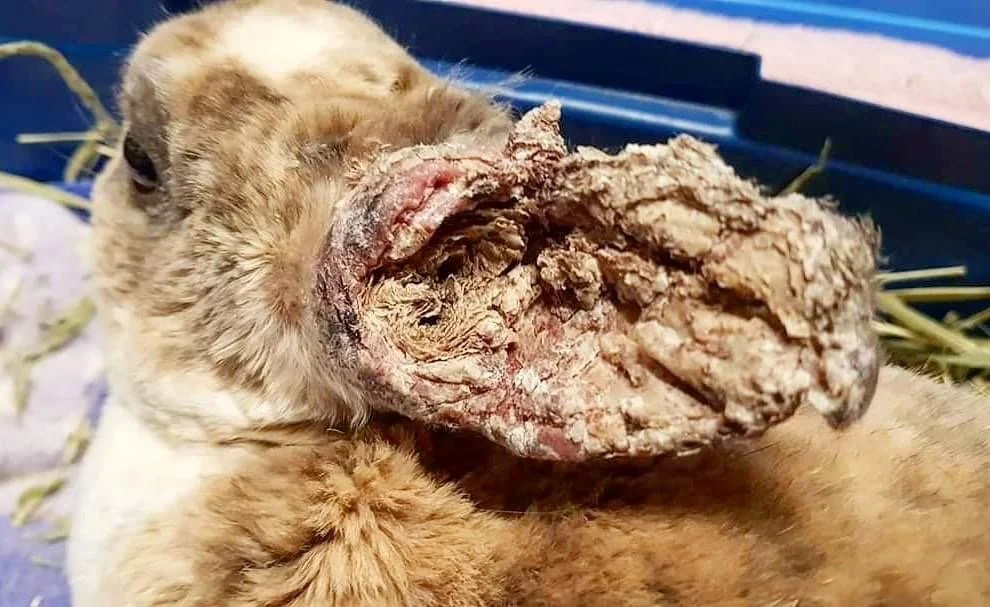
Rabbits can have fur mites that cause dandruff and coat thinning, and ear mites that cause crusting and discomfort. With ear issues in particular, you might notice:
- Head shaking or ear scratching
- Thick crusts inside the ear
- One ear held differently than usual
- A sour smell if infection has joined the party
Important: Do not dig crusts out of rabbit ears. Those crusts can be tightly attached, and removing them can cause bleeding and serious pain. Let a vet treat the underlying mite problem and the crusts will loosen safely.
What mites can look like in guinea pigs
Guinea pigs can get mites that cause severe itching and pain. In heavy infestations, some pigs become so uncomfortable they may squeal when touched or seem frantic.
One especially scary possibility is that severe mange can trigger seizure-like episodes. In many cases, these episodes are driven by extreme pain and stress rather than a primary seizure disorder, but either way it is urgent and needs veterinary care right away.
Signs of lice (especially in guinea pigs)
Lice are more common in guinea pigs than rabbits, and they are often brought in through contact with another infested animal or contaminated bedding. The good news is that lice are generally species-specific, so a true infestation on humans is unlikely. The bad news is they can still make your pet miserable, and some people do get temporary itchiness after handling an infested animal.
Common symptoms
- Persistent itching and fidgety behavior
- Dull, rough-looking coat
- Hair loss, often on the sides or along the back
- Nits (eggs) stuck to hair shafts, often near the base of the fur
- Slow-moving tan or gray bugs visible if you part the coat and look close
How to check for lice at home
- Choose a bright area and use your phone flashlight.
- Part the fur along the back and behind the ears.
- Look for tiny insects that move slowly, plus white or tan specks glued to hairs (nits do not flick off like dandruff).
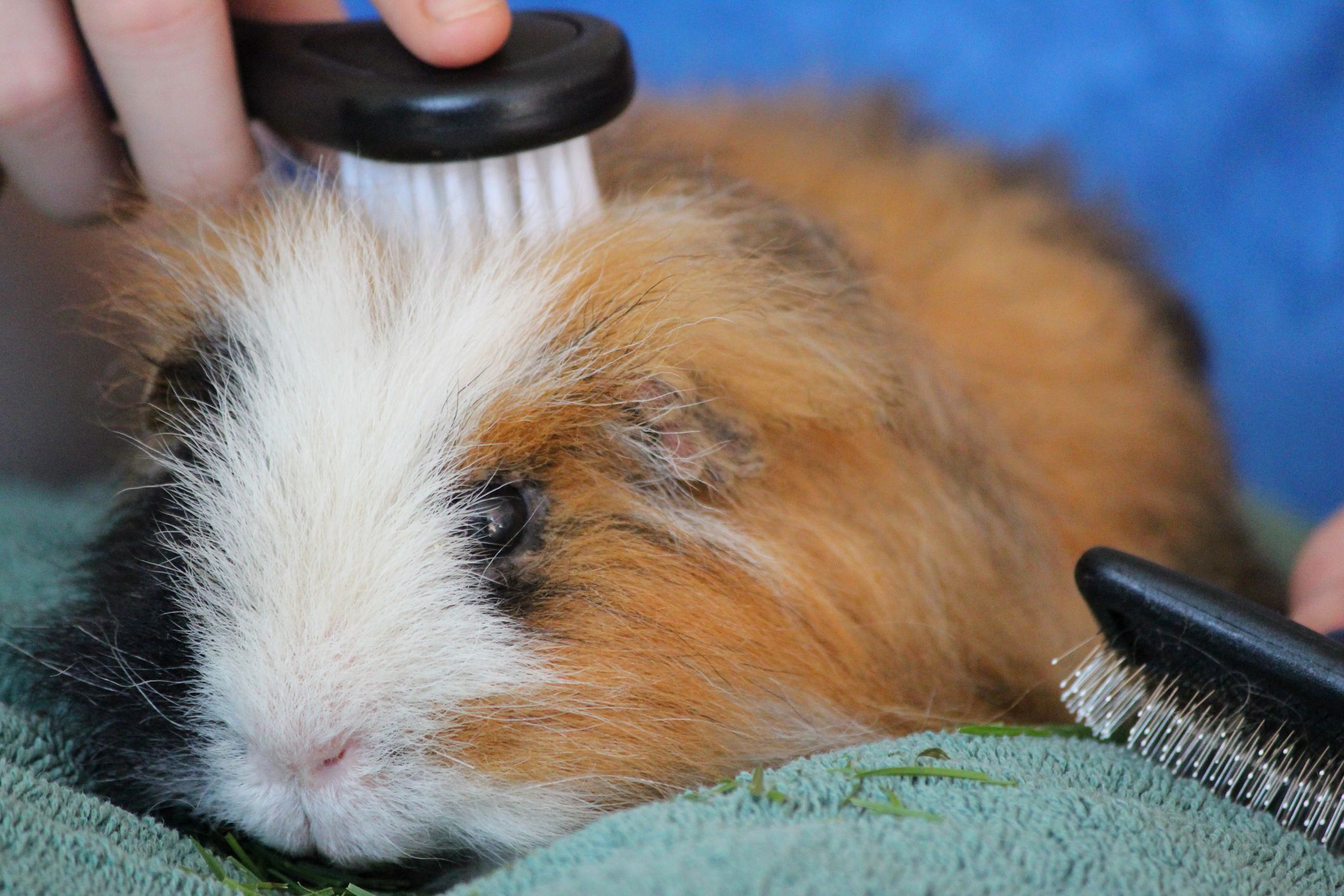
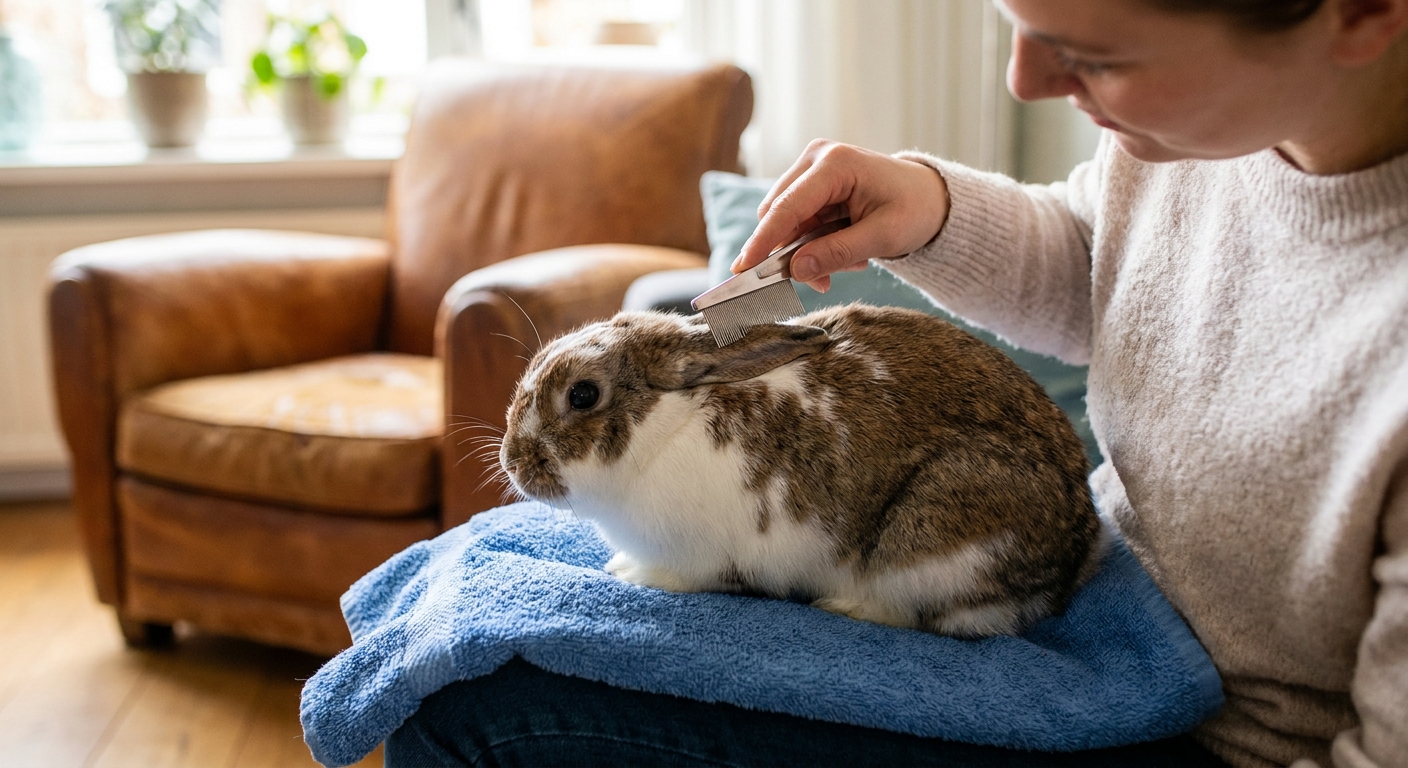
- Comb gently with a fine flea comb onto a white paper towel to see what drops out.
Signs of fleas (less common, but possible)
Fleas are not the most common parasite I see on rabbits and guinea pigs, but they absolutely happen, especially in multi-pet homes where a dog or cat goes outdoors.
Common symptoms
- Itching and increased grooming
- Flea dirt that looks like black pepper in the coat
- Small scabs around the neck, rump, or base of the tail
- Actual fleas that dart away quickly when you part the fur
The white paper towel test
This is my favorite low-tech check:
- Comb your pet gently over a damp white paper towel.
- If you see black specks, smear them with a wet fingertip.
- If the smear turns reddish-brown, that is digested blood, meaning flea dirt is likely.
If fleas are present, remember you must address all pets in the home (with species-appropriate products) and the environment, or you will be stuck in an itchy loop.
What else can look like parasites?
Before you treat, it helps to know the common lookalikes:
- Dry skin from low humidity, poor diet, or lack of grooming support (especially during sheds)
- Ringworm (fungal), often circular hair loss with flaky edges. It can spread to humans, so use good hand hygiene and keep kids and immunocompromised family members extra cautious until your vet rules it out.
- Bacterial skin infection, sometimes with moist sores or odor
- Urine scald and skin irritation from sitting in damp bedding
- Barbering (fur chewing) from stress, boredom, pain, or a mismatched cage mate
- Allergies or contact irritation from scented bedding, dusty hay, or fragranced cleaners
If the skin is raw, oozing, swollen, or your pet is painful or not acting normally, it is time for a vet exam rather than a home experiment.
At-home comfort steps that are actually safe
While you are waiting for a vet appointment, focus on comfort and reducing further irritation. Think supportive care, not DIY exterminator.
Do
- Keep them eating. Parasites are stressful, and stress can tip rabbits and guinea pigs into gut slowdown. Offer unlimited hay and their usual greens.
- Gently groom with a soft brush or comb to remove loose fur and flakes, stopping if the skin is sore.
- Trim nails if they are long. Long nails can make scratch injuries worse.
- Switch to clean, soft bedding like fleece liners or paper-based bedding, and clean daily while itchy.
- Wash fabrics on hot and dry thoroughly if possible.
- Isolate new arrivals from other small pets until cleared. I always quarantine fosters for a reason.
Do not
- Do not bathe routinely. Baths can cause chilling, stress, and skin irritation. Spot cleaning is safer if needed.
- Do not apply essential oils, coconut oil, or random anti-itch creams. Many are toxic if licked, and these pets groom.
- Do not use human numbing creams or steroid creams unless your vet prescribes them. Ingredients like benzocaine, lidocaine, and steroids can cause serious problems if misused.
- Do not pick ear crusts or scabs.
- Do not use cat or dog flea products unless your exotics vet specifically prescribes one with an exact dose.
How vets confirm the cause
If you have ever wondered why a vet visit matters when "it looks like mites," this is why. Skin issues overlap, and confirming the cause keeps treatment safe and effective.
- Skin scrape or hair pluck to look for mites under a microscope
- Acetate tape prep to check for mites, lice, and skin infection clues
- Ear exam and swab for ear mites, yeast, or bacteria
- Fungal testing (culture or PCR). A Wood’s lamp can miss many cases, so a negative glow does not rule ringworm out.
Veterinary treatment: what is commonly used and why dosing matters
External parasites are usually very treatable, but the key is using the right medication at the right dose for the right species. Rabbits and guinea pigs are small, and a tiny dosing mistake can become a big problem.
Medications vets commonly use
- Selamectin (a prescription topical) is commonly used in rabbits and sometimes in guinea pigs under veterinary guidance.
- Ivermectin (topical or oral depending on case) is commonly used for mites and some lice, with careful dosing schedules.
- Imidacloprid (topical) may be used for fleas in rabbits in some situations, but it must be prescribed correctly and paired with environmental control.
Depending on where you live, some of these uses are off-label in small herbivores. That is normal in exotics medicine, but it is also exactly why you want a vet calculating a weight-based dose and schedule.
Your vet may also recommend pain relief, treatment for secondary infection, or antifungal therapy if the skin is compromised. That is not overkill. It is compassionate medicine.
Why you may need repeat doses
Many parasite treatments do not kill every life stage immediately. Repeat dosing targets newly hatched parasites. If you stop after one treatment because things look better, parasites can rebound.
Bring this info to your appointment
- When symptoms started and whether they are worsening
- Any new pets, boarding, rescue intake, or bedding changes
- Whether your home also has cats or dogs, and if they go outdoors
- Photos of skin, flakes, or ear crusts (helpful if your pet behaves like an angel at the clinic)
Cleaning the environment (without going overboard)
For mites and lice, treating the animal is the main event, but a good clean helps prevent re-infestation and reduces irritation. For fleas, environmental work becomes much more important.
For mites and lice
- Deep clean the enclosure the day you start treatment.
- Replace disposable bedding and hay that has been sat on.
- Wash fleece, hideys, and fabric beds on hot and dry fully.
- Wipe hard surfaces with a pet-safe cleaner, then rinse and dry.
For fleas
- Vacuum carpets and upholstered areas frequently, and empty the canister or bag right away.
- Wash pet blankets and nearby fabrics on hot.
- Treat cats and dogs in the household with vet-approved flea control, or you will be chasing fleas forever.
Avoid bug bombs, foggers, and strong insecticides around small pets. Their lungs are sensitive, and their bodies are small.
When itching is urgent
Please do not wait it out if you notice any of the following:
- Not eating, fewer poops, or small dry poops (especially in rabbits)
- Severe pain, screaming, or frantic scratching
- Seizure-like activity or collapse
- Large open sores or bleeding
- Head tilt, loss of balance, or rapid worsening ear symptoms
- Very pale gums or extreme lethargy (heavy flea burden can contribute to anemia)
External parasites are common. Suffering does not need to be.
Prevention habits that actually work
In rescue, my best prevention tools are boring ones: space, cleanliness, and quarantine. They work.
- Quarantine new rabbits and guinea pigs for at least 2 weeks, ideally 3 to 4, before introducing them to others.
- Buy hay from a reliable source and store it in a dry, clean bin. Dusty hay can make itchy skin feel worse, even when parasites are the root issue.
- Keep enclosures spacious and dry. Damp bedding and crowded conditions invite skin trouble.
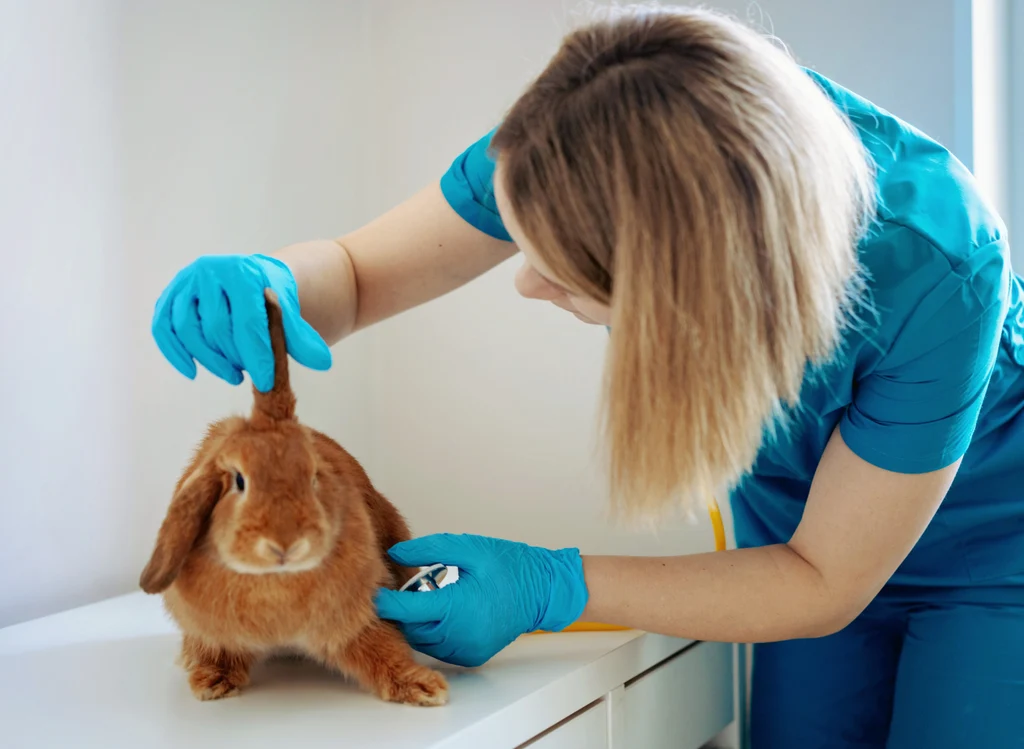
- Do weekly hands-on checks: part the fur, look at the skin, check ears, and run a comb through the coat.
- Support a strong coat with a hay-based diet and species-appropriate vitamin C for guinea pigs.
FAQ
Can humans catch mites or lice from rabbits and guinea pigs?
Most rabbit and guinea pig lice are species-specific and do not live on humans. Some mites can cause temporary itchiness if you handle an infested pet, but they typically do not establish a long-term infestation on people. If you have persistent symptoms, talk with your physician and let them know you have small pets.
Should I treat all my rabbits or guinea pigs if one has parasites?
Often, yes, especially if they share housing or have close contact. Your vet can guide you on who needs treatment and on what schedule.
My pet has dandruff but is not itchy. Is it still mites?
It can be. It can also be a normal shed, dry skin, or grooming issues. If dandruff is heavy, persistent, or paired with hair loss, get it checked. In my experience, early treatment is easier on everyone involved.
Can I use a flea shampoo or flea collar?
No. Flea shampoos and collars are generally not appropriate for rabbits and guinea pigs and can be dangerous. Safe flea control is prescription-guided and dose-specific.
Do I need to throw away everything in the enclosure?
Not usually. Replacing disposable bedding and doing a thorough wash of fabrics goes a long way. For fleas, environmental control matters more, but you still do not need harsh pesticides around your pets.
The takeaway
If your rabbit or guinea pig is itchy, flaky, or losing fur, parasites are a very real possibility, and they are usually very treatable with the right vet help. Start with a careful check, keep your pet comfortable, clean the habitat, and avoid risky over-the-counter products. When you are dealing with tiny bodies and sensitive skin, safe and steady beats fast and random every time.