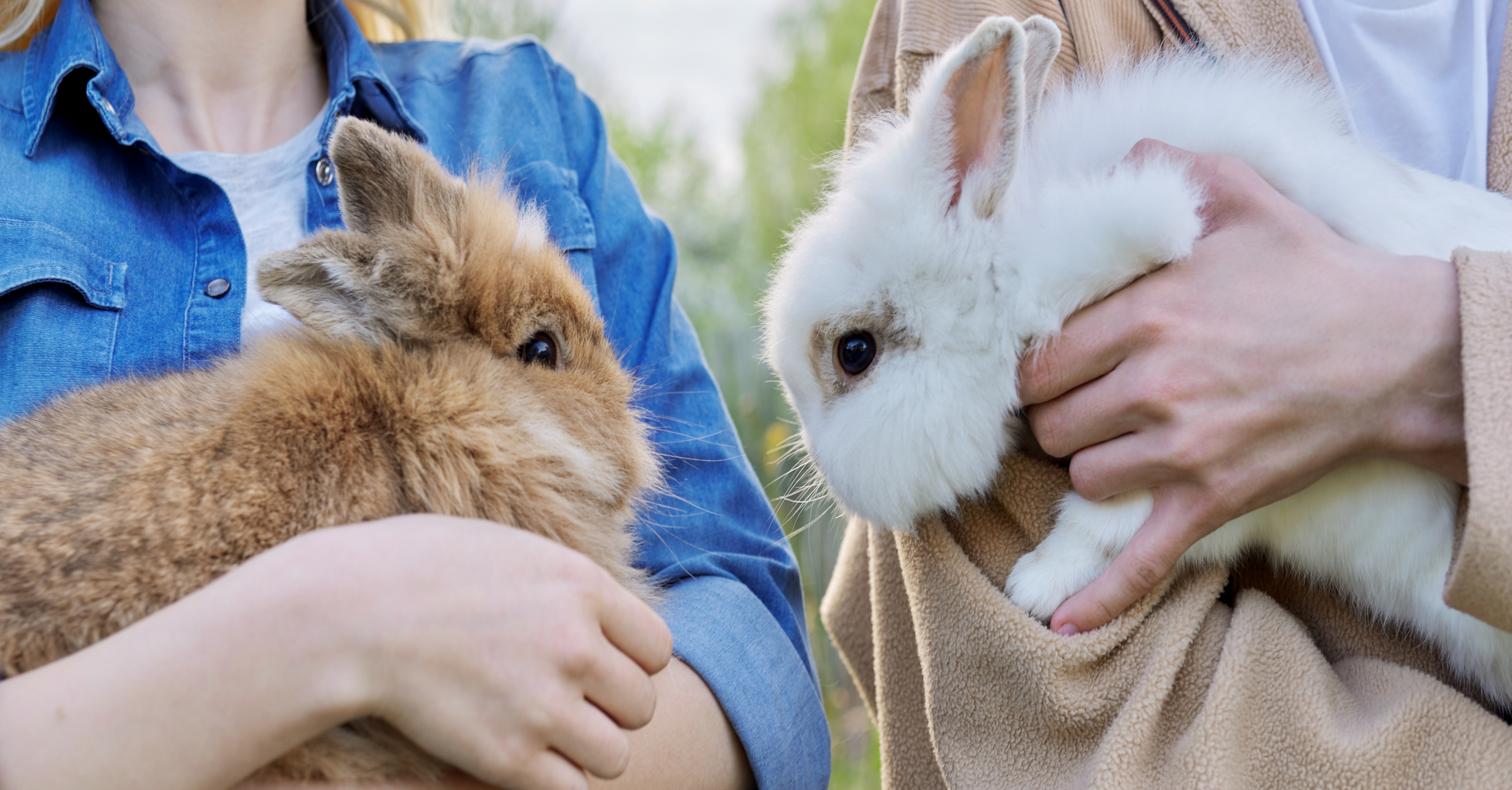
A calm, step-by-step guide to secure holds for rabbits and guinea pigs, with spine support, kick prevention, and handling tips that reduce stress for both of...
Rabbit Cove
Taming a Shy Rabbit or Guinea Pig
Help a nervous rabbit or guinea pig feel safe around you with gentle routines: enclosure setup, diet guardrails, treat progressions, floor time, and low-stress handling.

Chloe Miller
Chloe Miller is a dedicated small-pet enthusiast and experienced foster parent who has spent over a decade caring for rabbits and guinea pigs. Through her hands-on work with local animal rescues, she shares practical, compassionate advice on housing, nutrition, and daily enrichment to help small pets thrive. When she isn't designing custom indoor enclosures, Chloe can be found coaxing shy rescues out of their shells with fresh cilantro.
Published
October 22, 2026
Updated
October 22, 2026
Shy small pets are not “being dramatic.” They are prey animals doing their job: scanning for danger, protecting their bodies, and keeping an exit plan. The good news is that trust is absolutely something you can build on purpose, with a few predictable routines and the right kind of patience.
This guide works for both rabbits and guinea pigs, with notes where their needs differ. You do not need to be a professional trainer. You just need to be consistent, calm, and a little bit strategic with snacks.
Start with the right mindset
If your rabbit bolts when you stand up or your guinea pig freezes when you reach into the cage, that is fear, not stubbornness. The goal is not to “make them tolerate you.” The goal is to help them choose you because you feel safe.
- Go at their pace. Moving too fast teaches them that you do not listen.
- Be predictable. Same voice, same approach, same routine, every day.
- Let them control distance. Confidence grows when they can back away and nothing bad happens.
Before training, fix the setup
In many homes, trust-building gets dramatically easier once the environment feels safe. These changes often create an immediate difference.
Give them a real hide
Every rabbit and guinea pig should have at least one hide that feels secure.
- Rabbits: A sturdy cat tunnel, a cardboard castle, or a wooden house with two exits (so they do not feel trapped).
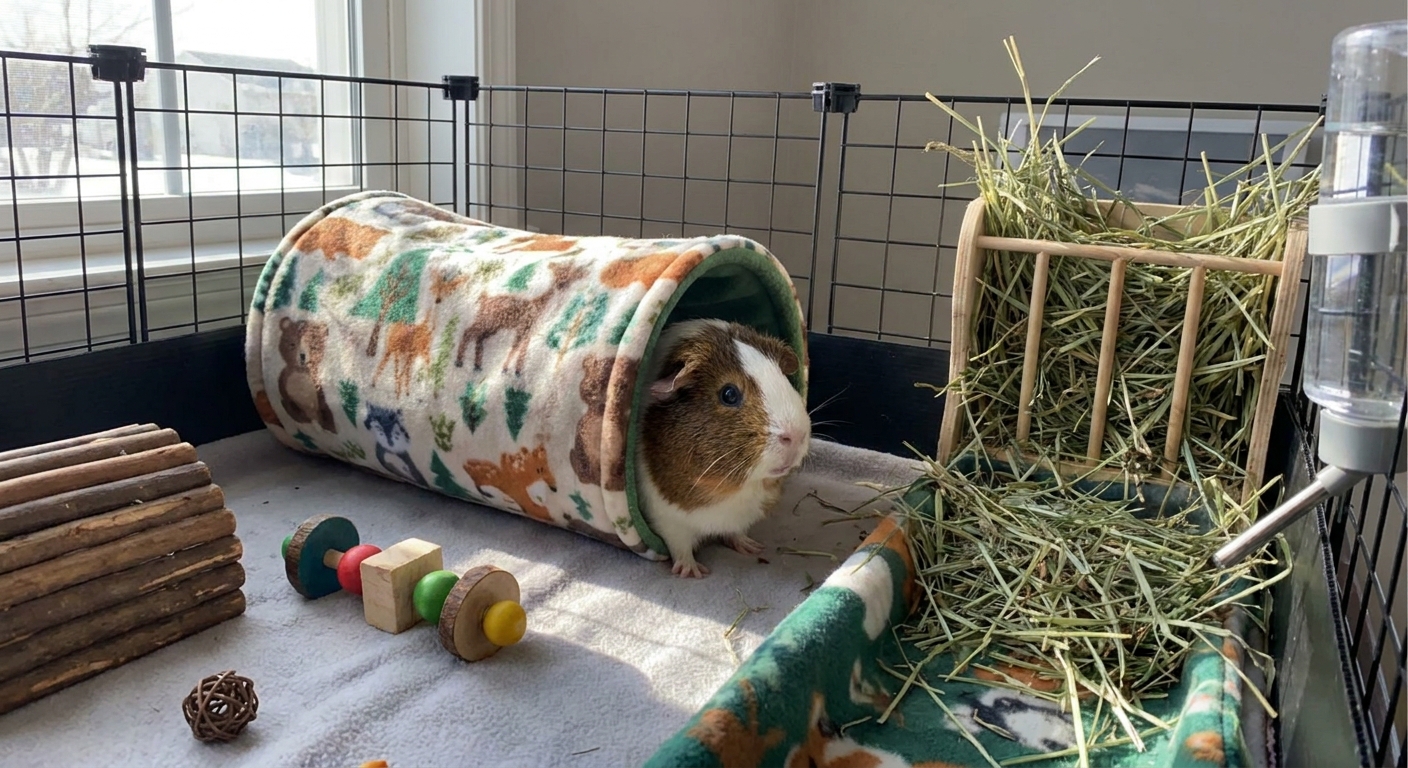
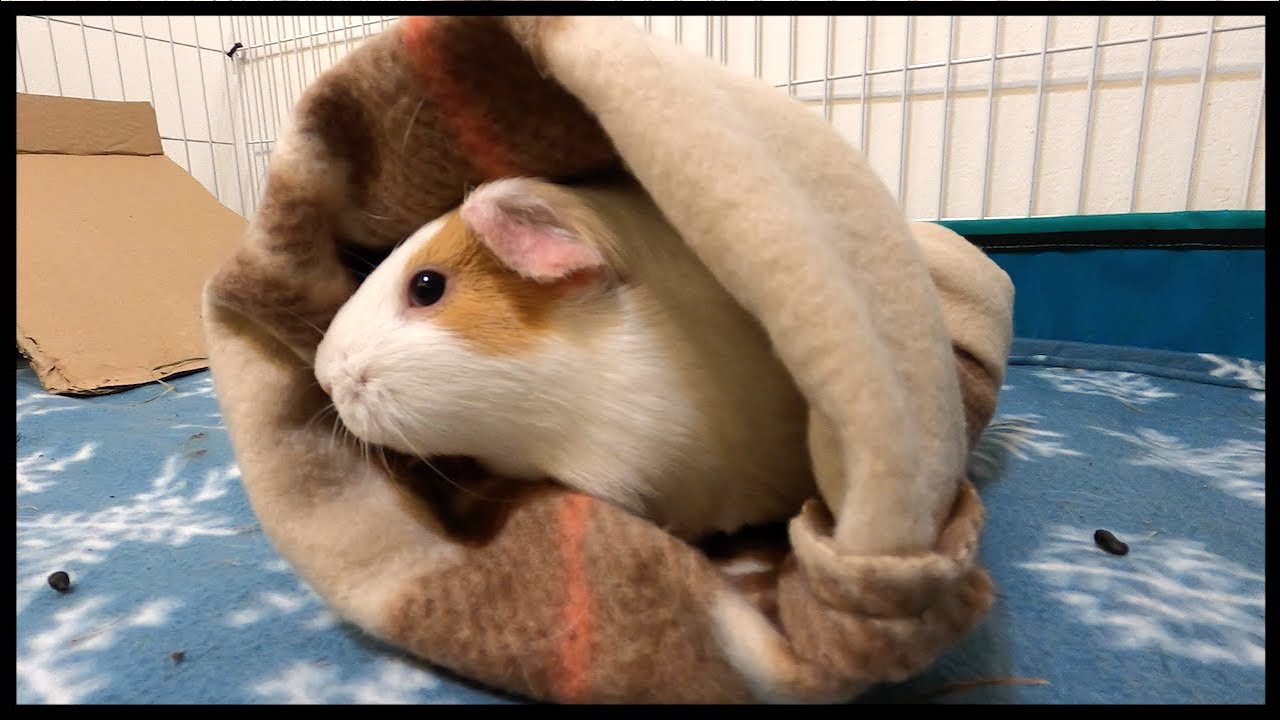
- Guinea pigs: Two hides for a pair, ideally with wide openings. Fleece forests and tunnel-style hides are great because they can dash through without getting cornered.
Two exits matter because it reduces the “I’m stuck” panic response, which is a major driver of nipping and frantic scrambling.
Reduce scary overhead movement
Predators come from above, so reaching down from the top can be terrifying.
- Approach from the side whenever possible.
- Move slowly, especially at first.
- Try sitting or kneeling near them instead of looming over the enclosure.
Make daily care less grabby
If the only way you interact is by grabbing, your pet will learn that hands predict being captured. Adjust your setup so daily care does not require chasing.
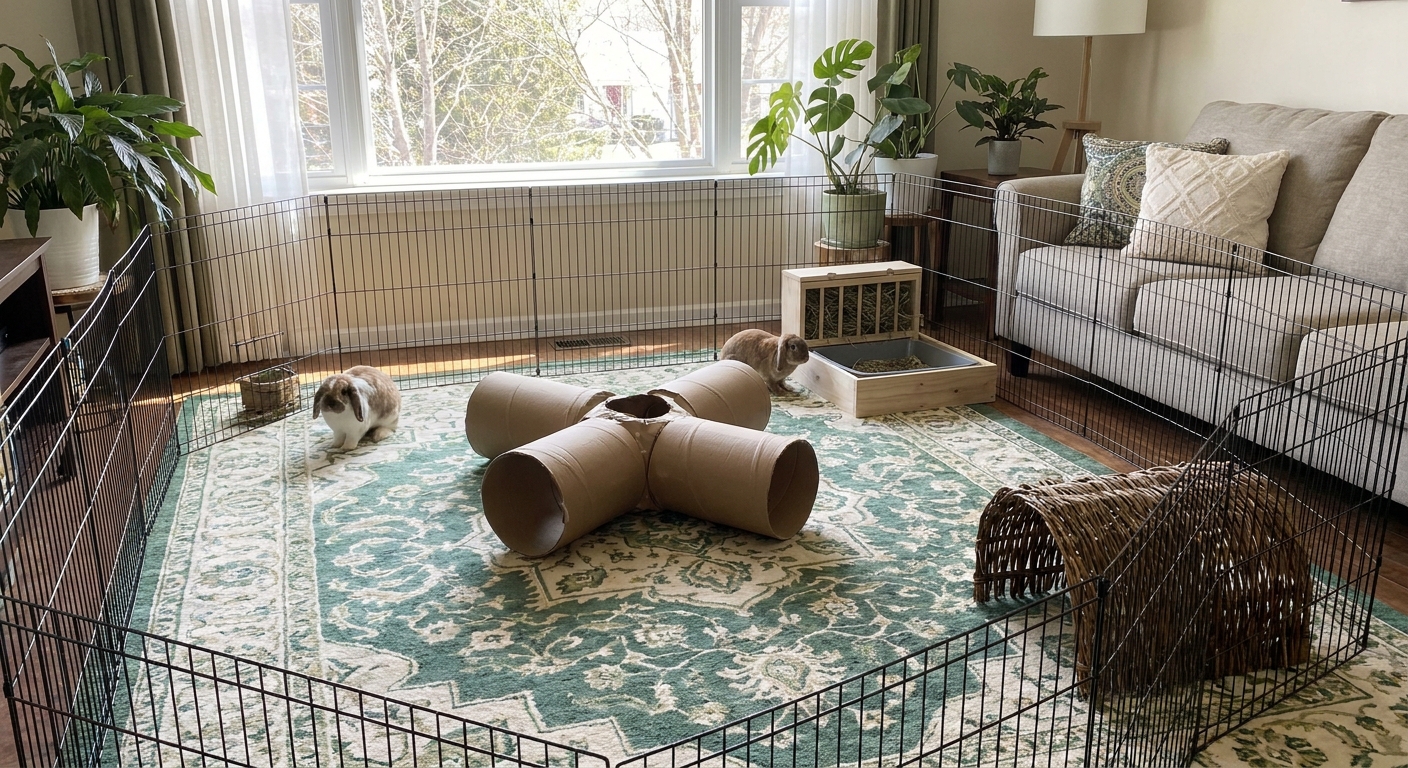
- Rabbits: Use an exercise pen or a bunny-proofed room where you can step in and sit down. Avoid cornering them in a small cage.
- Guinea pigs: Front access is ideal because it reduces top-down “predator hands.” If your enclosure is top-opening, you can still make it work by moving slowly, approaching from the side, and placing food down gently instead of reaching directly over them. A consistent “kitchen area” helps too, because they can choose to approach for good stuff.
Diet basics to keep you out of trouble
A lot of “shy” behavior gets worse when pets feel even slightly off, and sudden diet changes are a common culprit.
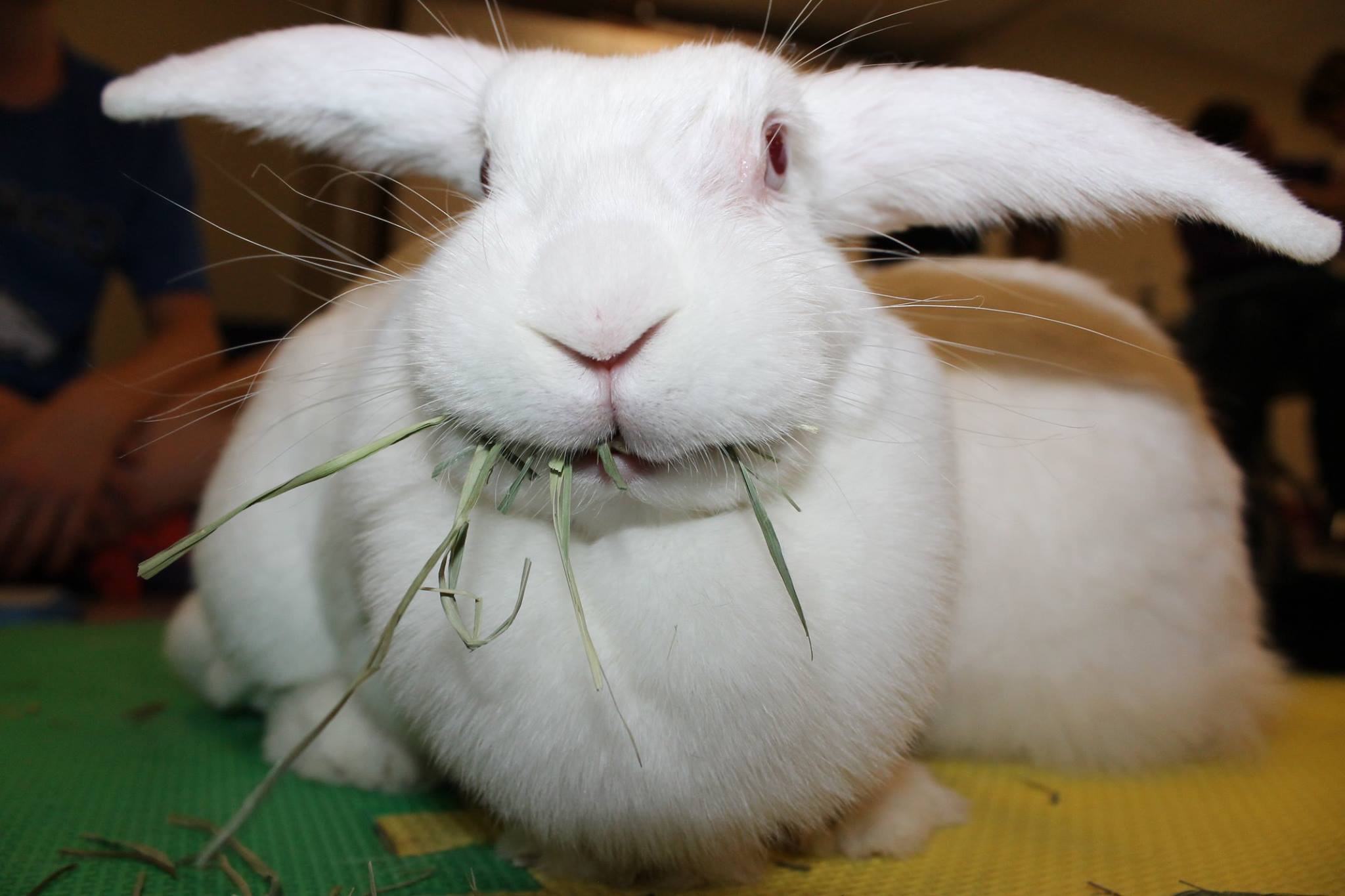
- Unlimited hay, always. For both rabbits and guinea pigs, hay is the foundation and should be available around the clock.
- Treats are tiny and slow. Keep pieces small and introduce new foods gradually. Too much, too fast can cause soft stools and tummy drama.
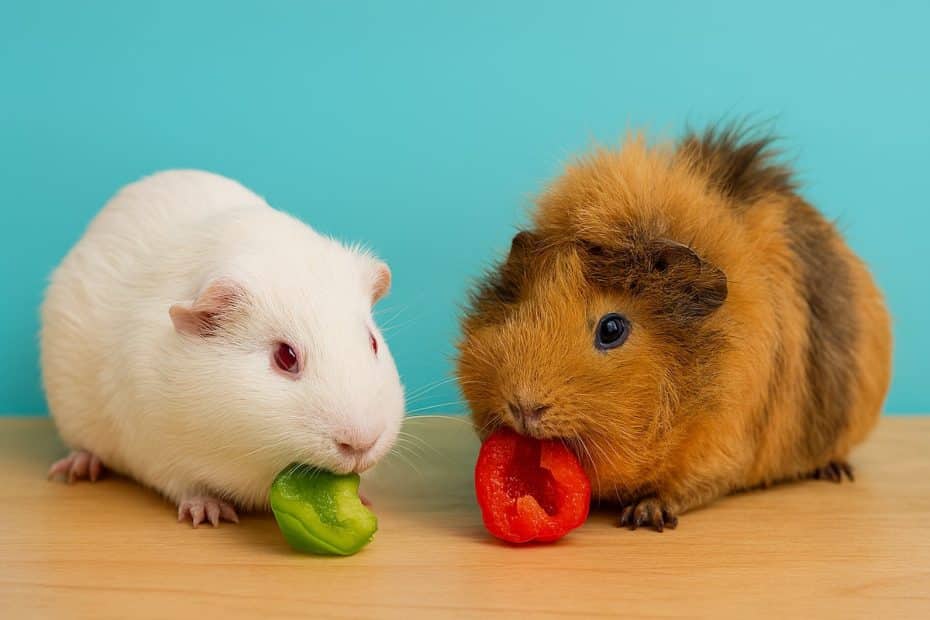
- Guinea pig note: Guinea pigs need vitamin C in their diet. Bell pepper is a great staple, while watery veggies like cucumber are fine in small amounts but are not a meaningful vitamin C source.
Trust basics: your daily routine
You are going to build trust in tiny, boring moments. That is perfect. Prey animals love boring.
Step 1: Become the snack schedule
Pick two daily times when you can reliably show up (morning and evening is ideal). Walk in calmly, speak softly, and deliver a small treat. Then leave. No reaching, no attempting to pet, no “just one cuddle.”
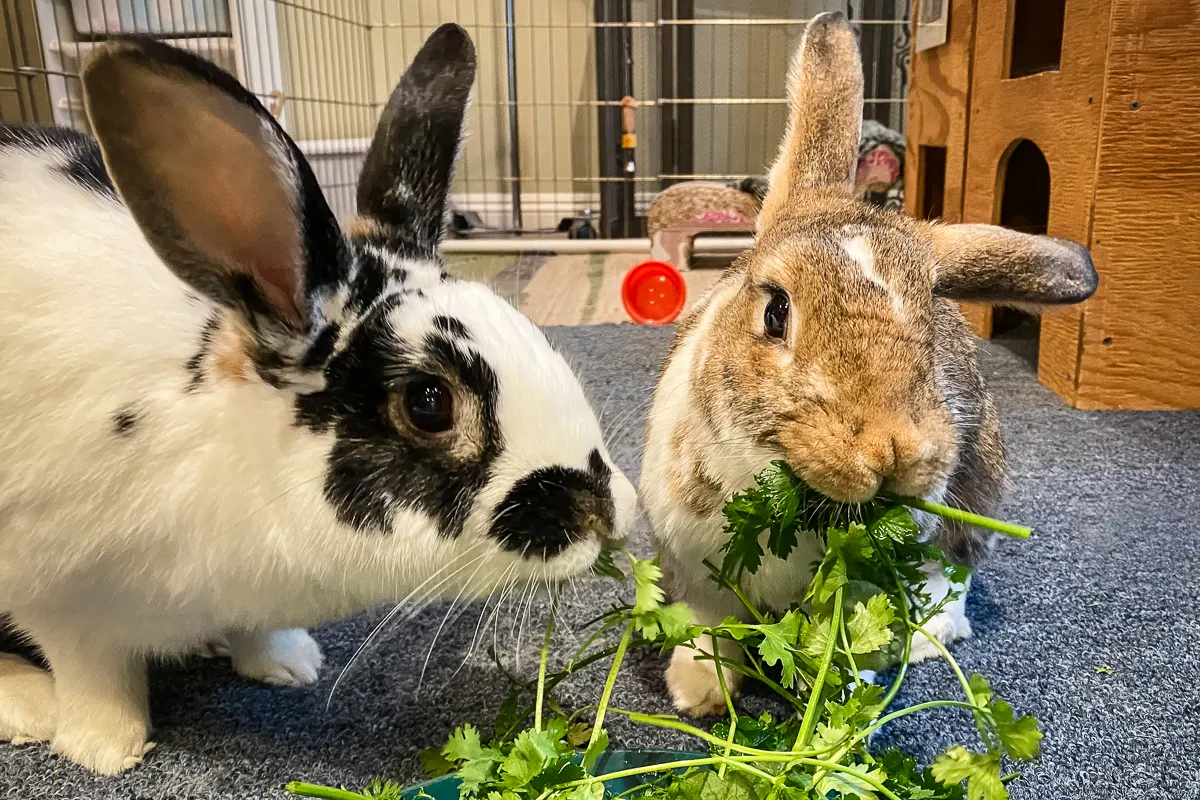
- Good rabbit treats: a single sprig of cilantro, parsley, or mint, a thin slice of bell pepper, or a small piece of romaine. Keep herbs and greens to small amounts, especially at first.
- Good guinea pig treats: a slice of bell pepper (vitamin C bonus), a small piece of cucumber (hydration, not nutrition), or a leaf of romaine. If cucumber causes loose stool, skip it.
Portion note: Use tiny pieces. If you need ten repetitions, the treat should be small enough that their stomach stays happy.
Step 2: Pair your voice with good things
Use the same phrase every time, like “hi sweet pea” or “snack time.” You are basically becoming a walking doorbell that predicts something pleasant.
Step 3: Hold still more than you move
If you do one thing differently today, do this: pause. Place the treat down, then keep your hand nearby without advancing. Let them come forward, sniff, and retreat. That approach-and-retreat loop is how confidence is built.
Food lures that work
Food is a wonderful trust tool when it is used to encourage choice, not to trick them into being grabbed. Here are my go-to progressions.
Progression A: Treat drops to open-palm feeding
- Drop and leave: Drop a treat near them and step back.
- Drop closer: Over days, drop it a little closer to you.
- Open palm on the floor: Place the treat on your flat hand and rest your hand on the ground.
- Hold the treat lightly: Let them take it from your fingers without you following them.
If they snatch and run, that is still progress. They approached you. They learned your hand did not chase them.
Progression B: Treat trail (rabbits)
For rabbits who will not cross open space, make a tiny trail of herbs leading past your knee. Sit sideways and ignore them. Rabbits are extremely suspicious of direct attention. Being politely ignored is often the most attractive thing you can offer.
Progression C: Hay handoff (guinea pigs)
Many guinea pigs are braver around hay than around hands. Offer a fresh, fragrant pinch of hay first, then graduate to a pepper slice. This is especially helpful for pigs that are nervous about finger movement.
Floor time
Floor time is where shy pets usually make their biggest leaps, because it gives them room to choose.
Set up a safe space
- Use a playpen or a fully bunny-proofed room for rabbits.
- For guinea pigs, use a secure exercise pen with a non-slip fleece blanket or rug.
- Add multiple hides and tunnels so they can move without feeling exposed.
- Keep it quiet. No vacuuming, no kids sprinting, no excited dogs “just watching.”
Your job during floor time
Sit on the floor. Make yourself small. Put a few treats near your legs. Then do almost nothing.
- Read quietly or talk softly.
- Let them sniff your socks. Yes, you are now a landmark.
- Reward curiosity: if they take one step toward you, calmly place a treat down.
Pro tip: Rabbits and guinea pigs often do “drive-by sniffs.” Do not reach for them during a drive-by. That is how you accidentally teach, “Approaching you makes hands grab.”
Touch and handling
Touch is where many shy pets get stuck. That is normal. Touch is intimate for prey animals, and being lifted can feel like being caught.
When to start petting
Start only after your pet will approach you for treats without panicking. Early petting should be short and boring.
- Rabbits: Most prefer forehead and cheek rubs. Start with one slow stroke, then stop.
- Guinea pigs: Many tolerate gentle head and behind-the-ear strokes. Keep your fingers low and slow.
Watch body language. If they freeze hard, lean away, or their breathing quickens, back off and return to treat-based games.
Teach consent with a simple pattern
I like a predictable pattern: treat, one stroke, treat, stop. That stop is important. It tells them you are listening.
Picking up: keep it rare and make it quick
With both rabbits and guinea pigs, minimize unnecessary lifting. Use handling mainly for health checks, nail trims, grooming, and vet trips. When you do lift, focus on secure support and a quick return to safety.
- Rabbits: Support the chest and the hindquarters firmly. Keep them close to your body so they feel stable. Never let the back legs dangle.
- Guinea pigs: Scoop with two hands, supporting the chest and bottom. Hold them against your body with gentle, steady pressure.
If your pet panics when lifted, focus on training the setup instead of forcing the hold. For example, teach them to enter a carrier or cuddle cup for transfers.
Body language
Learning your pet’s signals keeps you from accidentally pushing too far.
Signs you are making progress
- They eat while you are nearby.
- They approach, sniff, and retreat without bolting.
- They groom themselves in your presence.
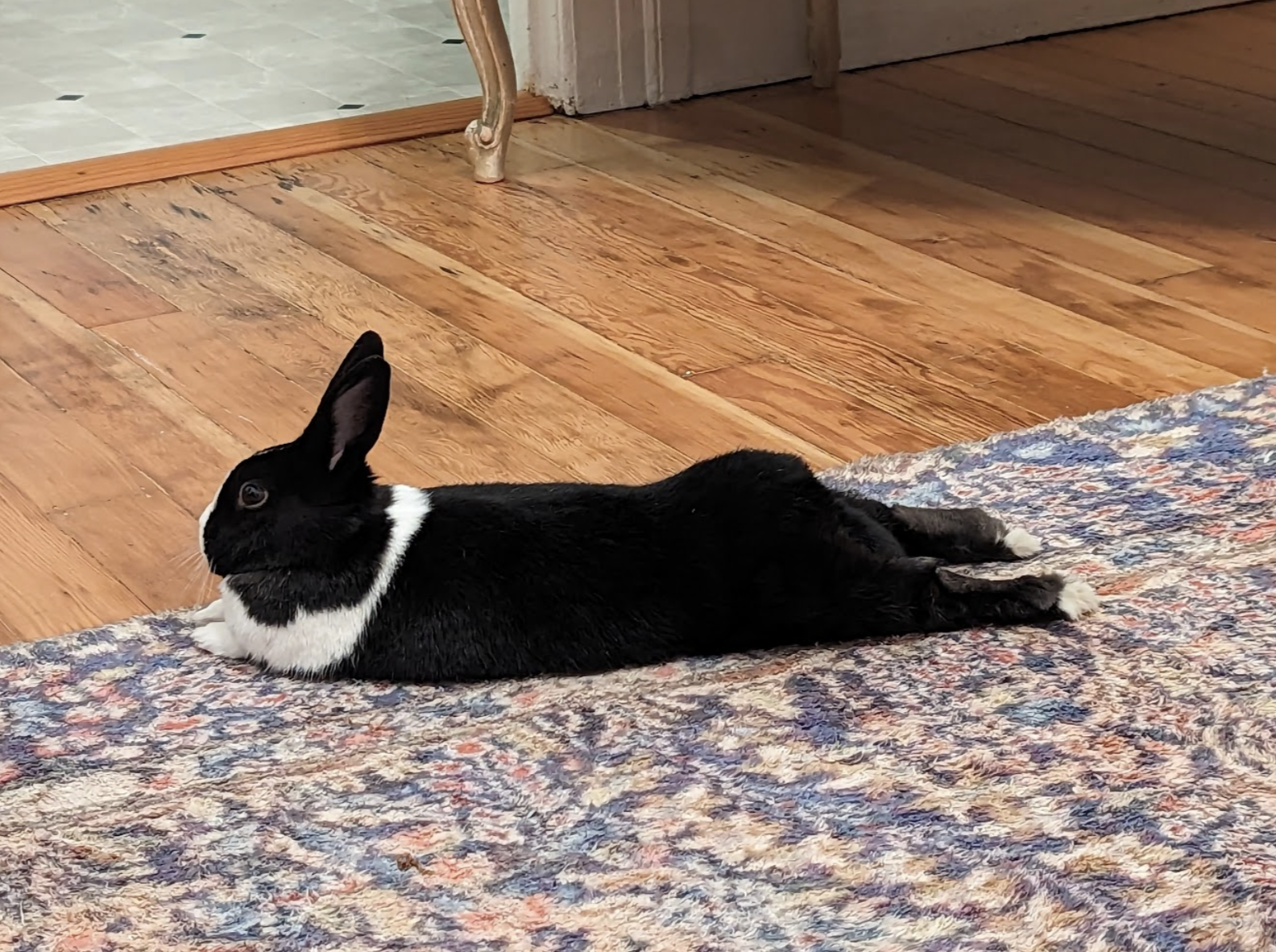
- Rabbits: relaxed loafing, flopping, or a soft tooth purr during pets.
- Guinea pigs: exploratory walking, popcorns during playtime, or calmly wheeking when you enter.
Signs you need to slow down
- Freezing with wide eyes, tense posture
- Sudden bolting or frantic wall-scrambling
- Rabbits: teeth clicking or chattering (agitation), or loud tooth grinding (often pain). A soft tooth purr is different and usually means contentment.
- Guinea pigs: loud, rapid squealing when touched
- Nipping or lunging when a hand enters their space
When in doubt, take one full step back in your plan and repeat the last easy win for a few days.
A simple 14-day plan
If you like a clear starting point, here is a gentle two-week structure. Adjust the pace. Some pets do this in three days, others need a month. Both are normal.
Days 1 to 3: Predictable and hands-off
- Two snack visits daily.
- Quiet talking, slow movements.
- Drop treats, no petting.
Days 4 to 7: Invite, do not pursue
- Begin open-palm feeding on the floor.
- Short floor time sessions (10 to 20 minutes).
- Reward any voluntary approach.
Days 8 to 11: Add gentle touch
- “Treat, one stroke, treat, stop.”
- Keep petting under 5 seconds at first.
- If they flinch, go back to open-palm treats.
Days 12 to 14: Practice calm transfers
- Teach carrier entry using treats and hay.
- Brief, supported lifts only when necessary.
- End every session with something they love: hay refresh, favorite herb, or a cozy hide.
Common mistakes
Chasing them “so they get used to it”
Instead: Make interactions voluntary. Use a pen, sit down, lure with food, and let them come to you.
Petting through fear
Instead: Respect the flinch. Switch back to treat drops and stillness. Touch comes later.
Too much treat, too fast
Instead: Tiny pieces, more repetitions. Confidence is built on many small successes.
Only interacting during stressful care
Instead: Add neutral visits that are just snacks and calm company. You want your presence to predict good things, not just nail trims.
Letting other pets or kids crowd them
Instead: Supervise closely and keep sessions calm. If you see escalating fear, end on the first warning sign, then try again later at an easier level.
Social needs matter
Shyness is not just personality. It is also context. Housing and companionship can change how safe an animal feels.
- Guinea pigs: Most do best with a compatible guinea pig friend, and in some places it is considered a welfare requirement. A lonely pig is often a more anxious pig.
- Rabbits: Many thrive with a bonded rabbit partner, but bonding has to be done safely and gradually. A stressed rabbit, or one in the middle of bonding drama, may seem “extra shy” even if they are normally confident.
If you are working with a pair, remember that one brave animal can pull the other forward, and one fearful animal can also teach the other to panic. Adjust expectations accordingly.
When shyness might be medical
Behavior changes are sometimes medical. If your once-friendly pet suddenly becomes skittish, or if your new pet seems unusually shut down, consider a vet check. Pain makes animals protect themselves.
- Rabbits: watch for reduced appetite, smaller poops, loud tooth grinding, hunched posture, or hiding more than usual.
- Guinea pigs: watch for weight loss, fluffed coat, crusty eyes or nose, labored breathing, or reluctance to move.
With guinea pigs especially, weigh routinely on a kitchen scale. Weekly is great for healthy pigs. If a pig seems unwell or “off,” daily weights can help you catch changes early. Weight loss is often an early, objective sign.
FAQ
How long does it take to tame a shy rabbit or guinea pig?
Some warm up in a week, many need a few weeks, and truly fearful rescues can take months. What matters is the direction of change: more curiosity, less panic, more eating and exploring around you.
Should I sit in the cage or pen with them?
Yes, if it is safe and spacious. Sitting on the floor inside a rabbit’s pen or beside a guinea pig playpen makes you less scary and gives them control over distance.
My guinea pig runs every time I move. Is that normal?
Very normal, especially with young pigs or pets from busy pet store environments. Focus on slow movements, routine, and lots of gentle treat delivery. Many guinea pigs remain a bit skittish even when they trust you, and that is okay.
My rabbit will not take treats from my hand. What now?
Start with treat drops, then rest your hand on the floor with the treat near your fingers, not held up in the air. Also double-check the treat is actually motivating: fresh herbs usually beat pellets for most rabbits.
Trust is not a single breakthrough moment. It is a hundred tiny moments where your pet learns: you are calm, you are predictable, and you do not push when they say “not yet.” Keep showing up kindly. One day you will realize your “shy” pet is waiting at the pen door like you are late for an appointment.