A gentle, step-by-step nail trimming guide for rabbits and guinea pigs, including clipper tips, safe restraint holds, and quick-first-aid if you cut too short.
Rabbit Cove
How to Pick Up and Hold Rabbits and Guinea Pigs Safely
Learn how to lift and hold rabbits and guinea pigs without panic, kicking, or injury. Step-by-step holds, spine support, and stress-reducing tips from a foster caregiver.

Chloe Miller
Chloe Miller is a dedicated small-pet enthusiast and experienced foster parent who has spent over a decade caring for rabbits and guinea pigs. Through her hands-on work with local animal rescues, she shares practical, compassionate advice on housing, nutrition, and daily enrichment to help small pets thrive. When she isn't designing custom indoor enclosures, Chloe can be found coaxing shy rescues out of their shells with fresh cilantro.
Published
October 22, 2026
Updated
October 22, 2026
Many rabbits and guinea pigs do not enjoy being picked up. That does not mean you are doing something wrong. It means they are prey animals with bodies built for quick escapes, not cuddles in midair. The goal is not to force snuggles. The goal is safe, confident handling for necessary moments like nail trims, health checks, and travel.
Below is my foster-home method for lifting with solid spine support, preventing the dreaded launch-kick, and helping your small herbivore feel secure instead of trapped.
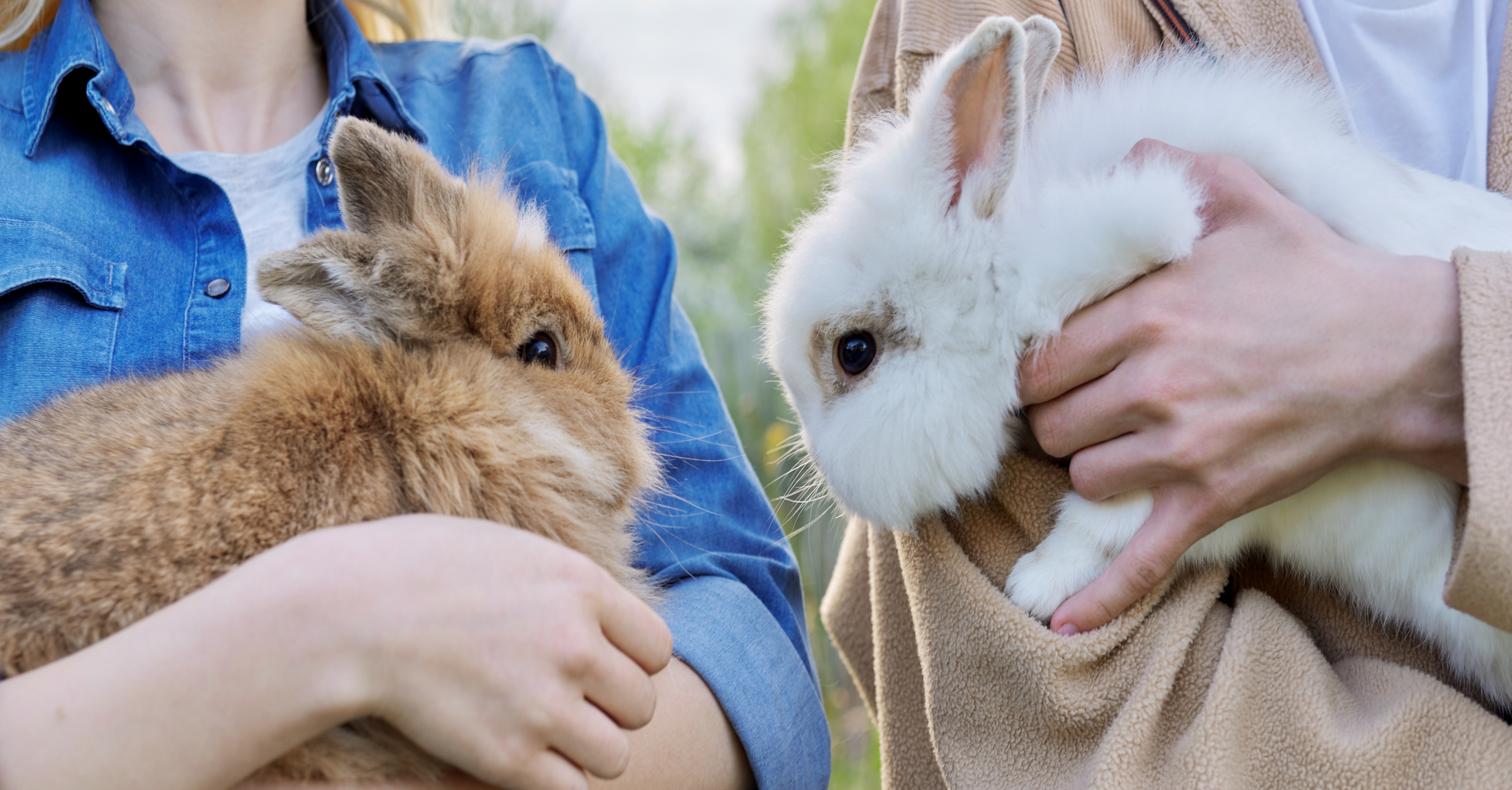
Before you lift: set the stage
Handling goes best when you make it easy for your pet to say, "Oh, this is predictable." A few quick setup steps prevent most scrambles.
Do this first
- Choose a low-risk spot. Sit on the floor or on a low couch with a rug or folded towel nearby. The lower the potential fall, the safer the practice.
- Make traction. Slippery floors make prey animals panic. Put down a fleece blanket or towel where you will lift and where you will set them back down.
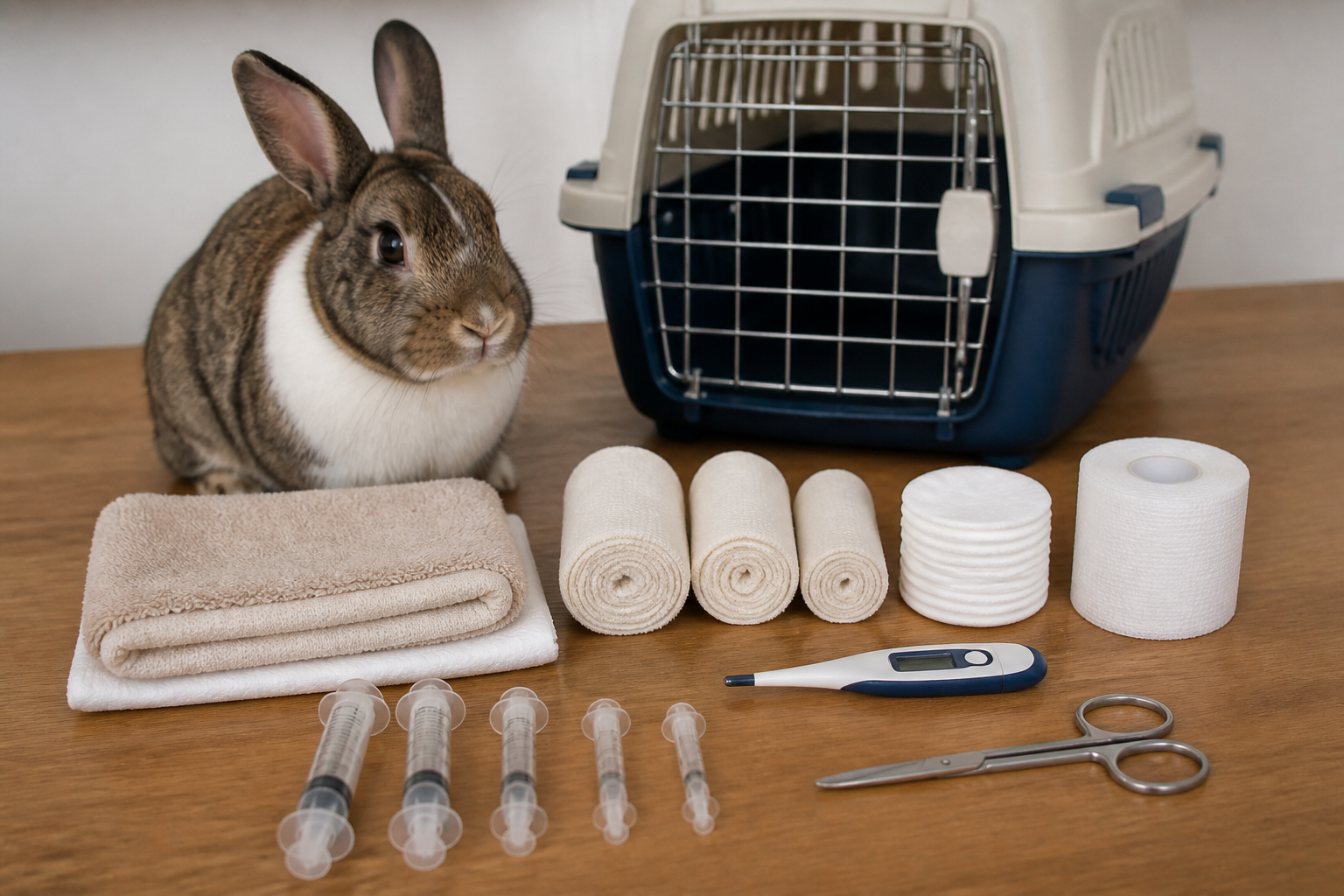
- Have supplies ready. Nail clippers, styptic powder, a treat, a towel, your carrier. Nothing spikes stress like chasing tools while you hold a squirming animal.
- Wash hands, ditch strong scents. Strong perfume, sanitizer smell, or "I just cut onions" hands can make some animals pull away.
- Pick a calm moment. Right after zoomies or right before dinner is not ideal. Go for relaxed, curious, or already-settled.
Body language check
If you see wide eyes, flattened ears (rabbit), tense muscles, teeth chattering (guinea pig), or frantic darting, pause. For guinea pigs, teeth chattering is fast clacking that signals irritation or warning, not the soft tooth purring some pigs do when they are content. Spend 30 seconds offering a small piece of leafy green and letting them approach you. Handling is safer when it is not a surprise grab.
Rule one: support the spine
Rabbits and guinea pigs both need their back end supported. For rabbits, this is non-negotiable. A rabbit that kicks or twists while the back end is unsupported, or a rabbit that slips from height, can injure their spine. For guinea pigs, a sudden wriggle can lead to a drop.
The support you want every time
- One hand supports the chest and front end (think: steadying the shoulders and ribcage, not squeezing).
- The other hand supports the hips and rump so the hind legs cannot dangle and flail.
- Hold close to your body. Distance makes them feel unstable and makes your arms tire faster.
If you remember only one sentence, make it this: no dangling bottoms.
How to pick up a rabbit
With rabbits, confidence matters. A hesitant half-lift often causes the panic-kick you were trying to avoid.
Step-by-step rabbit lift
- Get low. Sit or kneel beside your rabbit. Keep your center of gravity low.
- Calm contact first. Pet the forehead and cheeks for a couple of seconds. This is your "hello" and helps prevent the startle jump.
- Secure the front end. Slide one hand under the chest just behind the front legs. Your fingers should be spread, supporting the ribcage.
- Scoop the back end. With your other hand, scoop under the hips and rump, collecting the hind feet against your forearm.
- Lift and immediately tuck. Bring your rabbit up and in against your torso. Their side should rest against your chest or belly with the hindquarters fully supported.
- Turn your body, not the rabbit. If you need to pivot, rotate yourself rather than twisting their spine.
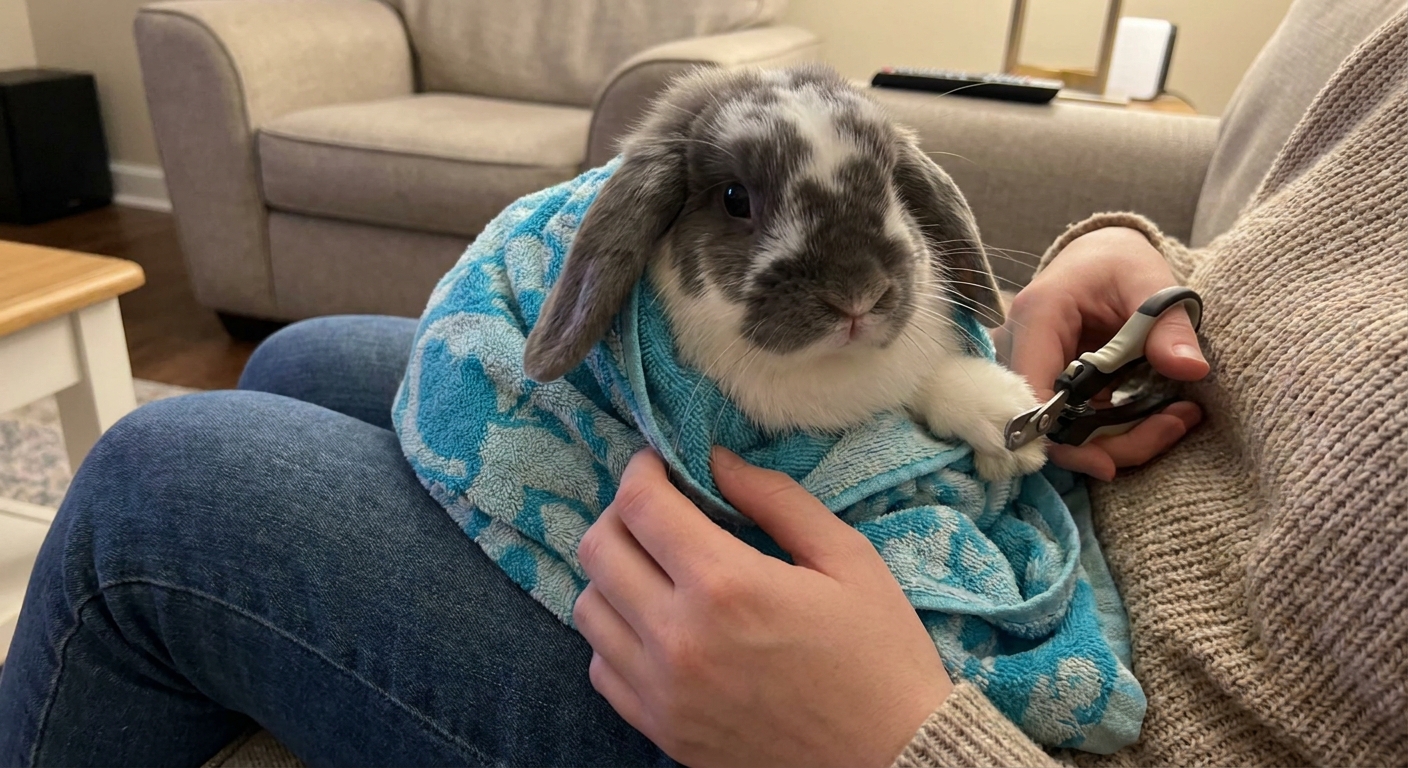
Rabbit holds
Chest-and-rump hold
This is my default for moving a rabbit a short distance. Rabbit is held close to your body, one hand under chest, one hand under hips, hind feet tucked so they cannot wind up a kick.
Football hold
Tuck the rabbit along your side like you are carrying a football: their head facing behind you or forward depending on what keeps them calmer, with your forearm supporting the body and your hand supporting the rump. This can reduce kicking because the back feet feel contained.
Lap hold
Sit on the floor with a towel across your lap. Lift the rabbit onto your lap and keep one hand resting over the shoulders while the other supports the hips. Many rabbits settle when their feet have a surface again.
What not to do
- Never lift by the ears or scruff. It is painful and dangerous.
- Never lift by legs, tail, or a single limb. Those are not handles, and it is an easy way to cause injury.
- Never allow a rabbit to kick while their back end is unsupported. This is how injuries happen.
- Do not put rabbits on their back as a trance trick. Immobility is often fear, not relaxation, and it risks injury if they struggle.
- Avoid holding a rabbit away from your body. It feels like floating with no control, which prey animals hate.
If your rabbit starts kicking mid-hold
Do not try to out-grip the kick or squeeze the belly. Keep the hindquarters supported, tuck the rabbit closer to your body, and lower immediately to a safe surface like the floor or your lap. Once all four feet are planted, pause and reset before trying again.
How to pick up a guinea pig
Guinea pigs are usually less explosive than rabbits, but they are quick, wiggly, and surprisingly strong for their size. The key is a steady scoop and full-body support. Because guinea pigs can injure themselves if they jump from height, always handle close to a surface.
Step-by-step guinea pig lift
- Approach from the side, not above. Overhead hands can read like a predator shadow.
- Make a tunnel with your hands. Place one hand under the chest, the other under the rump.
- Scoop in one smooth motion. Lift just enough to clear the floor, then bring them against your body.
- Support all four feet. Guinea pigs feel safest when their feet are braced against your hands, forearm, or chest.
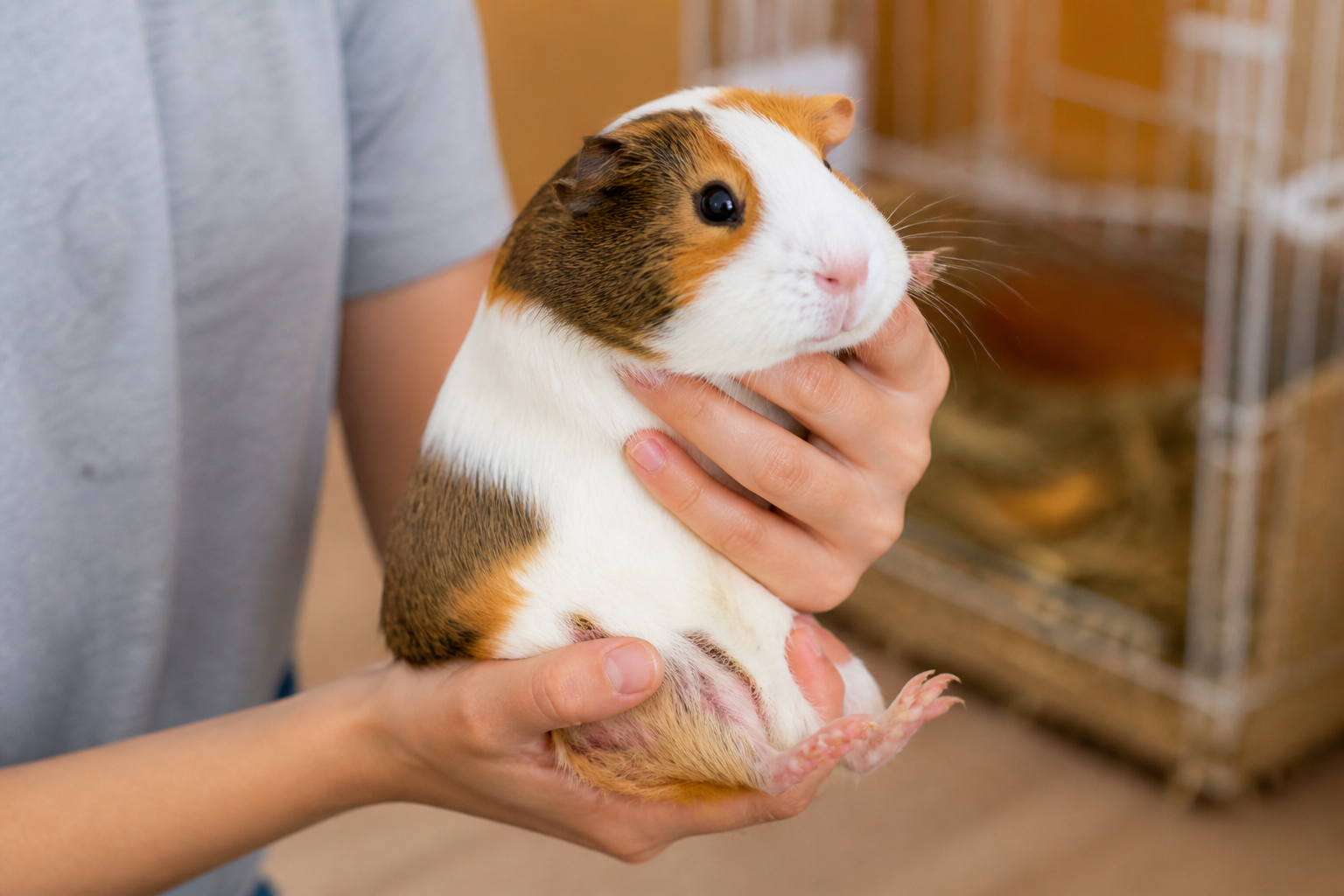
Guinea pig holds
Two-hand cup
One hand supports the chest, the other supports the hindquarters, with the guinea pig held close to your body. Keep your fingers relaxed but closed enough that they cannot wriggle out sideways.
Forearm perch
Some guinea pigs like to sit lengthwise on your forearm with your other hand lightly bracing their chest. This works well for short carries, but only if your pig is not a leaper.
Lap time
Place a towel on your lap and let them settle there with one hand gently cupped around their shoulders. This gives them a surface, warmth, and an easy route back into your hands rather than a panic jump.
What not to do
- Do not lift by legs, feet, or tail. Scoop the whole body instead.
- Avoid chest compression. A secure hold is supportive, not tight.
Preventing kicks and wiggles
Most "bad behavior" during handling is just fear plus physics. Here is what helps the most in real homes.
The three C's: close, covered, contained
- Close: Hold your pet close to your torso so they feel stable.
- Covered: A light towel over the back (not the face) can calm many animals, especially for nail trims.
- Contained: Tuck the hind feet (rabbits) or support all feet (guinea pigs) so they cannot launch into a scramble.
Keep sessions short
Even if your goal is a full nail trim, start with micro-sessions: pick up, hold for 3 seconds, set down, treat. Then build to 10 seconds, then 20. You are teaching, "being lifted ends safely."
Treat on the ground
For many rabbits, eating while being held is a hard ask. A better plan is treat immediately after you set them down. Guinea pigs are often more willing to snack on your lap, but do not depend on food to override panic.
How to set them down
Setting down is where a lot of slips happen. Pets suddenly recognize freedom and try to bolt.
Safe set-down steps
- Lower to a solid surface first. Floor, couch, or table with a towel for traction.
- Keep support until all feet are planted. Do not release midair.
- Angle the back end down. For rabbits especially, let the hind feet touch first so they feel secure.
- Release calmly. No little tosses, even tiny ones.
When not to pick them up
Sometimes the safest handling choice is not handling. If you notice any of the following, consider switching to a towel-assisted method, moving them using a carrier, or calling your vet for guidance.
- Suspected injury (limping, sudden hiding, vocalizing when touched)
- Breathing distress (open-mouth breathing, pronounced heaving)
- Severe struggling or panic that escalates each time you lift
- Rabbits with known spinal issues or severe arthritis
- Late pregnancy or immediately postpartum unless it is necessary, and ideally with vet or rescue guidance
Also trust your gut on sudden changes. If a normally tolerant pet abruptly starts resisting handling, that can be a pain signal and is worth a vet check.
If you must transport a highly stressed pet, it is often safer to guide them into a carrier or box than to lift through a full-body panic.
Towel techniques
I am a big fan of towels, not as a wrestling match tool, but as a way to create friction and boundaries.
Burrito wrap
Place a towel on your lap. Set your rabbit or guinea pig in the center, then wrap snugly around the body while keeping the head out. The wrap should be secure enough to prevent flailing, but you should still be able to slip a finger between towel and body. Bring out one foot at a time.
Scoop towel
Slide a towel under the rabbit like a sling, then use the towel to help support the whole body as you lift. This can feel less like hands grabbing and more like being moved with their feet supported.
Common mistakes
- Mistake: Lifting slowly while they tense up. Fix: Commit to a smooth scoop and immediate tuck against your body.
- Mistake: Holding with arms extended. Fix: Bring them close, like you are protecting a fragile loaf of bread from falling.
- Mistake: Grabbing around the belly. Fix: Support chest and hips. Herbivore bellies are not handles.
- Mistake: Chasing them around the room first. Fix: Use a smaller area, lure into a pen corner, or guide into a carrier. Chasing teaches them you are a predator.
- Mistake: Expecting them to "get used to it" through long holds. Fix: Short, calm repetitions build tolerance better than endurance tests.
Building trust over time
My foster rule is simple: touch is a conversation. If your pet consistently says "no," go back a step and make that step feel safe.
A gentle progression
- Hand-feed near your feet while you sit on the floor.
- Pet forehead and cheeks for 2 to 5 seconds, then stop before they pull away.
- Practice a brief "scoop pressure" without lifting, then treat.
- Lift one inch, tuck, set down, treat.
- Increase height and duration slowly.
Some rabbits will never enjoy being held, and that is okay. You can still have a deeply bonded rabbit who prefers affection on the ground, on their terms. Guinea pigs vary too. Many become lap-friendly with time, especially when they learn that hands mean support, not a struggle.
Quick FAQ
Is it okay to pick up my rabbit every day?
Only if you keep it very short and very positive. Daily micro-practice can help, but daily forced holding often backfires. Aim for calm repetitions that end before panic starts.
My rabbit kicks when I lift. What should I change first?
First, improve hind-end support and tuck them close to your body immediately. Second, lift from a low position on the floor so you are not afraid of a fall, which can make you hesitate.
Why does my guinea pig squeak when I pick them up?
Many guinea pigs protest-squeak during pickup, even if they settle once supported. If the squeaking escalates, they freeze, or they struggle intensely, slow down and focus on smoother scoops and more lap-based handling.
Can kids pick up rabbits or guinea pigs?
With close supervision, but I prefer kids handle from a seated position on the floor, with an adult doing the lifting. Most injuries happen during handoffs and drops, not during calm lap time.
Should I trim nails while holding them in the air?
Usually no. A towel on your lap, a stable surface, and full-body support reduce stress and make accidental slips far less likely.
Take-home
Rabbits and guinea pigs feel safest when their bodies are fully supported, close to yours, and returned to a stable surface quickly. If you focus on spine support, hind-end security, and short calm repetitions, you will be able to do the necessary care tasks without turning pickup time into a weekly action movie.
If you want, tell me your pet's age, species, and what happens during pickup, and I can suggest a specific hold and practice plan that fits your setup.