From bar-biting to baseboard damage, boredom behaviors are fixable. Spot the signs, rule out medical issues, and redirect chewing and digging with safe enric...
Rabbit Cove
10 Safe Natural Chew Toys for Rabbits and Guinea Pigs
A vetted list of 10 safe, natural chew toys you can buy for rabbits and guinea pigs, plus what to avoid so chewing supports healthy dental wear.

Chloe Miller
Chloe Miller is a dedicated small-pet enthusiast and experienced foster parent who has spent over a decade caring for rabbits and guinea pigs. Through her hands-on work with local animal rescues, she shares practical, compassionate advice on housing, nutrition, and daily enrichment to help small pets thrive. When she isn't designing custom indoor enclosures, Chloe can be found coaxing shy rescues out of their shells with fresh cilantro.
Published
October 22, 2026
Updated
October 22, 2026
Chewing is not a “bad habit” in rabbits and guinea pigs. It is a daily biological need. All of their teeth grow continuously, and the right chew options help keep mouths busy, encourage natural foraging, and take some pressure off your baseboards.
That said, normal chewing can turn into destructive chewing when a pet is bored, stressed, under-hayed, or living in a too-small setup. The goal is not to stop chewing. It is to aim it at safe materials.
The catch is that the pet aisle is full of chew toys that look natural but are held together with mystery glue, dyed with who-knows-what, or made from wood that is not ideal for small herbivores. Below are 10 safe, natural chew toys you can buy that I feel good about offering in foster enclosures, plus quick tips for choosing and using them.
What “safe and natural” means
When I say safe and natural, I am looking for chew toys that are primarily untreated wood or natural plant fibers, with minimal extras. In practical terms:
- No paint, stain, or varnish (even if it says “non-toxic”).
- No pressure-treated or chemically treated wood.
- No mystery fragrance (mint-scented, “fresh” blocks, etc.).
- Minimize glued or heavily pressed products unless the brand clearly states the materials and the item is intended to be chewed and potentially ingested. “Vegetable-based” is not automatically safe if the ingredients are vague.
- Size-appropriate so it cannot be swallowed in one chunk. This is especially important for guinea pigs (smaller mouths) and for any rabbit who tends to gulp.
Important note: chew toys support dental wear and enrichment, but they do not replace unlimited grass hay. Hay is the real workhorse for tooth wear because it demands long, repetitive chewing and grinding. It also supports normal jaw motion and gut health. Think of chew toys as enrichment and variety, not dental treatment.
10 safe, natural chew toys to buy
These are all common, commercially available options. I am listing them by material and function so you can mix and match for your pet’s personality.
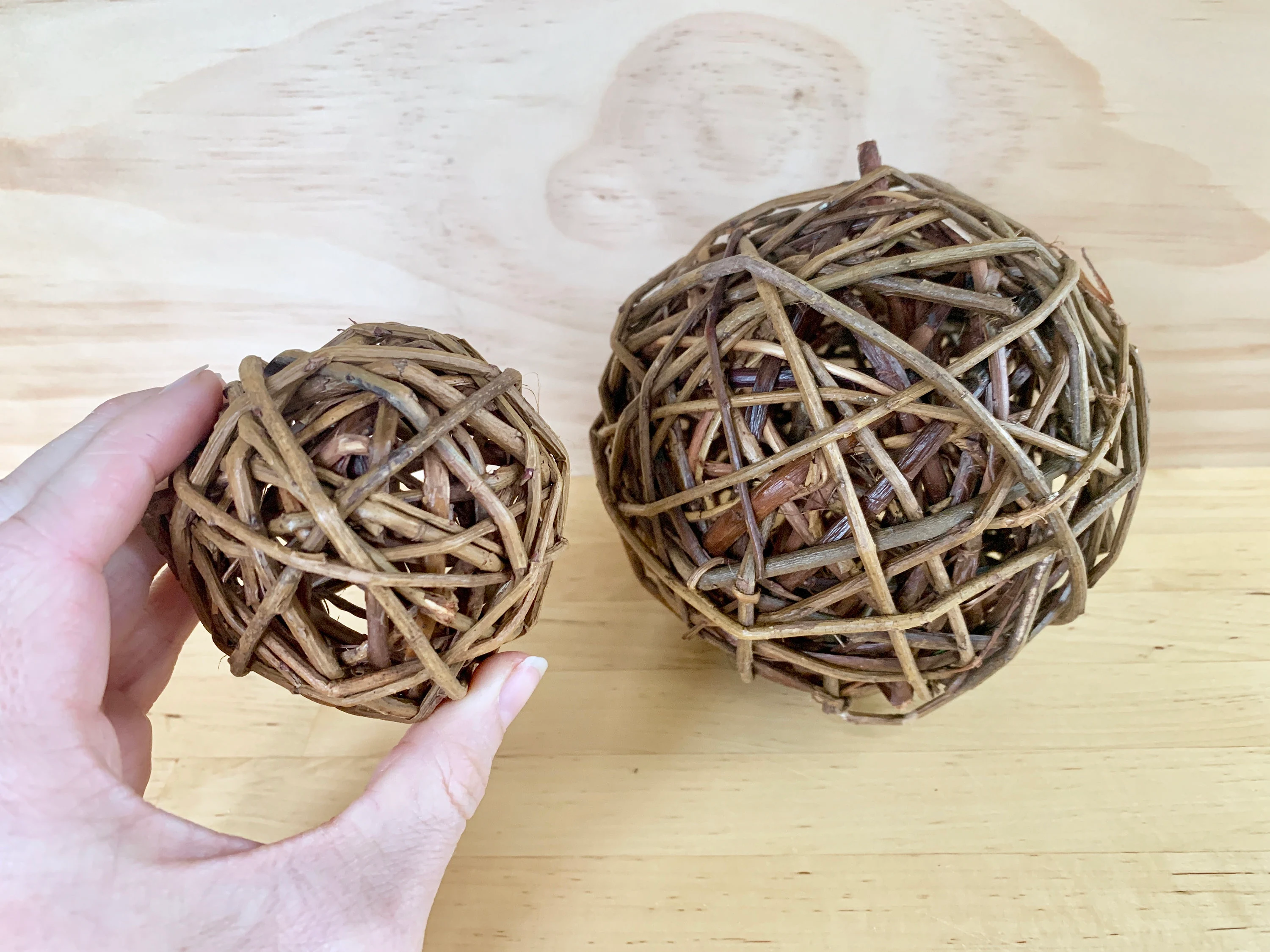
1) Untreated willow balls
Willow is a classic for a reason. It is flexible, satisfying to shred, and usually free of coatings when sold as a small-pet chew.
- Why I like it: Great for “peelers” who love stripping bark and weaving.
- How to use: Offer one ball at a time, and replace when it gets soft or heavily soiled.
- Good for: Rabbits and guinea pigs, especially timid pets who prefer a lightweight toy.
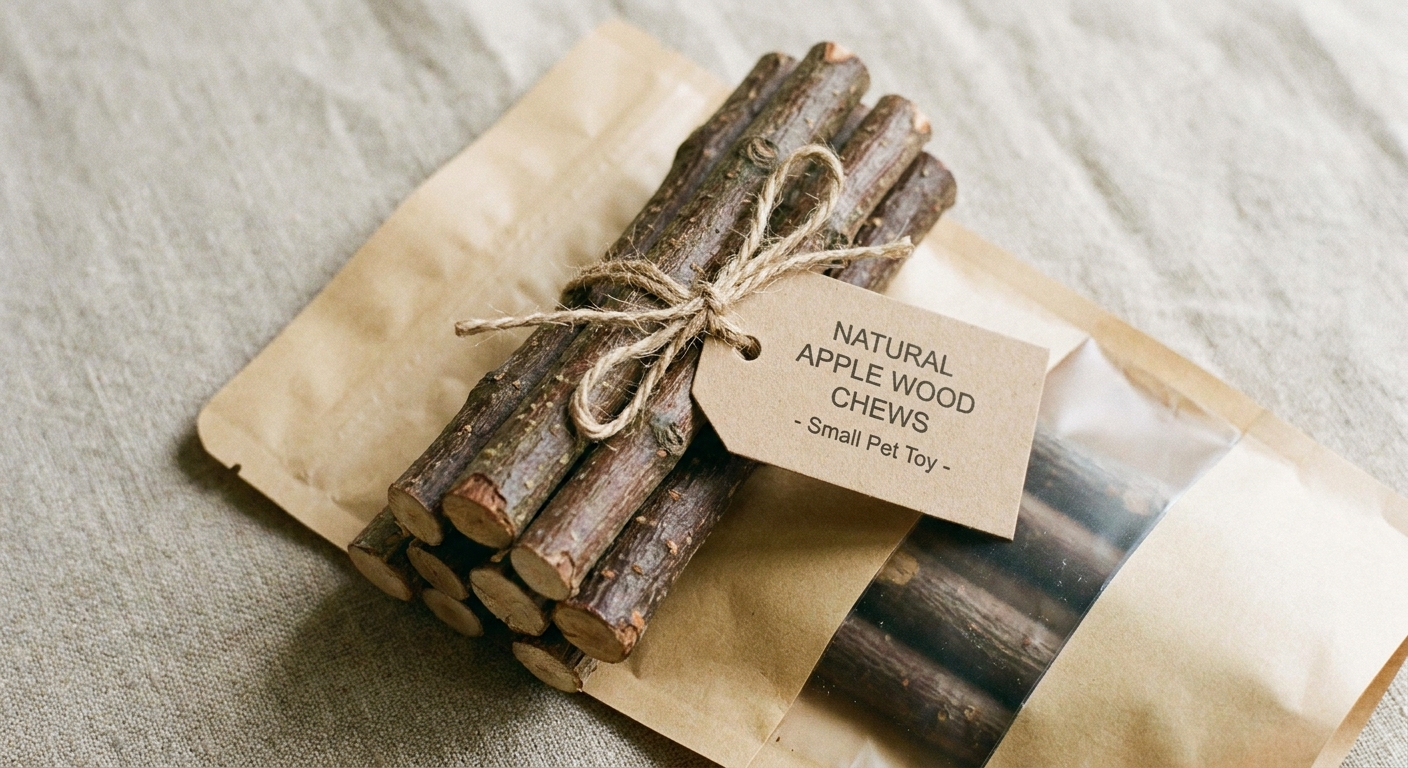
2) Apple wood sticks
Apple sticks are a simple, safe go-to: plain wood, easy to hold, and perfect for daily gnawing sessions.
- Why I like it: Simple ingredient list. Easy to portion.
- How to use: Offer a few sticks at once and rotate so they stay interesting.
- Tip: Look for products labeled untreated or no pesticides when possible.
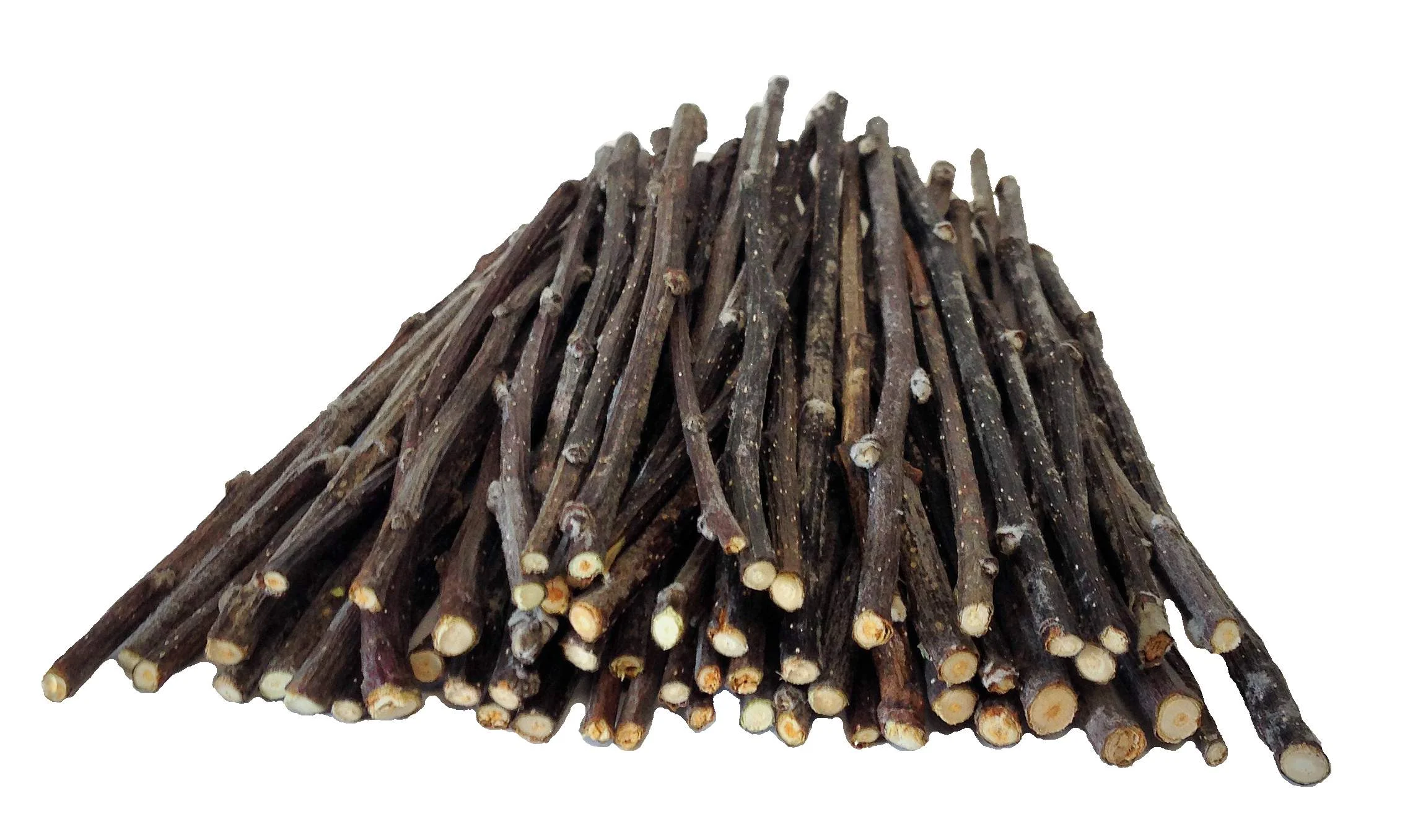
3) Pear wood or mixed fruit-wood bundles
If your pet gets bored easily, mixed wood bundles (often apple, pear, sometimes mulberry) add novelty without adding dyes or sugar.
- Why I like it: Variety can increase chewing in picky chewers.
- How to use: Offer one type at a time for a week, then swap.
- Watch for: Added colors or “honey” coatings. Skip those.
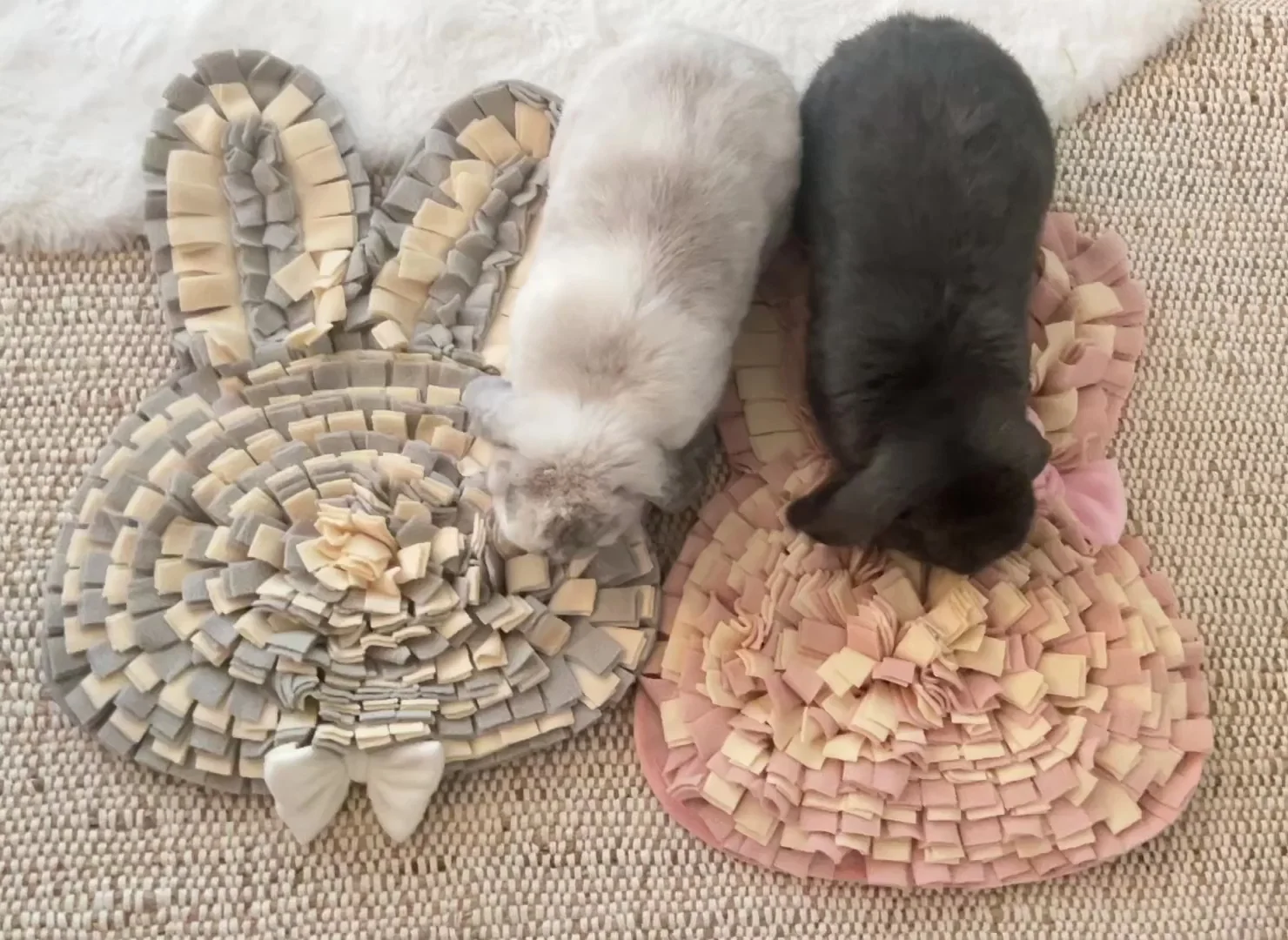
4) Timothy hay woven mats
Woven timothy mats are part chew toy, part flooring enrichment. Rabbits often pull and shred. Guinea pigs nibble and lounge.
- Why I like it: Edible, enriching, and encourages foraging behavior.
- How to use: Place under a hide, in front of a litter box, or as a “dig and destroy” zone.
- Replace when: It becomes damp, heavily soiled, or starts to break into long strings.
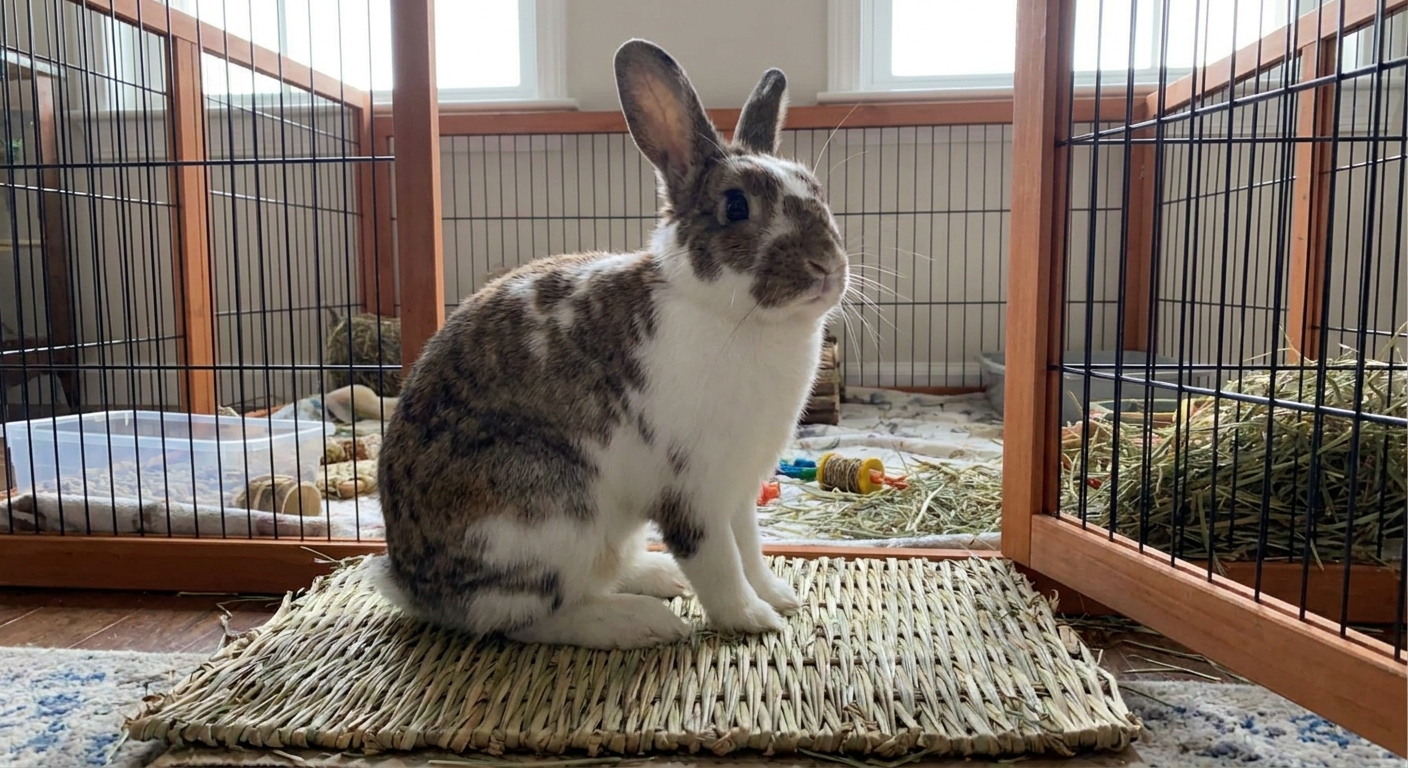
5) Seagrass mats
Seagrass is a tough, scratchy fiber that holds up well to serious chewing. It is also a favorite for bunnies who love rearranging their space.
- Why I like it: Durable and often made without dyes.
- How to use: Attach to the side of an enclosure for a “vertical chew,” or lay flat for shredding.
- Safety note: Supervise at first. If your pet starts swallowing long strips instead of shredding and dropping them, remove the mat and switch to a tougher, less stringy option.
- Tip: Check edges for loose, long strands and trim if needed.
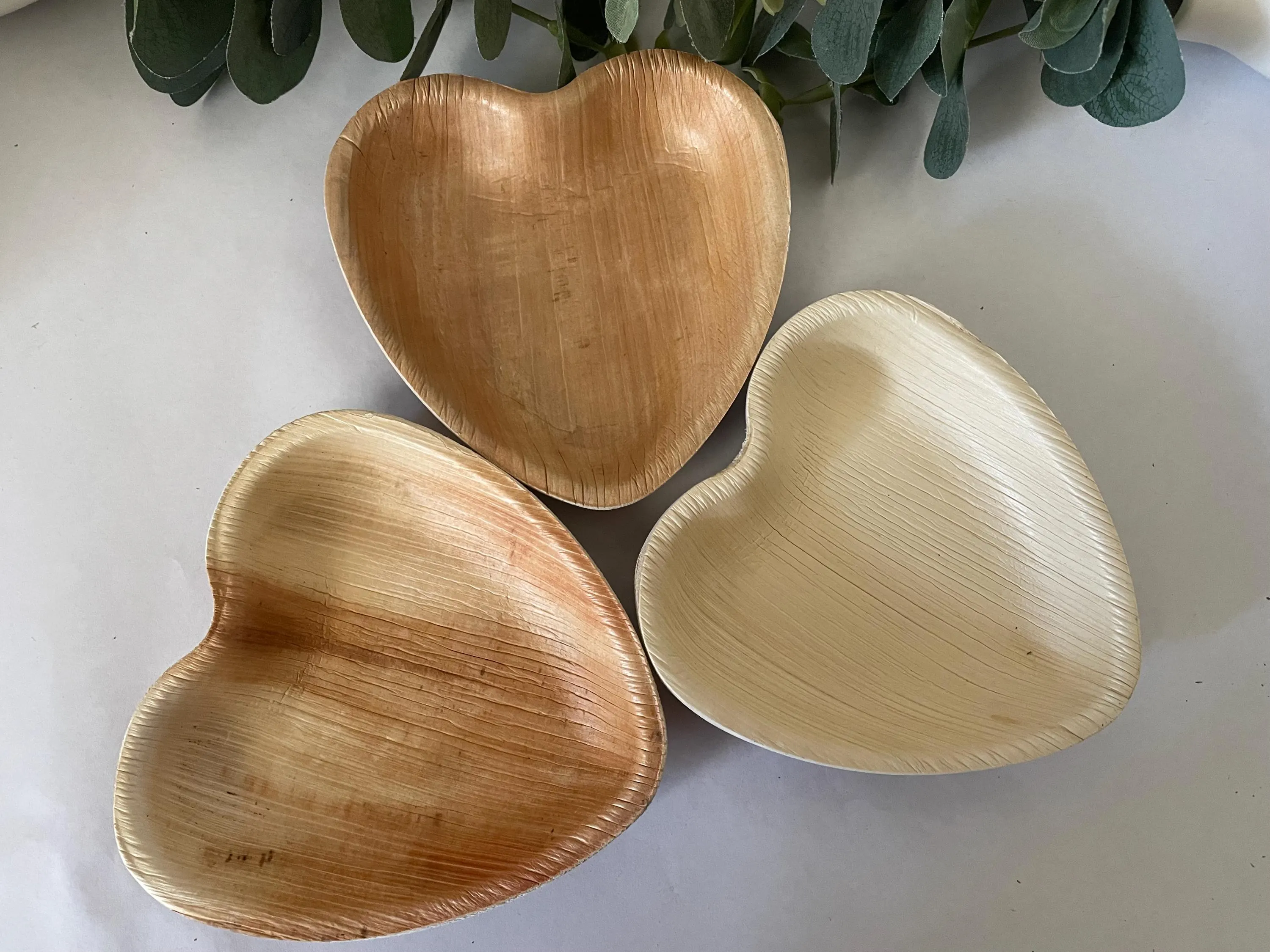
6) Palm leaf bowls and plates (pressed palm)
Pressed palm leaf items marketed for small pets are wonderful for tossing, crunching, and shredding. They are typically just heat-pressed leaves.
- Why I like it: Fun texture and noise without added ingredients.
- How to use: Hide pellets or forage inside a palm bowl to turn it into a slow feeder.
- Safety note: Most pets shred and spit. If yours is a “gobbler” who swallows big chunks quickly, choose larger palm items and offer them only under supervision.
- Good for: Rabbits in particular, including the “interior designer” types who must redecorate nightly.
7) Loofah chews (natural loofah)
Natural loofah is plant fiber, not plastic sponge. It is lightweight and satisfying for nibblers who do not commit to hard wood.
- Why I like it: Great starter chew for shy rescues.
- How to use: Offer plain loofah slices or loofah pieces threaded on a small-pet chew string.
- Safety note: Supervise initially and remove if your pet starts pulling off and swallowing long strips.
- Watch for: Loofahs dyed bright colors. Choose plain, natural.
8) Cardboard and hay forage toys from reputable brands
Not all cardboard toys are created equal. The safer commercial versions use plain, pet-safe cardboard with hay or plant fibers, and they avoid glossy coatings, strong odors, and heavy dyes.
- Why I like it: Combines chewing with foraging, which keeps boredom chewing pointed at the toy, not the enclosure.
- How to use: Stuff with hay, dried herbs, or a few pellets, then rotate weekly.
- Tip: If it has a strong chemical smell when you open the package, skip it.
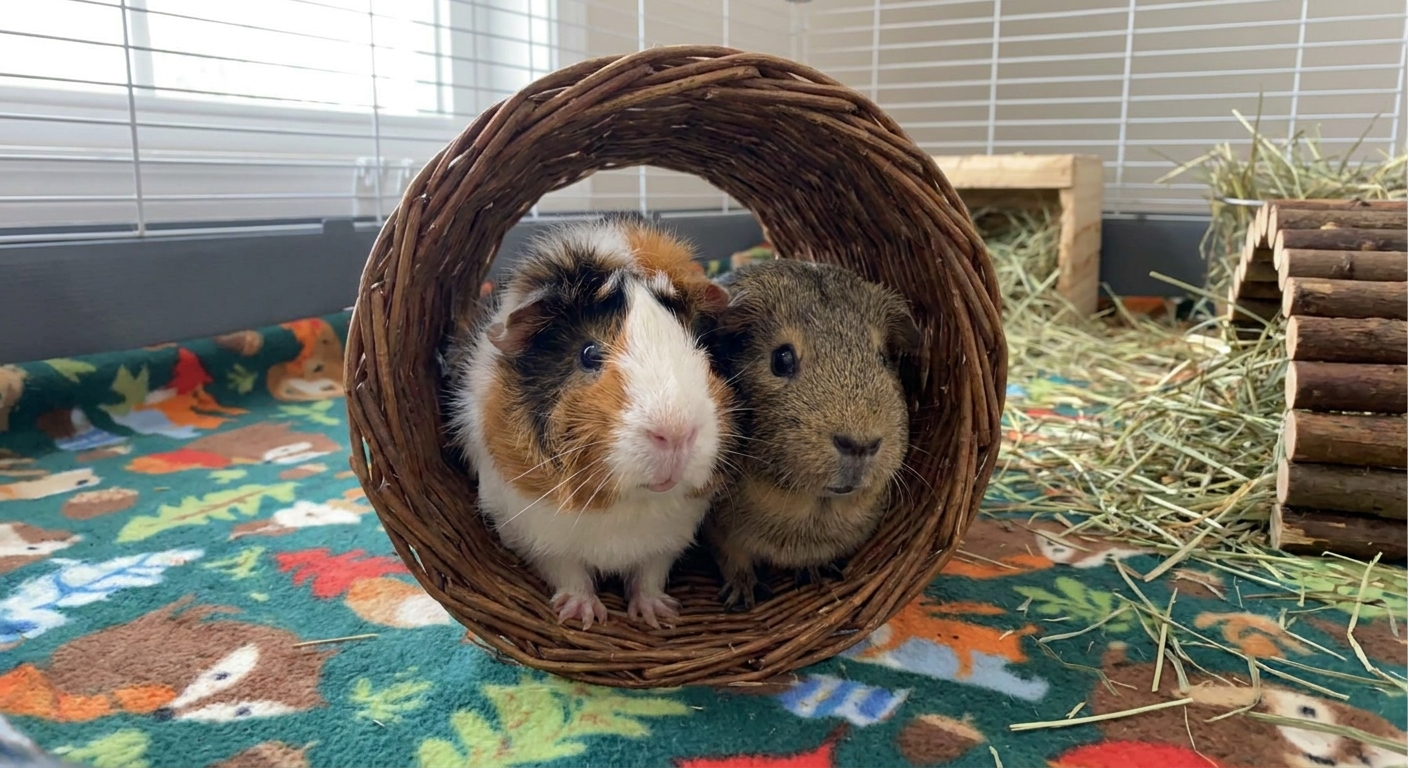
9) Untreated willow tunnels and bridges
These pull double duty: they are enrichment structures and chew targets. Rabbits often work on the edges. Guinea pigs like to dart through and nibble while they hide.
- Why I like it: Encourages natural exploration while providing chewable surfaces.
- How to use: Place with enough clearance that your pet cannot get stuck, and stabilize it so it does not tip.
- Replace when: The structure becomes weak or splinters excessively.
10) Compressed hay cubes or hay-based chews
Hay cubes are a quiet hero. They are not a toy in the cute sense, but they are a safe, hay-forward chew that supports the kind of grinding motion we want.
- Why I like it: Hay-first chewing with minimal ingredients.
- How to use: Offer one cube at a time, especially for rabbits who inhale treats.
- For guinea pigs: Choose plain timothy-based options unless your vet recommends alfalfa for a young pig.
How to choose the right chew
- If your rabbit ignores chews: Start with softer textures like loofah, seagrass, or a timothy mat. Some rabbits need a “gateway chew.”
- If your guinea pig only nibbles: Try thin apple sticks, willow, and forage toys that smell like hay.
- If you have a power chewer: Go for willow bridges, thick mats, and palm leaf items, and plan to replace often.
- If you are bonding rabbits: Provide duplicates of favorite chews so one bunny cannot guard the “good stuff.”
Safety checks I use in fosters
It takes 30 seconds to prevent most chew-toy mishaps:
- Smell test: Strong perfume or chemical odor is a no.
- Surface check: Avoid sharp staples, brittle wire ends, or splintery pieces.
- Strand risk: Long fibers or ropes can be risky if swallowed. Trim loose strands and choose tightly woven items. If your pet starts swallowing strips, remove the toy.
- Plastic hardware check: If you attach toys, assume some pets will chew whatever is accessible. Keep zip ties out of reach (trim tails flush and face the locking head outward), or use stainless steel rings or quick links instead.
- Cleanliness: Toss chews that become damp or soiled, especially anything made of plant fiber that can mold.
- Size: If it can fit entirely in the mouth, pick a larger size.
What to avoid
- Painted wood and bright dyed chews.
- Treated or unknown wood, including pressure-treated lumber and anything with a heavy chemical smell.
- Aromatic softwoods (like cedar) and mystery “wood blend” items, especially if they are heavily glued.
- Mineral chews marketed for teeth. They are generally unnecessary for pets on a balanced diet. If you are considering supplements or mineral blocks, check with an exotics vet.
- Rawhide, jerky, or animal byproducts. Rabbits and guinea pigs are herbivores.
- Anything sugary like yogurt drops glued onto a chew or “honey” coated toys.
If you are ever unsure about a specific wood type, stick to widely used rabbit and guinea pig friendly options like apple, pear, and willow, and choose reputable small-pet brands that clearly label materials.
FAQ
Do chew toys fix dental problems?
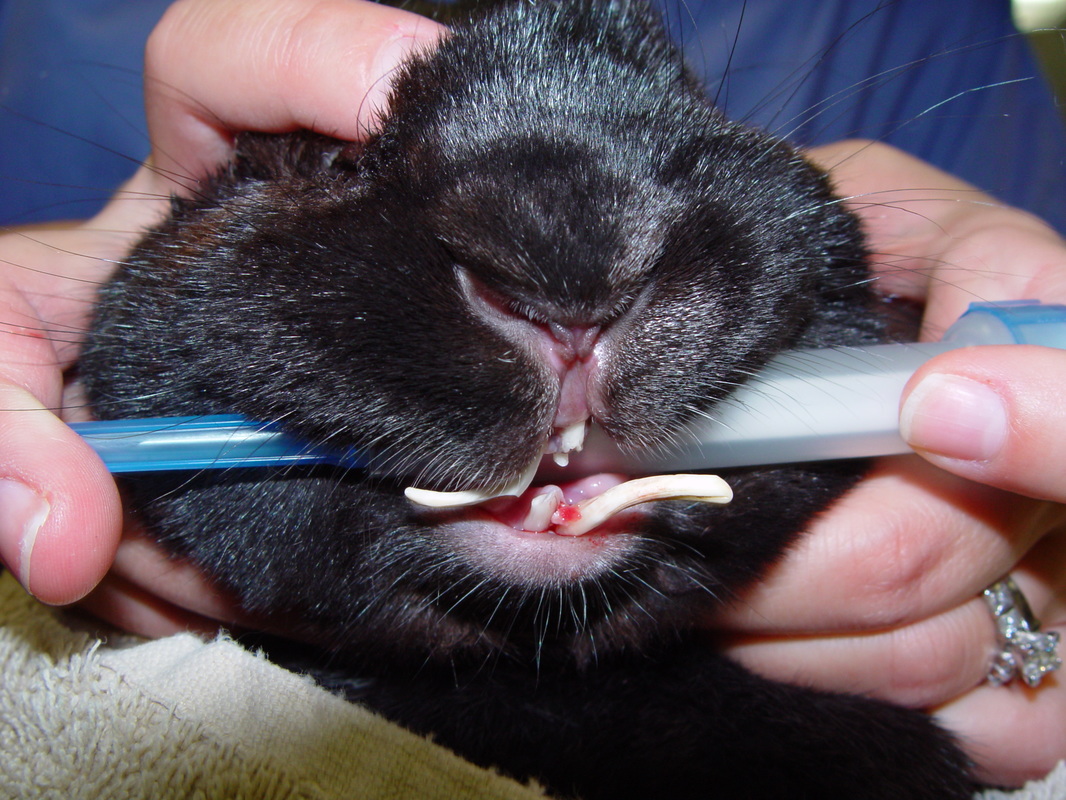
Chew toys help support healthy wear and daily enrichment, but they cannot cure malocclusion or address painful spurs. If your pet is drooling, dropping food, losing weight, or suddenly refusing hay, it is vet time.
How many chew toys should I keep in the enclosure?
I like 3 to 5 chew options available at any time, with different textures, plus unlimited hay. Rotate weekly so everything feels “new” again.
My rabbit eats the toy. Is that okay?
For plant-fiber toys like timothy mats, seagrass, and palm leaf, small amounts of ingestion are expected. The goal is nibbling and shredding, not gulping. If you see your pet swallowing large chunks quickly, switch to larger, tougher items, supervise new chews, and add more hay-based enrichment.
Do guinea pigs get vitamin C from chew toys?
No. Chew toys are enrichment, not supplementation. Guinea pigs need a consistent vitamin C source from their diet (and guidance from your vet if you are unsure what that should look like for your individual pig).