Know the subtle early symptoms of GI stasis, the red flags that mean “go now,” and the immediate steps that can help save your rabbit or guinea pig’s life.
Rabbit Cove
Choosing an Exotic Vet for Rabbits and Guinea Pigs
Find a truly rabbit- and guinea pig-savvy vet with the right training, equipment, and emergency backup. Use these questions, checklists, costs tips, and red flags before you book.

Chloe Miller
Chloe Miller is a dedicated small-pet enthusiast and experienced foster parent who has spent over a decade caring for rabbits and guinea pigs. Through her hands-on work with local animal rescues, she shares practical, compassionate advice on housing, nutrition, and daily enrichment to help small pets thrive. When she isn't designing custom indoor enclosures, Chloe can be found coaxing shy rescues out of their shells with fresh cilantro.
Published
October 22, 2026
Updated
October 22, 2026
If you have ever been told your rabbit is “basically a small cat” or your guinea pig “can just skip food for a day,” you already know the uncomfortable truth: some otherwise wonderful veterinarians do not get much formal training in small herbivores during school, and may see them infrequently in general practice. Rabbits and guinea pigs are prey animals with fast-moving digestive systems, subtle pain signs, and anesthesia needs that are not the same as dogs and cats.
Choosing the right exotic vet is one of the biggest quality of life upgrades you can give your pet. It is also one of the best ways to avoid a true emergency later. Below is exactly what I look for as a long-time foster parent: the credentials that matter, the facility must-haves, and the questions that reveal real rabbit and guinea pig experience.
What “exotic vet” should mean
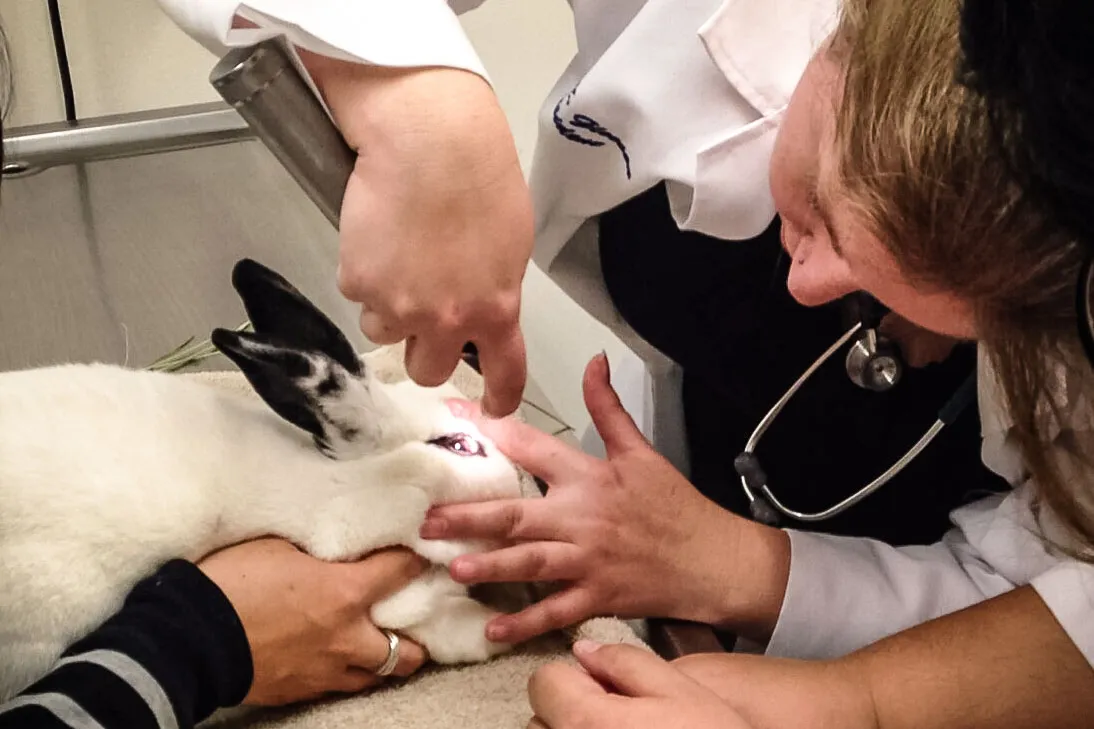
In small pet land, “exotic” is a broad label. Some clinics mean reptiles and birds only. Others mean “we will see rabbits if you insist.” What you want is a veterinarian who routinely treats companion mammals, specifically rabbits and guinea pigs, and is comfortable with:
- GI stasis and ileus protocols (pain control, motility meds, hydration, assisted feeding plans, and diagnostics)
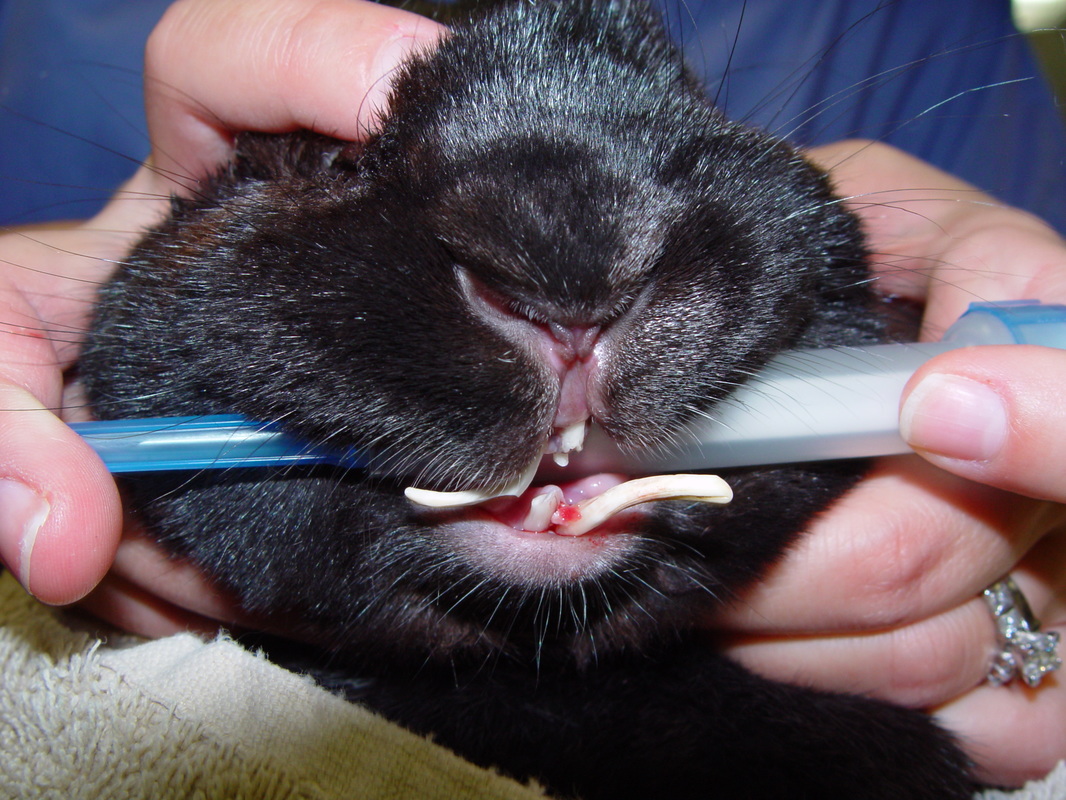
- Dental disease (molar spurs, malocclusion, tooth root issues, safe oral exams and imaging)
- Safe anesthesia and surgery (spays, neuters, abscess care, bladder stone surgery)
- Species-specific nutrition counseling (hay-based diets, vitamin C needs in guinea pigs, pellet quality)
- Compassionate low-stress handling (prey animal body language, towel wraps, calm rooms)
If the clinic cannot confidently talk through those basics, keep calling around.
Credentials that matter
You do not need to become a credential detective, but a few signals are genuinely helpful.
Board certification (when you can find it)
The gold standard is a veterinarian who is board certified in an exotics-focused specialty. Depending on country and organization, you may see:
- ABVP (American Board of Veterinary Practitioners) board certification, often listed as “Exotic Companion Mammal” or similar
- ECZM (European College of Zoological Medicine) Diplomate status for zoological companion animals
Board-certified specialists are not available everywhere and can be pricey, but even one consult can be valuable for complicated dental cases, recurring GI issues, or chronic pain management.
Memberships and continuing education
A solid rabbit and guinea pig vet keeps learning. Look for veterinarians or clinics that mention:
- AEMV (Association of Exotic Mammal Veterinarians) membership
- Regular exotics continuing education, wet labs, or conference attendance
- Published articles, lectures, or mentorships in exotics practice (nice to have, not required)
On its own, a membership badge is not proof of skill, but it is often a sign the vet is plugged into current standards and not relying on outdated advice.
Daily caseload matters
One of my favorite answers to hear is: “We see rabbits and guinea pigs every day.” Experience with routine care is what builds the muscle memory that saves time in emergencies.
Clinic basics and equipment
Even a brilliant veterinarian is limited without the right tools. When you call, ask whether the clinic has the following on-site or can access it quickly.
Diagnostics
- Digital radiography with staff comfortable positioning rabbits and guinea pigs safely
- Ability to take skull and dental-focused views (critical for molar roots in rabbits and guinea pigs)
- In-house bloodwork or rapid turnaround access to a lab
- Ultrasound access (helpful for bladder stones, uterine disease, abdominal masses)
Anesthesia and monitoring
- Gas anesthesia (isoflurane or sevoflurane) and a clear monitoring plan
- Heated support during and after anesthesia (small mammals lose heat fast)
- Monitoring equipment such as pulse oximetry and blood pressure, plus trained staff watching continuously
- Rabbit- and guinea pig-safe pain control protocols (ask what they use and how often it is dosed)
Hospitalization setup
- Quiet recovery space away from barking dogs
- Ability to syringe-feed and track intake and output
- Experience placing IV catheters or using alternative routes appropriately
- Oxygen support when needed
Questions to ask by phone
I know calling around can feel awkward, but you are not being high maintenance. You are being a good guardian. A clinic that is truly comfortable with exotics should welcome clear questions and answer without defensiveness.
Experience and scheduling
- How many rabbits and guinea pigs does your clinic see in a typical week?
- Which doctor should we book for rabbits and guinea pigs specifically?
- Do you offer same-day appointments for not eating, diarrhea, breathing issues, or suspected stasis?
Emergency coverage
- What happens after hours if my pet stops eating or has trouble breathing?
- Which emergency hospital do you refer to, and do they have an exotics doctor on call?
- Will your doctor share records quickly with the emergency hospital?
Anesthesia and surgery
- How often do you spay and neuter rabbits?
- Do you intubate rabbits when appropriate, and how do you monitor anesthesia?
- What is your pain management plan after surgery, and how long is pain medication typically sent home?
Dental care
- Do you do molar trims under anesthesia (not awake filing)?
- Can you take dental radiographs or skull views if needed?
- How do you evaluate a rabbit or guinea pig that is drooling, losing weight, or dropping food?
Nutrition and preventive care
- Do you recommend annual wellness exams for rabbits and guinea pigs?
- What is your general diet guidance for rabbits and for guinea pigs?
- For guinea pigs, do you discuss vitamin C sources and dosing?
You are listening for clear, specific answers. Vague replies like “we can try” or “it depends, but probably” are not comforting when your rabbit is refusing hay at 9 pm.
What to bring to the first visit
A smooth first appointment starts at home. Bring information that helps your vet move faster and make better decisions.
- A list of current diet details (hay type, pellets and brand, daily greens, treats)
- Recent weights if you have them, plus the date you took them
- Photos or short videos of anything intermittent (odd chewing, head tilt, noisy breathing, lameness)
- Clear photos of unusual poop or urine changes (including sludge, blood tinting, diarrhea)
- Any prior records, lab results, or radiographs, even if they are from another clinic
- Your questions written down, because it is easy to forget in the room
What a good first appointment looks like
Your first visit is a gut-check, but it is also a medicine check. A rabbit and guinea pig-savvy vet appointment is usually calm, detailed, and hands-on.
Signs you are in good hands
- The vet asks about appetite, hay intake, poop size and quantity, water intake, and weight trends
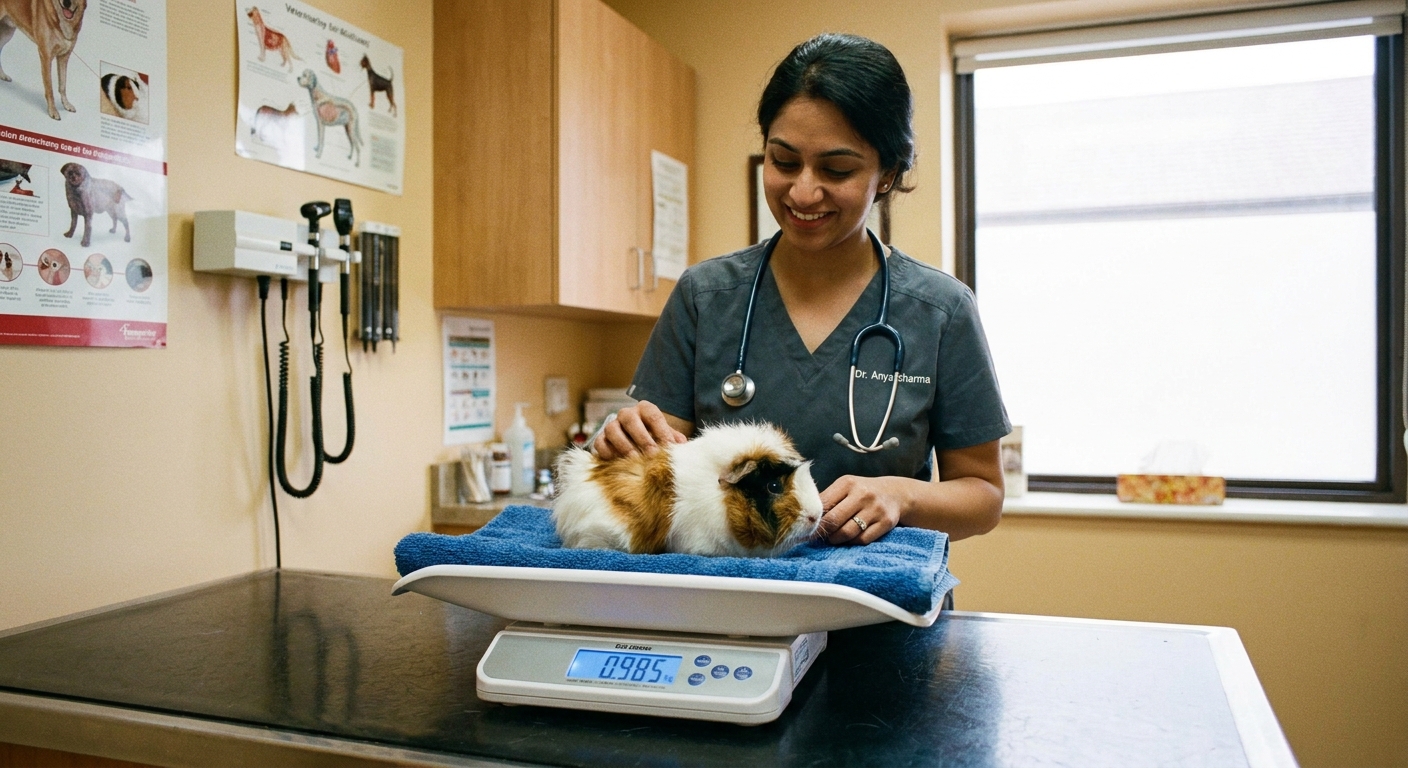
- Your pet is weighed in grams (or an accurately converted equivalent) and the number is discussed
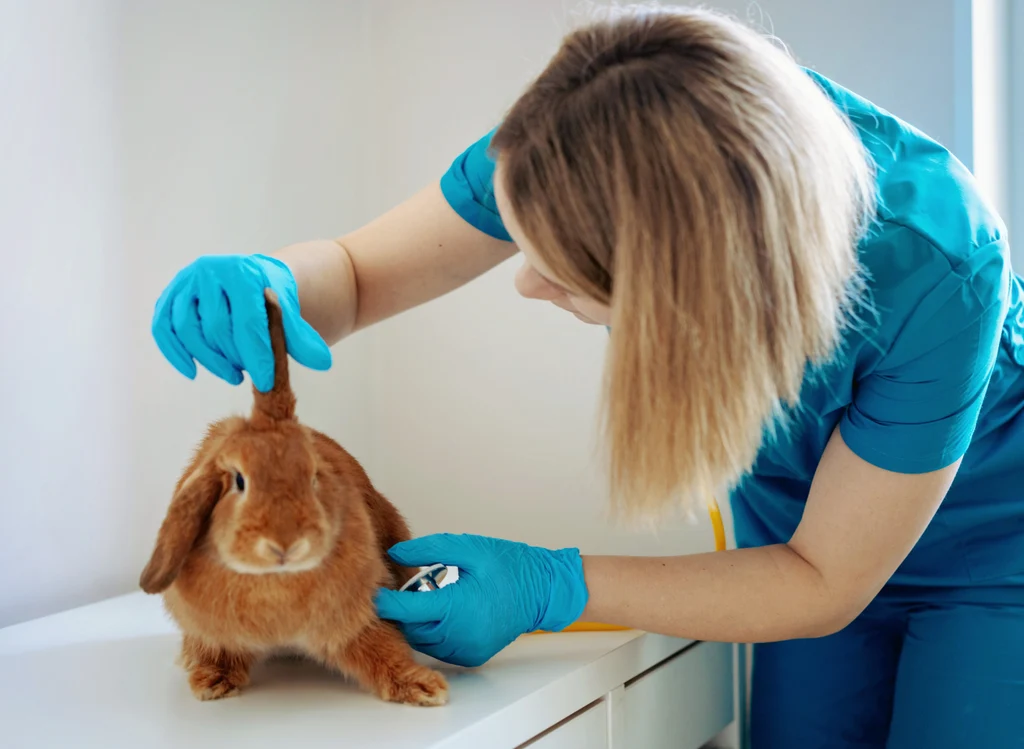
- The vet listens to the chest, checks hydration, palpates the abdomen gently, and looks at incisors and oral cavity as much as safely possible
- The vet talks through preventive red flags like subtle weight loss, early dental changes, and sore hocks
- Handling is confident but gentle, with good support of the spine and hind end
If you leave feeling like you learned something and your pet was treated like a complex little mammal, not a novelty, that is a great sign.
Red flags to take seriously
No vet is perfect. But certain comments or habits are strong predictors of outdated care.
- Requiring prolonged fasting before anesthesia for rabbits or guinea pigs. In many cases, these species are not fasted the way cats and dogs are. Some clinics may give brief, specific instructions to reduce mouthfuls of food or mess, but “no food for the night before” is a reason to ask follow-up questions.
- Dismissing appetite loss as “picky” without discussing pain, hydration, and gut motility
- Casual antibiotic choices without acknowledging that some common dog and cat antibiotics can be risky in hindgut fermenters (for example, oral clindamycin, lincomycin, and some oral penicillin-type drugs are classic concerns)
- Awake molar trimming as a routine approach
- Minimal pain control or implying rabbits and guinea pigs do not need much analgesia
- Downplaying urgent symptoms like no poop, bloated abdomen, head tilt, labored breathing, or profound lethargy
If you hear any of these, it does not mean the veterinarian is a bad person. It means your pet deserves a clinician who treats small herbivores often enough to have modern protocols at their fingertips.
How to find a good vet faster
When fosters come through my home, I cannot afford to play phone tag during a crisis. These are the fastest ways I have found good care.
- Ask local rescues which vet they use for dental cases, spays, and emergency stasis. Rescue people have receipts, both good and bad.
- Ask rabbit and guinea pig communities for “who handled my emergency well,” not just “who is nice.”
- Call and ask for the exotics doctor by name. Many clinics have one or two exotics-confident vets and a few who only see rabbits occasionally.
- Do one wellness visit now, before an emergency. It is much easier to get squeezed in when you are an established client.
Costs and estimates
Sticker shock is real with exotics, especially when imaging, anesthesia, or hospitalization is involved. A good clinic will not guess blindly, but they should be able to outline the basics.
- Ask for a written estimate that separates exam fee, diagnostics (digital radiography, bloodwork), medications, and hospitalization.
- For planned procedures like spay or neuter, ask what is included (pain meds to go home, monitoring, fluids, warming support).
- Ask how they handle updates and approvals if costs change mid-case.
- If you have pet insurance, ask for itemized invoices and records, since that is what reimbursement usually requires.
If you suspect stasis tonight
This is not a home treatment plan, but it can help you act fast while you contact an exotics-capable veterinarian.
- Call a rabbit and guinea pig-experienced clinic immediately if your pet is not eating, is producing little or no poop, seems painful, or is unusually quiet.
- Keep them warm and quiet during transport and while you wait for instructions.
- Do not give over-the-counter medications unless your veterinarian has specifically directed you to do so for your pet.
- If your vet has previously prescribed a recovery diet for your household, ask whether assisted feeding is appropriate right now. In some situations, feeding is not advised until an obstruction risk is assessed.
Emergency planning
This part is not glamorous, but it is the difference between panic and action.
- Keep your vet’s daytime number and the nearest exotics-capable emergency hospital saved in your phone.
- Know the drive time and parking situation for the emergency clinic.
- Ask your regular vet in advance which emergency hospital they recommend for rabbits and guinea pigs.
- Weigh your pet weekly at home and track it. Subtle weight loss is often the first clue something is wrong.
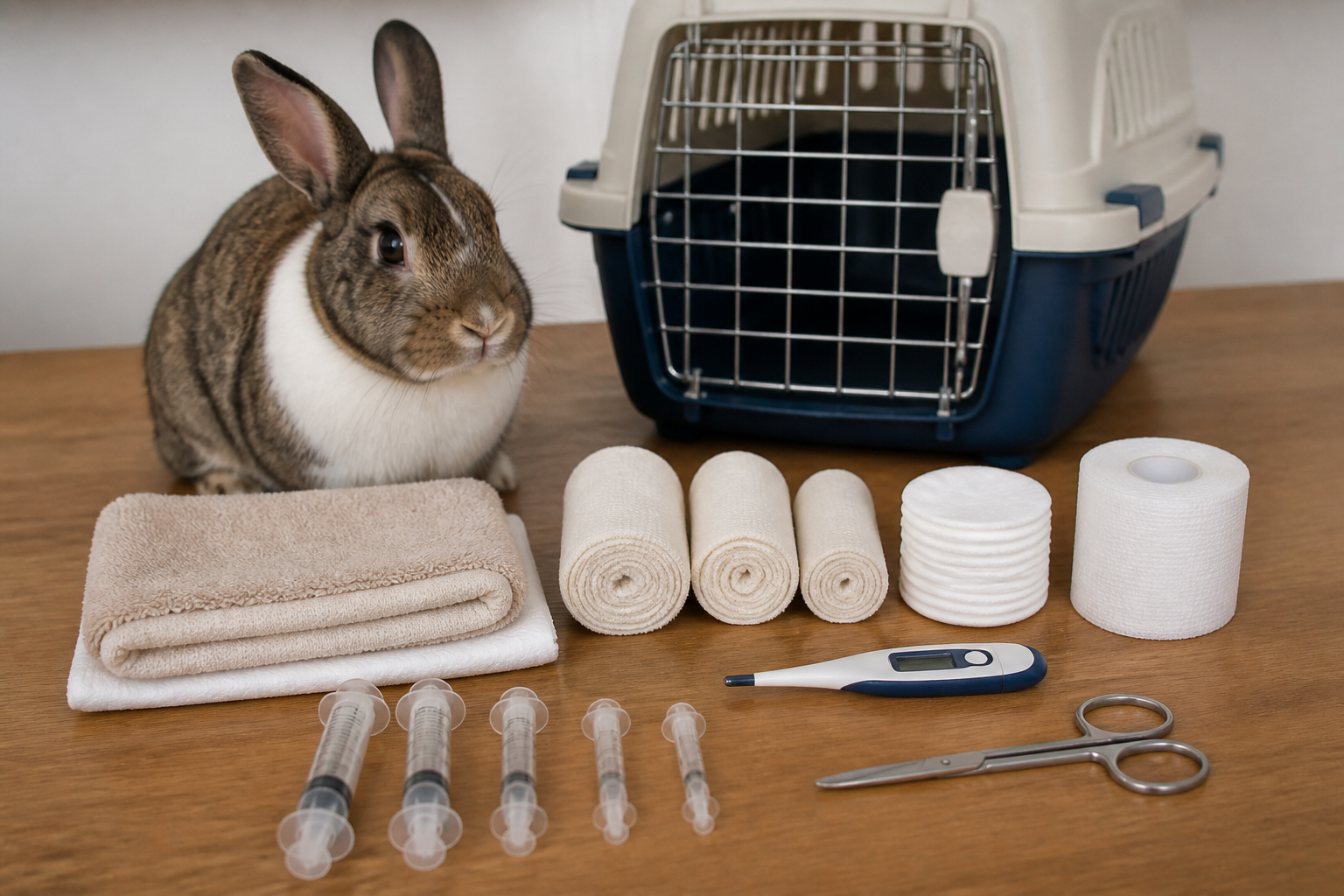
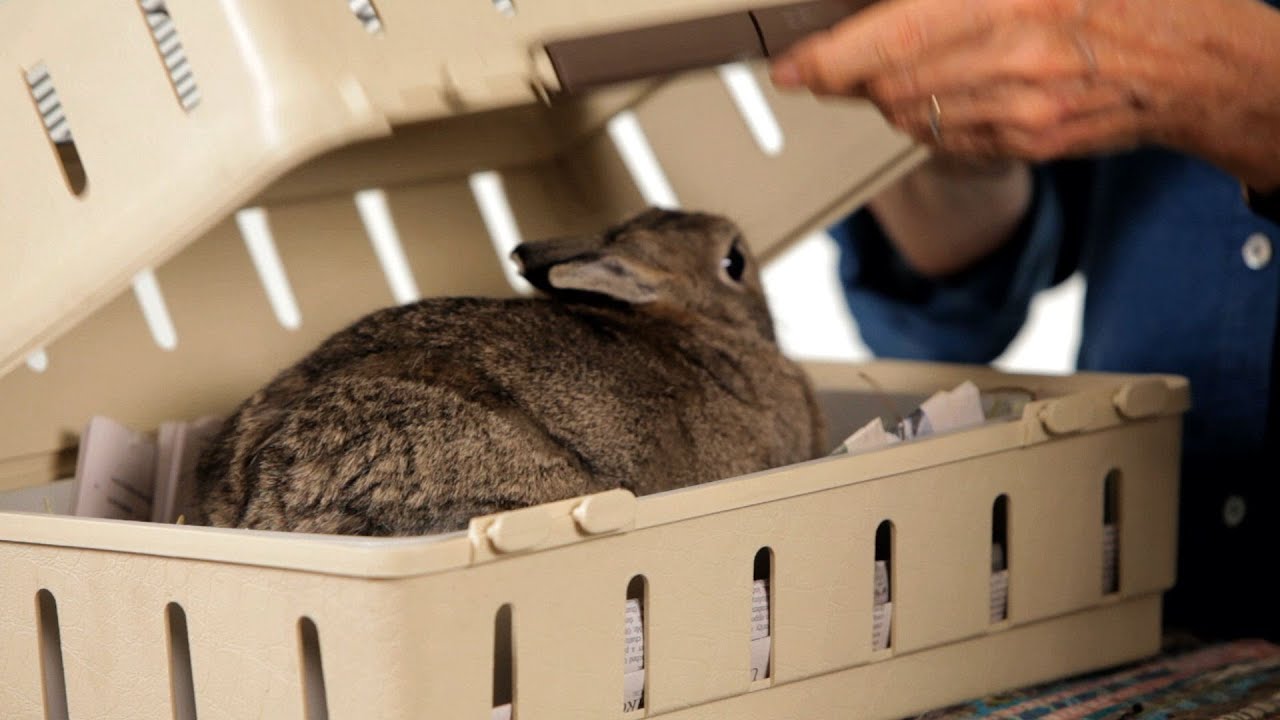
- Have a basic transport kit: carrier, towel, spare hay, a syringe, and critical care-style recovery food if your vet has advised it for your household.
If you have ever tried to find an open pharmacy while holding a reluctant rabbit burrito in a towel, you know why planning matters.
Quick checklist
- Clinic sees rabbits and guinea pigs routinely, not occasionally
- Clear emergency referral plan for after hours
- Digital radiography and comfort taking skull and dental views
- Modern anesthesia with active monitoring and warming
- Strong pain management philosophy and take-home meds
- Dental competence: safe exams, appropriate imaging, anesthesia-based trims
- Comfort discussing hay-based diets and guinea pig vitamin C needs
- Staff handles prey animals calmly and confidently
FAQ
Do I need an exotic vet for routine checkups?
For rabbits and guinea pigs, yes, ideally. Wellness visits catch early dental disease, weight loss, heart or lung changes, and subtle GI issues. A general dog and cat clinic may miss those patterns.
Is a “rabbit-savvy” vet the same as an exotic vet?
Not always. Some vets are excellent with rabbits but see guinea pigs less often, and vice versa. When you call, ask about your specific species and common issues like dental disease and appetite loss protocols.
Should my rabbit or guinea pig fast before surgery?
Rabbits and guinea pigs generally should not be fasted like cats and dogs. Many clinics do not withhold food at all, while some may give short, specific instructions for practical reasons. Always follow your veterinarian’s directions, but be wary of prolonged fasting requirements and ask why.
How can I tell if a clinic is truly comfortable with dental problems?
Listen for talk of imaging, anesthesia-based oral exams, pain control, and a plan for follow-up. Dental disease is not just about visible front teeth, so a good clinic will discuss molars, roots, and radiographs.