Feed with confidence: daily-safe greens, limited veggies, and foods to avoid for rabbits and guinea pigs, with simple serving guidance and vitamin C notes.
Rabbit Cove
Foraging Safe Backyard Weeds for Rabbits and Guinea Pigs
Learn to identify, harvest, and wash safe backyard weeds like dandelion and plantain for rabbits and guinea pigs, plus how to introduce them slowly and safely.

Chloe Miller
Chloe Miller is a dedicated small-pet enthusiast and experienced foster parent who has spent over a decade caring for rabbits and guinea pigs. Through her hands-on work with local animal rescues, she shares practical, compassionate advice on housing, nutrition, and daily enrichment to help small pets thrive. When she isn't designing custom indoor enclosures, Chloe can be found coaxing shy rescues out of their shells with fresh cilantro.
Published
October 22, 2026
Updated
October 22, 2026
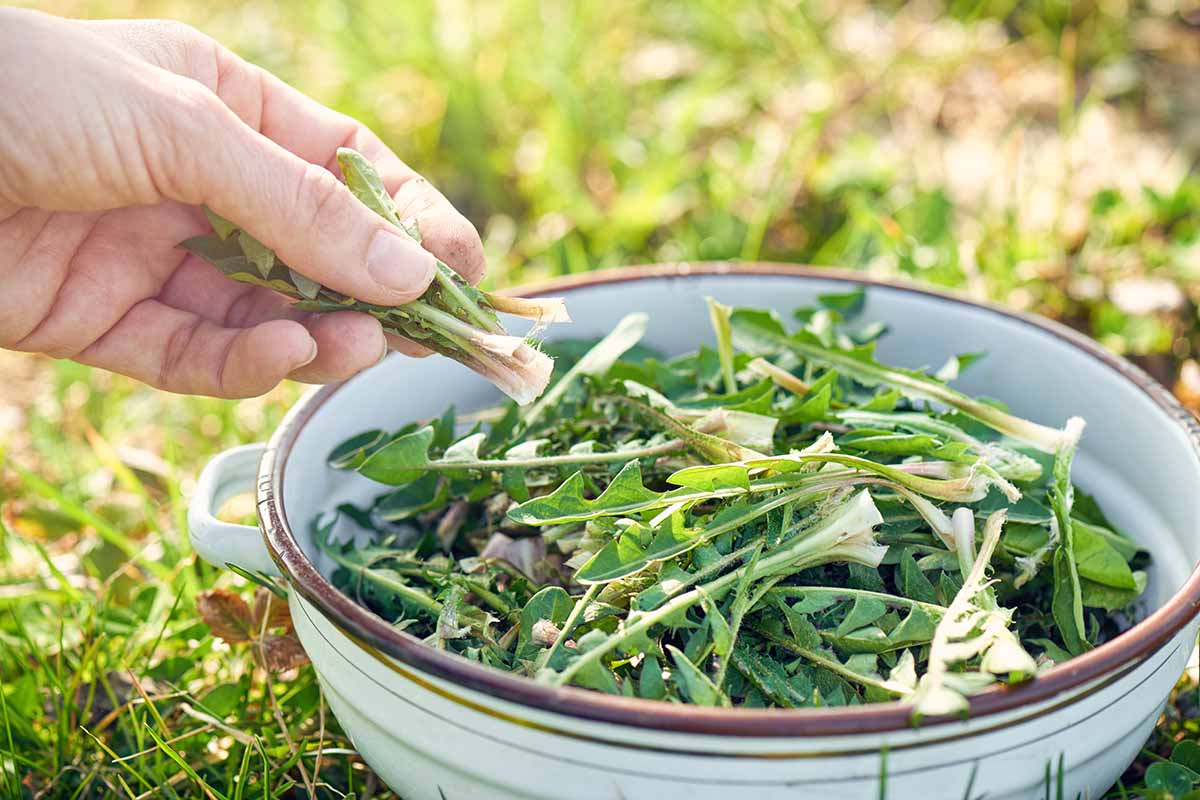
There is something deeply satisfying about watching a rabbit drag a dandelion leaf away like they just won a prize, or seeing a guinea pig do the classic “grab and retreat” with a mouthful of fresh greens. Foraging can be a wonderful way to add variety and enrichment to your pet’s diet, and yes, it can save money. The key is doing it like a careful, slightly suspicious botanist.
In this guide, “foraging” means picking a few known, safe plants from your own untreated yard or another place you can verify is chemical-free and low-risk. It is not a permission slip to grab mystery greens from parks, roadsides, or anywhere you cannot control what has been sprayed, walked on, or left behind.
This guide is written for beginners with rabbits and guinea pigs in mind, with a focus on a handful of common, generally safe backyard plants. If you ever feel unsure about an ID, skip it. One skipped weed is always cheaper than one vet visit.
Before you pick anything: the safety rules
Only forage from clean areas
- No pesticides, herbicides, or lawn treatments. This includes “weed and feed,” slug bait, ant granules, flea and tick yard sprays, and treated garden beds. If you are not 100 percent sure, do not harvest there.
- Avoid roadside strips and high-traffic edges. Vehicle exhaust, brake dust, and oil residue build up close to roads and parking areas.
- Skip areas frequented by dogs, urban wildlife, or outdoor cats. Fecal contamination is a real risk for any raw greens.
- Be mindful of water sources. Avoid plants growing near runoff, drainage ditches, or standing water that could contain contaminants.
Never rely on “looks like”
Many safe plants have lookalikes. Some are merely unpleasant, others can be dangerous. If you cannot confidently identify a plant using multiple features, do not feed it. A good practice is to verify with at least two independent references (reputable plant ID book, local extension resources, or a well-reviewed plant ID app) and check leaf shape, stem, flowers, growth habit, and where it grows. “It looks like dandelion” is not an ID.
Keep foraged plants as a greens add-on
Foraging should complement, not replace, the foundation:
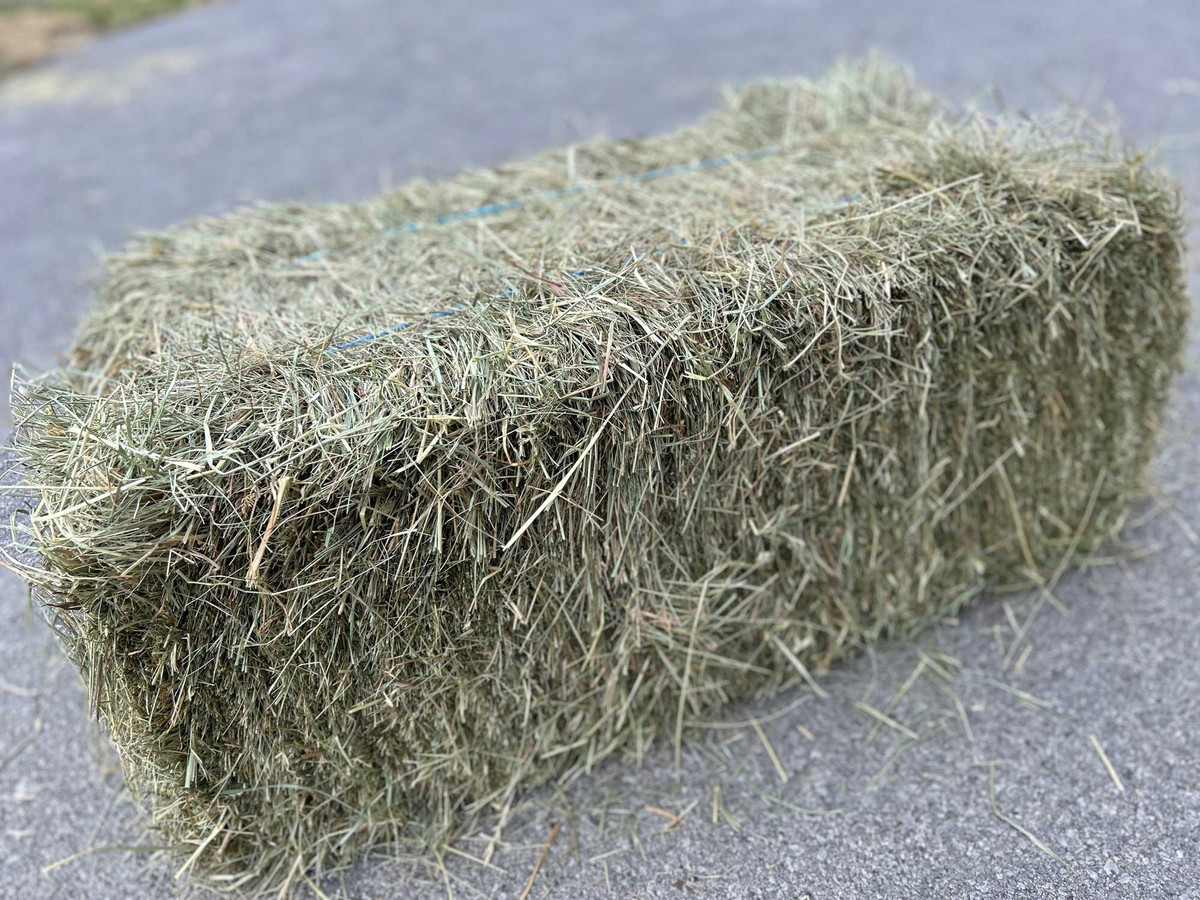
- Unlimited grass hay (timothy, orchard, meadow) for both rabbits and guinea pigs
- Measured pellets appropriate for age and species
- Daily leafy greens, introduced gradually
- Vitamin C for guinea pigs via a consistent diet, typically a stabilized vitamin C guinea pig pellet and daily vitamin C rich vegetables (your vet can help you dial in amounts for your pig)
Think of weeds as free salad ingredients, not the whole meal.
Beginner-friendly safe weeds
These are common in many yards and are widely used as forage for rabbits and guinea pigs when correctly identified and harvested from clean areas. Still, every pet is an individual, and “safe” does not mean “feed a bucket.” Start small.
Regional note: What is “common” depends on where you live. Before feeding any new plant, cross-check with local extension resources or an exotics vet familiar with your area.
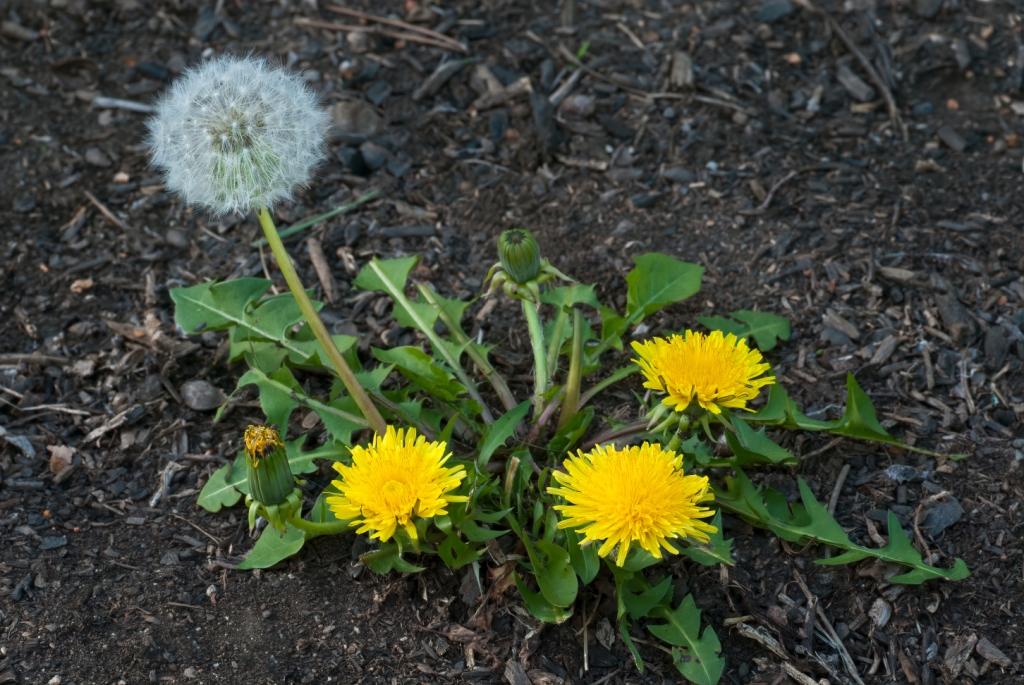
Dandelion (Taraxacum officinale)
Dandelion is the classic starter forage. Most rabbits and guinea pigs love it, and it is easy to spot when in bloom.
- ID tips: Deeply toothed leaves forming a rosette close to the ground. Hollow flower stalk with a single yellow flower. Milky sap when snapped.
- What to offer: Leaves and flowers. Stems are fine, but they can be bitter and tougher, so many pets prefer them in smaller amounts.
- Feeding notes: Nutrient-dense and relatively calcium-rich. Rotate it with other greens, and do not make it the only thing in the bowl every day. If your rabbit has a history of bladder sludge or stones, ask your vet about moderating higher-calcium greens.
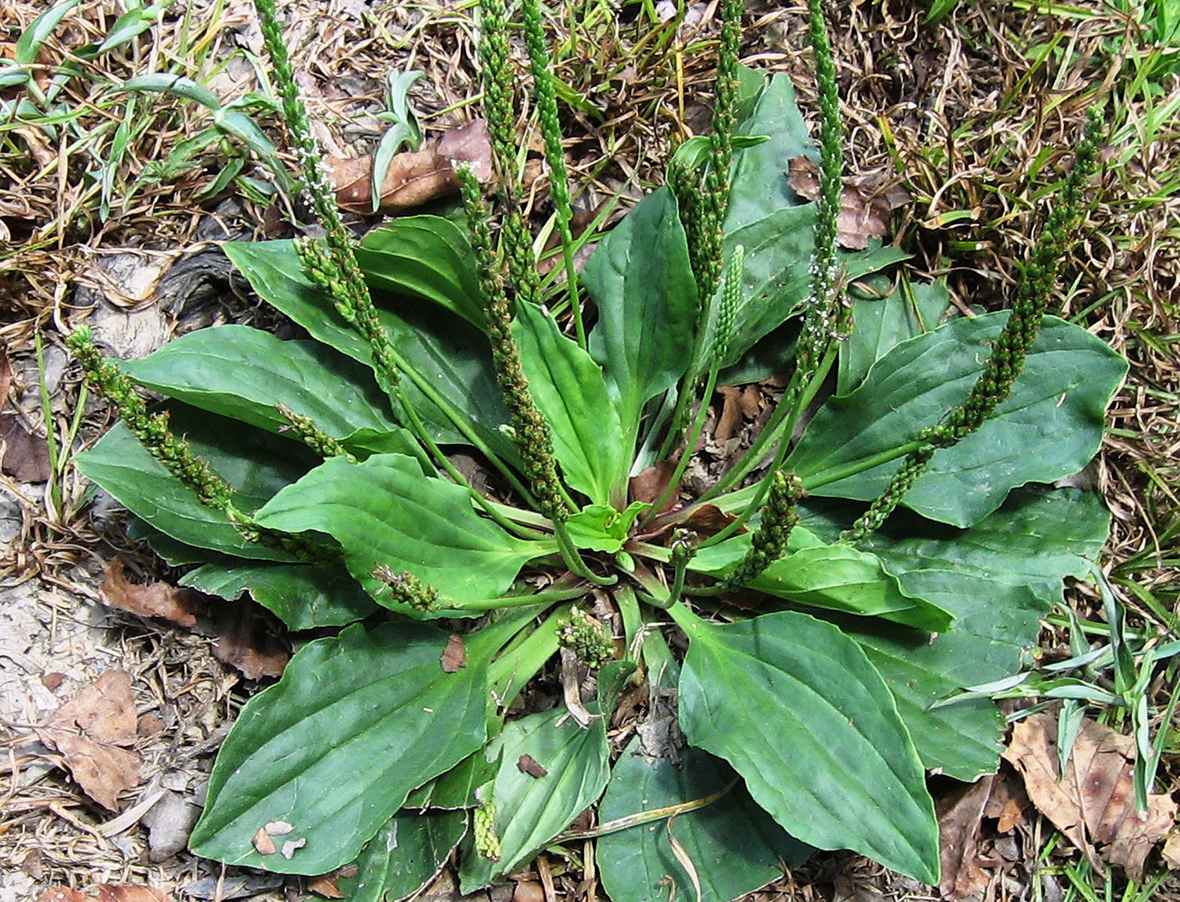
Plantain (Plantago major, Plantago lanceolata)
Not the banana-like plantain. This plantain is a hardy lawn plant and one of my favorite “reliable” forages.
- ID tips: Leaves have strong parallel veins that run from base to tip. Broadleaf plantain has wider oval leaves, narrowleaf has long strap-like leaves. Flower stalks form seed heads.
- What to offer: Leaves, and in small amounts the tender flower stalks.
- Feeding notes: Many owners find it goes over well as a steady, boring-in-a-good-way green, but your pet’s stomach gets the final vote.
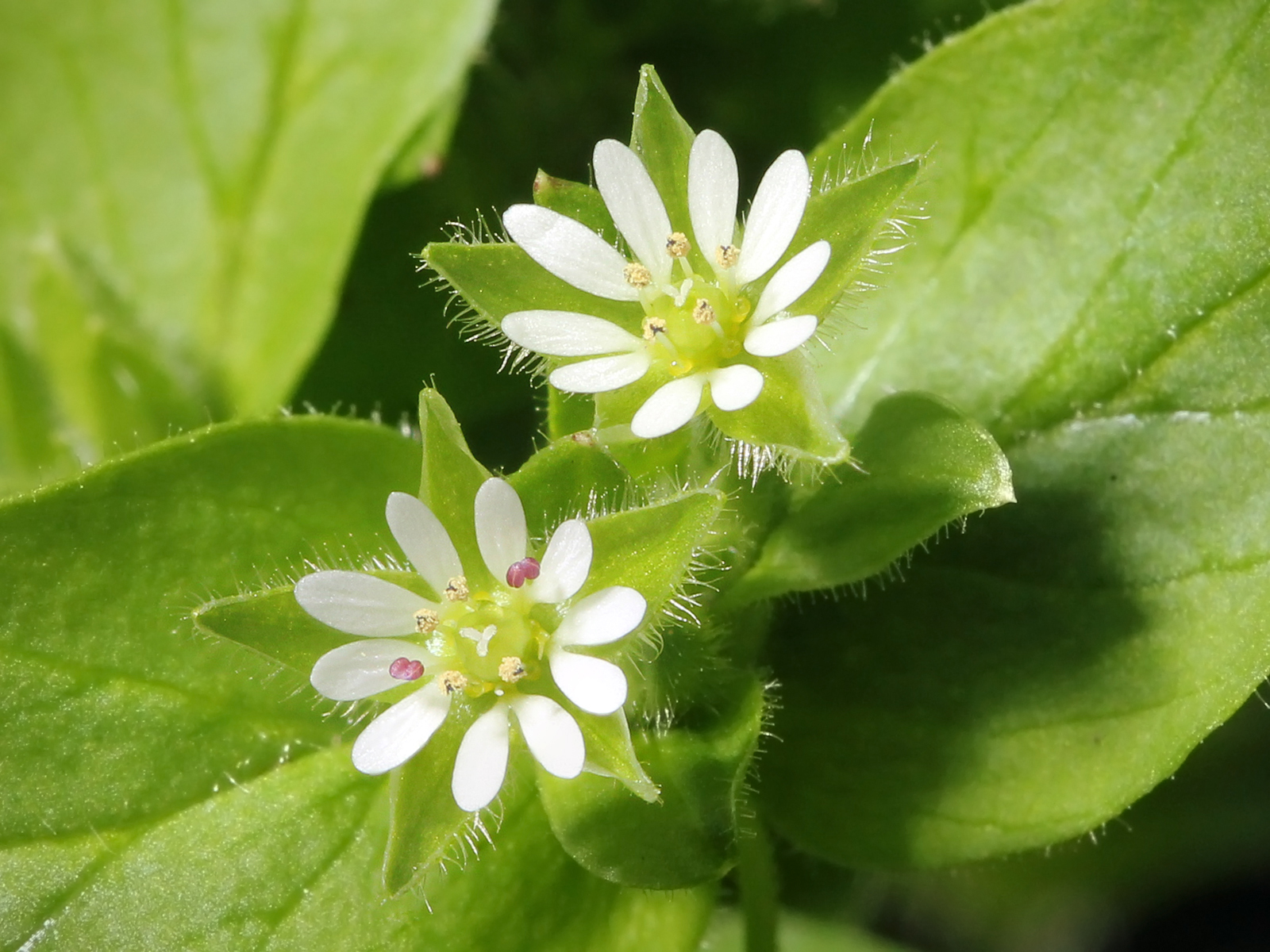
Chickweed (Stellaria media)
Chickweed tends to pop up in cooler weather and can be a hit with picky eaters because it is tender.
- ID tips: Small pointed oval leaves, delicate stems, and tiny white star-shaped flowers. Often forms low mats.
- What to offer: Tender leafy stems and leaves.
- Feeding notes: Because it is so soft, it can wilt quickly after washing. Serve fresh.
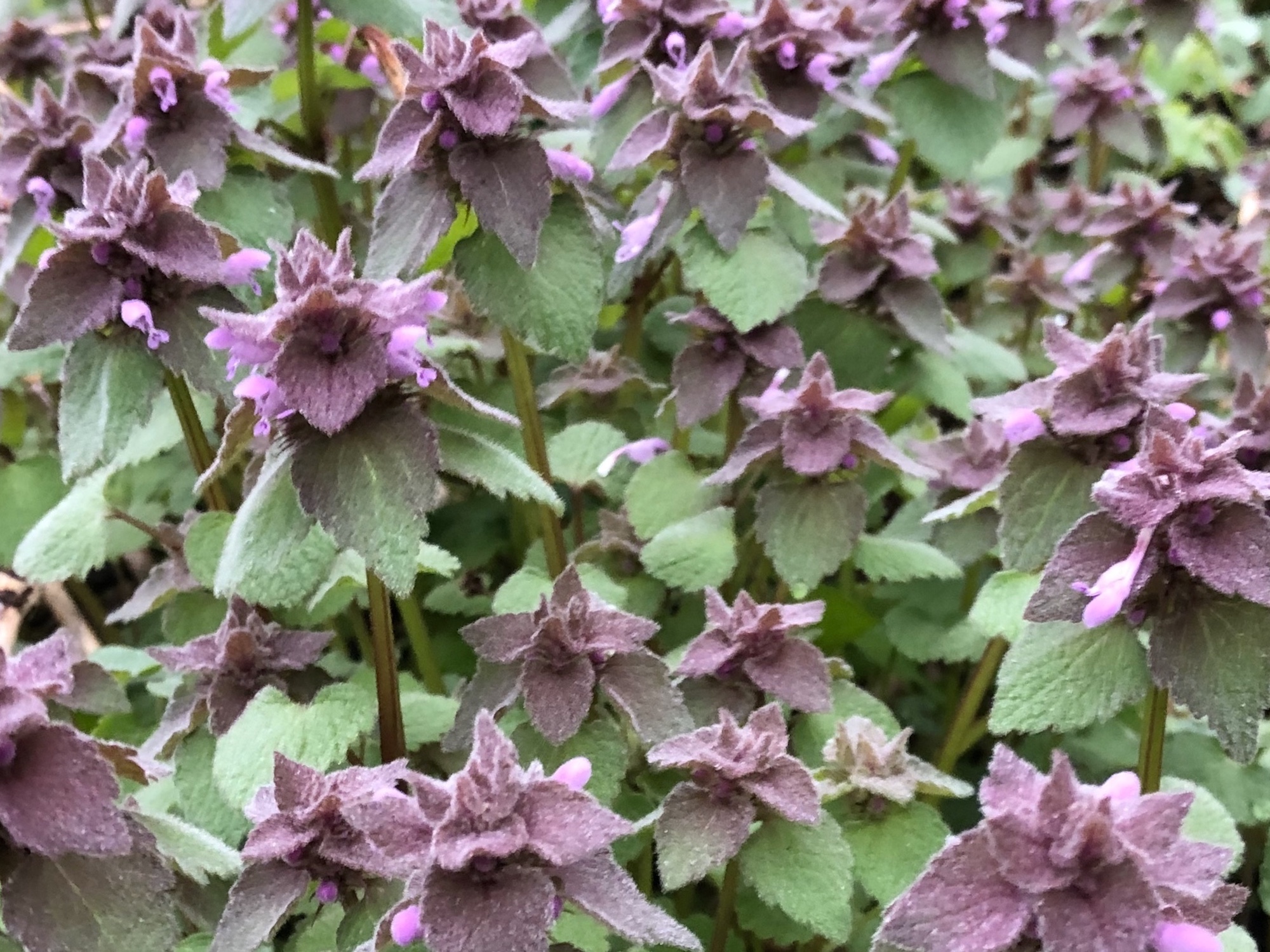
Deadnettle and henbit (Lamium purpureum, Lamium amplexicaule)
These common Lamium weeds (often called purple deadnettle and henbit) are widely considered safe as forage when correctly identified, but this is not a “mint family equals safe” situation. You still need a true species-level ID.
- ID tips: Square stems, opposite leaves, often purple-tinged tops, and small hooded flowers (commonly purple or pink). It does not sting.
- What to offer: Leaves and tender tops.
- Feeding notes: Introduce slowly. Some pets love it, some act personally offended.
Clovers (Trifolium species), small amounts
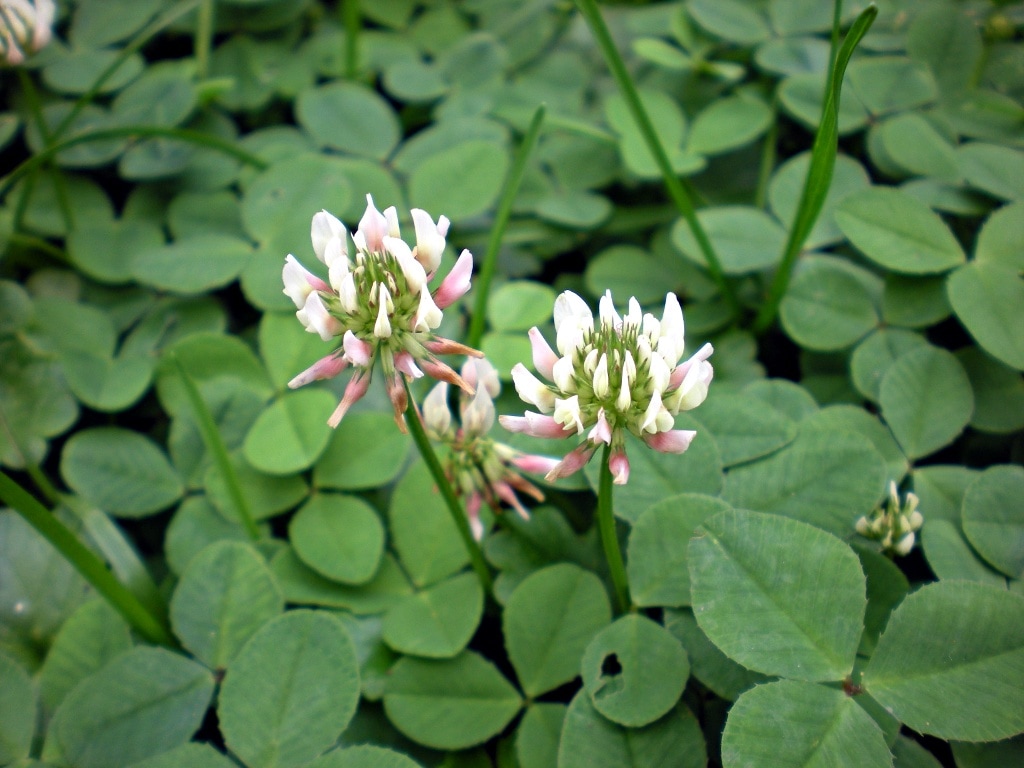
Many rabbits and guinea pigs enjoy clover, but it is richer than typical lettuces and some animals seem to get gassy if they overdo it.
- ID tips: Classic three-leaf clusters, often with pale markings. Round flower heads (white, pink, or red depending on species).
- What to offer: Leaves and small amounts of blossoms.
- Feeding notes: Use as a small portion of a mix rather than a main green, especially if your pet has a sensitive gut history.
Plants to avoid (and why I am strict)
This is not an exhaustive toxic plant list, but it covers common problem plants and situations that trip up beginners.
Avoid anything you cannot ID
If the plant is not in your “known safe” list, do not feed it. Period.
Skip plants with these red flags
- Bulbs or onion-like smell (many bulb plants are toxic)
- Milky sap unless you are certain of the plant (dandelion has milky sap, but many other milky-sapped plants are not safe)
- Thorns or irritating hairs
- Mushrooms (never forage mushrooms for pets)
Common dangers near foraging spots
- Foxglove, lily of the valley, daffodils, tulips: highly toxic ornamentals
- Rhubarb leaves: toxic
- Nightshade family volunteers: potato and tomato leaves and stems are not appropriate forage
- Yew and many evergreens: dangerous if clippings are accessible
Also watch for the sneaky stuff: yard debris and leaf litter. If lawn clippings, ornamental trimmings, or mystery leaves have blown into your “forage zone,” do not harvest there until you have cleaned it up.
If you share your yard with ornamental plantings, keep foraging to a separate, known “clean patch” where you control what grows.
How to harvest
Bring the right tools
- Clean scissors or snips (less damage to the plant than yanking)
- A breathable container (paper bag or open basket works better than a sealed plastic bag)
- Gloves if you are sensitive, but avoid contaminating plants with garden chemicals
Pick the best parts
- Choose young, tender growth when possible. Older leaves can be tougher and more bitter.
- Avoid anything wet, slimy, or mildew-spotted.
- Do not harvest from the soil line if the area is muddy or splashed with grit. Trim above the dirtiest section.
Forage small amounts at first
When you are learning, collect just enough for one or two feedings. It keeps IDs manageable and reduces the temptation to “use it up” if you later realize something looks off.
Washing and prepping
Even clean yards have dirt, pollen, insects, and the occasional tiny hitchhiker. Washing is not optional.
Step-by-step wash
- Sort first. Under good light, check each plant. Remove anything wilted, slimy, or questionable.
- Rinse thoroughly. Use cool running water and rub leaves gently with your fingers.
- Soak if needed. For gritty plants, soak in a bowl of cool water for a few minutes, then lift greens out so dirt stays behind.
- Dry well. Use a salad spinner or clean towel. For rabbits and guinea pigs, damp is fine, dripping wet is not ideal.
- Serve immediately or store properly. Wrap in a dry paper towel and place in a breathable produce container in the fridge. Use within 24 to 48 hours for best freshness.
If your pet has a history of messy poops or sensitive digestion, I recommend drying greens more thoroughly and introducing new plants even more slowly.
How much to feed
Go slow, especially with guinea pigs
Both rabbits and guinea pigs have digestive systems that like consistency. New foods should be introduced gradually to avoid soft stool, bloat risk, or a full-blown tummy meltdown.
A gentle introduction plan
- Day 1 to 3: Offer a very small pinch, like 1 to 2 small leaves or a piece about the size of your thumb, mixed into familiar greens.
- Day 4 to 7: If stools stay normal, increase to a small handful as part of the daily greens rotation.
- Week 2: Add a second foraged plant, again starting tiny.
Put it in context
If you already follow a daily greens routine, foraged plants can simply replace part of that portion rather than stacking on top. For rabbits, many caregivers use a rough rule of about 1 cup of leafy greens per 2 pounds of body weight per day, adjusted to the individual. For guinea pigs, aim for consistent daily vegetables alongside hay and an appropriate pellet, with vitamin C in mind.
Watch your pet, not just the plant list
Pause and revert to familiar greens if you see:
- Soft stool or diarrhea
- Reduced appetite or fewer poops
- Visible bloating, discomfort, or hunched posture
- Lethargy or refusal to eat hay
For rabbits, any signs of gut slowdown are urgent. When in doubt, contact a rabbit-savvy or exotics vet.
Smart foraging habits
Create a “safe patch”
If you have the option, designate a section of your yard as your pet’s foraging zone. Do not treat it with chemicals, do not allow dog access, and let safe weeds flourish. It feels rebellious at first to “let the weeds win,” but your pets will strongly approve.
Rotate, rotate, rotate
Variety is the point. Rotating a few safe weeds helps prevent overdoing any one plant’s mineral profile and keeps meals interesting.
Keep a simple forage journal
I am detail-oriented because I foster, and because my memory is not as heroic as I want it to be. A quick note on what you fed and how stools looked the next day can save you so much guesswork later.
FAQ
Can I forage after it rains?
Yes, but avoid harvesting plants that are muddy or splashed with runoff. Wet greens can be served, but I prefer to rinse and dry them so they are not dripping.
Can babies have foraged weeds?
Young animals have extra-sensitive digestion. For rabbits, many caregivers often keep diets very consistent when they are very young and add greens gradually with guidance from a rabbit-savvy vet, especially if you do not know what the baby was raised on. For guinea pigs, introduce any new greens slowly and keep the overall diet steady. If you are raising a baby, it is worth asking your vet for a cautious plan.
What if my rabbit or guinea pig refuses the new weed?
Normal. Some rescues act like you offered them a tax form. Try offering a tiny amount mixed with a favorite green, or try again another day. Do not force a new plant by removing hay or other staples.
Is it safer to forage from my yard than a park?
Usually, yes. Your own yard is easier to control. Public areas may be treated with herbicides, visited by dogs, or contaminated by runoff.
Quick checklist
- Clean location with no chemicals and low contamination risk
- Confident ID using multiple features and sources
- Harvest tender, healthy growth
- Wash and dry thoroughly
- Introduce slowly and watch stools and appetite
- Keep hay as the main course
If you start with dandelion and plantain from a truly clean area, go slow, and stay picky about identification, foraging can become one of those small daily routines that makes life richer for you and your pets. Also, you may never look at your lawn the same way again.