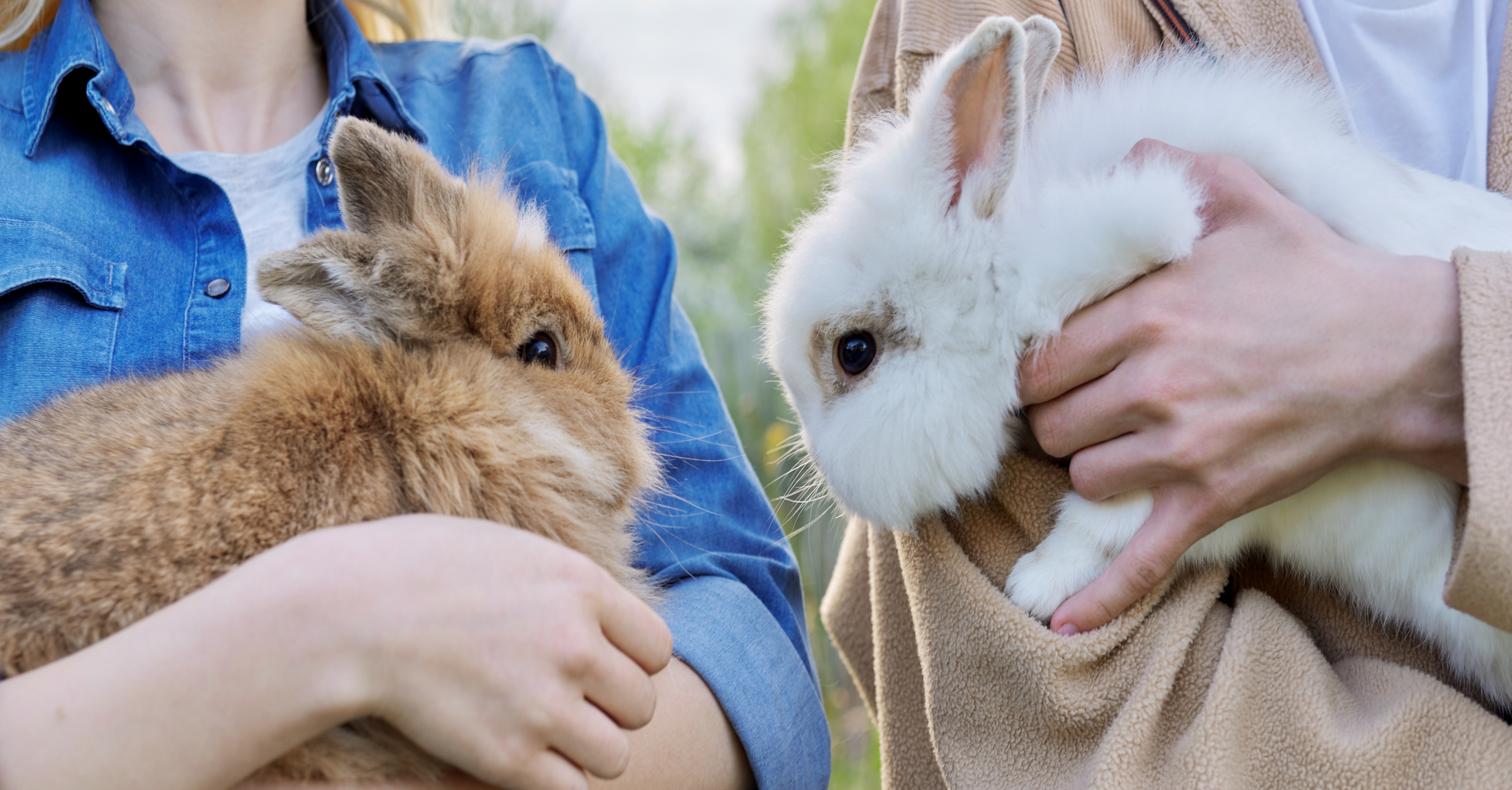
A calm, step-by-step guide to secure holds for rabbits and guinea pigs, with spine support, kick prevention, and handling tips that reduce stress for both of...
Rabbit Cove
Rabbit and Guinea Pig Harnesses: Safe or Risky?
Harnesses can look harmless, but rabbits and guinea pigs have fragile spines and strong panic reflexes. Here’s what can go wrong, when (if ever) they’re appropriate, and safer ways to offer outdoor time.

Chloe Miller
Chloe Miller is a dedicated small-pet enthusiast and experienced foster parent who has spent over a decade caring for rabbits and guinea pigs. Through her hands-on work with local animal rescues, she shares practical, compassionate advice on housing, nutrition, and daily enrichment to help small pets thrive. When she isn't designing custom indoor enclosures, Chloe can be found coaxing shy rescues out of their shells with fresh cilantro.
Published
October 22, 2026
Updated
October 22, 2026
Every spring I see the same thing: tiny harnesses marketed like the missing puzzle piece between “indoor pet” and “adventure buddy.” I get the appeal. Fresh air is enriching, and taking a rabbit or guinea pig outside can feel like giving them a bigger, more natural life.
But rabbits and guinea pigs are prey animals with bodies built for quick escape, not controlled walking on a leash. Their spines are more fragile than most people realize, and their panic response is fast and powerful. That combination is why harnesses can be workable in a narrow set of circumstances and a recipe for injury in many others.
Why leashes can go wrong
Dogs tend to lean into pressure on a leash. Rabbits and guinea pigs tend to explode away from it.
When a prey animal is startled by a sound, a shadow, a dog barking two houses away, or even a plastic bag fluttering, they do not think, “I should walk politely.” They think, “I need to vanish.” That instinct is normal. The problem is what happens when a fast, twisting body meets a tether.
- Rabbits can injure their backs in a split second. A hard kick while the front end is restrained can lead to spinal injury. Even a short “bungee” moment when the leash goes taut can create dangerous force.
- Guinea pigs are prone to stress and can slip or freeze. They are not built for leash-walking and may panic, pancake to the ground, or wriggle out, leading to sudden jerks or frantic flailing.
- Both species can be harmed by ill-fitting pressure and sudden pulling forces. Harnesses that ride up, pinch near the armpits, press on the throat area, or tighten under tension can affect breathing, cause soft tissue strain, or trigger a bigger panic response.
Rabbit harness risks
1) Back injury from a startled lunge
This is the big one. A rabbit’s hind legs are extremely powerful. If they kick out while the leash or harness holds the front half back, the spine can take the load. This is why you will hear rabbit-savvy vets and rescues repeat the same warning: rabbits can break their backs.
Not every harnessed rabbit will be injured, but the risk is there because the mechanism is built into their anatomy and reflexes. You cannot train that out the way you can teach a dog to heel.
2) Escape and bolt risk
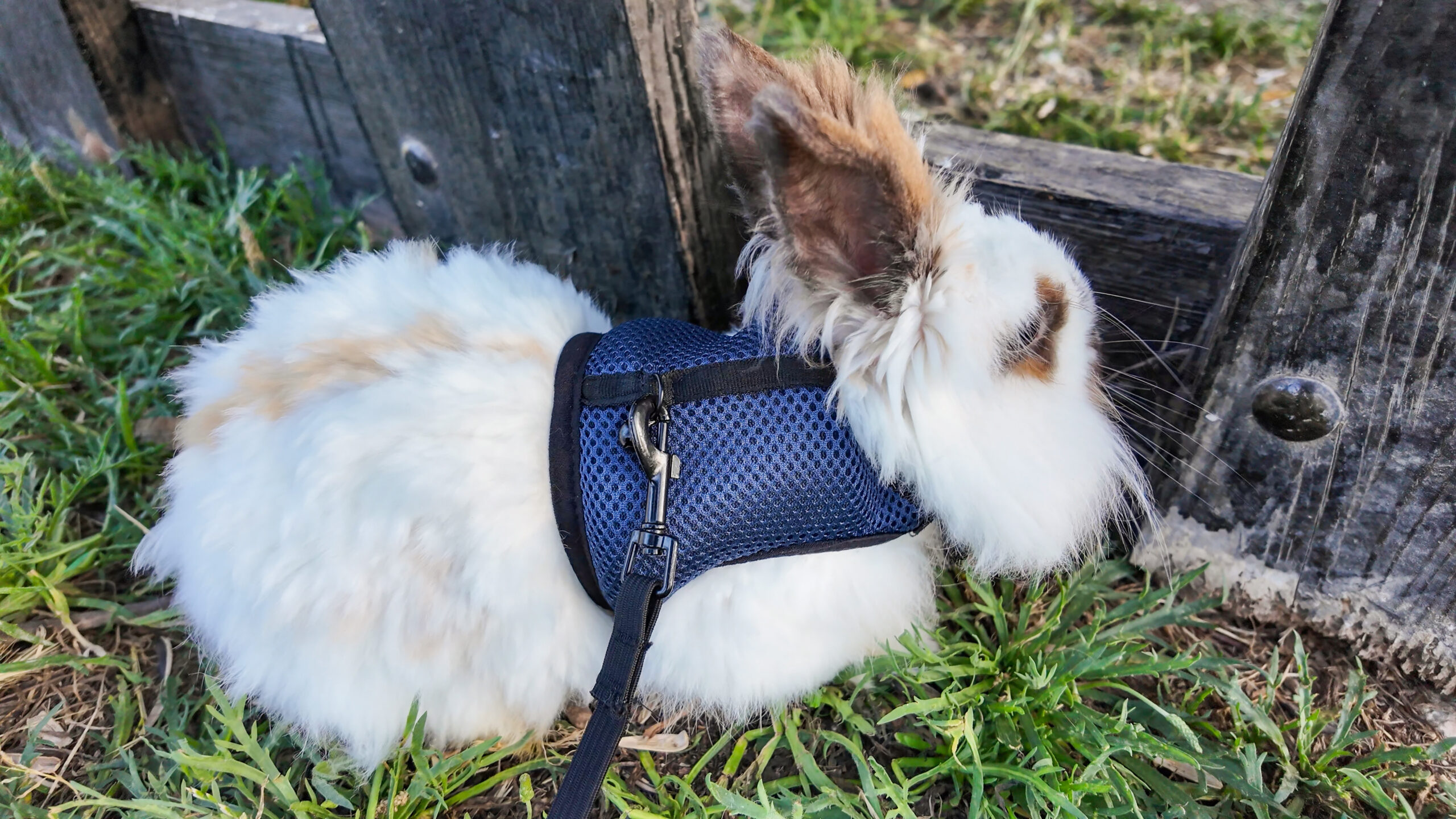
Many commercial harnesses do not fit rabbits well, especially the popular figure-8 and “vest” styles sold for general small pets. Rabbits have a tapered shape, compressible fur, and a talent for backing out of things.
Escaping is not just inconvenient. A rabbit who slips a harness outdoors can bolt under a deck, into a neighbor’s yard, or straight into a predator’s line of sight.
3) Soreness from poor fit
Even when a rabbit does not bolt, pressure often lands in sensitive spots: behind the elbows, across the shoulders, or too close to the throat if the harness shifts. Over time, that can contribute to chafing, soreness, or awkward movement.
Rabbits are subtle about pain. Many will simply freeze or move less, which owners can mistake for “calm.”
Guinea pig harness risks
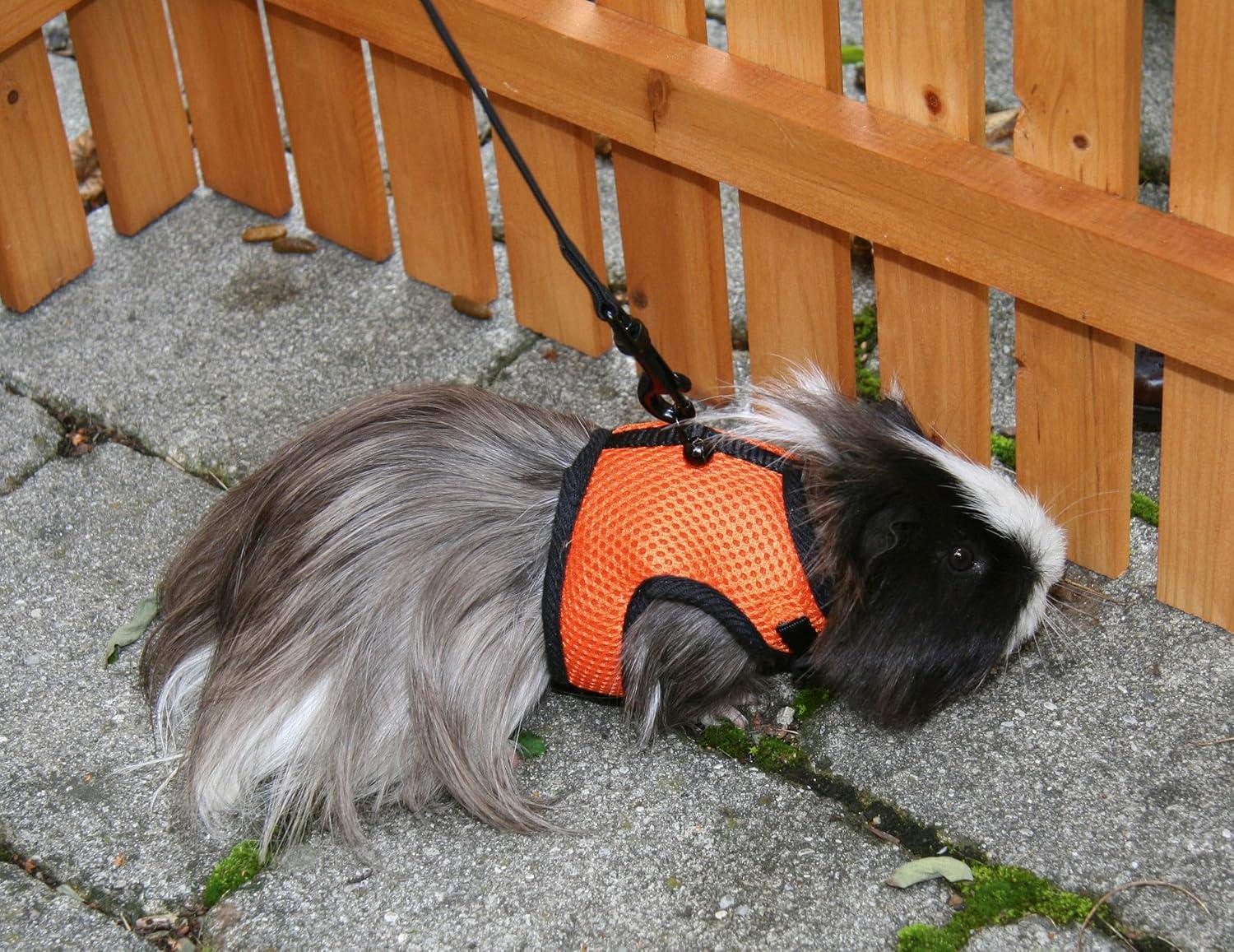
Guinea pigs are often marketed as “easy harness pets,” but many are not good candidates for leash time. Even when they tolerate wearing a harness, leash-led movement is usually stressful and confusing for them.
1) Stress is not minor
Guinea pigs thrive on predictability. Many are genetically wired to treat handling and restraint as predation. A harness can trigger prolonged freezing, frantic wriggling, teeth chattering, or repeated attempts to hide.
Stress matters because it can reduce appetite. For guinea pigs, reduced appetite is not just “they skipped lunch.” It can snowball into gut slowdown and serious illness.
2) Fit problems are common
Guinea pigs have a rounder body and short neck. Many harness designs slide toward the throat area or ride up into the armpits, which can cause rubbing and restrict natural movement.
3) Outdoor hazards add up fast
Even in your own yard, a guinea pig is vulnerable to:
- Hawks and other birds of prey
- Loose dogs or cats
- Fleas, ticks, and biting flies
- Pesticide or fertilizer residues on grass
- Overheating, especially in direct sun
- Toxic plants or mushrooms in the lawn
Public grass areas add another layer of risk because of dog traffic, parasites, and unknown chemical treatments.
Are harnesses ever safe?
“Safe” is a spectrum here. A harness is not automatically cruel or automatically dangerous, but it does add a specific kind of risk, and that risk goes up fast if your pet startles, the fit is off, or the environment is unpredictable.
In rescue work, I think of harnesses as an optional tool for a small minority of animals, not a standard accessory.
Harnesses may be reasonable when:
- Your rabbit is calm, confident, and already comfortable being handled.
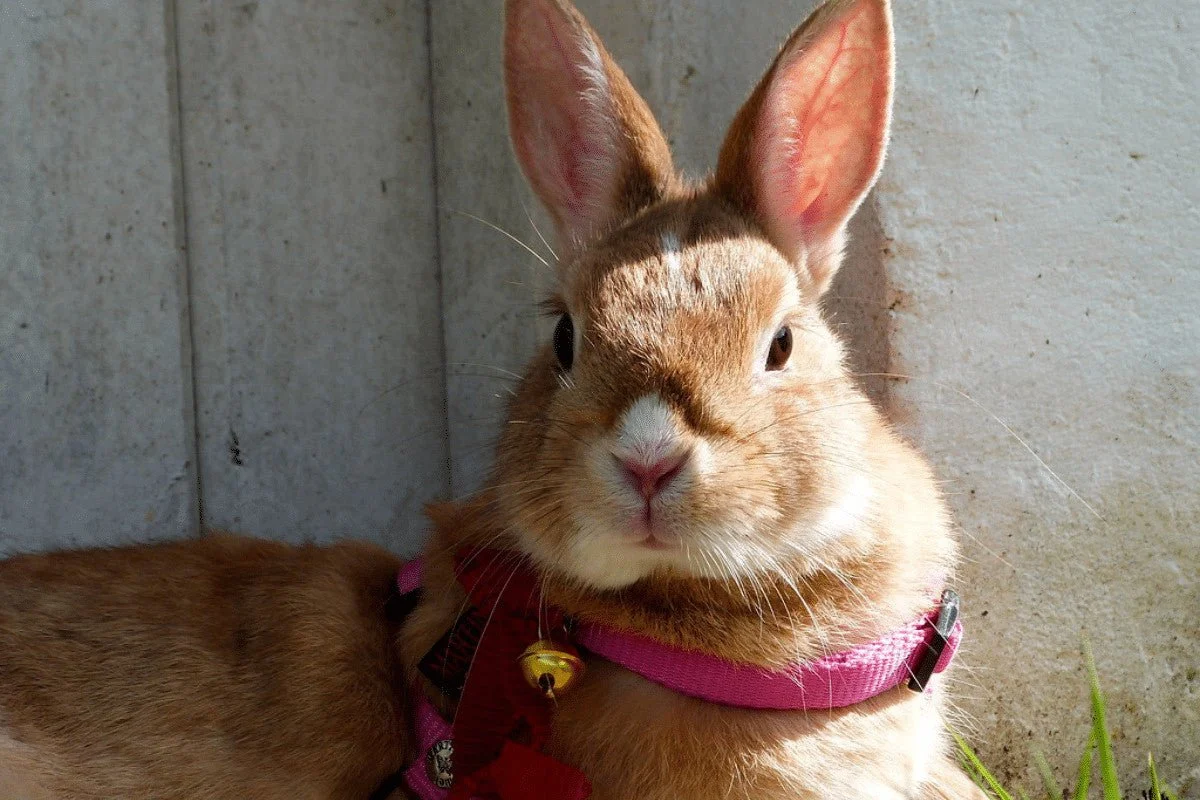
- You can use a rabbit-appropriate harness, typically an H-style that sits correctly at the base of the neck and behind the front legs.
- You are not “walking” them. You are supervising gentle exploring with minimal leash tension.
- The area is quiet and enclosed, with visual barriers where possible.
- You have a second layer of safety, like a secure yard or a pop-up exercise pen, so the leash is backup rather than the only barrier.
I generally do not recommend harnesses when:
- Your rabbit startles easily, kicks when picked up, or bolts during normal household noises.
- Your rabbit has any history of back injury, suspected arthritis, neurological issues, or hind-end weakness.
- Your guinea pig is timid, freezes during handling, has a history of respiratory issues, or is recovering from illness.
- You are relying on the harness to control movement in open spaces.
If you are on the fence, an exotics vet who knows your individual animal can help you weigh the risk, especially if there is any prior injury history.
If you use a harness
If you are going to try a harness, set it up like a low-stakes enrichment session, not a “walk.” Here is the approach I use with confident foster rabbits when adopters insist on outdoor time.
Step 1: Choose the least risky design
- Rabbits: A well-made H-style harness that sits at the base of the neck, not on the throat, and behind the front legs. Avoid anything that tightens when pulled.
- Guinea pigs: If you use one at all, choose a soft, wide harness designed specifically for guinea pigs, and treat it as very short, supervised wearing practice, not leash-led walking.
A quick fit rule: snug enough that you cannot pull it over the head or shoulders, but loose enough to fit two fingers under each strap. Check armpits, chest, and neck base for rubbing immediately after every session.
Step 2: Train indoors first
Put the harness on for seconds, not minutes, and pair it with something your pet loves. For my rabbits, that is usually a tiny herb plate. For guinea pigs, it is a steady supply of hay plus a special veggie.
- Day 1 to 3: on and off, reward, done.
- Day 4 to 7: wear for 1 to 3 minutes, no leash attached, reward, done.
- Week 2: add the leash but keep it dragging loosely while supervised, reward calm behavior.
If your pet freezes, flops sideways, thrashes, or repeatedly tries to back out, that is valuable feedback. Stop and choose another enrichment option.
Step 3: Keep outdoor time calm
A quiet, enclosed area is safer than a busy park. Stay within arm’s reach. Do not let children hold the leash. Do not pick up and carry a harnessed rabbit by the leash.
If your rabbit bolts, do not brace and hold them at the end of the leash. Move with them to keep tension minimal, then gently gather them with your hands once they stop. If you are in a fully enclosed, rabbit-safe area and tension is escalating, it can be safer to avoid a tug-of-war and focus on calmly blocking and scooping once the rabbit pauses.
Safer options than a walk
If what you really want is enrichment, movement, and a change of scenery, there are options that give you the same benefits with a lot less risk.
For rabbits
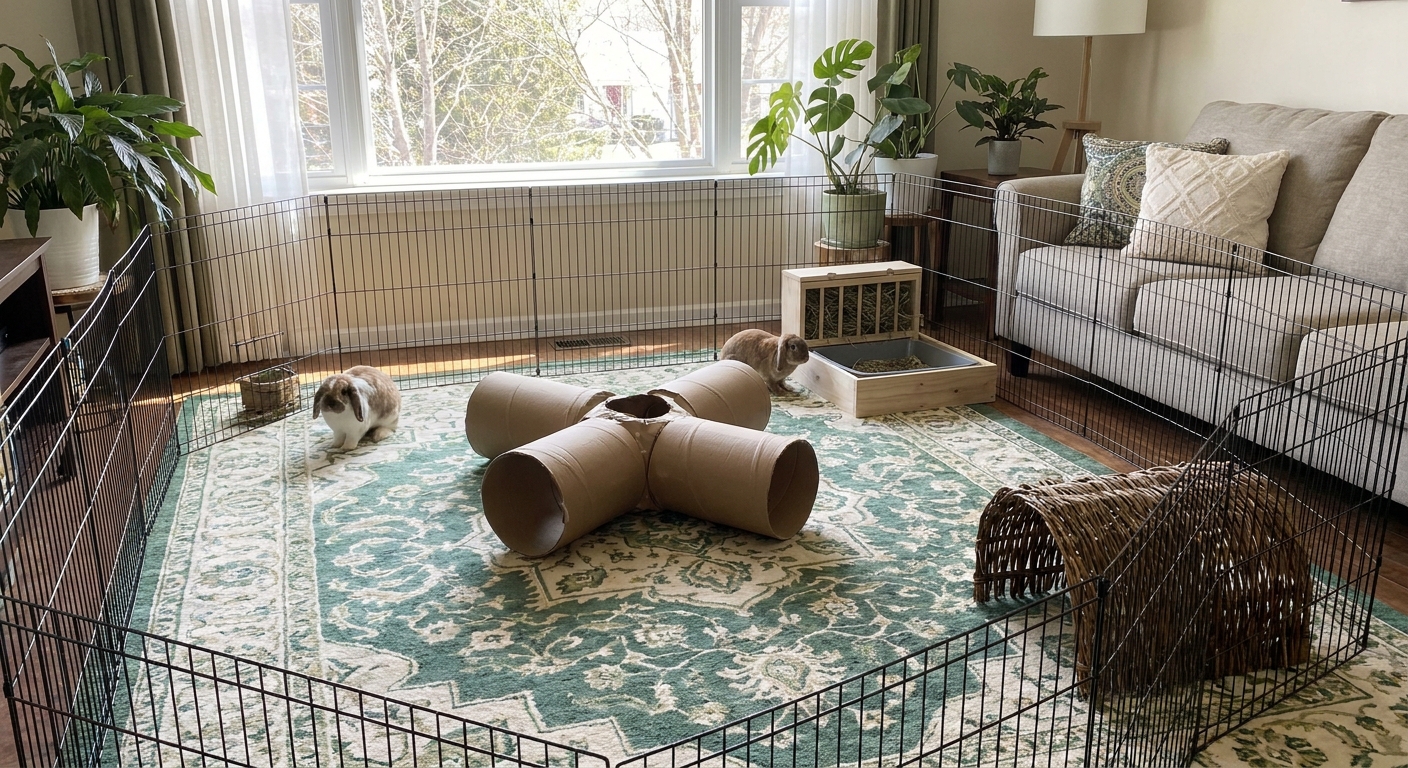
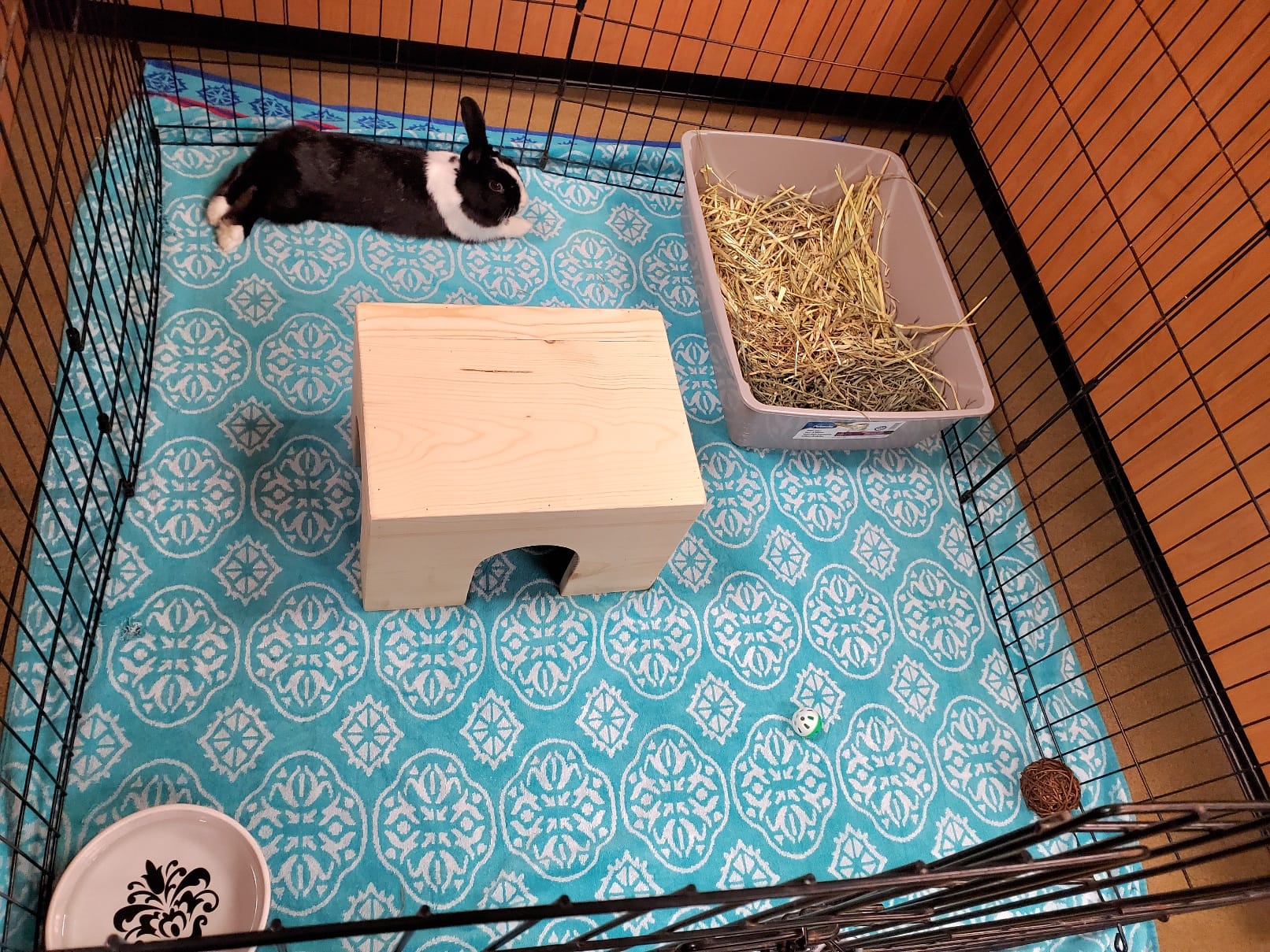
- A secure exercise pen on grass with shade, a hide box, and constant supervision.
- A stroller or carrier outing for sights and smells without the bolt-and-jerk risk.
- Indoor obstacle enrichment like tunnels, cardboard castles, and scatter-feeding in a foraging mat.
- Screened patio time if you can keep temperature and predator access under control.
For guinea pigs
- A predator-resistant playpen with a fleece liner, hideys, and piles of hay.
- Outdoor time inside a secure, covered run that blocks birds and prevents escapes, with shade and a way to retreat.
- Indoor floor time in a pig-safe area with tunnels and multiple hides to build confidence.
If you do outdoor time with guinea pigs, think “protected picnic” rather than “walk.” They want to graze, hide, and shuffle between safe spots. That is normal guinea pig joy.
Red flags to stop
- Sudden panic lunges, flipping, or repeated twisting
- Heavy breathing, open-mouth breathing, or blue-tinged gums
- Limping, reluctance to move, or hunched posture afterward
- Vocalizing in distress, especially unusual for rabbits
- Refusing food, a significant drop in appetite, or fewer or no droppings in the hours after a session
If you ever suspect a back injury in a rabbit, treat it as urgent and contact an exotics vet right away. Keep the rabbit as still as possible during transport.
My take as a foster
Harnesses are not inherently evil, but they are often sold as if rabbits and guinea pigs are tiny cats or tiny dogs. They are neither. Their bodies and instincts demand a different approach.
If you have a confident rabbit, a well-fitting H-style harness, and a calm, controlled environment, harness time can be a manageable risk. For many rabbits and most guinea pigs, though, you will get better welfare outcomes from secure pens, covered outdoor setups, and enrichment that lets them feel in control.
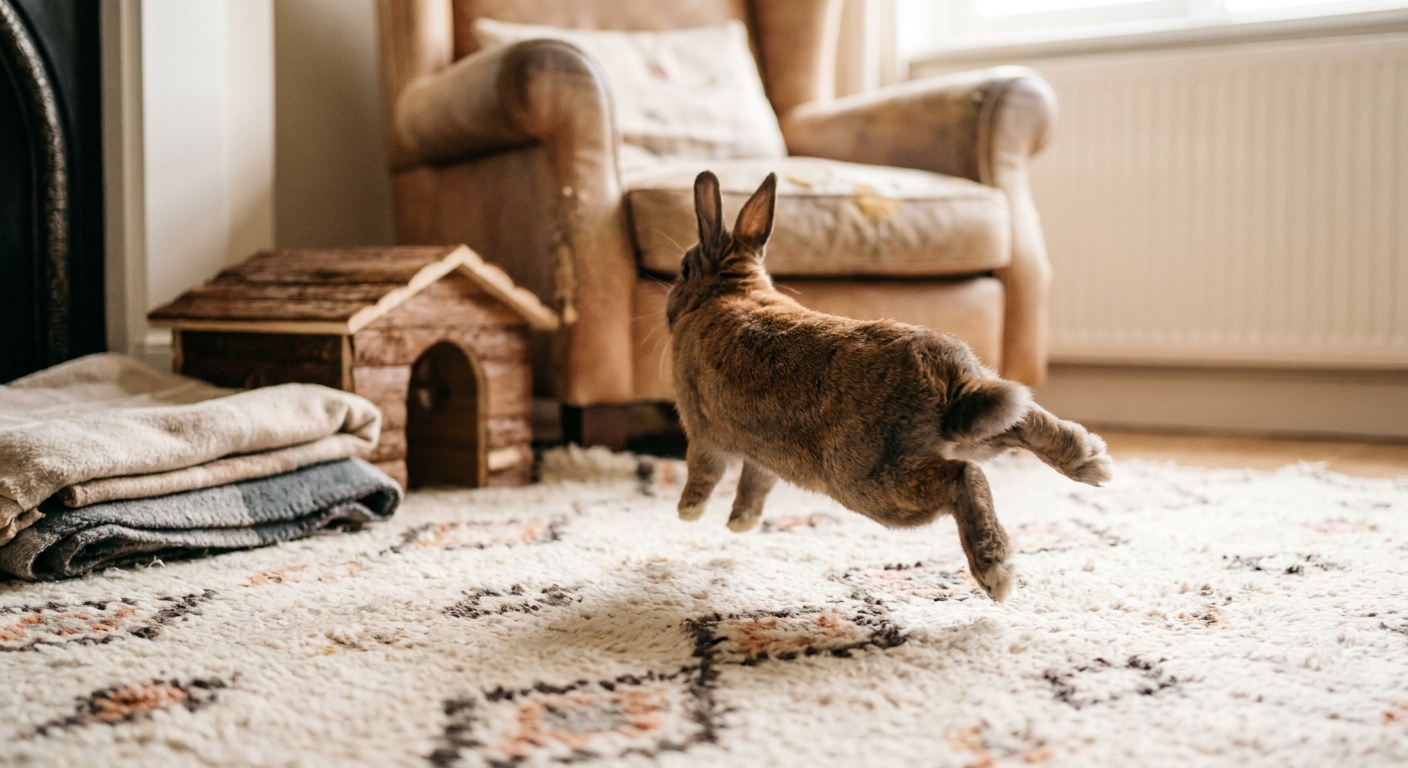
The goal is not a cute walk. The goal is a pet who feels safe enough to explore, munch, and do their odd little prey-animal happy dance without fear.
Quick FAQ
Can a rabbit wear a harness safely?
Sometimes, but it is never risk-free. The largest risk is a startled lunge that can put force on the spine. If you try one, use an H-style harness, train slowly indoors, and keep outdoor sessions calm and enclosed.
Are vest harnesses safer for rabbits?
Not automatically. Some vest designs restrict shoulder movement, shift during hopping, or create a false sense of security about escapes. Fit and how your rabbit responds matter more than the word “vest.”
Should guinea pigs be walked on a leash?
I do not recommend leash-walking guinea pigs. If you use a harness at all, consider it for brief supervised wearing practice, not for leading them around. A covered playpen outdoors is usually a safer way to offer fresh air.
What is the safest way to offer outdoor time?
A secure, covered exercise pen or run with shade and hides, with you sitting right there. Think supervised grazing and exploring, not distance walking.