Take the guesswork out of mealtime with an easy daily schedule for hay, leafy greens, and pellets, tailored for adult rabbits and guinea pigs.
Rabbit Cove
Safe Weight Loss for Overweight Rabbits and Guinea Pigs
Help your rabbit or guinea pig slim down safely with smart portion control, hay-first nutrition, better pellets, and low-calorie enrichment. No crash diets, just steady results.

Chloe Miller
Chloe Miller is a dedicated small-pet enthusiast and experienced foster parent who has spent over a decade caring for rabbits and guinea pigs. Through her hands-on work with local animal rescues, she shares practical, compassionate advice on housing, nutrition, and daily enrichment to help small pets thrive. When she isn't designing custom indoor enclosures, Chloe can be found coaxing shy rescues out of their shells with fresh cilantro.
Published
October 22, 2026
Updated
October 22, 2026
If your rabbit or guinea pig is looking a little more like a furry ottoman than a sleek little athlete, you are not alone. I see “pleasantly plump” pigs and bunnies in rescue all the time, usually because someone loved them enthusiastically with extra pellets and treats.
The good news: safe weight loss is absolutely doable. The important part is slow and steady, because these little herbivores have digestive systems that do not tolerate sudden changes and can slide into serious gut trouble. Your goal is not a dramatic drop on the scale. Your goal is a healthier body shape, better mobility, and a gut that keeps moving reliably.
First, make sure it is actually weight
Before you cut food, do a quick reality check. Some rabbits have a fluffy coat that makes them look bigger. Some guinea pigs have a naturally round, compact build. What we care about is body condition.
Quick at-home body check
- Ribs: You should be able to feel ribs with gentle pressure, like feeling the ridges of a coin through a thin cloth. If you have to press hard to find ribs, there is likely excess fat.
- Spine and hips: You should be able to feel the spine and hip bones without them being sharp. If everything feels padded and smooth, weight is often creeping up.
- Dewlap (rabbits): Some does have a normal dewlap, but a very large, heavy dewlap plus difficulty grooming can signal excess weight.
- Walking and grooming: If your pet waddles, tires quickly, or struggles to reach their bottom for cleaning, that is a big red flag.
Tip: do this when your pet is relaxed, and use light, flat-finger pressure. You are “feeling,” not squeezing.
If your rabbit or guinea pig is suddenly gaining weight, seems bloated, or you are seeing poop changes, schedule a vet visit before starting a weight-loss plan. Pain, arthritis, dental problems, and other issues can reduce activity and change eating patterns. For guinea pigs, ovarian cysts are fairly common in adult females and can also affect comfort and behavior.
How fast should weight loss happen?
Slow weight loss is safest. Many vets aim for something like about 0.5 to 1% of body weight per week in otherwise healthy pets, but some animals need a slower target, especially smaller guinea pigs, older pets, and anyone with other medical issues. Your exotics vet can help you pick a goal based on your pet’s size, age, and history.
Two important cautions:
- No fasting. Rabbits and guinea pigs need constant gut movement. Skipping meals or dramatically slashing food can trigger dangerous digestive slowdown. In rabbits, that can progress to GI stasis, which is an emergency.
- No sudden diet overhauls. If you change pellets, vegetables, or hay type, do it gradually over 7 to 14 days.
The foundation: unlimited hay
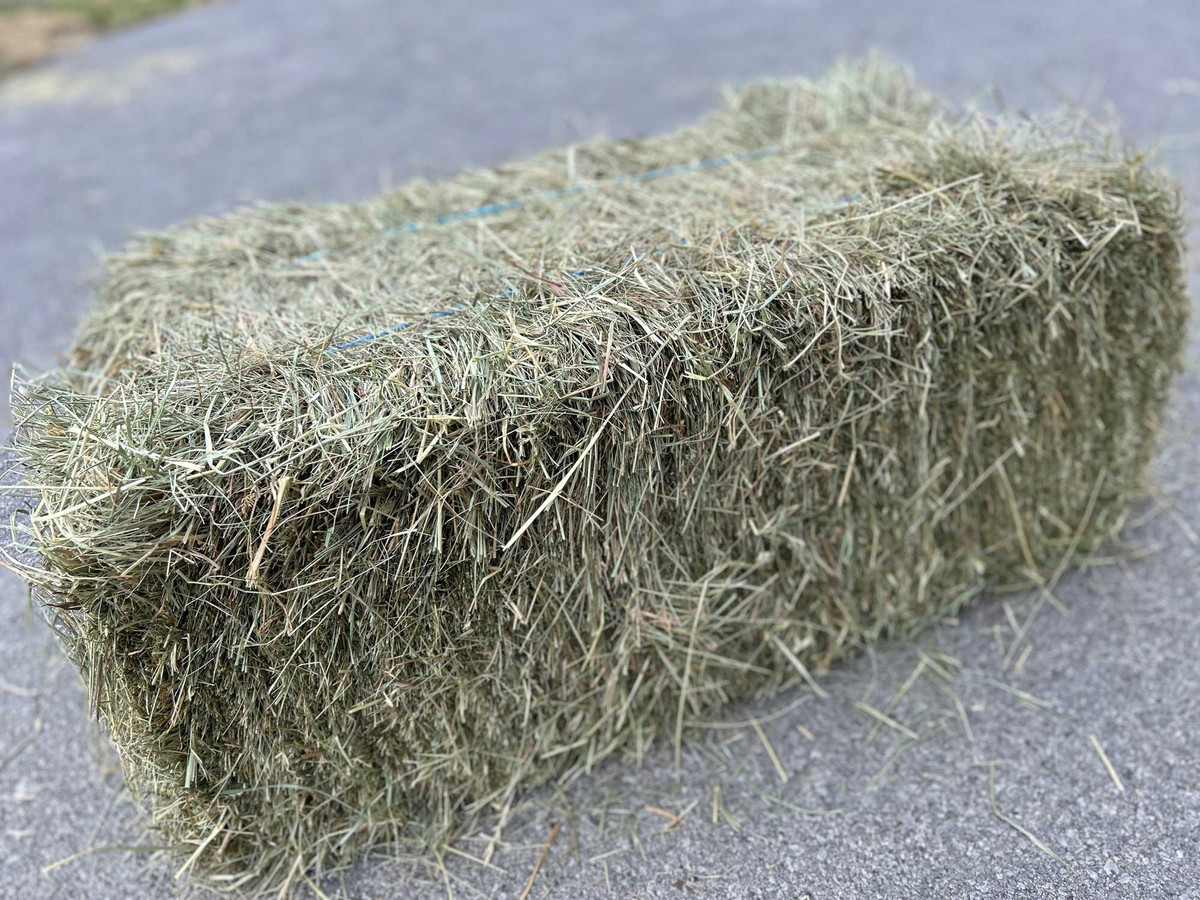
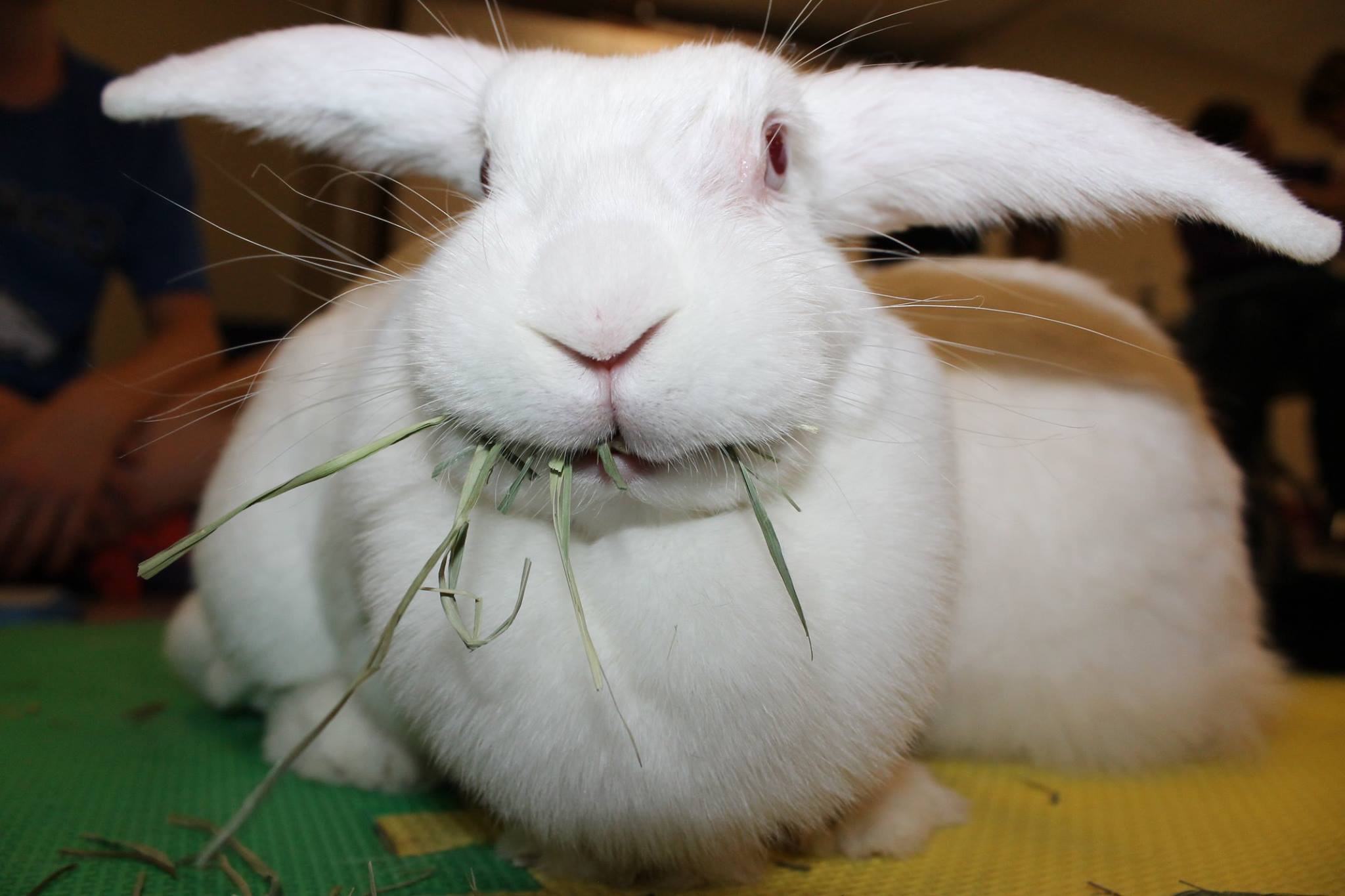
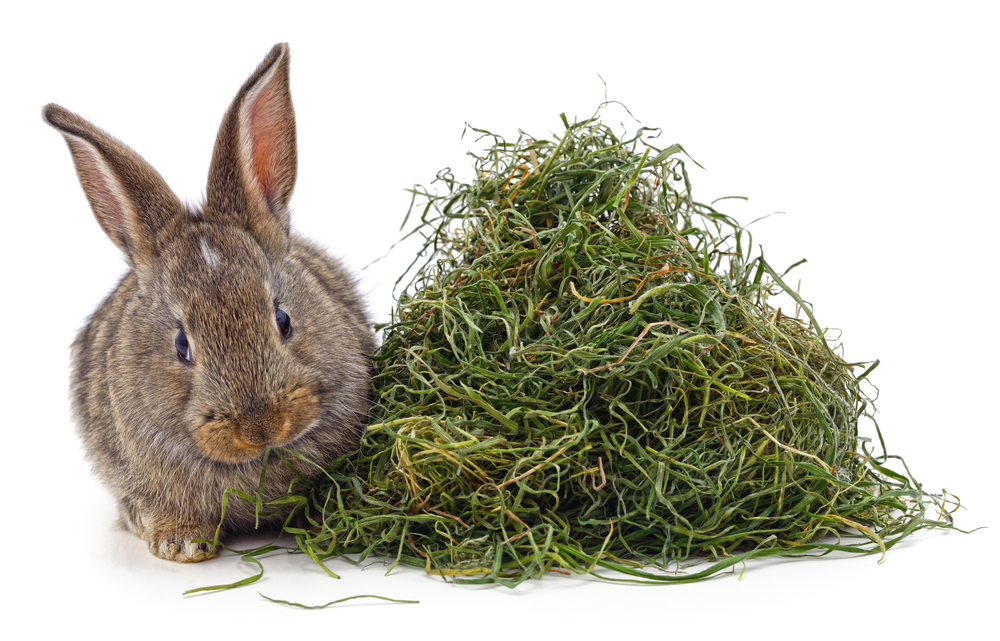
If I could put one sentence on a billboard for rabbit and guinea pig health, it would be: Hay is the diet. Weight loss should never mean less hay.
Why hay helps weight loss
- High fiber supports healthy gut motility.
- Long chewing time helps satisfy “foraging brain” without a lot of calories.
- Constant chewing supports dental wear.
Hay tips that actually work
- Offer more than one hay option (for example, timothy plus orchard grass) to increase interest.
- Refresh often. Many pets ignore “stale” hay that has been sitting and slept on for hours.
- Make hay the activity. Stuff it in paper bags, hay racks, cardboard tubes, and large piles to encourage movement.
Portion control: pellets and concentrates
Pellets are the easiest place to accidentally overfeed, especially with guinea pigs. Most weight-loss plans come down to: keep hay unlimited, tighten pellet portions, and use veggies strategically.
Rabbits: pellets are often the culprit
Adult rabbits (especially indoor, less active rabbits) usually do best with a measured amount of plain, timothy-based pellets, not a constantly full bowl.
- Choose: Plain, uniform pellets with high fiber (often around 20% or higher) and no seeds, dried fruit, or colorful bits.
- Reduce slowly: If your rabbit is currently free-fed pellets, step down over 2 to 3 weeks.
- Typical range: Many healthy adults do well around 1/8 to 1/4 cup per 5 pounds of body weight daily, but this varies by pellet calorie density, breed, age, and activity. Use your pellet’s feeding guide as a starting point and confirm the plan with your vet, especially for weight loss.
Guinea pigs: pellets matter, but so does the dose
Guinea pigs rely on a steady diet of hay, vitamin C–rich vegetables, and a measured portion of fortified pellets.
- Choose: A plain timothy-based guinea pig pellet (adult pigs), fortified with vitamin C, and no seeds or sugary additions.
- Typical starting point: Many adult guinea pigs do well with about 1/8 cup per pig per day. Some do better closer to 1/4 cup depending on the pellet and body condition. For overweight pigs, reductions should be modest and gradual.
- Freshness and storage: Replace uneaten pellets daily so the bowl stays clean and appetizing. For vitamin C potency, focus on buying smaller bags, checking best-by or manufacture dates when available, and storing pellets in a cool, dry, airtight container. Even then, do not rely on pellets as the only vitamin C source.
Important: Guinea pigs should never be put on a harsh calorie cut. If your pig loses weight quickly, eats less, or has smaller poops, call your vet. Guinea pigs can go downhill fast when appetite drops, and “wait and see” is not a great plan.
Vegetables: volume and choices
Veggies are wonderful, but they can quietly become a buffet if portions creep up or if you rely on sweeter options.
Lower-calorie, high-fiber choices
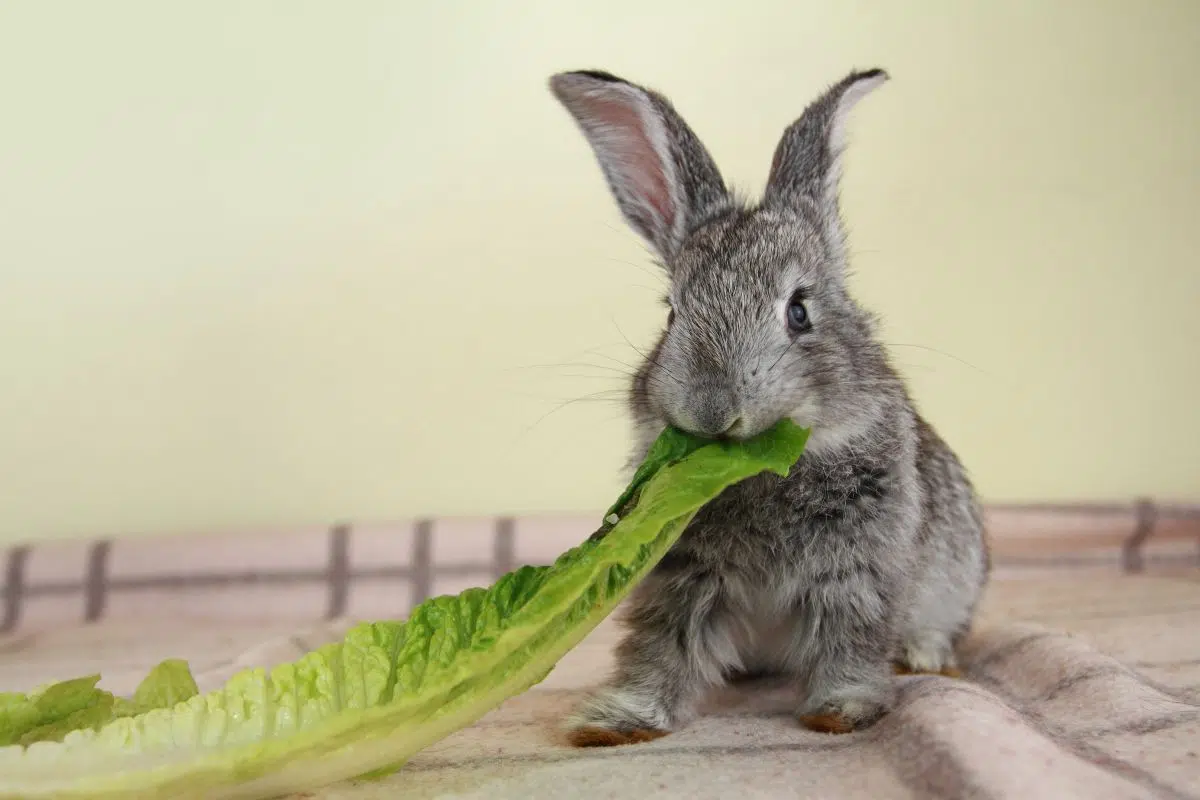
- Romaine (in rotation, not the only green)
- Cilantro, parsley (parsley in smaller amounts)
- Endive, escarole
- Green leaf lettuce
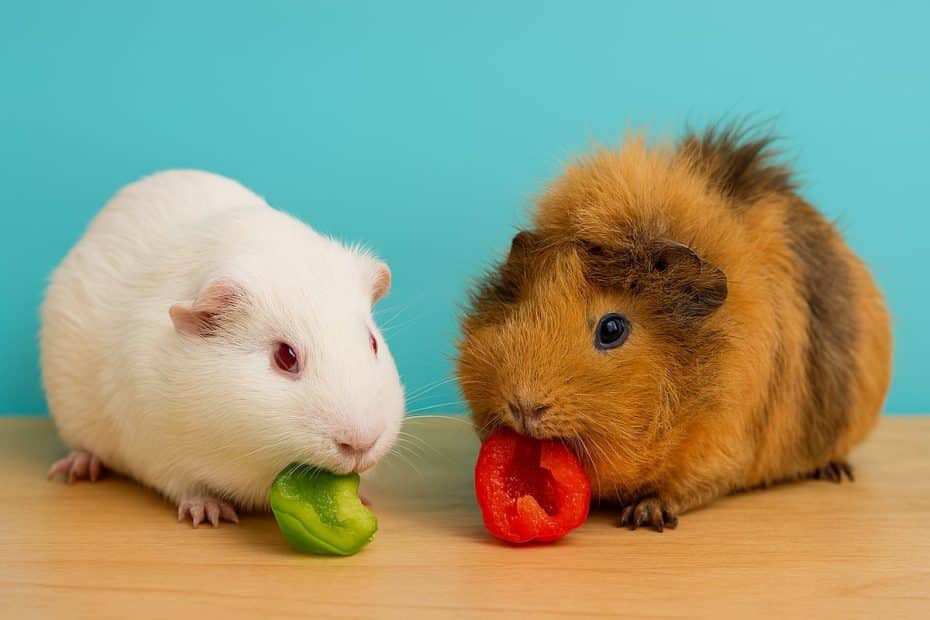
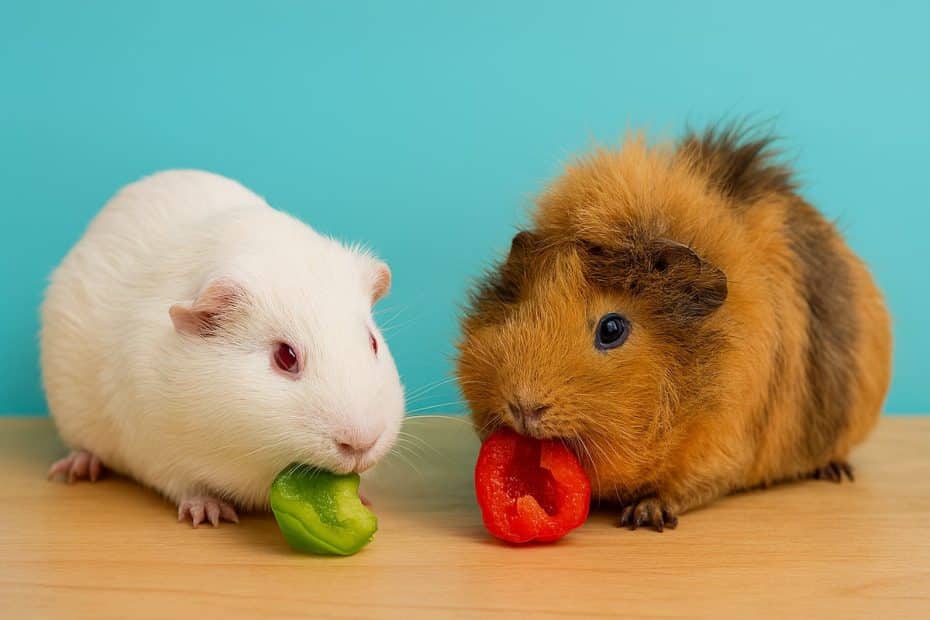
- Bell pepper (especially great for guinea pigs because of vitamin C)
- Small amounts of cucumber or zucchini for hydration and crunch
Go easy on these during weight loss
- Fruit: Treat-only, and for many chunky pets I pause fruit entirely for a few weeks.
- Carrots: Fine as a treat, not a salad base.
- Very sugary “treat” products: Yogurt drops, honey sticks, seed bars, dried fruit mixes. These are not appropriate staples for rabbits or guinea pigs.
When in doubt, think like a forager: leafy greens and fibrous plants, not sweet snacks.
Stop the treat trap
Many overweight small pets are not overeating because they are greedy. They are overeating because humans are generous and herbivores are convincing.
Swap treats for better rewards
- Use herbs as treats: A sprig of cilantro or dill feels special without being calorie-dense.
- Hand-feed part of the daily pellet ration: It keeps bonding time but removes extra calories.
- Make treats tiny: If you offer a baby carrot slice, make it a slice, not the whole carrot.
- Feed on a schedule: Pets learn routines quickly. A predictable salad time reduces “constant begging” behavior.
If multiple family members feed the pet, post a simple feeding checklist on the enclosure. I have seen weight-loss plans fail because three people were each giving “just a little extra.”
Movement: encourage it
Exercise helps with weight loss, muscle tone, and joint comfort. The trick is to make movement feel like a game, not a workout.
For rabbits
- Increase safe space: A bigger pen or bunny-proofed room encourages natural exploration.
- Scatter-feed pellets: Toss the measured portion across a rug or in a snuffle mat made for small pets so they have to “forage.”
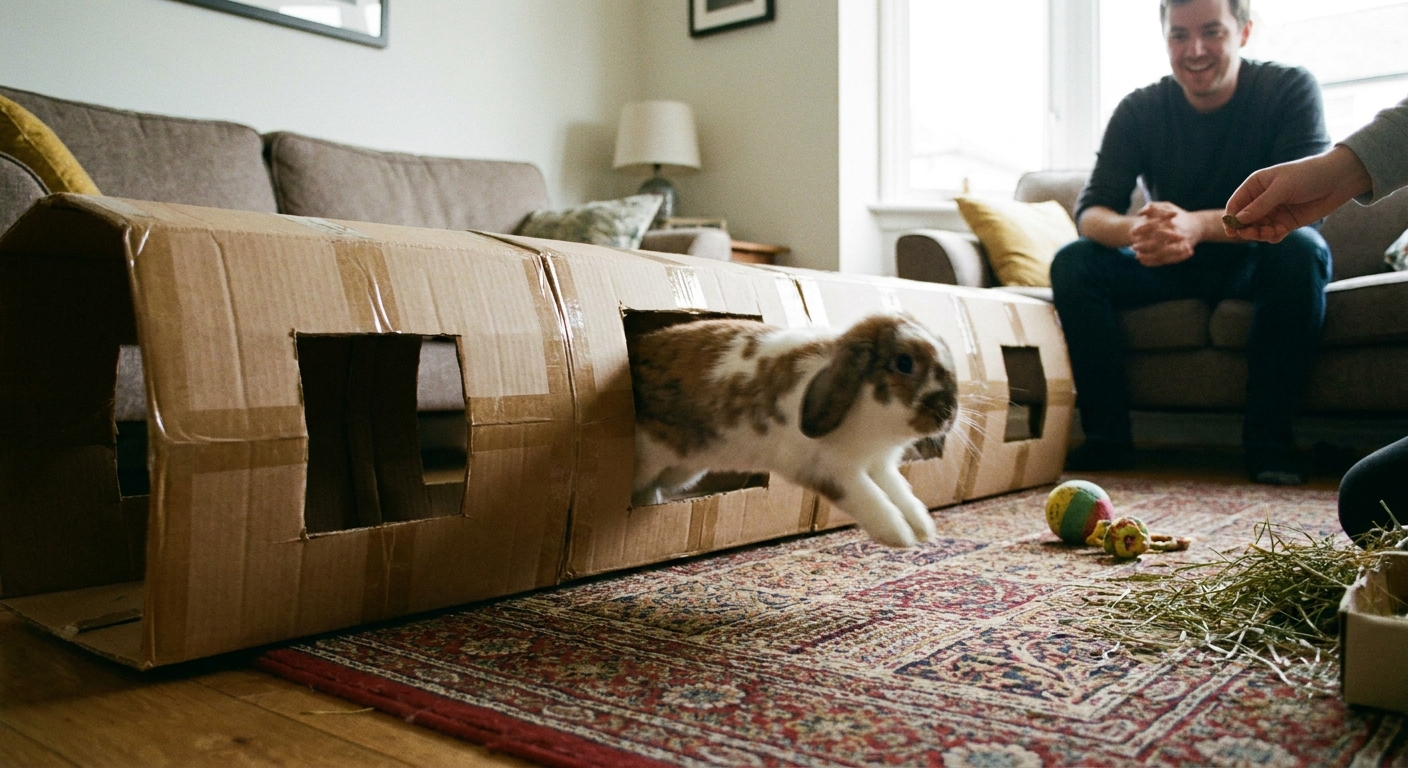
- Create loops: Cardboard boxes with doors cut out, tunnels, and low platforms encourage hopping and curiosity.
- Short play sessions: Two or three 15-minute sessions can be easier on joints than one long marathon.
For guinea pigs
- Upgrade enclosure size: Many pigs become more active simply by having room to trot. C&C setups are fantastic for this.
- Floor time with traction: Use a blanket or rug so they feel secure and can grip. Slipping makes pigs freeze.
- Spread out hay and hides: Place hay piles and hideys at opposite ends so they naturally walk between them.
A simple step-by-step plan
- Book a vet check if weight gain is sudden, mobility is limited, appetite has changed, or your pet is older. Rule out pain and dental issues.
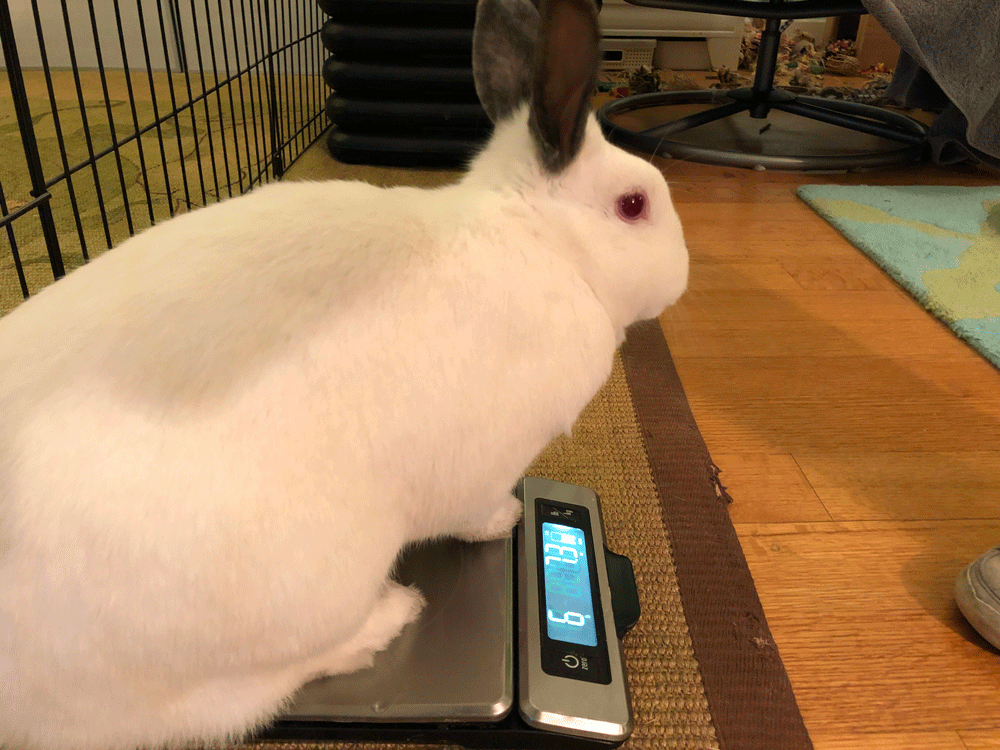
- Weigh weekly at the same time of day. Use a kitchen scale for guinea pigs and a baby scale or luggage scale setup for rabbits.
- Lock in unlimited hay and improve hay freshness and variety.
- Measure pellets with an actual measuring spoon or cup, then reduce gradually if needed.
- Clean up treats by switching to herbs and using the daily pellet ration for rewards.
- Adjust veggies toward leafy, fibrous options and away from sugary choices.
- Add movement through space upgrades and foraging games.
- Reassess every 3 to 4 weeks and make only small changes at a time.
What not to do
- Do not put your rabbit or guinea pig on a “no food” diet. Even short fasting can be dangerous.
- Do not switch to a grain-free seed mix. Seed mixes encourage selective eating and add fat and calories.
- Do not rely on exercise wheels or balls. They are unsafe for rabbits and guinea pigs and can injure backs and feet.
- Do not cut hay. If anything, hay should become more available and more appealing.
- Do not chase or stress them into moving. Stress can reduce appetite and disrupt digestion.
Special situations
Older pets and arthritis
Extra weight is especially hard on joints. If your pet is stiff or reluctant to move, talk to your exotics vet about pain control. Once pain is managed, many rabbits and guinea pigs become more active naturally, which makes weight loss much easier.
Bonded pairs with one chunky pet
This is common. The solution is usually controlled pellet feeding and multiple feeding stations.
- Hand-feed the overweight one their measured pellets.
- Feed the slimmer companion separately for a few minutes so they are not losing out.
- Scatter greens over a wide area so both can graze without one guarding the whole salad.
Guinea pigs and vitamin C
When you reduce pellets a bit, be extra mindful about vitamin C. Bell pepper is my go-to daily staple for most pigs. Your vet can advise whether a supplement is appropriate for your individual pig, especially if they are picky or have ongoing health issues.
When to call the vet now
Weight loss should never come with scary symptoms. Contact your exotics vet promptly if you notice:
- Refusing food or eating much less than usual
- Smaller, fewer, misshapen, or no droppings
- Lethargy, hunched posture, or signs of pain
- Drooling, wet chin, or difficulty chewing (possible dental pain)
- Rapid weight loss over a short period
- Messy bottom, urine scald, or inability to groom
If you have a guinea pig who is not eating normally, treat it as urgent. They do not have much “wiggle room” when intake drops.
FAQ
Should I use alfalfa hay for underweight pets and avoid it for overweight pets?
Generally, yes. Alfalfa is richer in calories and calcium and is typically best for young, growing animals, pregnant or nursing moms, or truly underweight pets under veterinary guidance. Most overweight adult rabbits and guinea pigs do better with grass hays like timothy, orchard, meadow, or botanical blends.
Is it okay if my rabbit begs constantly after I reduce pellets?
Begging is common at first. Increase enrichment, scatter-feed the measured pellets, and make hay more exciting and accessible. Most rabbits adjust once the new routine becomes predictable.
My guinea pig is fat, but always acts hungry. What gives?
Guinea pigs are professional snack negotiators. Make sure hay is unlimited, pellets are measured, and veggies focus on leafy greens and bell pepper rather than fruit. If hunger seems frantic or new, a vet check is wise to rule out underlying issues.
How long does it take to see results?
Usually you will notice small changes within 4 to 8 weeks, especially in mobility and body feel. Significant weight loss can take a few months. That is normal and safer than rushing it.