What to clean with (and what to skip) for rabbit and guinea pig habitats: gentle commercial options, DIY vinegar recipes, and how to use enzyme cleaners safely.
Rabbit Cove
Ceramic, Metal, or Plastic? Tip-Resistant Pellet Bowls
A practical breakdown of ceramic, stainless steel, and plastic pellet bowls for rabbits and guinea pigs, plus tip-resistant designs that reduce spills and bacterial buildup.

Chloe Miller
Chloe Miller is a dedicated small-pet enthusiast and experienced foster parent who has spent over a decade caring for rabbits and guinea pigs. Through her hands-on work with local animal rescues, she shares practical, compassionate advice on housing, nutrition, and daily enrichment to help small pets thrive. When she isn't designing custom indoor enclosures, Chloe can be found coaxing shy rescues out of their shells with fresh cilantro.
Published
October 22, 2026
Updated
October 22, 2026
If you have ever watched a rabbit hook a bowl with one confident paw or a guinea pig bulldoze pellets into the bedding like it is their job, you already know the truth: the “best” pellet bowl is the one that stays put, stays clean, and is easy to sanitize. Material matters, but shape, weight, and placement matter just as much.
This guide walks through ceramic, metal, and plastic bowls with a focus on tip resistance, mess control, and hygiene for rabbits and guinea pigs. I will also point out the design details that make the difference between “cute” and “actually useful.”
What makes a bowl tip-resistant
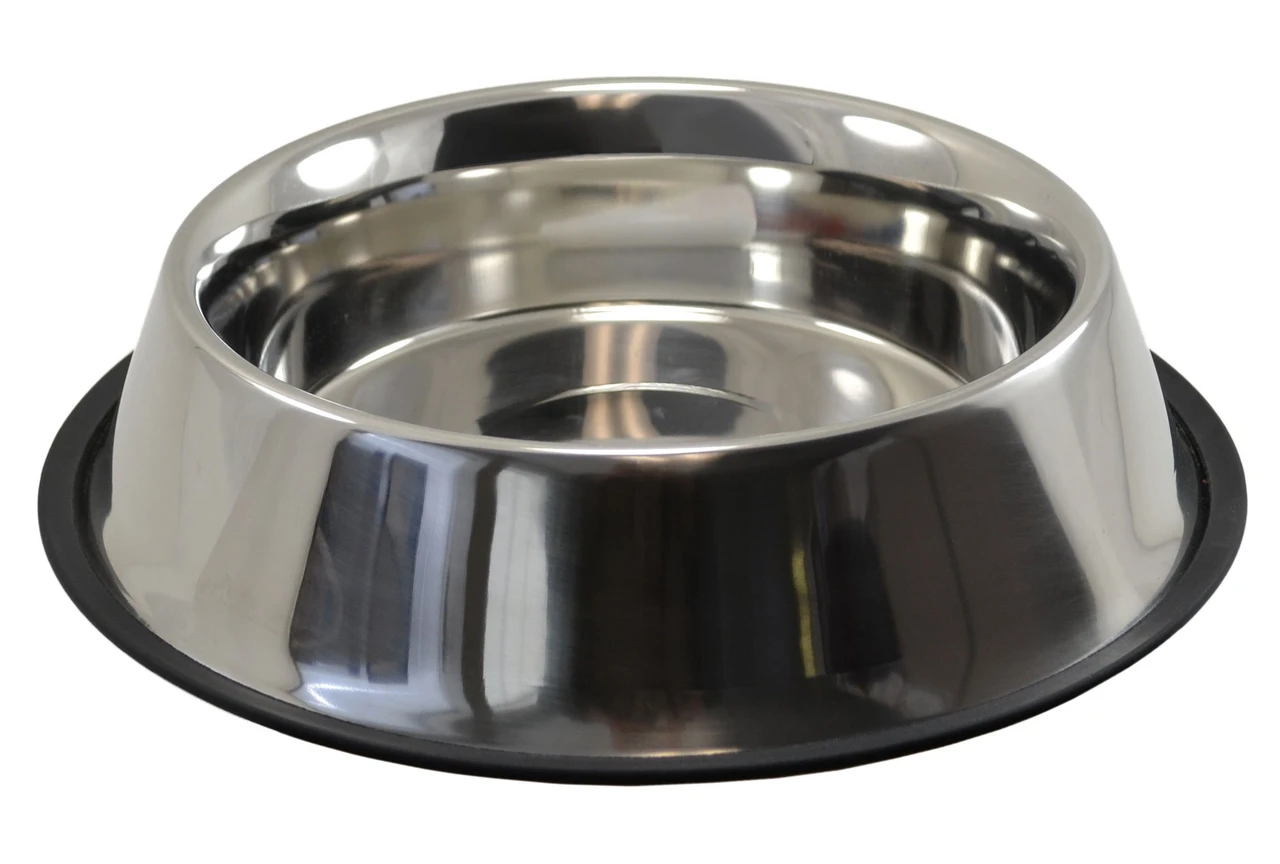
“Tip-proof” is what we all want, but in real life you are usually shopping for tip-resistant. Weight helps, but it is only one part of the equation. Many rabbits can flip bowls that look plenty heavy if they can get leverage under the rim.
Tip resistance checklist
- Low center of gravity: Wide base, low profile, and gently sloped sides tend to outperform tall bowls.
- Weight where it counts: A heavier base and thicker bottom reduce sliding and flipping.
- Rim design: A thick, rounded rim is harder for teeth and paws to hook under than a thin lip.
- Non-skid features: A silicone ring, rubber base, or textured underside reduces “bowling ball” slides across fleece.
- Stable placement: Corner placement, a bowl that nests into a holder, or a recessed feeding station can prevent tipping even with lighter materials.
- Right size: Oversized bowls invite climbing. Too small invites digging. Aim for a bowl that holds one measured serving plus a little breathing room.
For guinea pigs, sliding is usually the bigger issue. For rabbits, flipping and tossing is the Olympic sport.
Ceramic bowls
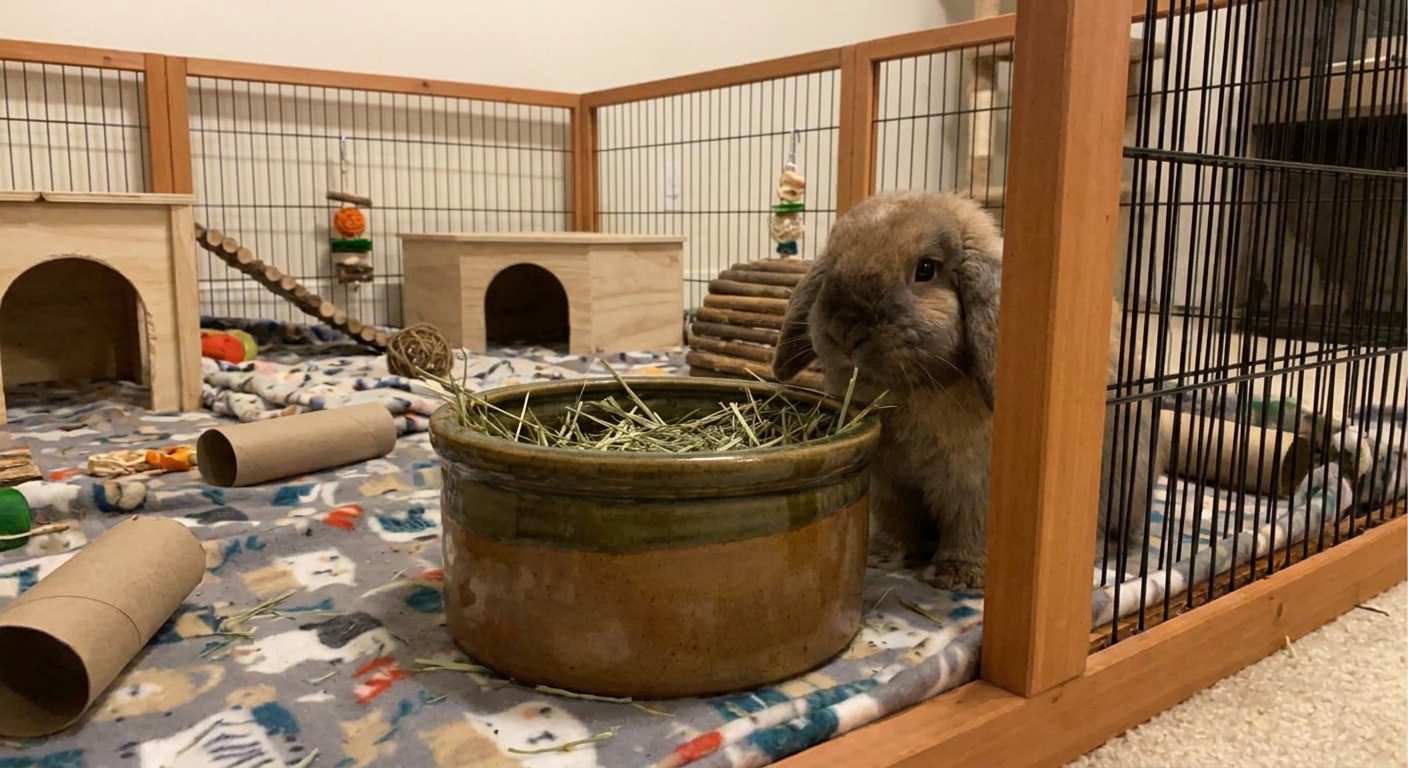
Ceramic is the classic choice for small herbivores, and for good reason. It is heavy, stable, and easy to keep sanitary when glazed properly.
Pros
- Excellent stability: Weight and a wide footprint make most ceramic bowls naturally hard to tip.
- Great hygiene when glazed: A smooth, non-porous glaze cleans well and does not hold odors.
- Chew-resistant: Rabbits cannot shred it like plastic. If they do manage to chip it, you will notice.
- Often dishwasher safe: Many fully glazed ceramics tolerate hot wash cycles well, but check the manufacturer’s care guidance.
Cons
- Breakable: Drop it once on tile and you might be shopping again.
- Chips can be dangerous: If the rim chips, that sharp edge is unsafe. Retire it immediately.
- Some ceramics are porous if unglazed: Unglazed earthenware and terracotta-style finishes can absorb moisture and odor, and they are harder to disinfect reliably.
What to look for
- Fully glazed interior and rim: Especially on the lip where saliva and pellet dust build up.
- Short, wide crocks: Low sides discourage climbing and give less leverage for flipping.
- Thick base: If you tap the bottom and it feels substantial, that is a good sign.
Simple size guide
- Adult rabbit: About 5 to 7 inches wide, 1.5 to 2.5 inches deep.
- Guinea pig: About 3.5 to 5 inches wide, 1 to 2 inches deep.
- Goal: When you pour in the measured pellets, you want a little open space so they can eat without shoveling.
My take for Rabbit Cove: For most rabbits and many guinea pigs, a heavy, fully glazed ceramic crock is the easiest “set it up and it usually stays put” option. Just check for chips during your weekly deep clean.
Stainless steel and metals
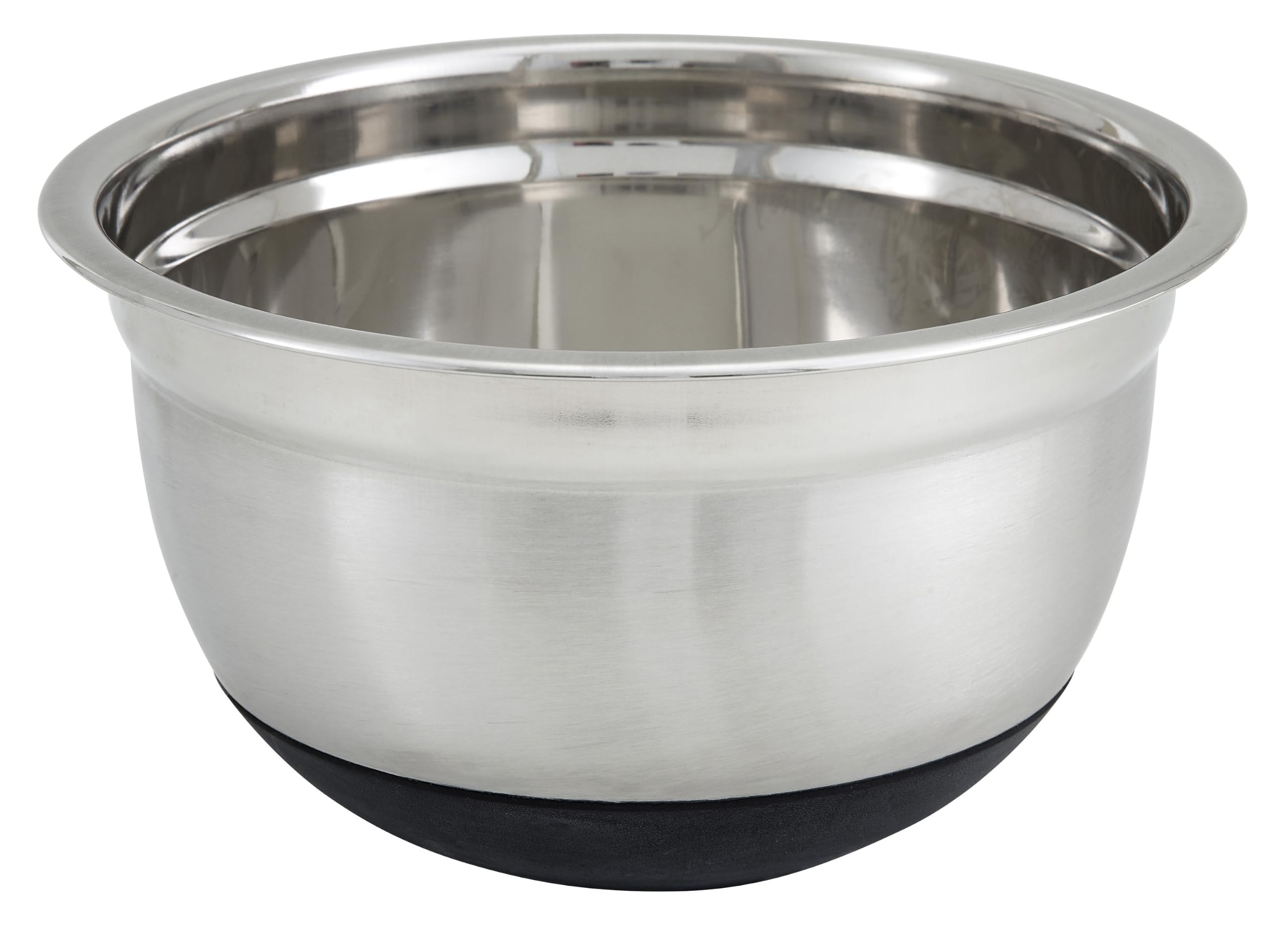
Stainless steel is a hygiene superstar, and it is very hard to ruin with normal use. The common complaint is that many metal bowls are too light and too easy to skid around unless they have a non-slip base or sit in a holder.
Pros
- Excellent sanitation: Non-porous, easy to scrub, and typically dishwasher safe.
- Durable: Does not chip like ceramic or crack like some plastics.
- Lightweight for you: Easy to handle for daily washing, especially if you rotate bowls.
Cons
- Can slide: On fleece, linoleum, or smooth trays, many metal bowls become hockey pucks.
- Can be flipped if too light: Some rabbits learn the rim-grab trick.
- Surface wear happens: Normal scuffs are usually just cosmetic, but rare deep gouges can hold residue if cleaning is rushed.
What to look for
- Rubber or silicone base ring: This is often the difference between “constant chasing” and “stays put.” If your rabbit chews the ring, remove it or switch bowls.
- Wide, bell-shaped base: Some “no-tip” stainless designs flare outward at the bottom for stability.
- Bowl holders: A locking clamp, a crock holder, or a recessed feeding station works well for rabbits who love renovation projects.
My take: If you prioritize hygiene and want something long-lasting, stainless is fantastic. Just make sure it has a non-slip base or a holder, especially for rabbits.
Plastic bowls
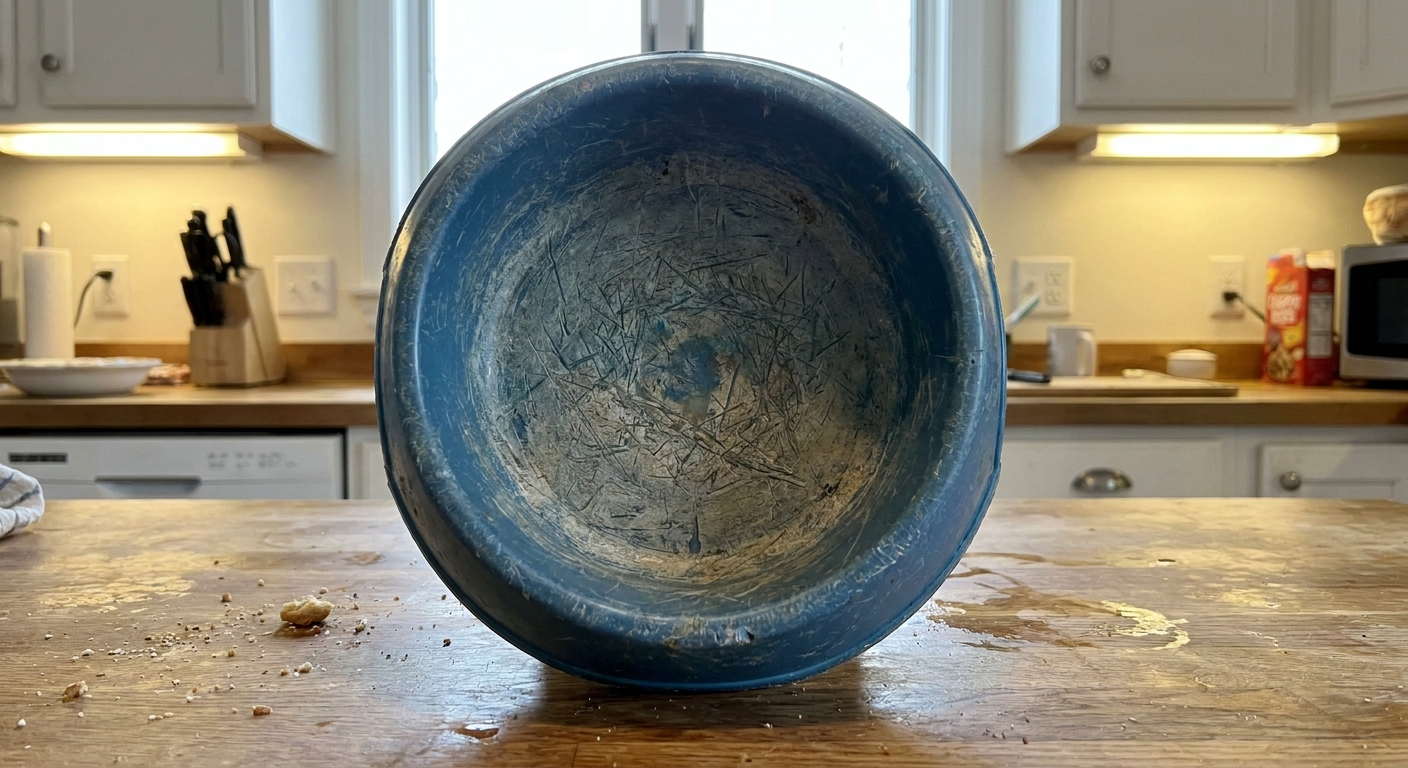
Plastic is common because it is cheap, lightweight, and comes in every color. For rabbits and guinea pigs, those are not always advantages. Plastic scratches easily, and scratches are where bacteria and odor like to move in.
Pros
- Budget friendly: Easy to replace if you keep a spare.
- Lightweight: Convenient for travel or temporary setups.
- Often non-slip: Many plastic bowls have molded grips or rubberized bases.
Cons
- Chew risk: Rabbits may gnaw the rim. If your rabbit is a chewer, skip plastic.
- Scratches trap grime: Pellet dust plus moisture plus micro-scratches equals “why does this smell weird already?”
- Harder to sanitize long-term: Even when washed, odor can linger in older plastic.
- Tipping and tossing: Light weight makes it easier for pets to flip or fling.
When plastic can be OK
- Guinea pigs who do not chew bowls: Especially if you replace the bowl at the first sign of wear.
- Short-term situations: Travel carriers, quarantine setups, or emergency backup supplies.
- As a measured scoop bowl: You portion pellets, feed, then remove it after eating.
My take: Plastic is my last choice for everyday pellet bowls in permanent housing, especially for rabbits. If you use it, treat it like a consumable and replace it often. If a rabbit chews off pieces, that can pose a risk of gastrointestinal blockage.
Designs that reduce spills
Material is the foundation, but design is where you win the spill battle.
Shapes that stay put
- Crock-style bowls: Thick-walled, heavy, and low. Great for rabbits and guinea pigs.
- Flared no-tip bowls: A wide, outward base makes leverage harder for rabbits.
- Square or D-shaped bowls: Flat edges can sit snug against a wall, reducing the chance of being scooted around.
Features that help hygiene
- Smooth interior corners: Pellet dust loves tight corners. Gentle curves clean faster.
- Fully glazed ceramic or quality stainless: Non-porous surfaces reduce bacterial buildup.
- Avoid decorative ridges inside: Cute, yes. Easy to scrub thoroughly, no.
Mounted and in-holder options
If you have a serial flipper, a holder system is your friend:
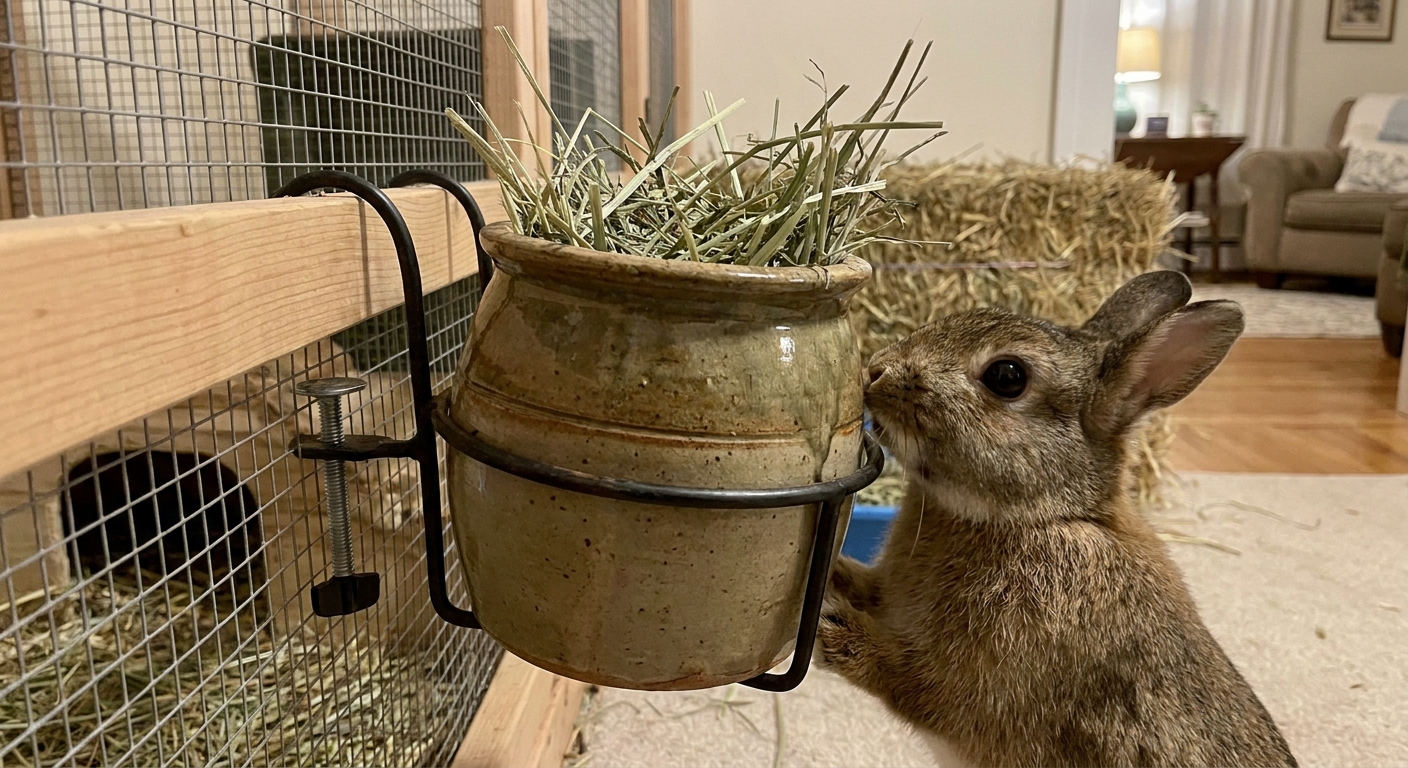
- Locking crock holders: The bowl lifts out for washing but cannot be tossed.
- Corner mounts: Useful for rabbits who patrol the perimeter.
- Recessed feeding stations: A bowl that sits down into a cutout is very hard to tip.
Rabbit vs guinea pig
For rabbits
- Go heavier and lower: Ceramic crocks or flared no-tip stainless with a rubber base.
- Assume the bowl is a toy: If it can be flipped, it may be flipped, usually when you just finished sweeping.
- Watch for chin rub and scenting: Choose a bowl that is easy to wipe daily because rabbits love to “claim” their stuff.
- Comfort matters: For seniors or rabbits with arthritis, a low, wide bowl is often easier than a deep one. For rabbits with dental pain, a stable bowl that does not slide away mid-bite can make meals less frustrating.
For guinea pigs
- Choose shallow sides: Especially for seniors or pigs with arthritis so they can eat comfortably.
- Prioritize non-slip: They may not flip bowls as often as rabbits, but they will shove them around while wheeking for more.
- Consider a wider opening: Group housing can mean two pigs at one bowl. Wider bowls reduce squabbles.
Cleaning and buildup
Pellets seem dry, but pellet dust plus saliva turns into a paste that can cling to rims and corners. Good sanitation is not about being perfect, it is about being consistent.
Daily
- Dump old pellet dust and crumbs.
- Quick wash with hot water and dish soap, especially around the rim.
- Dry fully before refilling if possible. Moisture speeds up odor and residue.
Weekly deep clean
- Dishwasher-safe bowls: run a hot cycle if the manufacturer allows it.
- Hand wash: soak in hot soapy water, then scrub with a dedicated brush.
- Check for damage: chips or hairline cracks in ceramic, deep scratches in plastic, rust or bent rims in metal, loose or chewed base rings.
A note on disinfectants
If you need to disinfect due to illness in the home, use a pet-safe approach and rinse thoroughly. Plain hot soapy water handles everyday cleaning well for most healthy households, especially with non-porous ceramic and stainless.
When to replace a bowl
- Ceramic: Replace if chipped, cracked, or crazed (those fine surface lines that can hold grime).
- Stainless steel: Replace if you see rust, sharp edges, or damage that is hard to scrub clean. Cheap alloys can rust over time, so keep an eye out.
- Plastic: Replace when it turns cloudy, smells even after washing, or shows visible scratches and chew marks.
- Rubber or silicone bases: Replace if the ring is peeling, sticky, or getting chewed.
Quick picks
Choose ceramic if:
- You want the easiest “stays put” option.
- You have a rabbit who flips lighter bowls.
- You want a bowl that is naturally stable without add-ons.
Choose stainless steel if:
- Hygiene and durability are your top priorities.
- You are willing to use a rubber-base bowl or a holder.
- You want lightweight bowls to rotate through the dishwasher.
Choose plastic if:
- You need a temporary or travel solution.
- Your guinea pigs do not chew bowls and you replace plastic when it scuffs.
- You are okay treating the bowl as a short-lifespan item.
FAQ
Are plastic bowls unsafe for rabbits?
They can be. Many rabbits chew plastic, and swallowed pieces can pose a risk of gastrointestinal blockage. Even when not chewed, plastic scratches easily and can hold odor and residue. For most rabbits, ceramic or stainless is the safer long-term choice.
Is stainless steel better than ceramic for hygiene?
Both are excellent when the ceramic is fully glazed. Stainless is nearly foolproof and does not chip, while ceramic can crack or chip if dropped. Hygiene-wise, they are both strong options when cleaned regularly.
My rabbit flips every bowl. What actually works?
Try a heavy crock first. If your rabbit still flips it, move to a locking bowl holder or a recessed feeding station. Some rabbits are simply committed interior designers and you have to take away the tools.
Should I use a bowl or a hopper feeder for pellets?
I prefer bowls so you can measure portions accurately and wash the dish thoroughly. Hopper feeders are often plastic and can be chewed, and they can be easier to overlook during routine washing because they do not look “dirty” until they really are.
Where should I put the pellet bowl in the enclosure?
Place it on a stable surface where bedding will not bury it. I like positioning it near, but not inside, the litter area. Corner placement can reduce scooting, and it keeps the bowl from becoming a mid-pen obstacle during zoomies.