Traditional baths can trigger severe stress, chilling, skin issues, and injuries. Here is how to spot-clean safely, plus rare exceptions and when to call you...
Rabbit Cove
Cleaning Rabbit Scent Glands and Guinea Pig Grease Glands
Step-by-step, vet-safe tips for cleaning rabbit scent glands and guinea pig grease glands, including what to use, what to avoid, and when to call your exotics vet.

Chloe Miller
Chloe Miller is a dedicated small-pet enthusiast and experienced foster parent who has spent over a decade caring for rabbits and guinea pigs. Through her hands-on work with local animal rescues, she shares practical, compassionate advice on housing, nutrition, and daily enrichment to help small pets thrive. When she isn't designing custom indoor enclosures, Chloe can be found coaxing shy rescues out of their shells with fresh cilantro.
Published
October 22, 2026
Updated
October 22, 2026
Some grooming jobs are glamorous, like brushing out a fluffy coat. Others are… not. Rabbit scent glands and guinea pig grease glands fall firmly into the “thank you for your service” category. The good news is that with the right setup and a little patience, you can keep these areas clean without stressing your pet or irritating delicate skin.
This guide walks you through what the glands are, when they need attention, how to clean them safely, and what changes mean it is time for an exotics vet visit.
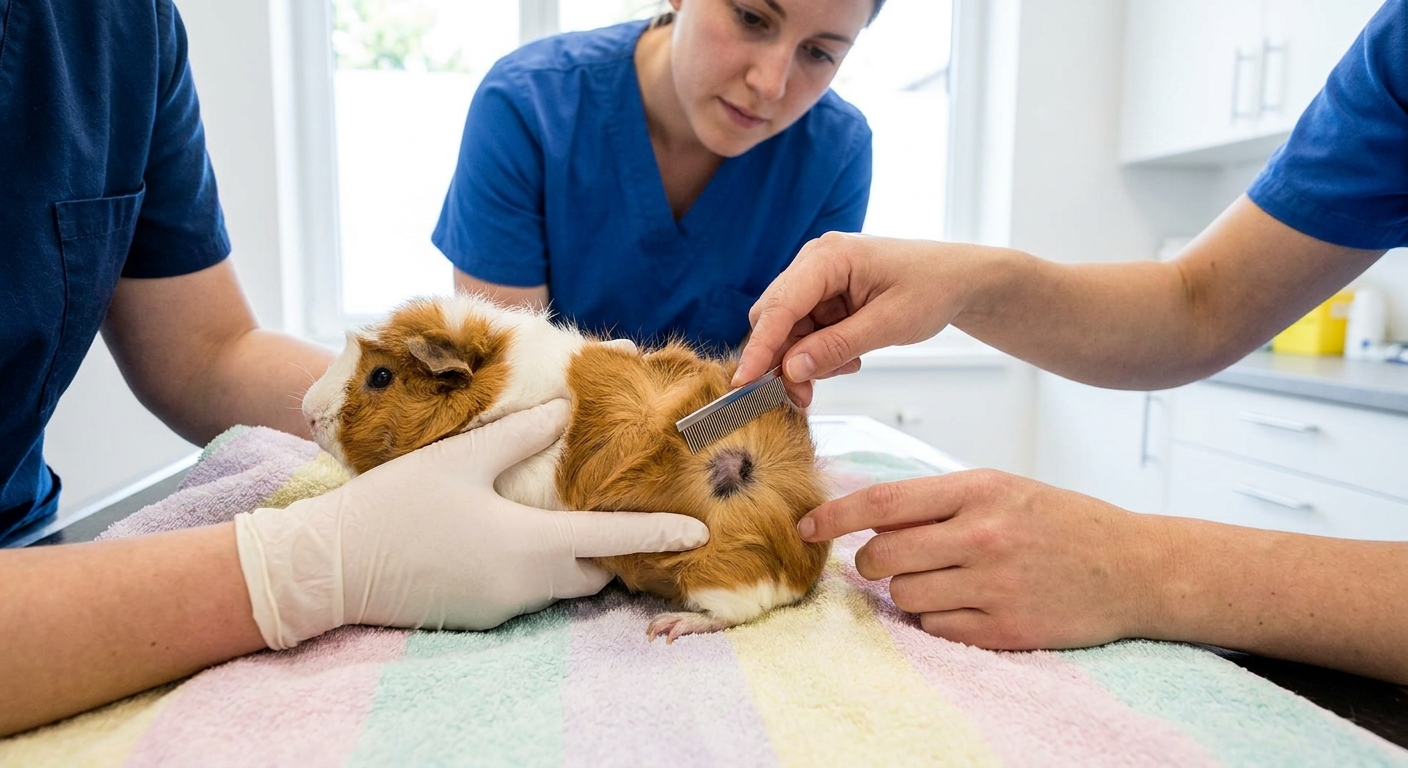
What are we cleaning?
Rabbit scent glands
Rabbits have two scent glands located in small pockets on either side of the anus. These glands can collect waxy, brown buildup that may smell strong. Some rabbits never need help. Others, especially seniors, overweight rabbits, or rabbits with mobility issues, may have trouble keeping the area clean.
Guinea pig grease glands
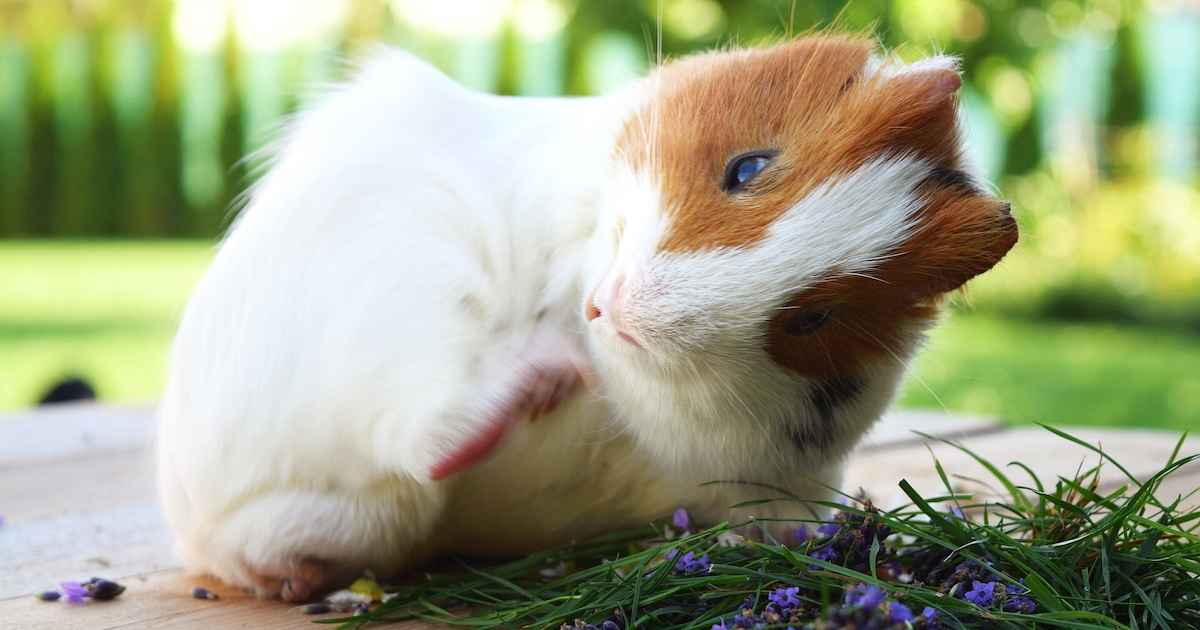
Guinea pigs have a grease gland on the rump, right above the anus. It produces oily secretions primarily for scent-marking, and it can contribute to oily coat buildup in that area. In some pigs, the oil builds up into a sticky patch that can trap bedding, cause odor, and irritate skin. Boars tend to be greasier than sows, but any pig can need occasional cleanup.
How often to clean
Less is more here. Over-cleaning can dry out skin, cause irritation, and make the area more sensitive. Think in terms of check regularly, clean as needed.
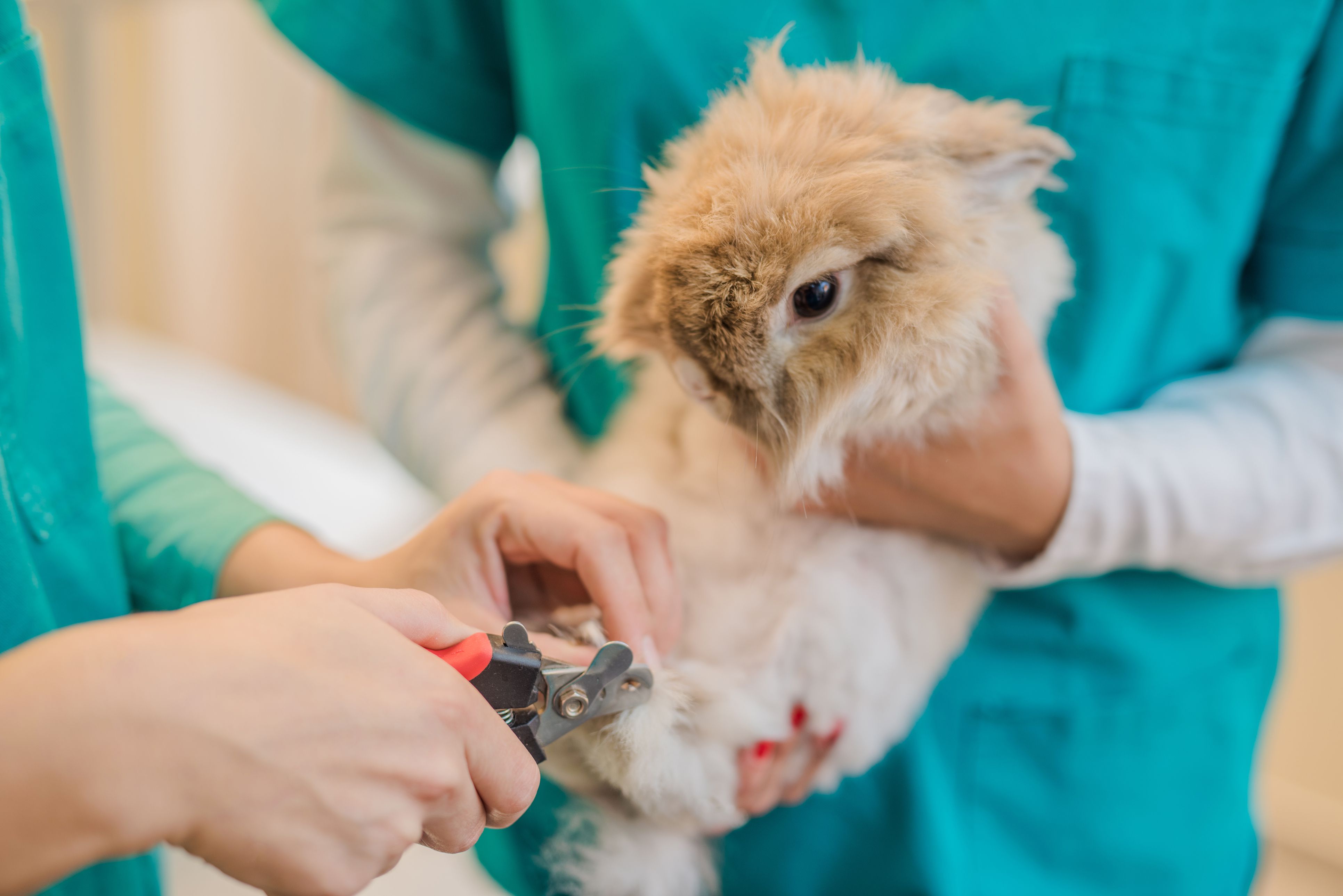
- Rabbits: Check about monthly during routine nail trims, then clean only if you see buildup in the scent pockets or notice a stronger-than-usual musky odor.
- Guinea pigs: Check every 2 to 4 weeks for many boars and about monthly for most sows, but clean only when the area feels tacky, looks yellowish or dark, or smells noticeably oily.
If you are cleaning weekly to keep up with odor, that is a sign something else may be going on, like diet issues, obesity, arthritis, dental pain affecting self-grooming, skin irritation, or an infection.
Before you start
What you will need
- A large towel (plus a spare)
- Cotton rounds or soft gauze pads (avoid fuzzy cotton balls that shed)
- Warm water in a bowl
- For rabbits: plain mineral oil or a small amount of coconut oil (optional, for stubborn wax)
- For guinea pigs: a small amount of coconut oil or mineral oil for softening grease, plus a mild, fragrance-free small animal shampoo only if needed to remove the oil afterward
- Unscented baby wipes or pet wipes (only for surface wiping, not for digging into pockets)
- Treats to reward after, like a favorite herb
- Good lighting
What to avoid
- Alcohol, hydrogen peroxide, witch hazel, or essential oils
- Human acne wipes or heavily fragranced wipes
- “Disinfecting” sprays anywhere near the genitals or anus
- Q-tips deep in rabbit scent pockets (they can push debris further in or cause abrasions)
- Powders like cornstarch in the gland area (they can cake and irritate)
Handling and safety
Plan for 5 to 10 calm minutes, not a wrestling match. Work on the floor or a low, stable surface with a towel for traction.
Rabbit safety note: Never restrain forcefully. Rabbits can kick hard when they panic, and sudden struggling can lead to serious back injury. If your rabbit is escalating, stop and try again later or ask your vet or a rabbit-savvy groomer to show you a safer setup.
If your rabbit panics when lifted, do this on the floor with your rabbit in a secure crouch, and bring the rear end toward you.
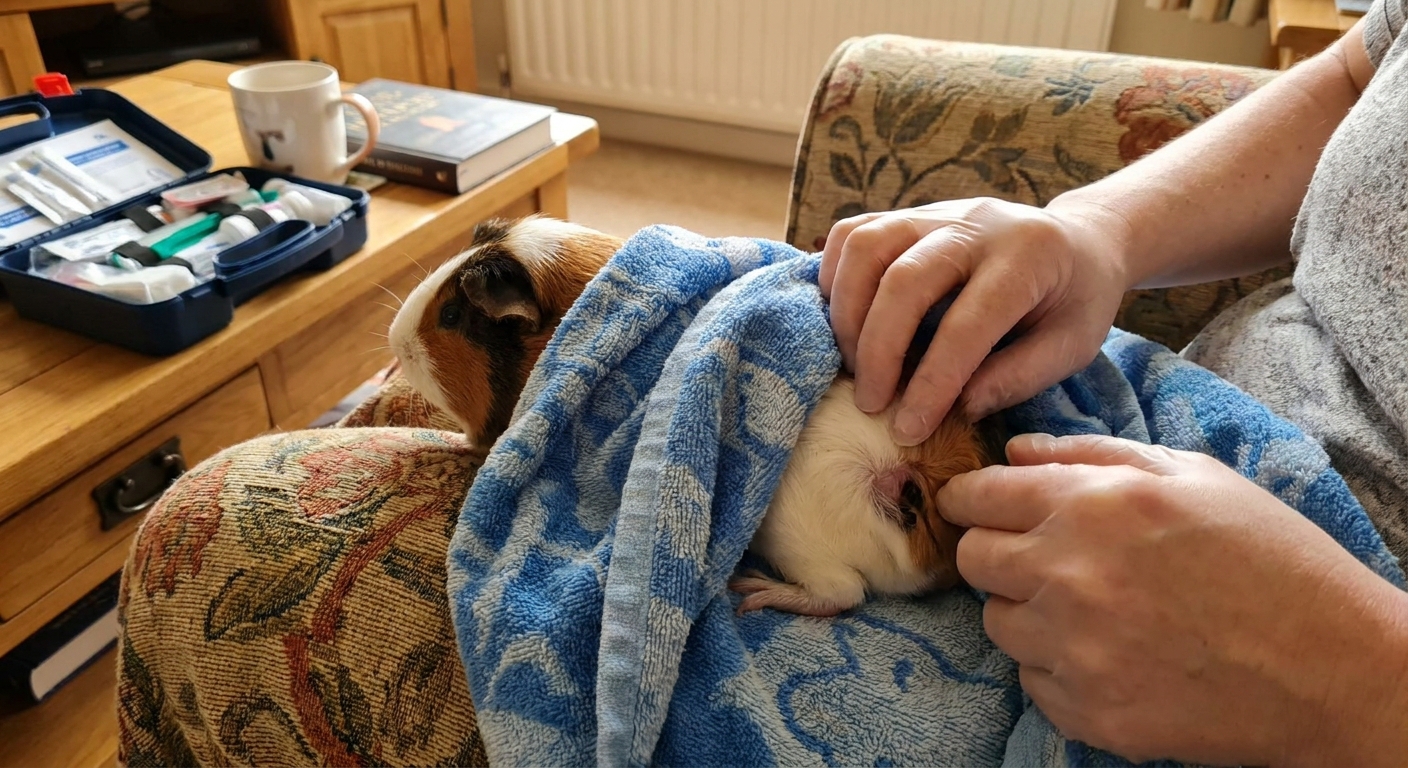
For guinea pigs, a towel “burrito” is often easiest. Support the chest and keep the spine straight.
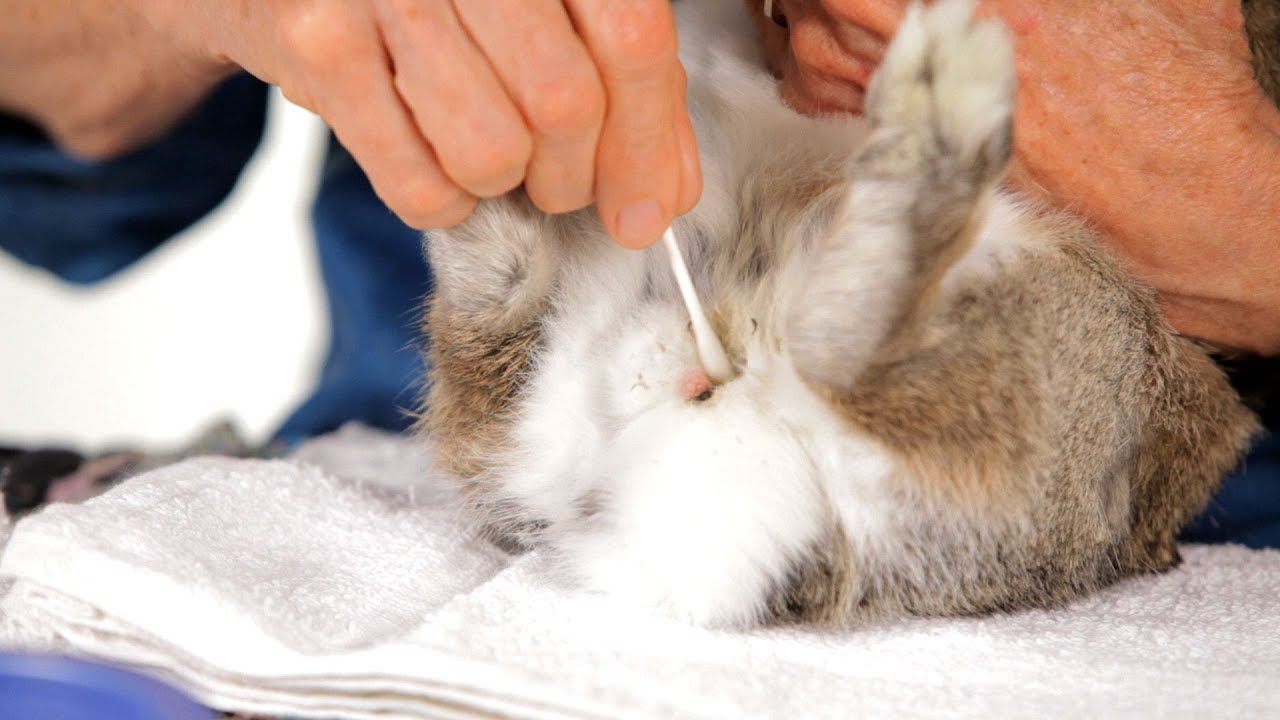
Clean rabbit scent glands
Rabbit scent glands sit in two little pockets. Your goal is to wipe out what is already there, not scrub skin raw.
Step-by-step
- Position your rabbit safely. Keep feet supported. Avoid putting your rabbit on their back unless your rabbit is unusually relaxed with it and you know how to prevent struggling.
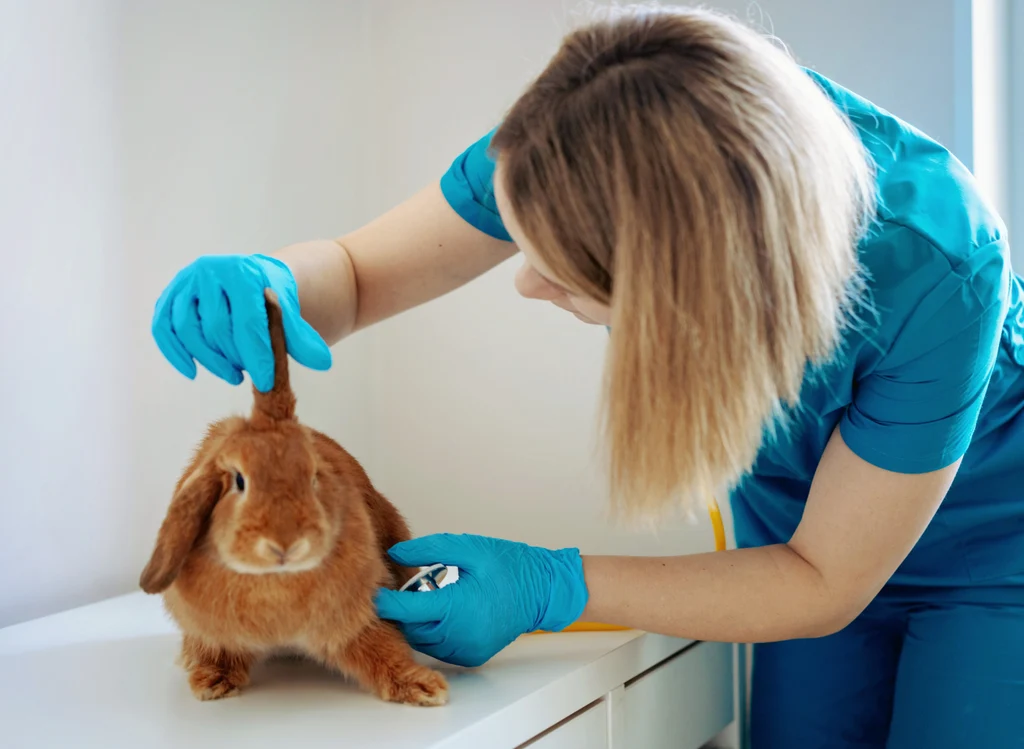
- Lift the tail gently. You are looking for two small slits or pockets on either side of the anus. Do not confuse the pockets with the anus itself or the genital opening.
- Moisten a cotton round with warm water. Press it against the pocket opening for 10 to 20 seconds to soften wax.
- Wipe outward, not inward. Use a gentle sweeping motion to lift debris out of the pocket. Switch to a fresh pad as soon as it looks dirty.
- If wax is stubborn, soften first. Put a tiny amount of mineral oil or coconut oil on a pad, hold it to the area briefly, then wipe. You should not need to scrape.
- Finish with a warm-water wipe. Remove any oily residue so it does not attract dirt.
- Dry the area. Pat, do not rub.
- Reward and release. A little cilantro diplomacy goes a long way.
Normal vs not normal
- Normal: brownish waxy material, musky odor, mild sensitivity but no pain.
- Not normal: redness, swelling, bleeding, pus, a strong foul smell, visible sores, or your rabbit reacting as if it hurts.
Clean guinea pig grease glands
Grease glands can feel like a sticky, oily patch. The safest approach is to soften the oil, then remove it gently, and only use shampoo if the area stays tacky.
Quick clarity for first-timers: the grease gland is a skin patch above the anus. If you are seeing packed poop in a sac-like area, that is not the grease gland. That is more consistent with a boar perineal sac issue and may need different care.
Step-by-step
- Wrap your guinea pig in a towel. Keep the back end accessible. Talk softly and work in short bursts.
- Part the fur over the rump. The grease gland is above the anus on the top side of the rump.
- Soften the grease. Rub a pea-sized amount of coconut oil or mineral oil into the sticky area with your fingertip or a gauze pad. Let it sit 1 to 2 minutes.
- Wipe away loosened oil. Use gauze or a cotton round to gently lift the grease off. Replace pads frequently.
- If needed, spot-clean with mild shampoo. If the area still feels oily, use a tiny amount of fragrance-free small animal shampoo, then rinse extremely well with warm water on a damp cloth. Avoid soaking your guinea pig if you can help it.
- Dry thoroughly. Pat dry and keep your guinea pig warm and draft-free until fully dry. Damp pigs chill fast.
- Offer a snack and a break. A stressed guinea pig has very strong opinions about this process.
Optional: trimming for chronic grease
If your pig’s grease gland area is always sticky, carefully trimming a small “landing strip” of fur around the gland can make cleanup easier. Use blunt-tip grooming scissors and do it with a helper if possible.
When odor is a warning
These glands can smell, but they should not smell infected. Trust your instincts. Call an exotics vet if you notice:
- Swelling, heat, or a lump near the anus or genitals
- Pus, bleeding, open sores, or crusting
- A sudden strong foul odor that does not improve after gentle cleaning
- Your pet flinching, squealing, or trying to bite when you touch the area
- Wetness around the rear end, diarrhea, or soft stool stuck to fur
- Loss of appetite, fewer droppings, or lethargy
Important: In guinea pigs, boars can also develop impaction, where fecal material collects in the perineal sac. That is a different task than grease gland cleaning and can require regular maintenance and vet guidance.
Reduce buildup
For rabbits
- Maintain a healthy weight. Overweight rabbits often cannot reach to groom effectively.
- Support mobility. Seniors with arthritis may need pain management from a rabbit-savvy vet.
- Keep litter boxes clean and roomy. A rabbit sitting in a dirty box will stay dirty.
- Prioritize hay and hydration. A fiber-forward diet supports normal digestion and reduces messy bottoms.
For guinea pigs
- Check boars more often. Hormones and oil production tend to go together.
- Use absorbent, low-dust bedding. Fleece with proper absorbent layers or quality paper bedding helps keep the rump cleaner.
- Watch for skin sensitivity. If your pig gets flaky skin after cleaning, scale back frequency and discuss products with your vet.
FAQ
Can I use baby wipes?
Unscented, sensitive-skin wipes can be fine for quick surface cleanup, but they are not ideal for rabbit scent gland pockets or heavy guinea pig grease. For rabbits, warm water on gauze is gentler and less likely to irritate.
Is coconut oil safe?
In small amounts for softening wax or grease, coconut oil is commonly used. The key is use very little and remove residue afterward so fur does not stay oily and attract debris. If your pet has a history of skin reactions, mineral oil is inert and often well tolerated, which is why many caregivers and vets prefer it for sensitive skin.
One more safety note: try to keep your pet from licking large amounts of any oil. A little residue is usually unavoidable, but you do not want them ingesting much.
Should I bathe my rabbit or guinea pig to fix odor?
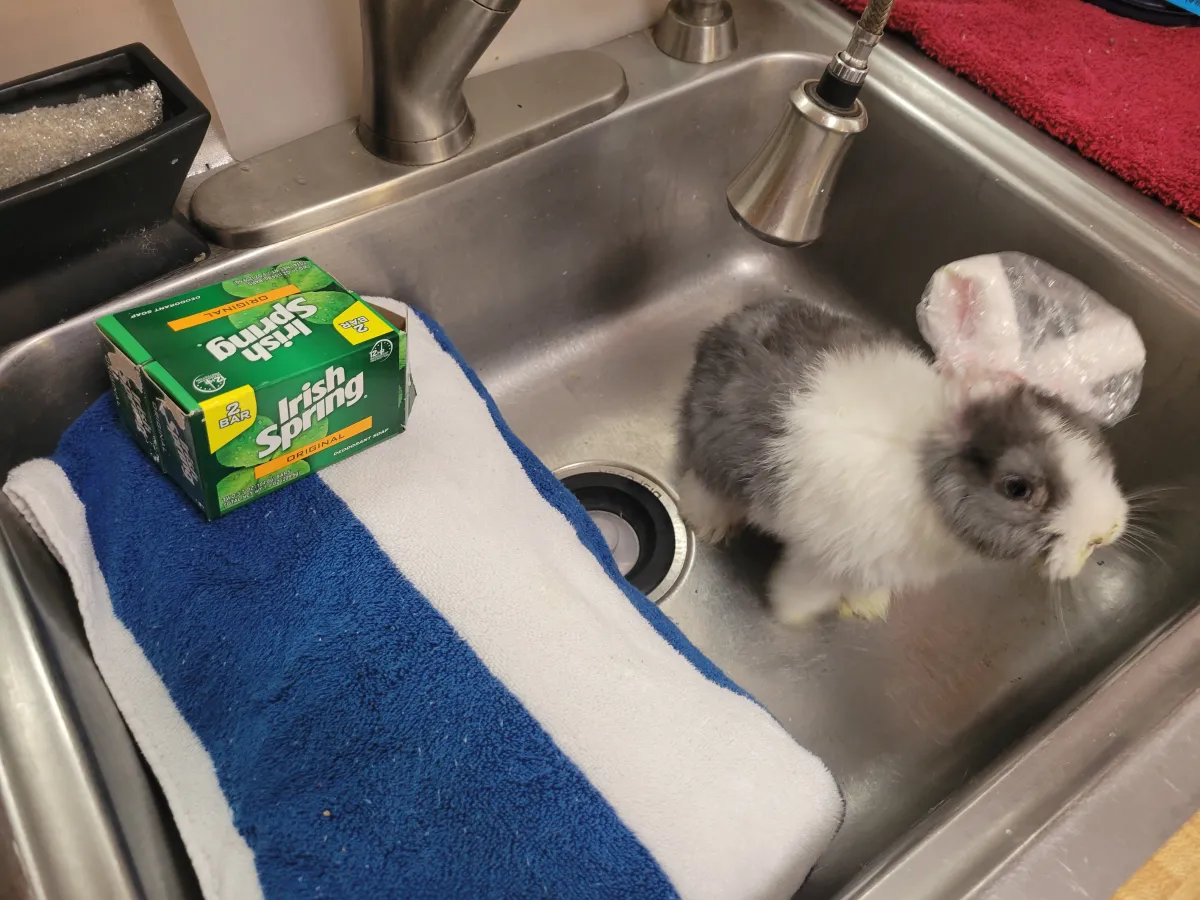
Full baths are rarely the answer. Rabbits generally should not be bathed because they can become stressed and chilled, and wet fur is hard to dry down to the skin. If a rabbit has urine scald, diarrhea, or a medical issue causing a messy bottom, your vet may recommend a careful spot-clean or “butt bath” with specific instructions.
Guinea pigs can be bathed when necessary, but spot-cleaning is usually safer for routine gland care.
My rabbit hates this. Any tricks?
Do it after a calm activity, keep sessions short, and stop before your rabbit escalates into panic. The two-person team approach can help: one person gently supports and offers a leaf of romaine, the other cleans quickly and carefully.
My guinea pig’s rump smells even after cleaning. What now?
If odor returns fast or smells foul, look for signs of impaction in boars, skin infection, mites, or urinary issues. When in doubt, a quick exotics vet exam can save you weeks of frustration and keep your pig comfortable.
Final word
If you have ever thought, “How did I become the person who cleans tiny butt glands?” welcome to small pet life. Take it slow, keep it gentle, and remember that the goal is comfort, not perfection. Your rabbit and guinea pig do not need spa-level polishing. They need you to notice when something looks off, handle it kindly, and call the vet when it crosses the line from routine maintenance into a health concern.