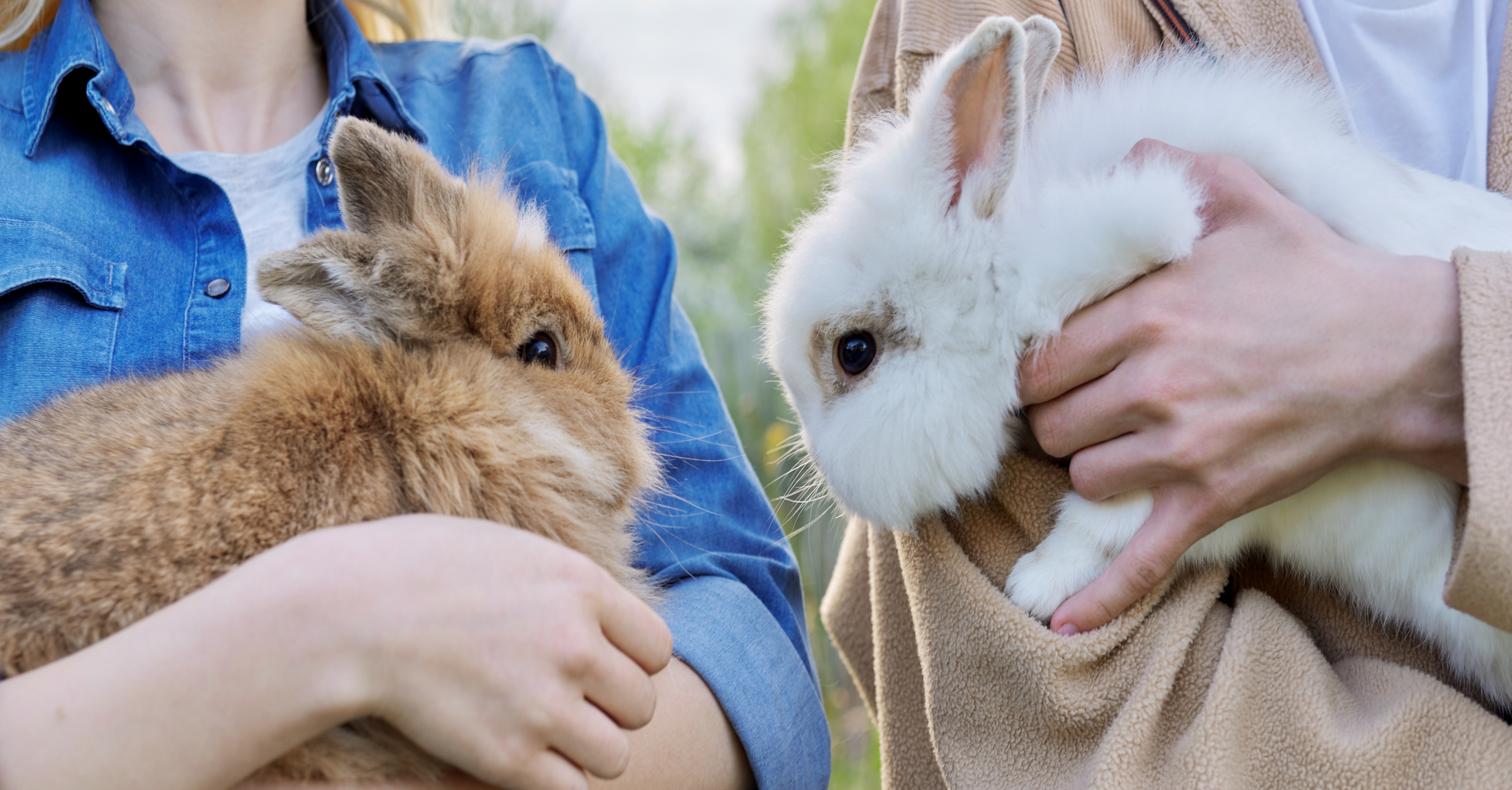
A step-by-step approach to building trust with skittish rabbits and guinea pigs using safety, consistency, tiny treats, and calm floor time.
Rabbit Cove
Why Does My Pet Bite?
Biting and nipping in rabbits and guinea pigs is usually communication, not spite. Learn common causes, body language clues, safe handling, and gentle training to stop bites.

Chloe Miller
Chloe Miller is a dedicated small-pet enthusiast and experienced foster parent who has spent over a decade caring for rabbits and guinea pigs. Through her hands-on work with local animal rescues, she shares practical, compassionate advice on housing, nutrition, and daily enrichment to help small pets thrive. When she isn't designing custom indoor enclosures, Chloe can be found coaxing shy rescues out of their shells with fresh cilantro.
Published
October 22, 2026
Updated
October 22, 2026
When a rabbit or guinea pig bites, it can feel personal. It is not. Small herbivores do not usually bite “out of nowhere.” More often, they bite to communicate, to protect themselves, or because something about the setup or routine is making them feel unsafe or pressured. The tricky part is that their early warning signals can be subtle and easy for humans to miss.
The good news is that most biting and nipping improves a lot once you identify the trigger and respond consistently. The less-good news is that the fastest fix is almost never “show them who’s boss.” With prey animals, that approach usually backfires.
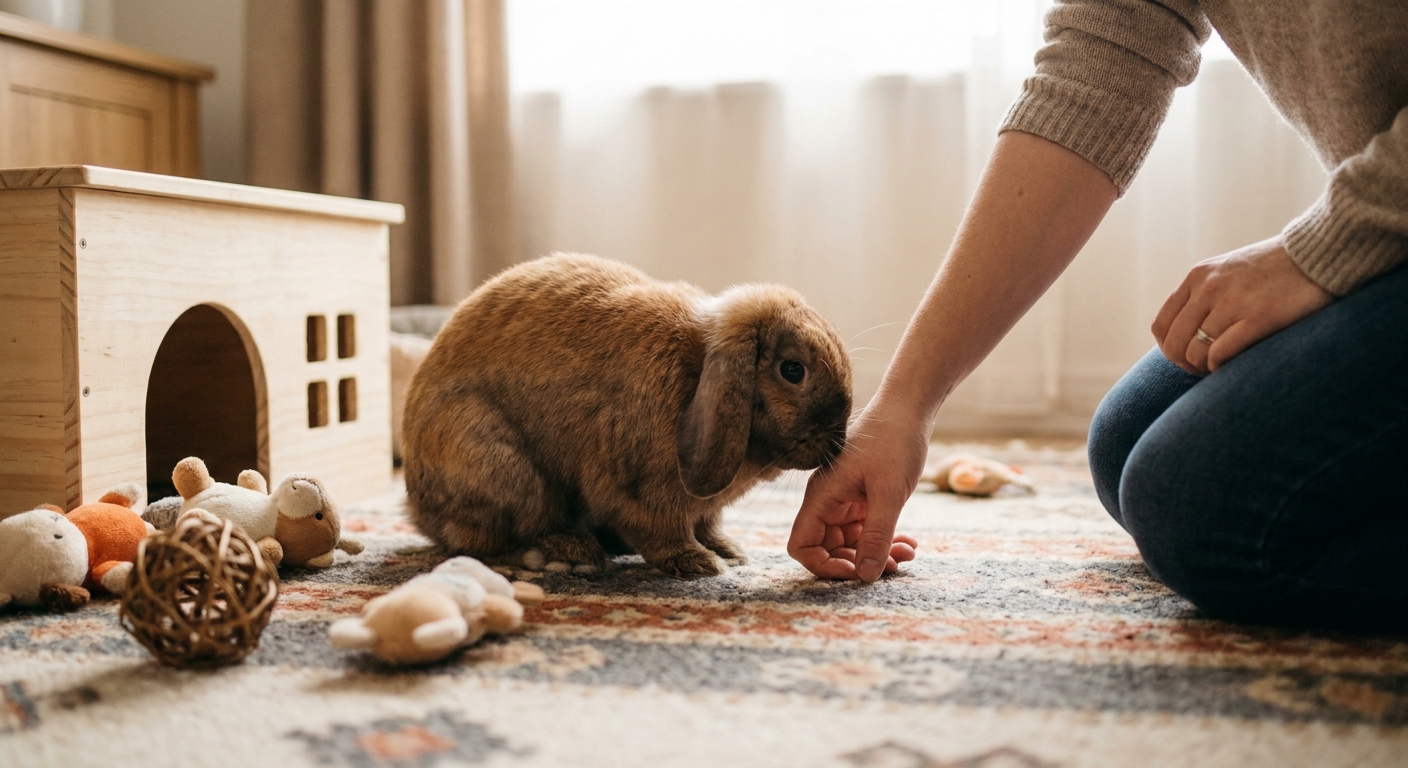
First: bite or nip?
Not all teeth contact means aggression. Knowing what you are seeing helps you choose the right response.
- Exploratory mouthing: Light teeth contact, no skin break, often paired with curiosity. Common in young rabbits and confident guinea pigs. It is their version of “What’s this?”
- Nipping: A quick pinch, sometimes repeated, usually meant to move you away or make you stop doing something. Often tied to boundaries, frustration, or handling.
- True bite: Strong clamp, may break skin, sometimes accompanied by lunging or a defensive posture. You may hear grunting or growling in some rabbits. This is fear, pain, or high arousal until proven otherwise.
If you are getting skin-breaking bites, skip ahead to Safety first and When to call your vet. Pain and fear need priority troubleshooting.
Why they bite
1) Fear and loss of control
This is the big one. Rabbits and guinea pigs are prey animals. Anything that feels like “predator behavior” can trigger a defensive bite, even in a normally sweet pet.
- Hands coming from above
- Cornering them in the enclosure
- Picking them up when they are not comfortable with it
- Chasing them to catch them
- Fast, loud environments or sudden movement
What it looks like: wide eyes, freezing, tense body, ears pinned back (rabbit), rapid breathing, darting away, teeth chattering in guinea pigs, then a lunge or snap if the pressure continues.
2) Enclosure guarding
Some rabbits become territorial in their enclosure, especially if they live in a smaller space or do not get enough daily exercise time. Guinea pigs can also guard hides, food bowls, or favorite corners, though true “attack” behavior is less common.
What it looks like: charging the door, lunging at the hand that enters, biting when you reach for a bowl, and then acting perfectly polite outside the enclosure.
What it usually means: “This is my safe zone. Do not invade it.” Often the fix is part training, part habitat upgrade.
3) Pain or medical discomfort
A normally gentle animal that suddenly starts biting deserves a health check. Dental pain, arthritis, GI discomfort, urinary issues, and skin irritation can all make touch feel awful. In guinea pigs, hormonal or ovarian conditions can also contribute to irritability, and they require a vet to confirm.
Clue: the bite appears when you touch a specific area, lift them, brush them, or pick them up, and it is new behavior.
4) Hormones and social stress
Unspayed female rabbits can be intensely territorial. Unneutered male rabbits may be more reactive and pushy. In guinea pigs, puberty and group dynamics can raise tensions, especially around hideouts and food.
Clue: biting is paired with spraying, circling, mounting, increased chin marking (rabbits), or a spike in dominance behaviors in a group of pigs.
5) “You taste like snack” bites
I say this with love: rabbits are little opportunists. If your hands smell like banana, pellet dust, cilantro, or the treat jar, an accidental nip is very possible. Guinea pigs do this too, especially if you hand-feed often.
Clue: the bite happens during treat time or right after you handled food, and your pet seems excited, not angry.
6) Communication and boundaries
Sometimes a nip is a clear request:
- “Stop petting me right now.”
- “Move your foot.”
- “I want you to refill the hay, human.”
In rabbits, a nip can also show up when they want space during grooming, when you block a path, or when they are annoyed by being touched on the wrong spot (many rabbits dislike belly handling). Guinea pigs may nip when restrained or when hands hover near their face.
Safety first
If your pet is in a biting phase, focus on preventing rehearsals. Every successful bite teaches, “That worked.”
- Do not hit, flick, scruff, or pin. It increases fear and can create a bitey animal long-term.
- Use a barrier when you must enter the enclosure. A dustpan, small piece of cardboard, or a fleece pad can protect your hands while you change bowls or sweep.
- Keep handling low and supported. For rabbits especially, avoid dangling feet and sudden lifts. For guinea pigs, scoop with two hands and support the chest and rump.
- Teach kids the flat hand rule. Flat palm for treats, slow movements, and stop when the animal backs away.
If bites are severe or frequent, wear a thick sweatshirt during training sessions. Your goal is calm practice without anyone getting hurt.
If skin is broken
Wash the wound right away with soap and running water. If you can, flush for several minutes, then apply a clean dressing. Contact a healthcare provider promptly if you see increasing redness, swelling, warmth, pus, worsening pain, fever, red streaks, or if your tetanus vaccination is not up to date.
Read the early warnings
Rabbit red flags
- Body tensed low to the ground
- Ears pinned back
- Hard stare, head thrust forward
- Grunt or growl in some rabbits
- Tail up, quick lunge toward your hand
Guinea pig red flags
- Teeth chattering
- Sudden freezing, then a quick snap
- Backing into a corner and leaning away
- Repeated warning nips during restraint
Your move: pause, remove pressure, and give space. Then adjust your approach so they do not need to escalate next time.
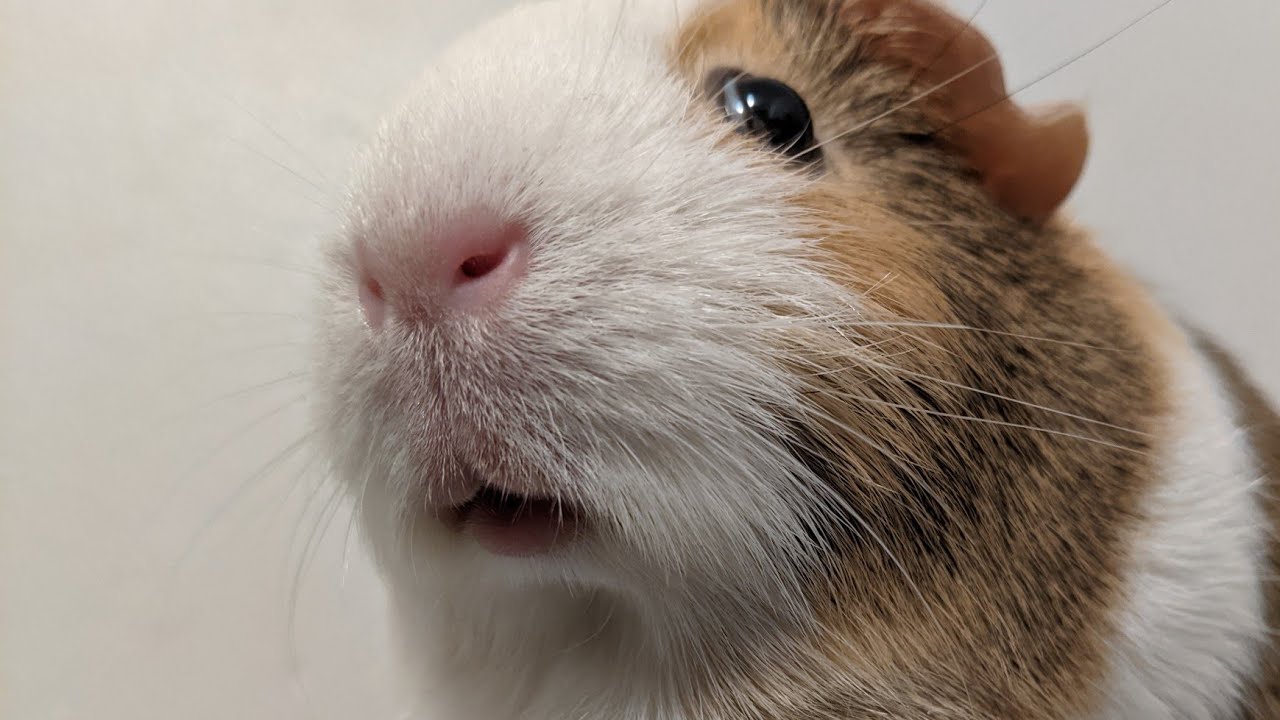
Fix the setup first
If I could tattoo one sentence on every foster volunteer’s forearm, it would be: behavior follows setup. When a habitat is cramped or predictable needs are not met, irritation and guarding go up.
Give them enough space
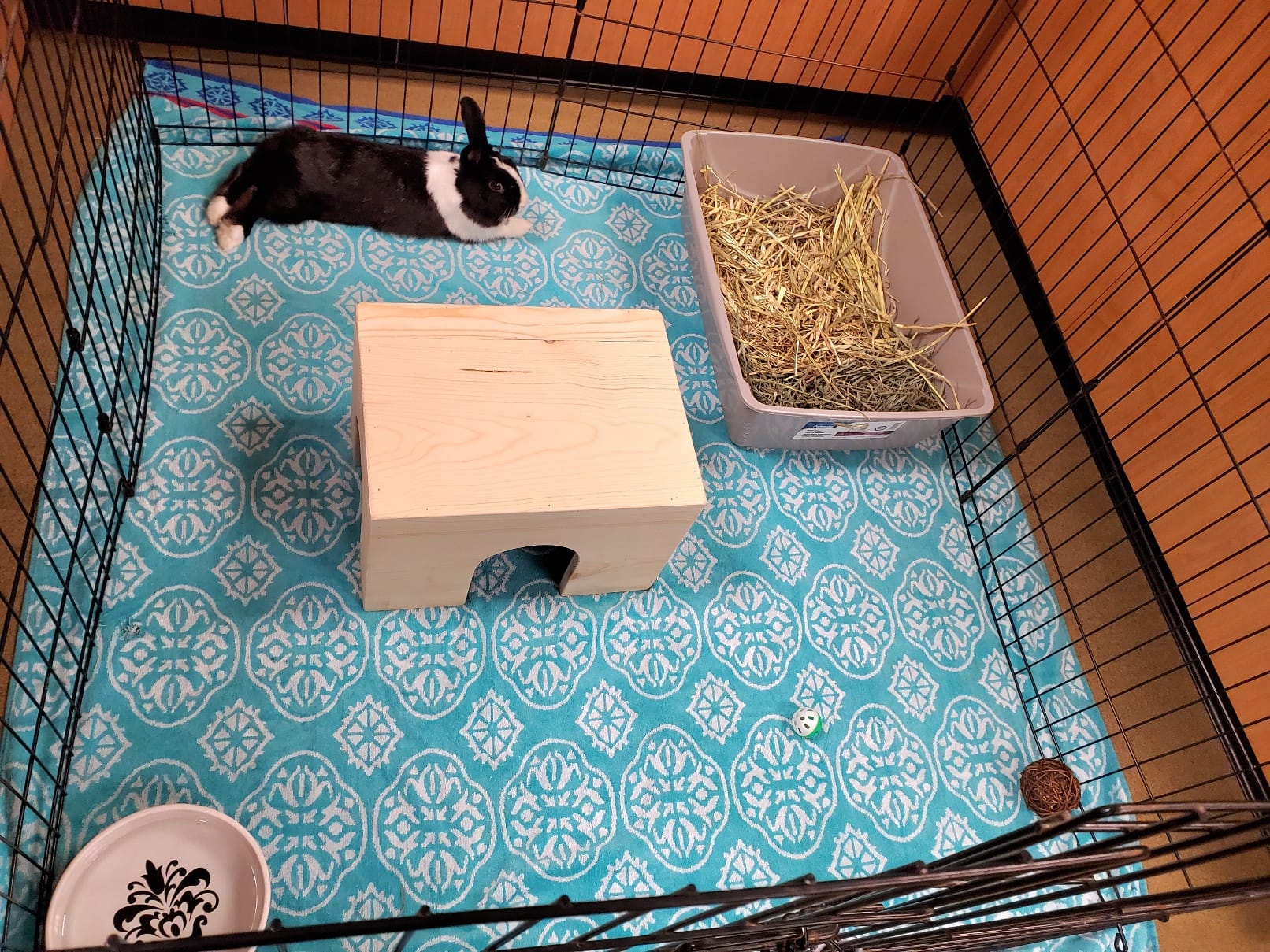
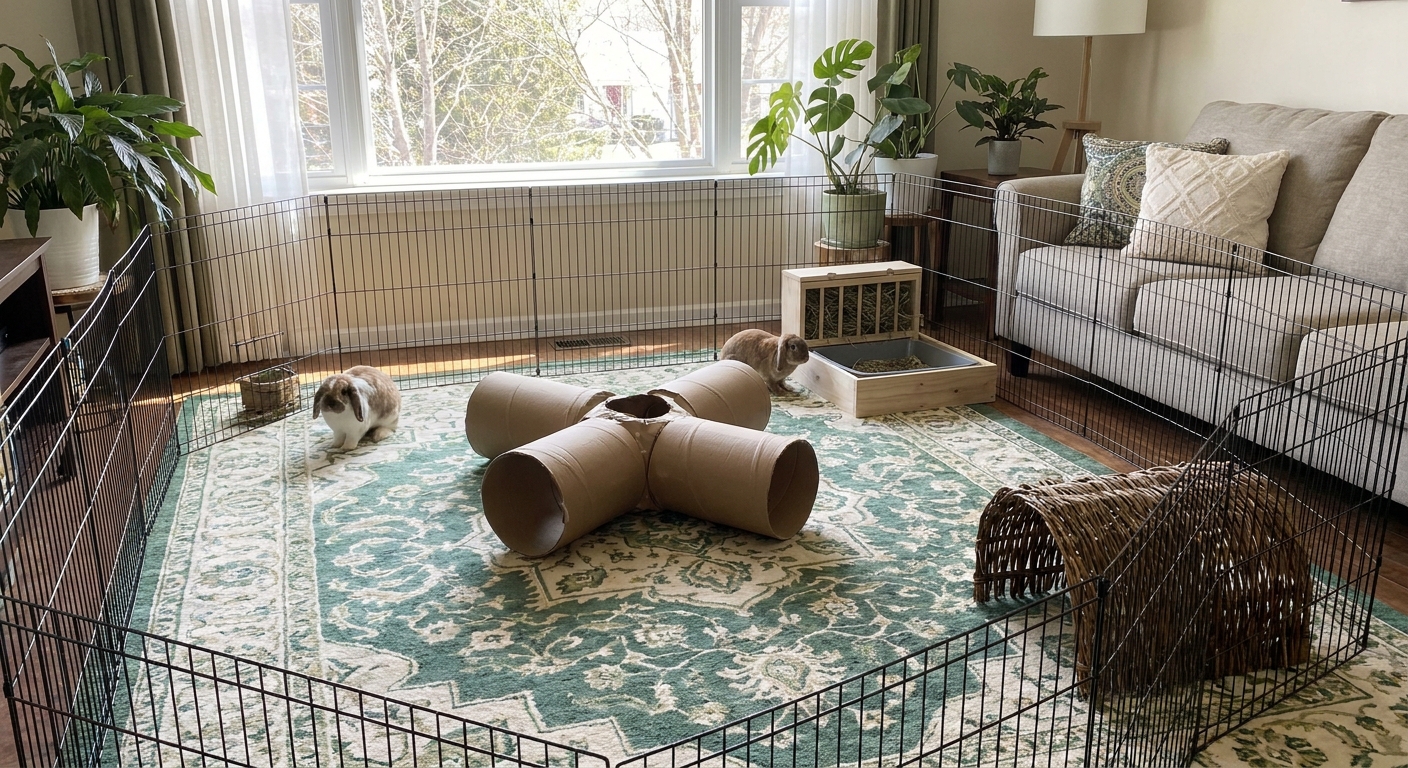
- Rabbits: prioritize a large exercise pen or a rabbit-proofed room over a small cage. Add a litter box, multiple hides, and a feeding station that does not require you to reach deep into their “safe corner.”
- Guinea pigs: a spacious C&C style setup reduces squabbles and defensive nips. Bigger is better. As a general reference for many caretakers, a single guinea pig often does best with roughly 7.5 square feet or more, and pairs often do best with about 10.5 square feet or more, with additional space for larger groups.
Reduce resource guarding
- Offer at least two hay piles and two water sources in shared spaces
- Scatter-feed veggies or use multiple bowls
- Place hides so your pet can retreat without you reaching over them
- For guinea pigs, choose hideys with two exits so no one gets trapped
Build predictability
Feeding and cleaning at consistent times helps anxious animals relax. I love a simple routine: greet, offer a small treat on a flat palm, then do your cage tasks while they eat.
Training that works
With rabbits and guinea pigs, the goal is not dominance. The goal is teaching safer communication and changing the emotional response to hands and handling.
A helpful mindset shift: many rabbits prefer ground interactions, and many guinea pigs dislike being picked up but may relax and enjoy lap time once securely supported. You can respect those preferences and still build cooperative handling for vet care and grooming.
Step 1: stop reaching into the bite zone
If your rabbit bites when you reach into the enclosure, start by inviting them out first.
- Open the door
- Place a treat just outside
- Let them come to you
For guinea pigs, you can do a similar reset by offering a veggie at the front of the cage before you move hides or bowls.
Step 2: teach hands bring good things
Do short sessions daily. Think 2 minutes, not 20.
- Approach slowly from the side, not above.
- Offer a tiny treat on a flat palm.
- Withdraw your hand before your pet feels crowded.
- Repeat, gradually moving your hand closer to their space over days.
You are pairing your approach with calm, predictable outcomes. Over time, the lunge becomes a look, then relaxed posture.
Step 3: reinforce gentle mouth behavior
If your pet is mouthy, you can teach “soft mouth” by rewarding the behavior you want.
- If teeth touch skin, calmly freeze your hand.
- When they release and pause, offer a treat.
- If they nip again, end the interaction for a moment by stepping back or placing a barrier.
This is not punishment. It is information: gentle behavior keeps the fun going.
Step 4: swap the cue
A lot of biting is “I need space.” Teach an alternative:
- Rabbits: reward them for moving to a mat or stepping back when you present your hand. A simple target stick can help.
- Guinea pigs: reward them for staying still while you touch their shoulder area briefly, then build up tolerance to longer touches.
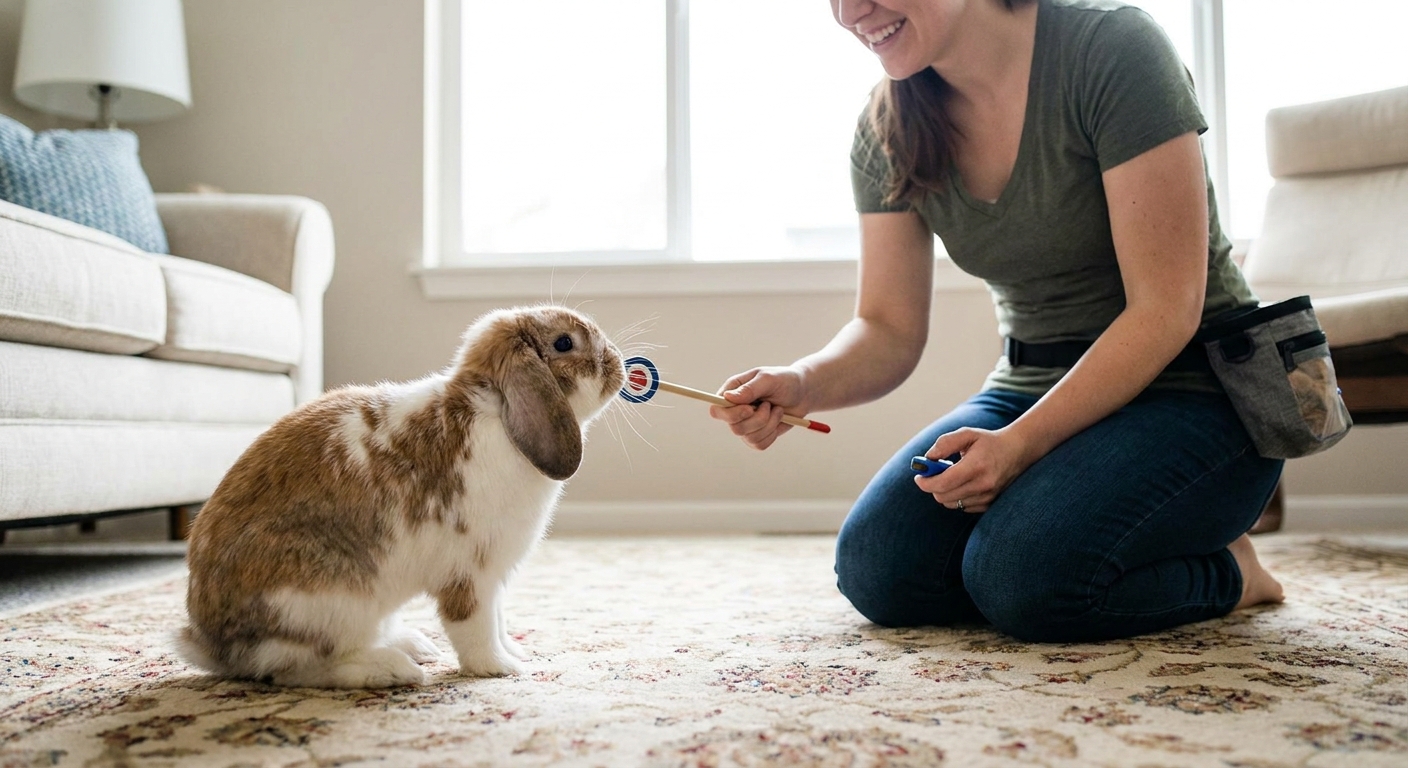
Handling fixes
My rabbit bites when I pet them
- Pet forehead and behind the ears, not under the chin or belly at first.
- Keep sessions short. Two good strokes are better than twenty irritating ones.
- Watch for the “I’m done” signals: head turn away, shifting feet, tense shoulders.
- Try petting while they are eating hay. Many rabbits tolerate touch better when busy.
My rabbit bites when I clean the litter box
- Move them out first, or distract with a small hay pile outside the box.
- Use a second litter box so you can swap quickly, instead of hovering and scrubbing in their space.
- Consider an enclosure layout where the litter box is accessible from outside without reaching over your rabbit.
My guinea pig nips during pick-up
- Use a cuddle cup or small fleece tunnel as a transport. Let them step in, then lift the whole thing.
- Scoop confidently with two hands. Hesitant grabbing can feel predatory.
- Support feet immediately. A pig that feels unstable will flail, and flailing often becomes nipping.
My pet bites the treat hand
- Offer treats on a flat palm, not pinched fingertips.
- Use longer leafy greens (romaine rib, cilantro stems) so your fingers stay farther away.
- Wash hands after handling fruit or pellets.
What not to do
- Do not blow in their face. Some animals startle and escalate.
- Do not tap their nose. You can teach them that hands are scary.
- Do not yell. It adds chaos, not clarity.
- Do not force handling to get them used to it. Flooding creates shutdown or defensive bites.
- Do not remove hay as punishment. Rabbits and guinea pigs need near-constant access to hay and high fiber to support healthy gut function.
Calm, consistent boundaries work better than dramatic corrections.
When to call your vet
Please schedule a rabbit-savvy or exotics vet visit if any of these apply:
- Biting started suddenly in an otherwise friendly animal
- Your pet bites when a specific body area is touched
- Decreased appetite, smaller poop, weight loss, drooling, or messy chin
- Limping, reluctance to move, hunched posture
- In rabbits: unspayed female with escalating territorial behavior
Behavior and health are tightly linked in small herbivores. Treating pain often resolves “aggression” that training cannot touch.
When to get help
If bites are escalating, you are feeling nervous handling your pet, or you are not making progress after a vet check and setup changes, bring in backup. A rabbit rescue mentor, experienced foster, or a qualified positive-reinforcement behavior professional can watch what happens in real time and spot patterns you cannot see from inside the moment.
If your rabbit guards the enclosure
This is one of the most fixable patterns I see in fosters, but it requires consistency.
Do this for 2 weeks
- Upgrade space if possible (x-pen, more roaming time, more hides).
- Feed at the door and toss greens inside instead of reaching past their face.
- Invite out first before cleaning or rearranging.
- Practice door manners: approach, toss a pellet, step back. Repeat until your rabbit stays calm when you approach.
Then add hand desensitization
Once your rabbit can watch you enter their space without charging, start brief touch sessions with immediate rewards. If lunging returns, you moved too fast. Back up a step.
Homes with kids
Kids and small herbivores can be great together, but only with clear rules.
- Make the enclosure a no-hands zone for children. Adults handle cleaning and reaching inside.
- Do floor time with an adult sitting between child and pet.
- Teach “ask before touch,” slow movements, and the flat hand treat.
- Give your pet a hide they can enter that means “I’m off duty.” Everyone respects it.
FAQ
Do rabbits bite to show dominance?
Rabbits have social hierarchies with other rabbits, but most biting toward humans is fear, enclosure guarding, or discomfort. Focusing on safety, predictability, and choice gets better results than trying to “out-dominate” a prey animal.
Can guinea pigs be aggressive?
They can be defensive, especially during handling or when they feel trapped. Persistent biting often traces back to fear, pain, or a stressful enclosure setup. Guinea pigs also communicate irritation with teeth chattering long before a bite.
Will my pet grow out of nipping?
Sometimes young animals mellow, but habits can stick if nipping keeps working for them. If you prevent bite opportunities and reward calm interactions, many nippers improve quickly.
Is it normal for rabbits to nip feet or ankles?
Yes. It is often an attention or “move please” request, or simple annoyance when you are in their way. Block access (pants, slippers, a barrier), reward alternative behaviors like targeting to a mat, and avoid stepping over your rabbit in tight spaces.
The takeaway
Biting is information. Your rabbit or guinea pig is telling you something about fear, territory, discomfort, or boundaries. When you treat it as communication instead of a character flaw, you can fix the root cause and keep your relationship intact.
If you want one simple starting point: give more space, add more choice, and slow your hands down. Most small herbivores forgive a lot when they feel safe.