Take the guesswork out of mealtime with an easy daily schedule for hay, leafy greens, and pellets, tailored for adult rabbits and guinea pigs.
Rabbit Cove
5 Easy DIY Baked Treats for Rabbits and Guinea Pigs
Skip sugary pet store snacks. Try 5 easy baked treat recipes using hay dust, banana, and herbs, plus safe portions, yields, and storage tips for rabbits and guinea pigs.

Chloe Miller
Chloe Miller is a dedicated small-pet enthusiast and experienced foster parent who has spent over a decade caring for rabbits and guinea pigs. Through her hands-on work with local animal rescues, she shares practical, compassionate advice on housing, nutrition, and daily enrichment to help small pets thrive. When she isn't designing custom indoor enclosures, Chloe can be found coaxing shy rescues out of their shells with fresh cilantro.
Published
October 22, 2026
Updated
October 22, 2026
There is something deeply satisfying about handing your rabbit or guinea pig a treat you made yourself, especially when you know exactly what is in it. A lot of store-bought “yogurt drops” and colorful baked snacks lean heavily on sugar, starch, and binders you cannot pronounce. Our little herbivores deserve better, and their digestion does best with it.
These five baked treats are designed to be high-fiber, low-sugar, and simple. They use ingredients many of us already have in the rabbit room: hay dust from the bottom of the bag, a ripe banana, and a few fragrant herbs. Think of them as crunchy enrichment, not a diet staple.
Before you bake: safety basics
Treats are extras, not meals
For both rabbits and guinea pigs, the foundation stays the same: unlimited grass hay, a measured portion of quality pellets, and daily leafy greens. Exact pellet and veggie amounts depend on age, weight, and health, so follow your vet’s guidance and your pellet brand’s feeding chart.
- Rabbits: start with 1 small treat piece (about thumbnail size) a few times per week.
- Guinea pigs: smaller is better, especially if fruit is included. Think pea-sized to thumbnail-sized depending on the recipe and your pig’s weight.
Introduce new treats slowly
Any new treat, even a “healthy” one, can upset a sensitive gut. Start with a tiny piece, then watch for soft stool, gassiness, or a change in appetite. If anything seems off, stop the treats and go back to hay and normal meals.
Choose the right hay
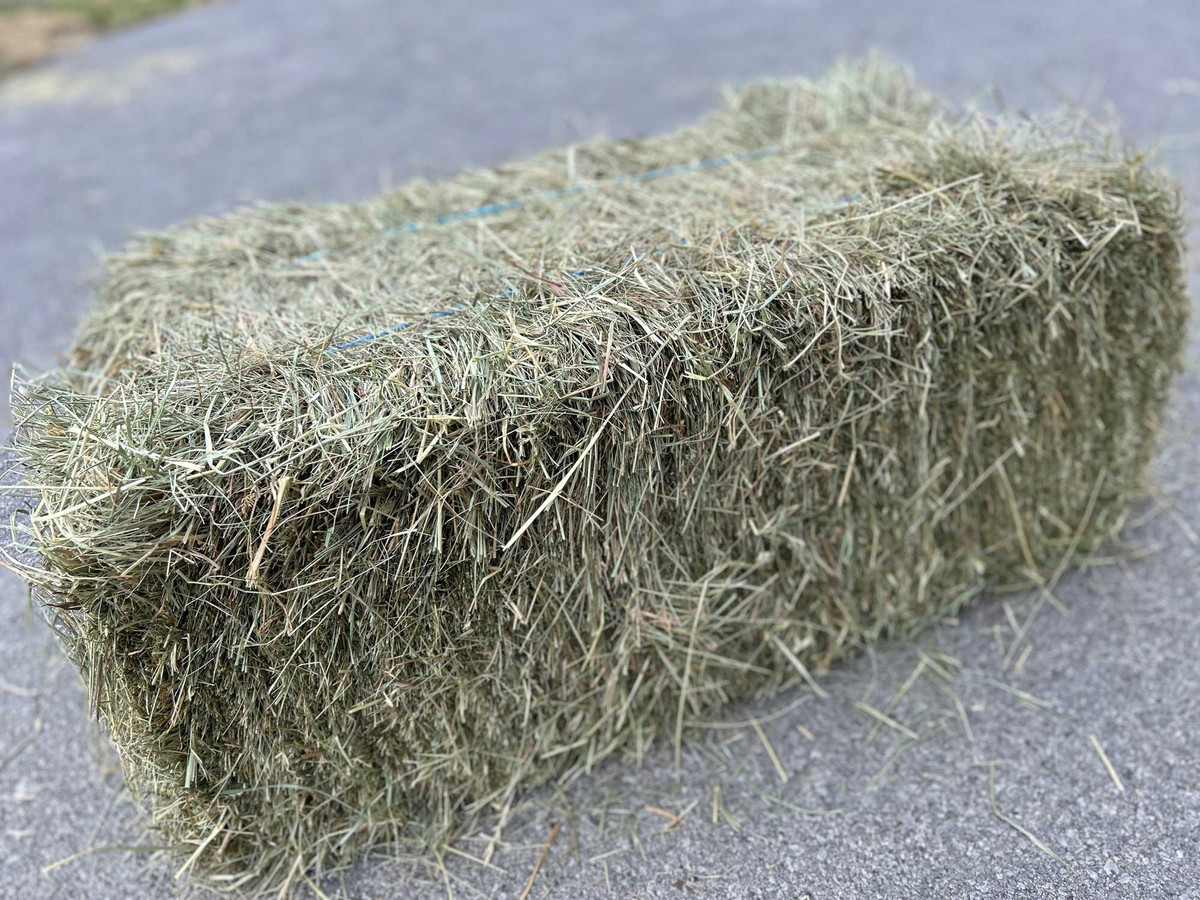
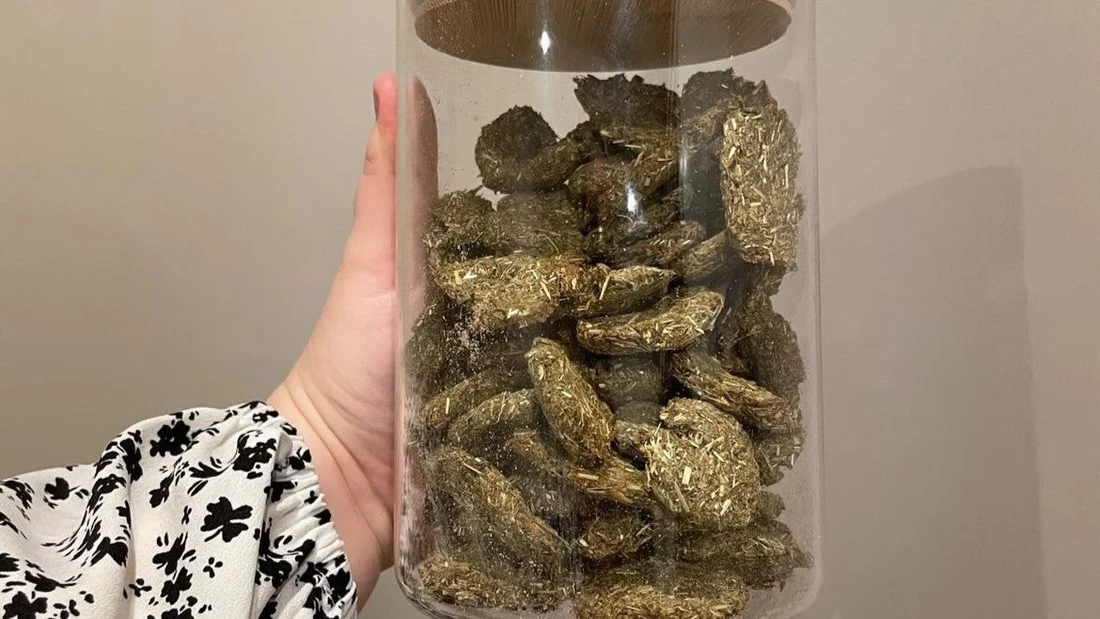
Use grass hay dust and crumbs (timothy, orchard, meadow, bluegrass). Avoid alfalfa-based mixes for adult rabbits and most adult guinea pigs. Alfalfa is typically reserved for babies, growing animals, pregnancy or nursing, or underweight pets on a vet-guided plan.
Guinea pigs and vitamin C
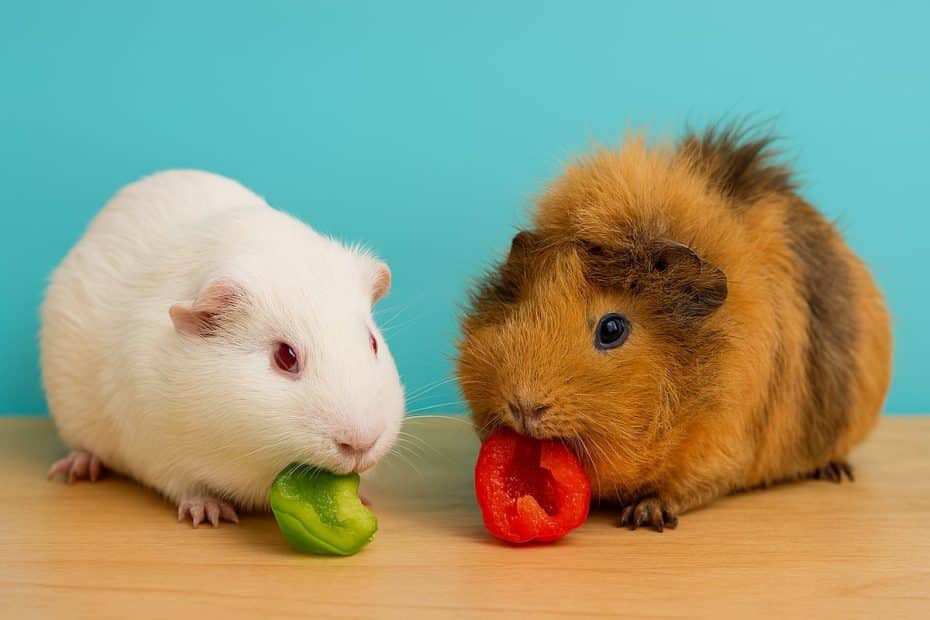
Baking destroys a lot of vitamin C, so these treats are not a vitamin C source. Guinea pigs still need daily vitamin C from fresh foods (like bell pepper) and or a vet-approved supplement.
Skip these ingredients
- Yogurt, dairy, honey, molasses, corn syrup
- Salt, oils, butter
- Baking powder or soda (not necessary, and some pets have touchy stomachs)
- Nuts, seeds, nut flours
- Chocolate, onion, garlic
- Any “mixed bird treat” ingredients or sugary cereal bits
Teeth and chewing safety
Crunchy is fun, but rock-hard is not. Keep treats thin and easy to break. For seniors or animals with dental disease, skip baked treats or offer softer options like fresh herbs, a thin banana coin, or simply extra forage toys.
Tools and baking tips
- Oven: low and slow is your friend. Aim for 300°F (150°C) unless noted.
- Sheet pan: line with parchment paper.
- Drying step: for extra crunch, turn the oven off and let treats sit inside with the door cracked for 30 to 60 minutes.
- Shape: thin treats bake more evenly and are easier on small mouths.
Recipe 1: Hay Dust Banana Coins
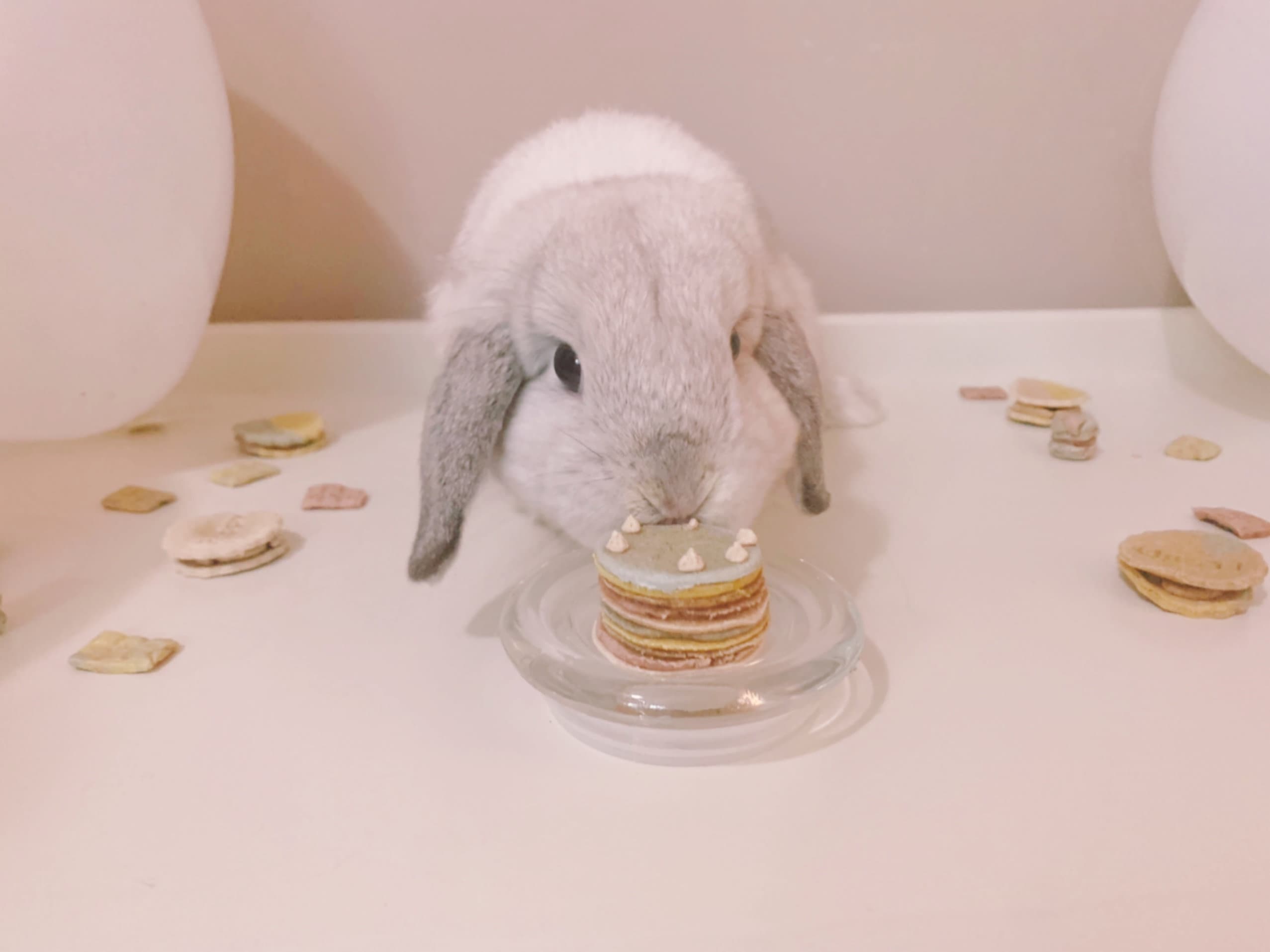
This is my foster-house classic because it uses what you already have: the “hay confetti” at the bottom of the bag. Banana is just the glue.
Yield: about 20 to 30 thin coins, depending on size.
Ingredients
- 1 ripe banana, mashed (use half for a smaller batch)
- 1 to 1 1/2 cups grass hay dust and tiny hay bits
- Optional: 1 tablespoon finely chopped fresh cilantro, parsley, or dill
Instructions
- Preheat oven to 300°F (150°C).
- Mash banana into a smooth paste.
- Stir in hay dust until you get a thick, moldable dough. If it is sticky, add more hay dust.
- Roll into small coins (about 1 to 1 1/2 inches wide) and flatten thin.
- Bake 20 to 30 minutes, flipping once, until dry and lightly golden.
- Cool fully. For extra crunch, do the oven-drying step.
Serving
1 thin coin for a rabbit, or half a coin for a guinea pig, depending on size.
Recipe 2: Herb and Pellet Crunch Bites
If your rabbit or guinea pig is pellet-motivated, this one feels like a “cookie” but stays familiar to their digestive system.
Yield: about 30 to 50 small bites, depending on how you portion them.
Ingredients
- 1/2 cup plain, high-quality pellets (rabbit pellets for rabbits, guinea pig pellets for guinea pigs)
- 1/2 cup warm water
- 1/2 cup hay dust
- 1 to 2 tablespoons chopped fresh herbs (cilantro, parsley, basil, dill)
Instructions
- Preheat oven to 300°F (150°C).
- Soak pellets in warm water for 10 minutes until they soften into a mash.
- Mix in hay dust and herbs. Adjust with a little more hay dust if needed so it holds shape.
- Form pea-sized bites for guinea pigs or marble-sized bites for rabbits.
- Bake 25 to 35 minutes until dry and firm.
- Cool completely.
Why I like it
This is a great training treat because it smells like dinner, not dessert.
Recipe 3: Apple Peel Oat Hay Crackers
This uses a tiny amount of oats for structure. It is still a treat, but it is a nice option when you want something crisp and breakable into micro pieces.
Yield: about 24 to 40 small squares, depending on how thin you press and how you score.
Ingredients
- 1 cup hay dust
- 2 tablespoons rolled oats (not instant)
- 2 tablespoons unsweetened applesauce or very finely minced apple peel
- Warm water as needed (usually 2 to 4 tablespoons)
Instructions
- Preheat oven to 300°F (150°C).
- Mix hay dust and oats.
- Stir in applesauce or minced peel. Add warm water a spoonful at a time until the mixture presses together.
- Press dough thin between parchment sheets, then peel the top parchment off.
- Score into small squares with a butter knife.
- Bake 20 to 25 minutes, then turn off the oven and dry inside another 30 minutes.
Serving
Break into tiny squares. Guinea pigs should get smaller pieces since fruit is included.
Recipe 4: Carrot Top Parsley Biscuits
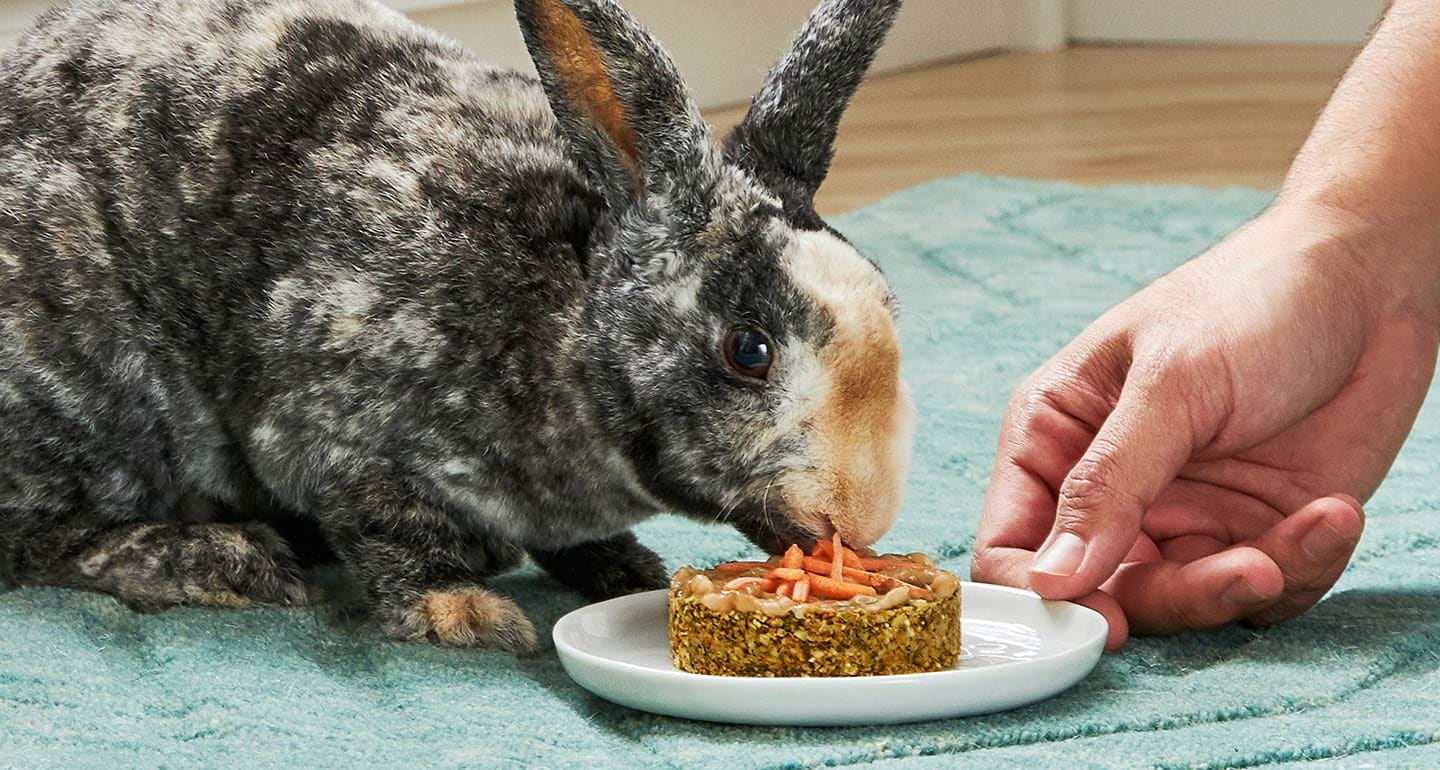
Carrot tops are the underrated leafy green of the bunny world. They smell amazing and feel special, without relying on sugary carrot chunks.
Yield: about 18 to 28 small biscuits, depending on thickness.
Ingredients
- 1 cup hay dust
- 1/3 cup finely chopped carrot tops
- 1/4 cup chopped parsley
- 1/4 cup water (approx.)
Instructions
- Preheat oven to 300°F (150°C).
- Mix hay dust with chopped greens.
- Add water gradually until you can press the mixture into small patties.
- Bake 25 to 35 minutes until dry. Flip halfway through.
- Cool fully before serving.
My foster-parent note
If you are using wet-rinsed greens, pat them dry first or the treats can stay soft in the middle.
Recipe 5: Pumpkin Hay Buttons
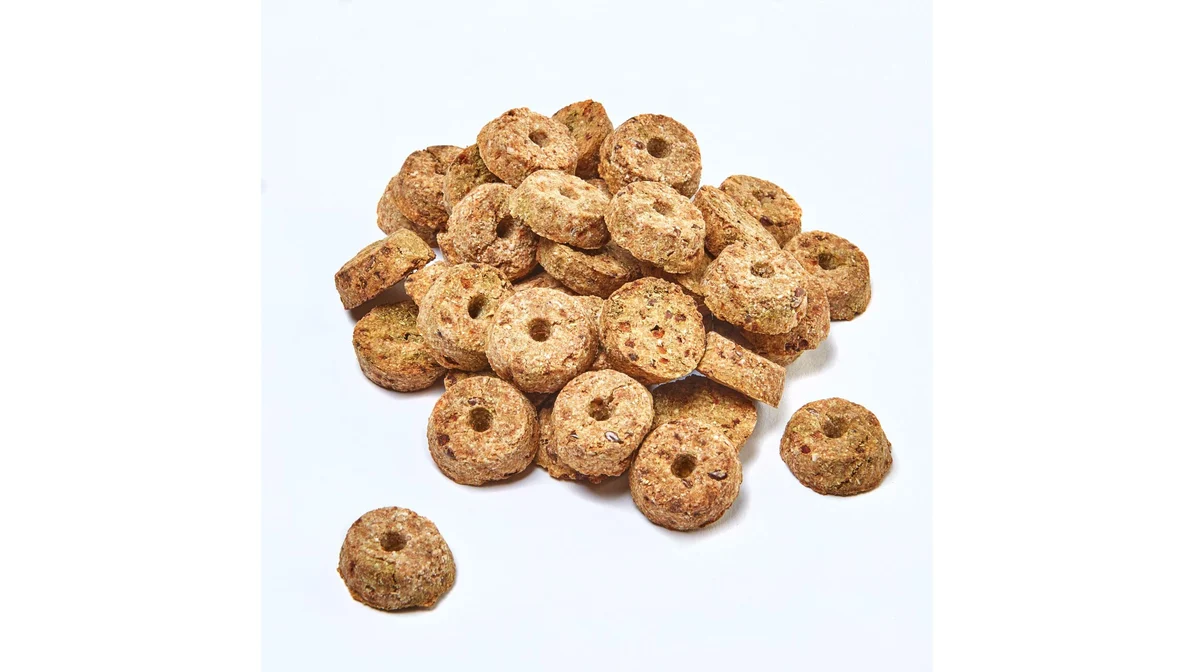
Plain pumpkin puree adds gentle moisture and a cozy smell. This is one of my favorites for making “button” treats that are easy to portion.
Yield: about 25 to 40 small buttons, depending on size.
Ingredients
- 1 cup hay dust
- 2 to 3 tablespoons plain canned pumpkin (not pie filling)
- 1 tablespoon pellets, crushed (optional, for structure)
- Water only if needed (start with none)
Instructions
- Preheat oven to 300°F (150°C).
- Mix hay dust with pumpkin until it forms a stiff paste. Add crushed pellets if the dough is too loose.
- Roll tiny balls and flatten into buttons.
- Bake 25 to 35 minutes, flipping once, until dry and firm.
- Cool completely, then let air-dry on the counter for an hour for extra crispness.
Serving
Because pumpkin is still a starchy veggie, keep portions modest: 1 button for rabbits, half for guinea pigs.
Storage and freshness
Homemade treats do not have preservatives, so how you store them matters.
- Cool completely before storing. Any trapped warmth can create condensation and mold.
- Store in a paper bag or a container with the lid slightly vented for the first day to prevent softening.
- After 24 hours, move to an airtight container if they are fully dry and crunchy.
- Fridge: not ideal for crunchy treats (humidity makes them soft).
- Freezer: great for batches. Thaw uncovered so moisture does not re-soak the treat.
When in doubt, toss it. If a treat smells “off,” feels spongy days later, or shows any fuzz, it is not worth the risk.
How often to give baked treats
Think of baked treats like a fun snack, not a daily expectation.
- Healthy adult rabbits: a small piece 2 to 4 times per week is plenty.
- Healthy adult guinea pigs: 2 to 3 small pieces per week, smaller portions if the recipe includes fruit.
- Overweight pets, sensitive tummies, or history of GI stasis: ask your rabbit-savvy vet, and consider sticking to fresh herbs and hay-based enrichment instead.
Troubleshooting
My treats are soft in the middle
- Make them thinner.
- Lower the oven temperature slightly and bake longer.
- Do the oven-drying step with the door cracked.
They crumble when I pick them up
- Add a little more binder next time (banana, pumpkin, pellet mash).
- Press the dough firmly and avoid over-drying super thin pieces.
My rabbit or guinea pig is not interested
Totally normal. Some animals prefer a sprig of fresh dill over any “cookie” you worked on for 45 minutes. Try:
- Adding a pinch of their favorite dried herb.
- Using pellet mash treats (Recipe 2) for pellet-obsessed pets.
- Breaking treats smaller and offering by hand during calm bonding time.
Quick ingredient FAQ
Can rabbits and guinea pigs eat oats?
In small amounts, plain rolled oats are generally fine as a treat ingredient, not a staple. Keep the portion tiny, especially for guinea pigs and any pet prone to weight gain.
Can I use flour?
I skip wheat flour for most small pets because it adds calories without the fiber they need. Hay dust and pellets do the job better for these recipes.
Can I add dried fruit?
I would not. It is very concentrated sugar. If you want a fruity note, use a teaspoon or two of mashed fresh fruit in the whole batch and keep portions small.
A final reminder from a foster kitchen
If your pet is currently refusing hay, having runny poop, acting bloated, or not eating normally, treats are not the project for today. Put the baking sheet away and call your vet. For everyone else, have fun with it. The best part of DIY treats is watching a shy rescue learn that your hands bring good things, usually in the form of a slightly lopsided hay coin.