Learn a stress-free, at-home weekly check to monitor eyes, ears, weight, and body condition, plus red flags that mean it is time to call your exotic vet.
Rabbit Cove
Guinea Pig and Rabbit Sounds, Decoded
From wheeks and purrs to grunts, tooth purrs, and thumps, learn what your guinea pig or rabbit is really saying, and how to respond with confidence.

Chloe Miller
Chloe Miller is a dedicated small-pet enthusiast and experienced foster parent who has spent over a decade caring for rabbits and guinea pigs. Through her hands-on work with local animal rescues, she shares practical, compassionate advice on housing, nutrition, and daily enrichment to help small pets thrive. When she isn't designing custom indoor enclosures, Chloe can be found coaxing shy rescues out of their shells with fresh cilantro.
Published
October 22, 2026
Updated
October 22, 2026
If you share your home with guinea pigs and rabbits, you quickly learn two truths: they are masters of snack-related negotiation, and they have a surprisingly rich language. Some sounds are obvious (hello, guinea pig wheek at the crinkle of a salad bag). Others are subtle and easy to misread, like a rabbit’s soft tooth purr or a guinea pig’s low vibration that can mean either “this is nice” or “please stop.”
This guide walks through the most common vocalizations, what they usually mean, and the body language that helps you interpret them accurately. Because with small prey animals, context is everything.
How to tell what a sound means
Before we decode specific noises, here are the three checks I use in foster care when a sound pops up:
- Look at the whole body. Ears, eyes, posture, and movement tell you as much as the sound itself.
- Check the timing. Did it happen during feeding, handling, bonding, cleaning, or nighttime zoomies?
- Assume the simplest need first. Hunger, fear, pain, and social tension are more urgent than “quirky personality,” even if your pet is absolutely a quirky personality.
Helpful rule of thumb: If a sound is new for your pet, louder than usual, paired with hiding or aggression, or repeats frequently without an obvious trigger, treat it as a possible health or stress signal and investigate right away.
Guinea pig vocalizations
Guinea pigs are typically the louder and more chatty roommates. They use a mix of calls, rumbles, and chatter to communicate with you and with each other. One note up front: labels vary. What one person calls “purring,” another may call “rumbling,” “cooing,” or “chutting.” The body language is the real translator.
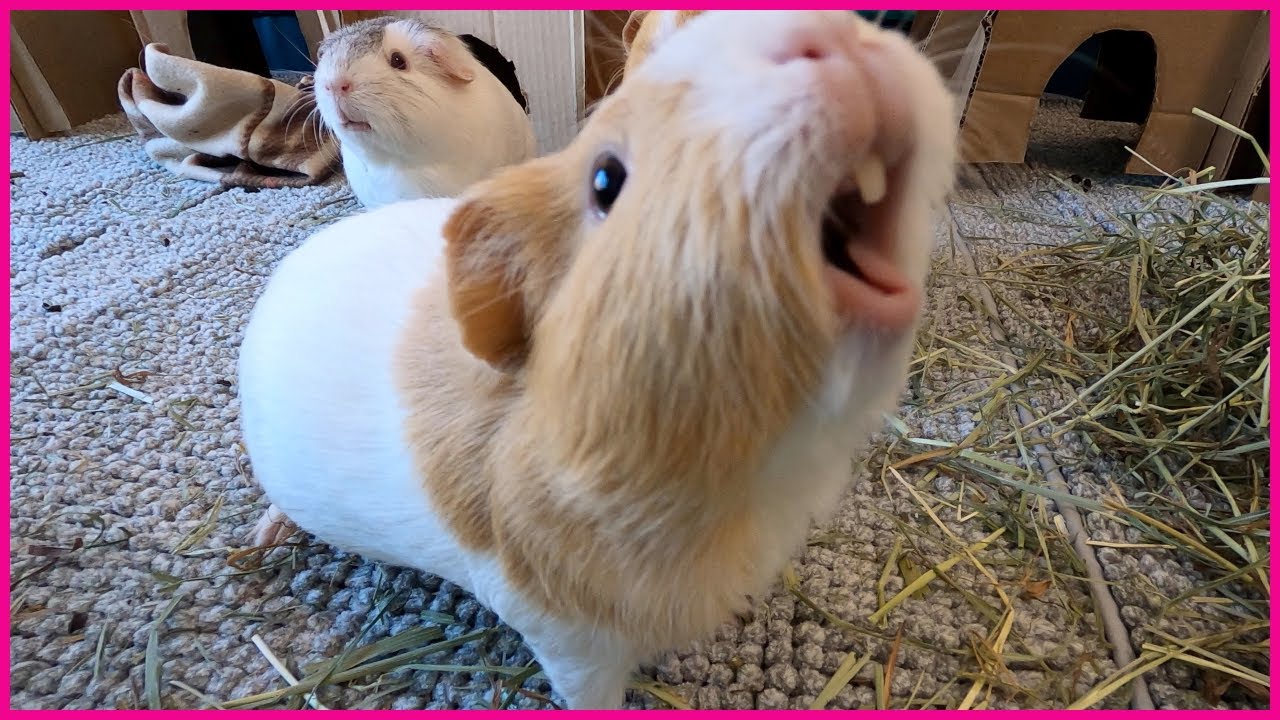
Wheeking (loud, high-pitched “WHEEK!”)
What it usually means: Excitement, anticipation, or a request. Most often, it is food-related, but it can also be “I hear you” when you enter the room.
What to look for: Running to the cage front, standing tall, bright eyes, little hops, and repeated calls.
How to respond: If it is mealtime, offer food. If it is constant wheeking, double-check basics: unlimited hay, enough daily pellets for their age, plenty of veggies, and predictable routines. Some pigs also wheek when lonely, so ensure they have a compatible same-species friend and enough daily interaction. If you are trying to reduce nonstop “demand wheeks,” reward quiet moments too, and avoid accidentally teaching “I scream, then the lettuce arrives.”
Rumbling (low, vibrating “brrr”)
What it usually means: Social signaling. This one has two big categories:
- Rumble strutting: A low rumble while swaying the hips. Often dominance or courtship behavior.
- “I’m uneasy” rumble: A low rumble with stiff posture can mean discomfort or annoyance.
What to look for: Swaying walk, raised head, slow stalking, or circling another pig. If paired with teeth chattering or lunging, tension is rising.
How to respond: For mild rumble strutting, let them communicate. For escalating dominance, make sure the enclosure is spacious, has multiple hide boxes with two exits, and duplicate resources (two hay piles, two water bottles, two pellet dishes). If there is repeated chasing with biting, separate and reassess introductions.
“Purring” or cooing (soft, steady vibration)
What it usually means: This is one of the most misunderstood guinea pig sounds, partly because terminology varies. A low, relaxed vibration during gentle interaction can mean contentment. A tenser vibration, sometimes paired with a stiff body, is more like “I’m not comfortable.” Some purr-like sounds also overlap with rumble behavior, so do not judge this one on sound alone.
What to look for: Relaxed pig equals a still but loose body, normal breathing, and a calm face. Unhappy “please stop” purr often comes with freezing, side-eye, stiff legs, or a quick dart away afterward.
How to respond: If you are petting, pause. Offer your hand for a sniff and let them choose. Many guinea pigs prefer cheek rubs or chin scratches over full-body strokes.
Chutting or chirping (soft “chut-chut” or rare bird-like “chirp”)
What it usually means: Chutting is often friendly exploration chatter. The rare chirp can show up during heightened emotion, stress, or excitement, and the cause is not well understood. In some groups, it can make other pigs freeze or go very still.
What to look for: For chirping, watch for wide eyes, stillness, and tension in the group.
How to respond: If you hear the rare chirp, do a quick environment scan: sudden noises, strange smells, a new pet nearby, or a change in the room. Make sure everyone is eating normally afterward.
Teeth chattering (rapid clicking)
What it usually means: A warning. This is guinea pig for “Do not push your luck.”
What to look for: Stiff posture, raised head, and direct stare. It may precede a lunge.
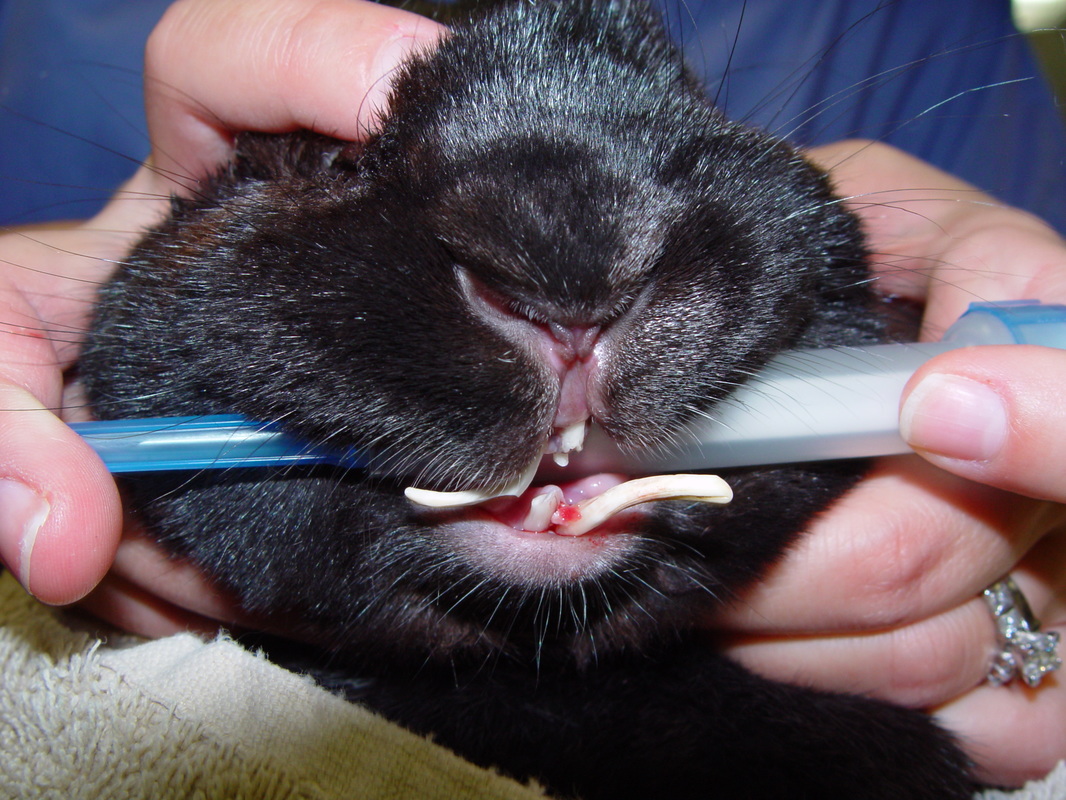
How to respond: Back off. If it happens during bonding, increase space and reduce competition points. If it happens during handling, reassess how you pick them up and whether pain could be involved. Also note: persistent tooth noises that are not clearly social (especially alongside drooling, messy chin, weight loss, or appetite changes) can be a dental red flag.
Squealing or screaming (sharp, loud cry)
What it usually means: Pain, fear, or a serious boundary being crossed.
What to look for: Attempting to flee, frantic movement, or another pig biting and not letting up.
How to respond: Intervene immediately if it is a fight. If it occurs during normal handling or out of nowhere, treat it as a red flag. Check for injury, watch for limping, and consider a vet visit, especially if it repeats.
Whining (nasal, drawn-out complaint)
What it usually means: Mild displeasure or protest, often during grooming, nail trims, or being moved.
How to respond: Slow down, support the body better, and keep sessions short with a veggie reward afterward.
Rabbit vocalizations
Rabbits are often quieter than guinea pigs, but they are not silent. Their sounds are typically softer, and their body language is often the main message. When rabbits do make bigger noises, it tends to be important.
Tooth purring (gentle tooth grinding)
What it usually means: Contentment, like a cat’s purr, but in rabbit form. You will often hear it during petting or when your rabbit is flopped and relaxed.
What to look for: Soft eyes, relaxed body, leaning into pets, and slow breathing.
Important caution: Rabbits also grind teeth in pain, and it sounds harsher and louder than happy tooth purring. Pain grinding often comes with hunched posture, pressing the belly to the floor, refusing food, or hiding.
How to respond: If it is the soft, content sound, keep doing what you are doing. If you suspect pain grinding, do not wait. Rabbits can decline quickly with gut pain or stasis. Contact a rabbit-savvy vet.
Honking (soft “honk” or “oink”)
What it usually means: Excitement or affection. Often seen in happy, confident rabbits, especially during circling, zoomies, or when approaching a favorite person.
What to look for: Circling your feet, binkies, or eager nose boops.
How to respond: Enjoy it. This is one of the cutest rabbit sounds, and yes, it often appears right before they try to climb into your lap to inspect your pockets.
Grunting (short, irritated “hnk”)
What it usually means: Annoyance, territorial behavior, or “Mine.” Some rabbits grunt when you reach into their space, especially around food or litter boxes.
What to look for: Lunging, boxing with front paws, ears pinned back, or guarding behavior.
How to respond: Respect the boundary and work on trust. Use a target stick or treat tosses to ask them to move away rather than reaching over them. Ensure they have enough space and enrichment so their “territory” does not feel constantly invaded.
Thumping (one or repeated foot stomps)
What it usually means: Alarm or displeasure. Rabbits thump to warn others there is danger. They also thump to express strong opinions, like “Stop vacuuming immediately.”
What to look for: Upright, tense posture, wide eyes, ears rotating, scanning the room. Some rabbits thump and then bolt to a hide.
How to respond: Check the environment. Common triggers include loud noises, unfamiliar pets, strong smells, or changes in routine. Offer calm reassurance and a safe hiding option. If thumping becomes frequent, look for ongoing stressors.
Sighing (soft exhale)
What it usually means: Often relaxation, especially when settling into a flop. Some rabbits also sigh in mild annoyance, so again, watch the posture.
How to respond: If the body is loose and calm, take it as a good sign. If the body is tense, give space.
Snorting (sharp breathy sound)
What it usually means: Some rabbits snort in irritation or as a “no thanks.” If it is frequent or paired with nasal discharge, sneezing, or noisy breathing, think respiratory issue instead of attitude.
How to respond: If it seems behavioral, adjust your approach and respect space. If you see any respiratory signs, contact a rabbit-savvy vet.
Chinning (not a sound)
What it means: Marking with scent glands under the chin. This is normal and can show confidence and comfort.
How to respond: Let them chin. It is basically decorating, rabbit-style.
Growling (low, sustained sound)
What it usually means: “Back off.” Growling is a bigger warning than a grunt and may precede a bite.
What to look for: Stiff body, ears back, lunging, guarding.
How to respond: Do not force handling. Evaluate health (pain can cause irritability), and adjust how you interact with their space. Consider working with a rabbit-experienced behaviorist if aggression is persistent.
Squealing or screaming
What it usually means: Extreme fear or pain. A screaming rabbit is an emergency situation.
How to respond: Immediately check for injury and contact a rabbit-savvy vet. If it happened during handling, review what occurred and ensure there was no fall or twist to the spine. If it happened during bonding, separate instantly and check both rabbits for bites.
Clicking or clacking
What it usually means: Some rabbits make quiet tooth-clicks during grooming or contentment. Loud clacking can be agitation, and if it is new or frequent, it can also point to dental discomfort. As always, watch the full picture.
How to respond: If your rabbit is relaxed, it is probably harmless. If the body is tense, give space. If clicking or clacking shows up alongside drooling, reduced appetite, messy fur around the mouth, or weight loss, schedule a rabbit-savvy vet check.

Contentment vs pain
Two sounds in particular deserve a double-check because they can mean either “I’m happy” or “I’m hurting.”
Rabbit tooth purring vs pain grinding
- Happy tooth purring: quiet, rhythmic, paired with relaxed posture and eating normally.
- Pain grinding: louder, harsher, paired with hunched posture, hiding, reduced appetite, smaller droppings, or no droppings.
If you are ever unsure, assume pain until proven otherwise. With rabbits, waiting can turn a small problem into an urgent one.
Guinea pig content purr vs “please stop” purr
- Content purr: low and steady, paired with relaxed muscles and calm behavior.
- Uncomfortable purr: tenser, sometimes higher, paired with freezing, stiff posture, or attempting to escape.
A guinea pig who tolerates touch is not always a guinea pig who enjoys it. Let them vote with their feet.
When your pet gets louder
A sudden change in vocalization is information. Use this quick checklist:
- Appetite: Are they eating hay with their normal enthusiasm?
- Poop and pee: Normal amount and size? Any diarrhea, tiny droppings, or straining?
- Movement: Any limping, reluctance to hop, or hunched posture?
- Breathing: Any clicking, wheezing, nasal discharge, or open-mouth breathing? (Open-mouth breathing is an emergency.)
- Recent changes: New food, new litter, new roommate, enclosure relocation, construction noise, temperature swings?
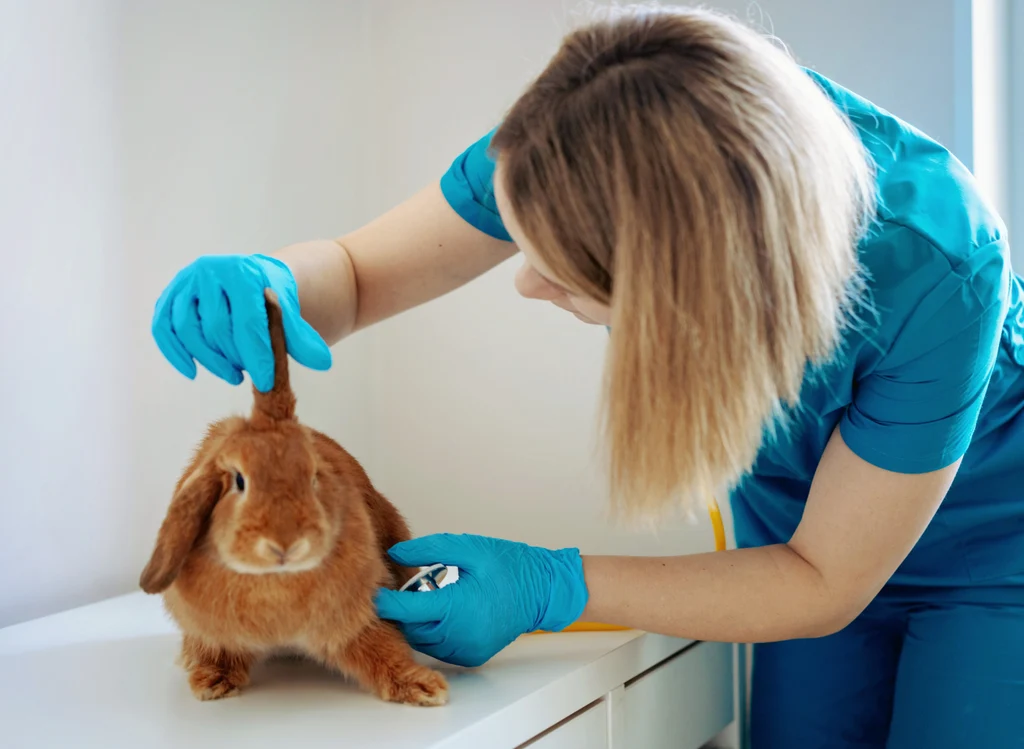
If something feels off and you cannot find an obvious benign trigger, call an exotics vet. For rabbits especially, any reduced appetite or reduced poops is urgent. Both rabbits and guinea pigs are prey animals who work hard to look “fine” until they are not.
Helping them feel heard
Once you start understanding vocalizations, you can respond in ways that reduce stress and build trust.
For guinea pigs
- Use predictable routines. Scheduled feeding lowers frantic wheeking and helps shy pigs feel secure.
- Upgrade space and resources. Social tension sounds often improve with bigger enclosures and duplicated supplies.
- Practice calm handling. Support the chest and hips, keep them close to your body, and keep sessions short.
For rabbits
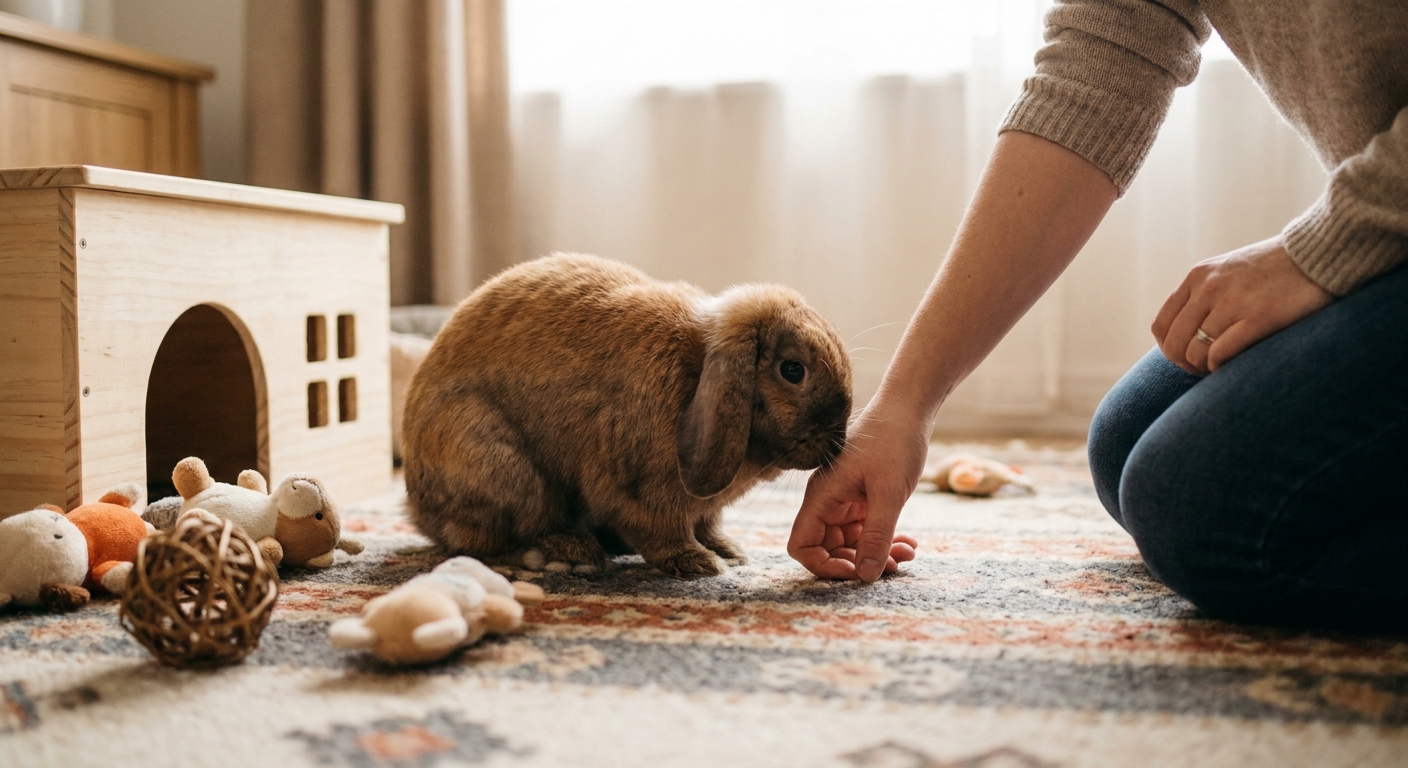
- Ask, do not grab. Many rabbits grunt because hands come from above like a predator. Sit on the floor, offer a treat, and let them approach.
- Respect territory. Use a litter box with higher sides if spraying is an issue, and avoid cornering them in their “safe zone.”
- Reduce scary triggers. Cover part of an exercise pen, provide hideouts, and keep loud machines out of their space when possible.

Quick reference
| Pet | Sound | Most common meaning | What you do |
|---|---|---|---|
| Guinea pig | Wheek | Excitement, request (often food) | Check routine and basics, feed on schedule, reward quiet moments too |
| Guinea pig | Rumble strut | Dominance or courtship | Give space, duplicate resources, monitor tension |
| Guinea pig | Teeth chattering | Warning | Back off, reduce conflict points, consider pain or dental issues if persistent |
| Guinea pig | Squeal/scream | Pain or serious fear | Intervene, check for injury, call vet if unexplained |
| Rabbit | Tooth purr | Contentment (if soft) | Continue gentle petting, enjoy the trust |
| Rabbit | Grunt/growl | Annoyed, territorial, “no” | Respect space, adjust interactions, check for pain |
| Rabbit | Thump | Alarm or displeasure | Scan for stressors, provide a hide, reassure |
| Rabbit | Scream | Emergency pain or terror | Immediate assessment and vet contact |
FAQ
Why does my guinea pig wheek when I walk into the room?
They have learned you predict good things, usually food. Many pigs also wheek because the routine itself is exciting. If the wheeking seems frantic all day long, evaluate whether they have enough hay, enough space, a compatible friend, and a predictable schedule.
My rabbit grunts when I clean the litter box. Is that normal?
Very normal. Rabbits can be territorial about their “core areas” like litter boxes and favorite corners. Try asking your rabbit to hop out first with a treat, then clean. Over time, many rabbits stop grunting when they realize you are not stealing their whole world, just removing yesterday’s opinions.
Is a guinea pig purr always a happy sound?
No. A relaxed, low vibration during calm interaction can mean contentment. A tenser vibration with stiff posture often means discomfort. Always pair the sound with what the body is doing, and remember that terminology varies between sources.
Is rabbit tooth grinding always bad?
No. Soft tooth purring during petting is a classic happy rabbit sign. Loud, harsh grinding with a hunched posture or appetite changes is a pain signal and should be treated urgently.
Do rabbits and guinea pigs understand each other’s sounds?
Not in a language sense. They may respond to tone and movement, but they are different species with different social rules. For safety, rabbits and guinea pigs should not be housed together, even if they seem friendly. A single kick or nip can cause serious injury.
Trust the pattern
The most useful skill is not memorizing every sound. It is learning your pet’s normal and noticing when it changes. Over time, you will recognize the “I’m thrilled” wheek versus the “I’m stressed” rumble, and the relaxed rabbit tooth purr versus the tense, painful grind.
And if you ever feel stuck, record a short video with sound and body language. It is one of the best tools for getting helpful input from a rabbit-savvy vet, rescue, or experienced foster community.